Radial Saw Vs Miter Saw: Which One Should You Choose?
When choosing between a radial saw and a miter saw, it’s important to know their differences. Both tools are great for woodworking, but they serve different purposes.
Deciding between a radial saw and a miter saw can be tricky. Each tool has unique strengths, making them suitable for specific tasks. Radial saws are known for their versatility, allowing for various cuts. Miter saws, on the other hand, excel at making precise angled cuts.
Understanding these differences can help you choose the right tool for your projects. This guide will explore the features, benefits, and ideal uses of each saw, helping you make an informed decision. Keep reading to learn which saw best fits your woodworking needs.

Credit: www.youtube.com
Introduction To Saws
Discover the differences between radial saws and miter saws. Radial saws offer versatility with various cuts, while miter saws excel in making precise angled cuts. Choose the best tool for your woodworking needs.
Purpose Of Saws
Saws are tools used to cut materials. They can cut wood, metal, and plastic. Saws make work easier and faster. The right saw is important for the job. Choosing the wrong saw can be dangerous.
Types Of Saws
There are many types of saws. Each saw has a different use. Some popular types include:
- Hand saws – Used for simple tasks.
- Jigsaws – Good for detailed cuts.
- Circular saws – Cuts straight lines quickly.
- Radial saws – Versatile for many cuts.
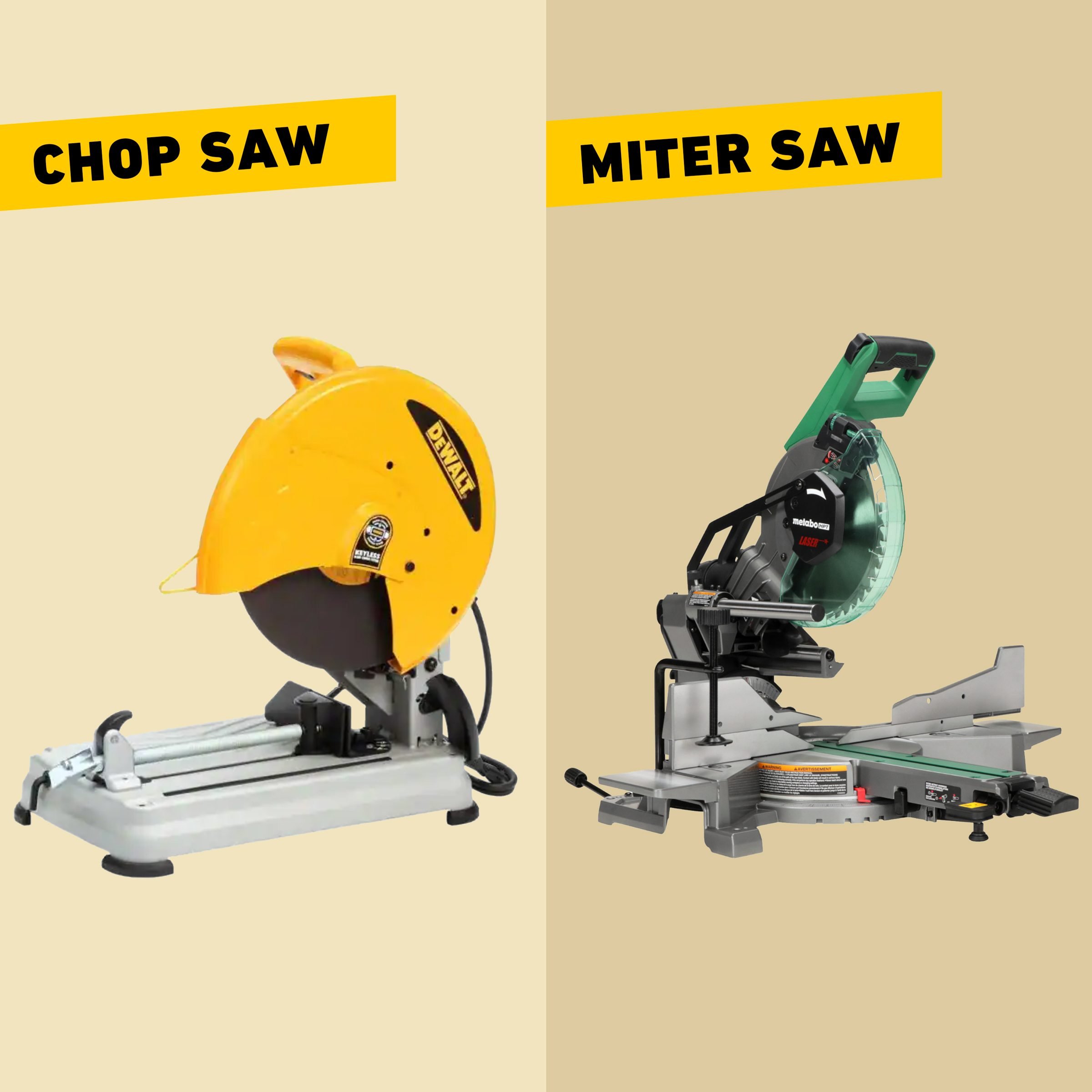
- Miter saws – Great for angle cuts.
Credit: www.familyhandyman.com
Radial Saw Basics
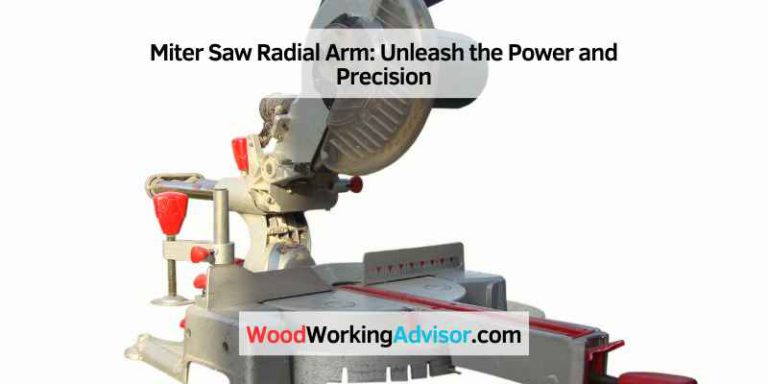
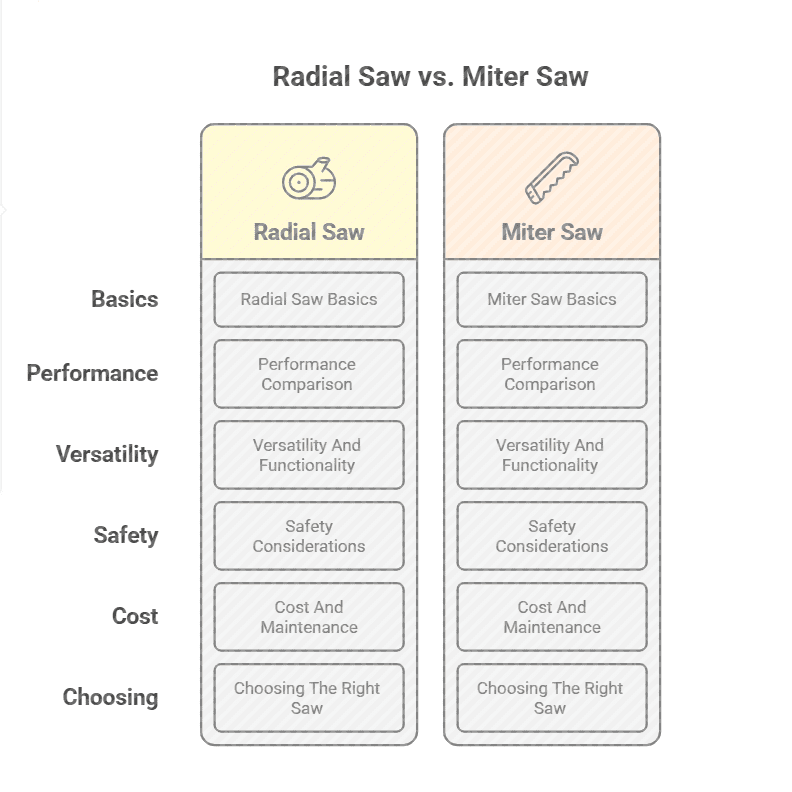
A radial saw has a circular blade. This blade is mounted on a sliding arm. The arm moves back and forth. This design allows for long cuts. The saw can cut thick materials easily. It is often heavy and large. Radial saws need more space to use.
Radial saws are great for ripping long boards. They also work well for crosscutting. These saws can make precise cuts. They are useful in cutting large pieces of wood. They are often used in furniture making. Radial saws can cut at different angles.
Miter Saw Basics
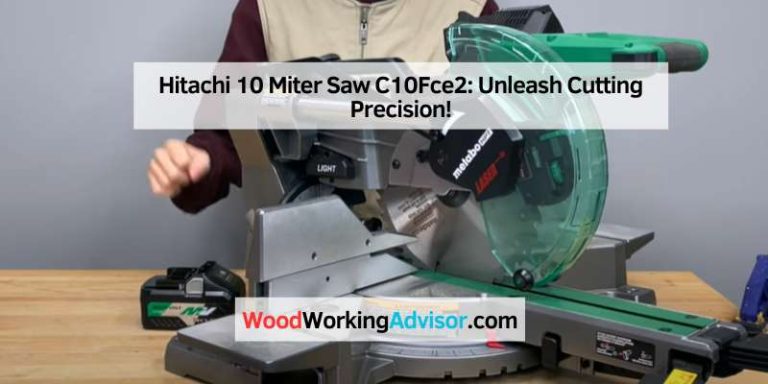
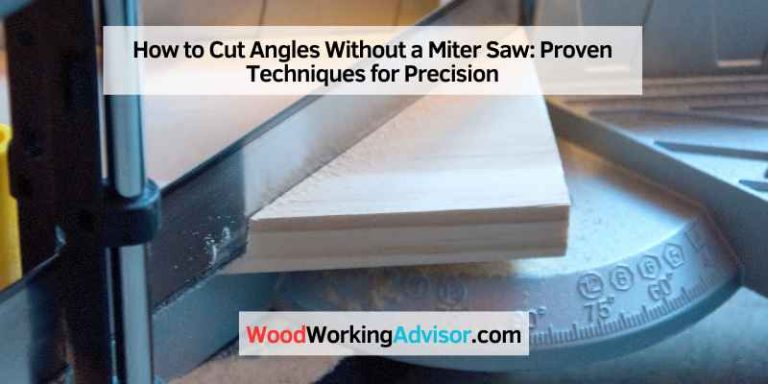
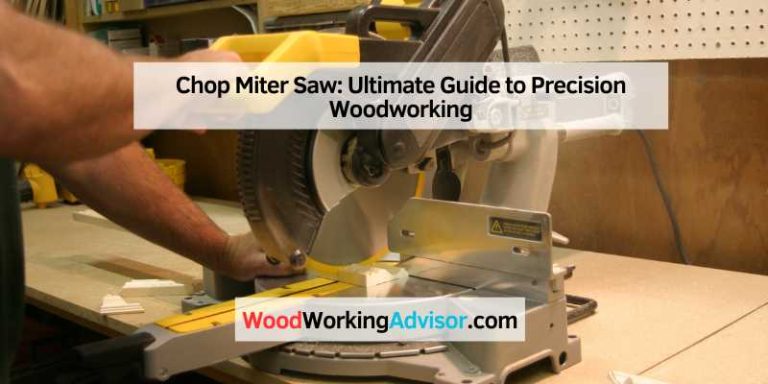
A miter saw has a flat base and a pivoting arm. The blade is mounted on this arm. You can move the arm to cut at different angles. The saw is compact and easy to handle. It is usually fixed to a table for stable cutting.
Miter saws are used for precise cuts. They cut wood, plastic, and metal. They are good for trim work. This includes cutting moldings and baseboards. They are also used for framing. This makes miter saws versatile.
Performance Comparison
Radial saws provide high accuracy for straight cuts. They are good for large wood pieces. Miter saws excel in precision for angled cuts. They are ideal for molding and trim work. Both saws have their strengths, but miter saws are better for detailed work.
Miter saws are quick and efficient for repetitive cuts. They save time on small projects. Radial saws handle larger, thicker wood better. They are slower but more powerful. Choose a radial saw for heavy-duty tasks. Pick a miter saw for speed and ease on small jobs.
Versatility And Functionality
Radial saws can make varied cuts. They can cut straight, angled, and even intricate shapes. Miter saws are great for precise angle cuts. They can easily cut wood at 45 degrees. This makes them perfect for trims and molding.
Radial saws can cut through thicker materials. They handle wood, metal, and plastic well. Miter saws are best for woodworking. They cut wood smoothly and cleanly. For other materials, they may not work as well. Choose the saw based on your project needs.
Safety Considerations
Radial saws demand extra caution due to their exposed blade movement. Miter saws are safer with their stationary design. Always use proper safety gear.
Safety Features
Both radial and miter saws have important safety features. Radial saws often come with a blade guard that covers the blade when not in use. This helps prevent accidents. Miter saws usually include a clamp to hold wood in place. This keeps your hands safe from the blade.
Proper Usage
Reading the manual is crucial for safe use. Always wear protective gear like goggles and gloves. Make sure the saw is on a stable surface. Keep fingers away from the blade. Use clamps to secure your material. Turn off the saw and unplug it after use.
Cost And Maintenance
Radial saws often have higher upfront costs and require more maintenance. Miter saws tend to be less expensive and need minimal upkeep.
Initial Investment
Radial saws often have a higher initial cost. They are usually bigger and more powerful. Miter saws are often cheaper. They are smaller and easy to move. Think about your budget. Choose the one that fits your needs best.
Upkeep And Durability
Miter saws need less upkeep. They are simple and have fewer parts. Radial saws need more care. They have complex parts. Both saws can last long if cared for. Clean them after each use. Check for loose parts. Oil moving parts to keep them running well.

Credit: x.com
Choosing The Right Saw
Radial saws are great for large cuts. They can handle big pieces of wood. Miter saws are best for precise cuts. They are ideal for corners and angles. Radial saws can cut through thick wood. Miter saws are perfect for trim work. Choose based on your project needs.
Radial saws can be heavy. They need more space to use. Miter saws are lighter. They are easy to move around. Radial saws may take longer to set up. Miter saws are quick to start. Think about what you like to use. Pick what feels best for you.
Frequently Asked Questions
What Are The Advantages Of A Radial Saw?
Radial saws offer precise cuts, versatility, and ease of use. They handle crosscuts, rips, and bevels efficiently. Ideal for woodworkers.
Why Did They Stop Making Radial Arm Saws?
Manufacturers stopped making radial arm saws due to declining demand, safety concerns, and the rise of more versatile tools like miter saws.
What Should You Never Cut With A Miter Saw?
Never cut metal, glass, stone, or concrete with a miter saw. These materials can damage the blade and pose safety risks.
What Is A Radial Arm Saw Best For?
A radial arm saw is best for crosscutting wood. It also excels at making precise miters, bevels, and compound cuts.
Conclusion
Choosing between a radial saw and a miter saw depends on your needs. Radial saws offer versatility and power for various tasks. Miter saws provide precision cuts, ideal for woodworking projects. Consider your project’s scope and materials. Both tools have unique advantages.
Think about your budget and workspace. Make an informed decision for the best results. Happy woodworking!