Hitachi C10FCE2 Miter Saw: Specs, Why It’s Discontinued Now
The Hitachi C10FCE2 is a 15-amp, 10-inch single-bevel compound miter saw that Hitachi stopped selling after rebranding its power tool division to Metabo HPT in 2018 — it isn’t a dead product, just a renamed one. Buying a used C10FCE2 today means no warranty support under the Hitachi name, though Metabo HPT still stocks parts for it. This guide covers its real specs, why the name disappeared, and the exact current model to buy instead.
Why the Hitachi C10FCE2 Is Discontinued (Not Actually Gone)
Best Hitachi C10FCE2 Replacement Pick
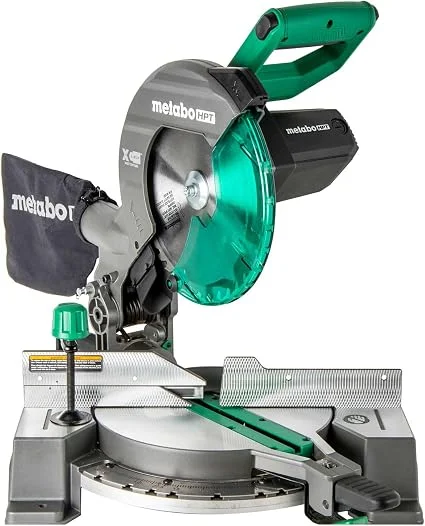 |
Metabo HPT C10FCG2 10-Inch Compound Miter Saw – $139.00 The current-production successor to the Hitachi C10FCE2 covered in this guide — same 15-amp motor and single-bevel design, still sold new with full warranty support.
|
Hitachi Koki (the power tools division of Hitachi) purchased German tool maker Metabo in 2017. In 2018, Hitachi merged its power tool brand name with Metabo across the United States, creating Metabo HPT. Every tool previously sold under the “Hitachi” name — including the C10FCE2 — stopped being manufactured under that branding at that point. The C10FCE2 isn’t listed as discontinued on Metabo HPT’s own site because, functionally, it never really left; it just continues under a new name and a slightly updated model number.
The direct successor is the Metabo HPT C10FCGS (also sold as the C10FCG2 in newer retail listings) — same 15-amp motor, same 5,000 RPM no-load speed, and the same basic miter and bevel geometry, just under the Metabo HPT badge and with a lighter housing.
Real Specs: Miter Range, Bevel Range, and Weight
Several older listings for this saw mix up its miter and bevel ranges. Here are the specs as documented in the official Hitachi/HiKOKI manual for this saw line:
| Spec | Hitachi C10FCE2 |
|---|---|
| Motor | 15-amp, 5,000 RPM no-load |
| Blade size | 10 inches |
| Miter range | 0–52° left and right |
| Bevel range | 0–45° — single bevel, tilts left only |
| Weight | 26.3 lbs |
| Extras | Laser marker, large flip fence, positive stops at 0/15/22.5/31.6/45° |
Single bevel matters more than it sounds. Because this saw only tilts left, cutting a bevel angle that requires a right-tilt (common on crown molding run in the “upside down and backward” method) means flipping the workpiece instead of just resetting the saw — a dual-bevel saw skips that step but costs noticeably more.
What the Metabo HPT Successor Actually Changed
The C10FCGS isn’t a from-scratch redesign — it’s a lighter version of the same saw. At 24.2 lbs it’s about 2 pounds lighter than the original C10FCE2’s 26.3 lbs, thanks to a redesigned chassis, while keeping the same 15-amp motor, the same 5,000 RPM rating, and a similarly large flip-up fence rated to 4 inches for holding tall workpieces. If you already own a C10FCE2 and it still cuts true, there’s no real functional upgrade forcing a switch — the main reason to buy the newer version is simply that it’s what’s actually sold today with a current warranty.
Cutting Capabilities and Best Uses
With a 10-inch blade and this miter/bevel range, the saw handles crosscuts and miters in dimensional lumber, plywood, and trim stock cleanly. It’s sized for crown molding, window and door casing, baseboard, and general framing trim — not for ripping wide sheet goods or cutting stock much thicker than about 2-5/8 inches at 90 degrees.
Safety Features and Best Practices
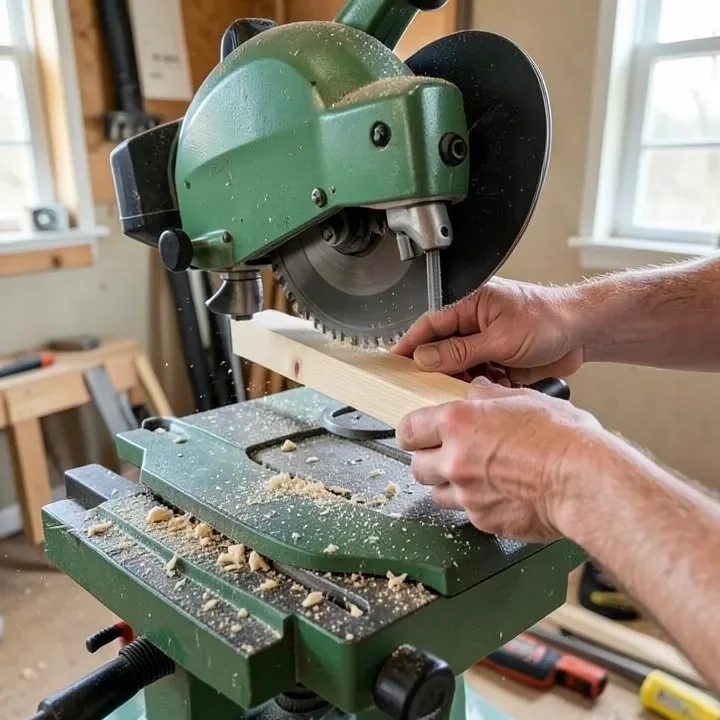
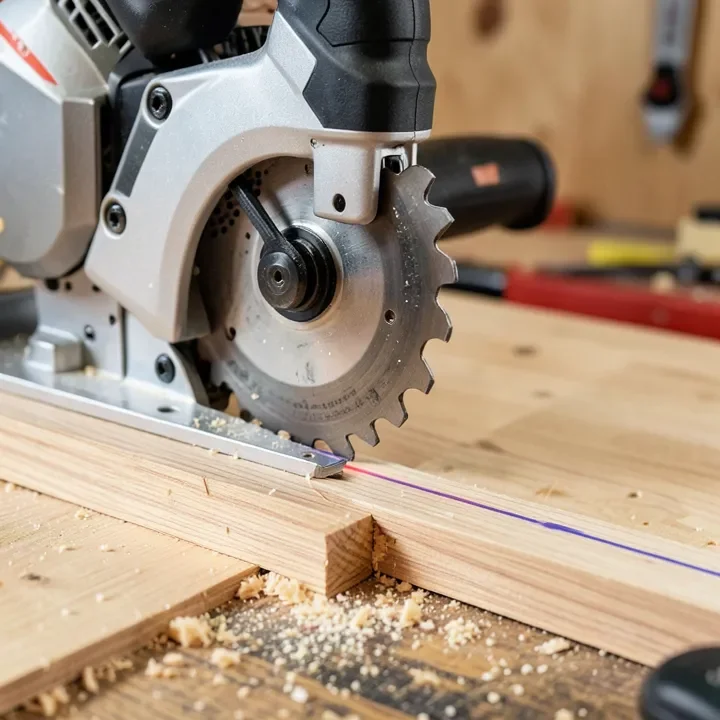
The saw includes an electric brake that stops the blade within seconds of releasing the trigger, a blade guard, and a large table designed to keep the workpiece (and your hands) stable during the cut. None of that replaces basic practice: keep hands at least 6 inches from the blade path, clamp or firmly hold stock against the fence rather than freehanding it, ideally on a stable miter saw stand, wear eye and ear protection, and never leave the saw running unattended, especially with the trigger lock engaged.
Maintenance Tips to Extend Its Life
- Clear sawdust from the table and blade guard after every session — buildup around the blade guard pivot is the most common cause of a guard that sticks or drags.
- Check blade sharpness regularly; a dull 10-inch carbide blade burns wood and forces the motor to work harder than it should.
- Inspect the power cord for nicks or fraying near the strain relief, the most common failure point on corded miter saws.
- Store it dry — a garage with high humidity swings is the main cause of table and fence surface rust on cast miter saw components.
📊 The official manual for this saw line rates the motor at 5,000 RPM no-load on 15 amps — unchanged from the original Hitachi C10FCE2/C10FCH2 documentation through the current Metabo HPT models. Source: HiKOKI/Metabo HPT official manual, C10FCH2/C10FCE2.
Is a Used Hitachi C10FCE2 Still Worth Buying?
In our experience, a used C10FCE2 in good mechanical condition is still a perfectly capable trim saw — the core mechanism hasn’t meaningfully changed in the newer version. The real risk with buying used is parts and support: Hitachi-branded replacement parts (fences, switches, brushes) are getting harder to source new, though Metabo HPT and third-party suppliers like eReplacementParts still stock compatible parts for this saw line. Check that the laser marker still works, the bevel locks hold at each stop, and the blade guard springs back cleanly before buying secondhand — those are the parts most likely to wear out first.
Frequently Asked Questions
Is the Hitachi C10FCE2 the same as the Metabo HPT C10FCGS?
Functionally, yes. The C10FCGS is the direct successor sold after Hitachi Power Tools rebranded to Metabo HPT in 2018. It uses the same 15-amp, 5,000 RPM motor and similar miter/bevel geometry, with a lighter chassis at 24.2 lbs versus the original’s 26.3 lbs.
How thick of wood can a 10-inch miter saw cut?
A 10-inch miter saw can typically cut wood up to about 2-5/8 inches thick at a 90-degree crosscut, less at an angled miter or bevel setting since the blade travels through more material at a slant.
How do you unlock a Hitachi C10FCE2 miter saw?
Locate the locking pin or lever on the back of the saw head, press and hold its release button, then lift the saw arm to its upright position while holding the release. Let go of the release once the arm is up; the saw is now ready to use.
How do you sharpen a 10-inch miter saw blade?
Most 10-inch carbide-tipped miter saw blades aren’t hand-sharpened at home — the carbide teeth need a diamond wheel grinder to restore the correct bevel angle on each tooth. A local saw shop can typically sharpen a blade for a fraction of the cost of a new one; doing it yourself with a diamond file risks uneven teeth that vibrate and burn wood.
Is a 10-inch or 12-inch miter saw better?
Neither is universally better — a 12-inch saw cuts wider stock in one pass and handles baseboard and crown at steeper angles, while a 10-inch saw like the C10FCE2 is lighter, cheaper, and plenty capable for standard trim, framing, and most DIY cutting tasks.
Sponsored / affiliate links. As an Amazon Associate I earn from qualifying purchases. I may earn additional commission from eligible campaigns.