Removing Glue: Quick Tips for a Spotless Finish
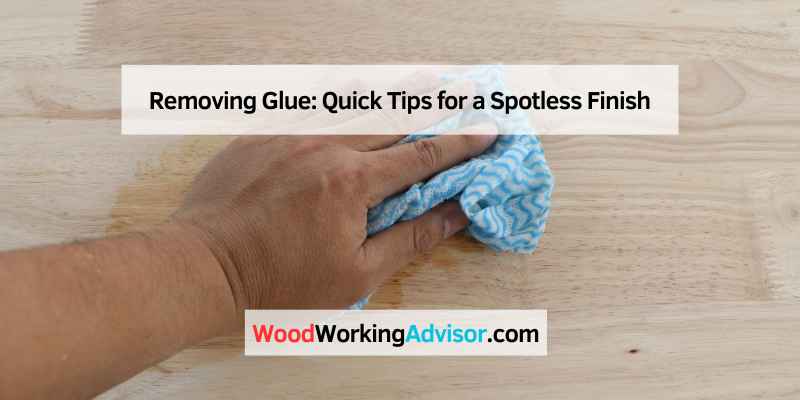
To remove glue, apply a solvent like acetone or rubbing alcohol to a cloth and gently rub the area. For stubborn residue, use a plastic scraper to lift it off.
Glue removal can be a frustrating task, especially when it leaves behind a sticky mess. Various surfaces, from wood to fabric, can be affected. Knowing the right techniques and materials can make this process smoother and more efficient. Different types of glue require specific approaches, so understanding what you’re dealing with is crucial.
Common household items often serve as effective solutions, making glue removal accessible to everyone. Whether you’re tackling a craft project gone wrong or trying to clean up after repairs, this guide will help you remove glue quickly and effectively. Say goodbye to sticky situations with these simple methods.
Introduction To Glue Removal
Removing glue can be tricky. Many people face common challenges during the process. Some adhesives are strong and stick well. Others may leave sticky residues behind. These can be hard to clean.
A clean surface is important. It helps with better adhesion when applying new materials. Benefits of a glue-free surface include:
- Improved appearance
- Better functionality
- Longer-lasting results
- Easier application of new materials
Using the right methods and tools can make a difference. Always consider the type of glue used. Different glues require different removal techniques.
Types Of Glue And Their Properties
Water-based adhesives use water as a solvent. They are safer and easier to clean. These adhesives are less toxic and have low odor. They work well on paper, wood, and fabric.
Solvent-based adhesives contain chemicals that help them stick. They are stronger and more durable. These adhesives are better for heavy-duty tasks. However, they can have strong odors and are more difficult to clean.
| Type of Adhesive | Properties |
|---|---|
| Water-Based | Safe, low odor, easy to clean |
| Solvent-Based | Strong, durable, difficult to clean |
Super glue bonds quickly and firmly. It works well on many surfaces. This adhesive is great for small repairs. Caution is needed when using it.
PVA glue is a type of water-based adhesive. It dries clear and is flexible. This glue is perfect for crafts and woodworking projects.
Preparation: Before You Begin
Removing glue can be tricky. Safety measures are very important. Always wear gloves to protect your hands. Use goggles to shield your eyes from splashes. A mask can help keep harmful fumes away.
Gather your cleaning toolkit before starting. Include items like rubbing alcohol, vinegar, and scrapers. A soft cloth or sponge is also useful. Keep paper towels handy for spills. Ensure you have a bucket for mixing solutions.
| Item | Purpose |
|---|---|
| Gloves | Protect hands |
| Goggles | Shield eyes |
| Mask | Block fumes |
| Scrapers | Remove glue |
| Soft Cloth | Wipe surfaces |
Mechanical Methods For Glue Removal
Using scraper tools can make glue removal easier. Choose the right scraper for your surface. Hold the scraper at a slight angle to avoid damage. Apply gentle pressure to lift the glue. Always work in a well-lit area for better visibility.
For stubborn residue, sanding may be necessary. Use fine-grit sandpaper to avoid scratches. Start with light pressure and check the surface often. Sand in a circular motion for even removal. Clean the area after sanding to remove dust and debris.
Chemical Solutions For Dissolving Glue
Choosing the right solvent is key to removing glue effectively. Some common solvents include acetone, isopropyl alcohol, and vinegar. Each solvent works best on different types of glue. For example, acetone is great for super glue.
Always test a small area first. This helps ensure the surface won’t be damaged. Apply the solvent using a soft cloth or sponge. Let it sit for a few minutes to dissolve the glue.
Use a plastic scraper to gently lift the glue. Avoid using metal tools, as they can scratch surfaces. After removing the glue, clean the area with soap and water.
Natural And Eco-friendly Alternatives
Vinegar is a great natural option for removing glue. It can dissolve sticky residues easily. Soak a cloth in vinegar. Then, rub it on the glue until it lifts off.
Other household items work well too. Baking soda mixed with water can create a paste. Apply it to the glue and scrub gently.
Heat can also help remove glue. Use a hairdryer to warm the area. This softens the glue, making it easier to scrape off. Cold treatments can work too.
Ice cubes placed on glue can harden it. Once hard, it can be scraped away easily.
Post-removal Cleaning And Surface Care
After removing glue, it’s important to clean the surface well. Use a soft cloth and warm soapy water to wipe away any residue.
To neutralize chemical agents, mix equal parts of vinegar and water. Apply the mixture with a cloth. This helps to remove any leftover chemicals.
Restoring the original finish requires care. Use a wood polish or furniture oil suitable for the surface. Apply a small amount and buff with a soft cloth.
Always test any product in a small area first. This ensures it does not damage the surface.
Troubleshooting Common Issues
Removing glue can be tricky, especially on sensitive materials. Always test a small area first. Use a gentle adhesive remover designed for delicate surfaces. Avoid harsh chemicals that might cause damage.
For fabric, use a damp cloth with warm water and mild soap. Blot gently to lift the glue. For paper, try using a specialized solvent. Apply it carefully to avoid tearing.
Patience is key. Allow the remover to sit for a few minutes before scraping. Use a plastic scraper to avoid scratches. Always work from the outer edge toward the center.
Keep the area well-ventilated. This helps reduce any strong odors. Always wear gloves to protect your skin. Follow the manufacturer’s instructions for best results.
Conclusion: Maintaining A Spotless Finish
To keep a spotless finish, follow these best practices:
- Use warm soapy water for gentle cleaning.
- Try a plastic scraper to lift stubborn glue.
- Apply vinegar to dissolve adhesive residue.
- Always test products on a small area first.
For future projects, take these preventative measures:
- Cover surfaces with protective sheets.
- Choose low-adhesive tape for easy removal.
- Store glue in a cool, dry place to maintain quality.
- Keep tools clean to avoid glue buildup.
Frequently Asked Questions
How Can I Remove Glue From Fabric?
To remove glue from fabric, first, scrape off excess glue carefully with a dull knife. Then, apply a solvent like rubbing alcohol or vinegar to the affected area. Let it sit for a few minutes before blotting with a clean cloth.
Finally, wash the fabric as usual.
What Is The Best Way To Remove Glue From Wood?
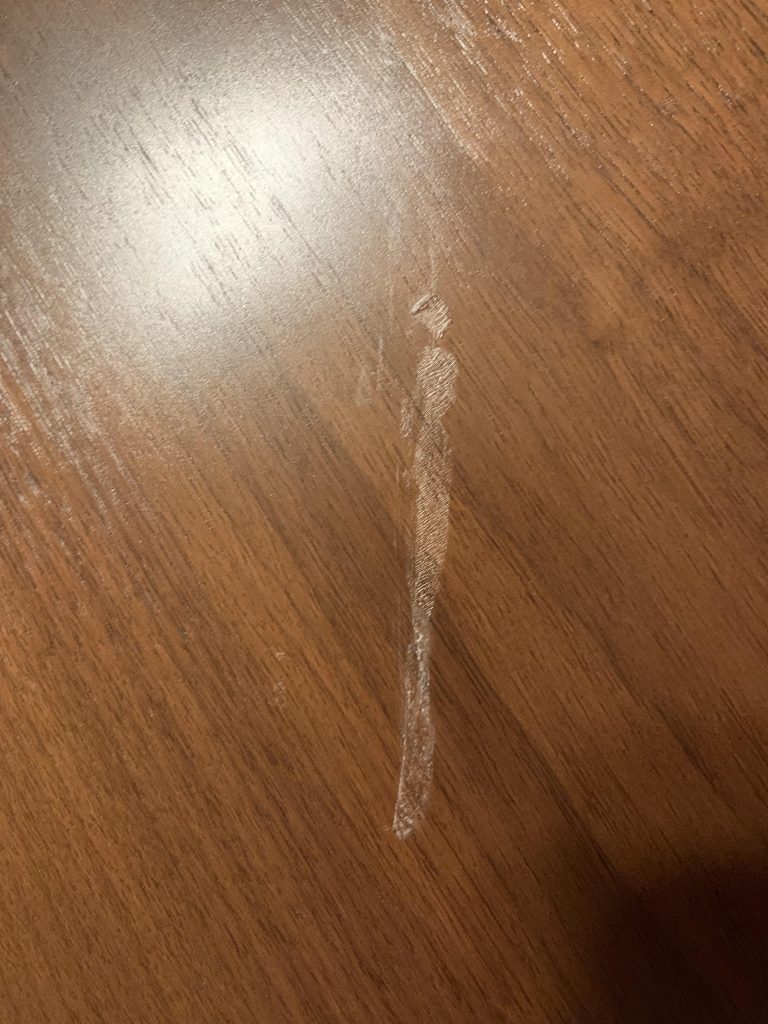
For wood surfaces, use a mixture of warm water and mild soap to soften the glue. Apply it to the area and let it sit. Gently scrape away the glue using a plastic scraper. Wipe clean with a damp cloth to avoid water damage.
Can I Use Vinegar To Remove Glue?
Yes, vinegar is effective for removing glue. It acts as a natural solvent that can break down adhesive bonds. Soak a cloth in vinegar and apply it to the glue. Allow it to sit for a few minutes before wiping away the residue.
Is There A Safe Way To Remove Glue From Skin?
To safely remove glue from skin, use warm soapy water. Soak the area to loosen the glue. If needed, apply a bit of vegetable oil or rubbing alcohol. Gently rub until the glue comes off, then rinse thoroughly with clean water.
Conclusion
Removing glue doesn’t have to be a daunting task. With the right methods and tools, you can achieve clean surfaces. Always test solutions on a small area first. This ensures you avoid damage. Follow these tips, and you’ll tackle glue removal effectively.
Enjoy a cleaner, fresher space in no time!