Removing Paint from Vinyl Flooring: A Comprehensive Guide
Hey there! So, you’ve got some paint splattered on your vinyl flooring, and you’re wondering how to get it off without ruining your beautiful floors? I’ve been there, and I know how frustrating it can be to see those stubborn paint spots staring back at you. Whether it’s a DIY project gone wild or an accidental spill from a home renovation, I’ve tackled this problem myself and learned a thing or two along the way. In this guide, I’m sharing everything I’ve discovered about removing paint from vinyl flooring. From gentle methods for fresh spills to tackling dried-on messes, I’ve got you covered with practical, safe, and effective solutions. Let’s dive in and get your floors looking pristine again!
Understanding Vinyl Flooring and Paint Types
Before we start scrubbing, let’s talk about what we’re dealing with. Vinyl flooring is popular because it’s durable, affordable, and easy to maintain. But it’s not invincible. The surface can be sensitive to harsh chemicals or abrasive tools, so we need to be careful. I’ve learned that the type of paint matters too. Water-based paints, like latex or acrylic, are easier to remove than oil-based paints, which cling like nobody’s business. Fresh paint is a breeze compared to dried paint that’s been sitting for days or weeks. Knowing these details helps us choose the right method without damaging the floor.
Vinyl flooring comes in different forms—sheets, tiles, or planks—and some have protective coatings. I’ve noticed that luxury vinyl planks (LVP) are a bit more forgiving than older vinyl sheets, but you still need to tread lightly. If you’re unsure about your flooring type, check the manufacturer’s guidelines or test any cleaning method in a hidden spot first. Trust me, it’s better to be safe than sorry!
Tools and Supplies You’ll Need
When I first tackled paint on my vinyl floor, I realized having the right tools makes all the difference. You don’t need anything fancy, but gathering these supplies will save you time and hassle. Here’s what I keep on hand:
| Tool/Supply | Purpose |
|---|---|
| Soft cloths or rags | For gentle wiping and cleaning without scratching the vinyl. |
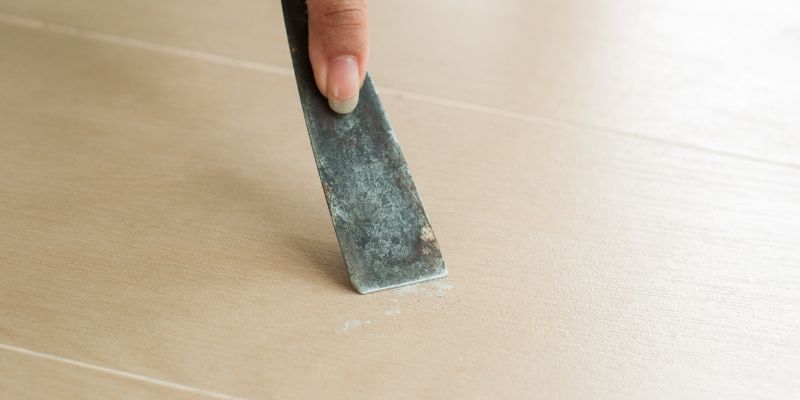
| Plastic scraper or putty knife | To lift dried paint without damaging the floor. |
| Warm water | The base for most cleaning solutions—safe and effective. |
| Mild dish soap | Cuts through paint without harming vinyl. |
| Rubbing alcohol | Great for breaking down water-based paints. |
| Acetone or nail polish remover | For stubborn oil-based paints (use sparingly!). |
| White vinegar | A natural cleaner for light paint stains. |
| Baking soda | Acts as a mild abrasive for tough spots. |
| Bucket | For mixing cleaning solutions. |
| Soft-bristled brush | For scrubbing without scratching the surface. |
| Microfiber mop | For final cleanup and polishing the floor. |
I always start with the gentlest tools and work my way up. A plastic scraper is my go-to for dried paint because metal ones can scratch the vinyl. Keep these supplies handy, and you’ll be ready for any paint mishap.
Removing Fresh Paint from Vinyl Flooring
If you catch the paint spill while it’s still wet, you’re in luck! I’ve found that fresh paint is much easier to clean up. Here’s how I handle it:
First, grab a soft cloth or paper towel and blot the paint. Don’t smear it around—that just spreads the mess. Blotting soaks up as much paint as possible. Next, mix a few drops of mild dish soap with warm water in a bucket. Dip a clean cloth into the solution, wring it out, and gently wipe the area. I usually work in small circles to lift the paint without pushing it into the vinyl’s texture.
If the paint is water-based, this should do the trick. For oil-based paint, you might need to step it up with a little rubbing alcohol on a cloth. I dab it on the spot and wipe gently, checking to make sure the vinyl’s finish isn’t getting cloudy. Once the paint is gone, I rinse the area with clean water and dry it with a microfiber cloth to prevent water spots. It’s simple, and it works like a charm!
Tackling Dried Paint on Vinyl Flooring
Dried paint is where things get tricky. I’ve had my fair share of stubborn, crusty paint spots from a weekend painting project that got out of hand. Here’s how I deal with them:
Start with a plastic scraper or putty knife. I gently slide it under the edge of the dried paint to lift it off. You have to be patient—forcing it can gouge the vinyl. If the paint doesn’t budge, I make a paste with baking soda and water. I apply it to the spot, let it sit for 5–10 minutes, and then scrub gently with a soft-bristled brush. The baking soda acts like a mild abrasive, loosening the paint without being too harsh.
For really tough spots, I’ve used rubbing alcohol or acetone. I soak a cotton ball with either one and dab it on the paint, letting it sit for a minute to soften the stain. Then, I wipe it away with a cloth. Acetone is strong, so I only use a tiny amount and test it first in a corner to make sure it doesn’t strip the vinyl’s finish. After the paint is gone, I clean the area with soapy water and dry it thoroughly. It takes a bit of elbow grease, but it’s worth it to see the floor shine again.
Using Natural Cleaners for Eco-Friendly Removal
I love using natural cleaners whenever possible—they’re safe for my family and the environment. White vinegar is my favorite for light paint stains on vinyl. I mix equal parts vinegar and warm water, dip a cloth in the solution, and wipe the paint. It works well for water-based paints and doesn’t leave a chemical smell.
For tougher stains, I’ve tried a baking soda and vinegar combo. I sprinkle baking soda on the paint, then drizzle a little vinegar over it. It fizzes up, which helps loosen the paint. After a minute, I scrub with a soft brush and wipe it clean. It’s not as fast as chemical cleaners, but it feels good knowing I’m keeping things green. Plus, these ingredients are probably already in your kitchen!
When to Use Commercial Paint Removers
Sometimes, natural methods don’t cut it, especially with oil-based paints or large spills. I’ve turned to commercial paint removers when the going gets tough, but I’m super careful. Look for products labeled as safe for vinyl or multi-surface use. I always read the label and test the product in a hidden spot first.
One time, I used a product called Goo Gone for a particularly stubborn paint splatter. I applied a small amount to a cloth, rubbed it on the paint, and let it sit for a minute. It worked like magic, but I made sure to rinse the area well afterward to avoid any residue. If you go this route, ventilate the room and wear gloves—some of these products have strong fumes.
Preventing Damage to Your Vinyl Flooring
I’ve learned the hard way that vinyl flooring needs a little TLC. Harsh chemicals like bleach or ammonia can dull the finish or cause discoloration. Abrasive tools, like steel wool, are a big no-no—they’ll scratch the surface faster than you can say “oops.” Always use soft cloths or brushes and avoid soaking the floor with too much liquid, as water can seep into seams and cause warping.
If you’re unsure about a cleaner, test it on a small, hidden area first. I usually try it under a piece of furniture or in a closet. Also, check your vinyl’s warranty or care instructions—some manufacturers are picky about what you can use. Taking these precautions keeps your floor looking new for years.
Cleaning Up After Paint Removal
Once the paint is gone, you’re not quite done. I always give the area a final clean to remove any leftover cleaner or residue. I mix a little dish soap with warm water and mop the floor with a microfiber mop. Then, I dry it with a clean towel to prevent streaks. If you’ve used a strong cleaner like acetone, make sure to rinse thoroughly—leftover chemicals can damage the vinyl over time.
I also like to give the whole floor a quick once-over to keep it looking uniform. A damp mop with a mild cleaner does the trick. It’s like giving your floor a little spa day after all that hard work!
Preventing Future Paint Spills
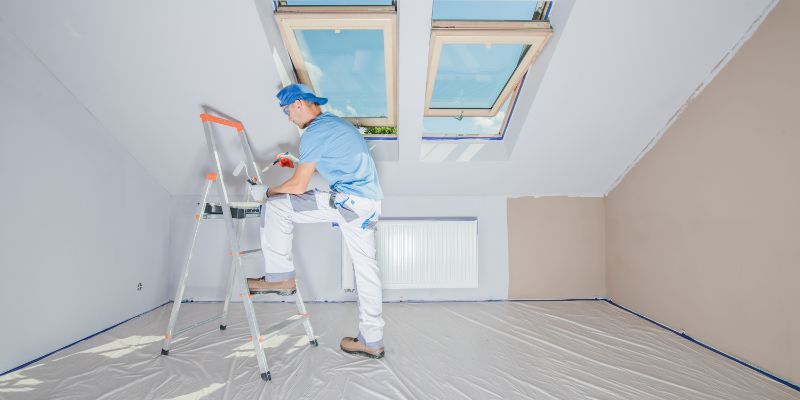
After dealing with paint on my vinyl floor a few times, I got smart about prevention. If you’re painting, lay down drop cloths or plastic sheeting to catch drips. I use painter’s tape to secure the edges so nothing sneaks through. If you’re working on a small project, keep a damp cloth nearby to wipe up spills right away—fresh paint is so much easier to clean.
I also set up a “no-paint zone” around my vinyl floors when I’m working on big projects. It’s a simple step, but it saves me from repeating this whole process. Trust me, a little prep goes a long way!
When to Call a Professional
Most paint spills are DIY-friendly, but there are times when I’ve considered calling in the pros. If you’ve got a large area of paint or your vinyl is starting to peel or discolor, it might be worth getting help. Professionals have specialized tools and cleaners that can tackle tough jobs without damaging your floor. I’ve also called for advice when I wasn’t sure about the paint type or the vinyl’s condition—it’s better to ask than to risk a costly mistake.
Conclusion
Getting paint off vinyl flooring doesn’t have to be a nightmare. I’ve been through the process enough times to know that with the right tools, a bit of patience, and some elbow grease, you can restore your floors to their former glory. Whether you’re wiping up fresh drips with soapy water or tackling dried paint with a scraper and some rubbing alcohol, there’s a solution for every mess. I love how satisfying it is to see those paint spots disappear and my vinyl shine again. By starting with gentle methods, testing in small areas, and taking steps to prevent future spills, you’ll keep your floors looking amazing. So, grab your supplies, roll up your sleeves, and let’s make those floors spotless together!
Frequently Asked Questions
How do I know if the paint on my vinyl floor is water-based or oil-based?
Figuring out the paint type can be tricky, but I usually check the paint can if it’s still around. Water-based paints, like latex or acrylic, often clean up with soap and water. Oil-based paints feel greasy and need stronger solvents like rubbing alcohol or acetone. If you’re unsure, try cleaning a small spot with soapy water first. If it doesn’t budge, it’s likely oil-based.
Can I use a magic eraser to remove paint from vinyl flooring?
I’ve tried magic erasers, and they can work for light paint marks, but you have to be gentle. They’re slightly abrasive, so scrubbing too hard can dull the vinyl’s finish. I dampen the eraser and test it in a hidden spot first. If it’s safe, I use light, circular motions and rinse the area afterward.
Will removing paint damage my vinyl flooring?
If you’re careful, your vinyl should be fine. I always start with mild cleaners like dish soap or vinegar and avoid harsh chemicals like bleach. Using soft tools, like plastic scrapers or cloths, helps too. Testing in a small area first is my go-to trick to avoid damage.
How can I remove paint without leaving scratches on my vinyl floor?
Scratches are a real concern, so I stick to soft tools. A plastic scraper or soft-bristled brush is perfect for lifting paint without harming the surface. Avoid metal tools or abrasive pads like steel wool. If you’re scrubbing, use light pressure and check the floor as you go.
What should I do if the paint won’t come off my vinyl floor?
Stubborn paint can be frustrating! I’ve had luck softening it with rubbing alcohol or a commercial paint remover like Goo Gone. Apply a small amount, let it sit, and gently scrub. If that doesn’t work, or if the floor looks damaged, I’d call a professional to avoid making things worse.