Best Vinyl Plank Underlayment for Concrete: 7 Compared (2026)
The best underlayment for vinyl plank flooring on concrete is DRICORE CertiGuard — its raised air-gap design manages slab moisture without relying on a perm-rated film, and it carries a 73 IIC sound rating. But it is not the cheapest or the best-documented option: of the 7 underlayments compared below, only one (QuietWalk LV) publishes an actual water vapor transmission number instead of a marketing claim, and three of the seven have no moisture barrier of their own at all.
Concrete slabs release water vapor continuously, and vinyl plank flooring traps whatever moisture gets past the underlayment — which is why the wrong pick here causes more warranty claims than almost any other flooring mistake. We pulled current prices, thickness, IIC sound ratings, and manufacturer moisture data for 7 real underlayments spanning foam, felt, cork, rubber, wood fiber, and rigid plastic, normalized it all to cost per square foot, and flagged exactly which ones need a separate vapor barrier before they touch a concrete floor.
| Underlayment | Material | Thickness | Moisture Barrier Tier* | Sound (IIC/STC) | Cost / sq ft | Verdict |
|---|---|---|---|---|---|---|
| DRICORE CertiGuard Premium Floor Underlayment | Rigid HDPE/PET air-gap membrane | 7mm (0.28 in.) | Tier 2 — integrated barrier, no independent number | IIC 73 | $0.79 | Best true defense against slab moisture — no separate vapor barrier needed — but the priciest simple roll in this table. |
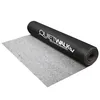
| QuietWalk LV 360 Sq Ft Underlayment | Recycled synthetic fiber (felt) with integrated 6-mil vapor film | 1.4mm | Tier 1 — published transmission rate | IIC 70 / STC 62 | $0.42 | The only pick here with a real, checkable moisture number. GREENGUARD Gold certified, made in the USA. |
| ROBERTS First Step Premium 3-in-1 Underlayment | Felt-foam composite (3-in-1: cushion, film, adhesive strip) | 2mm | Tier 2 — integrated barrier, no independent number | IIC 68 / STC 67 | $0.35 | Cheapest cost-per-sq-ft here by a wide margin once you’re covering a whole floor, because the roll is enormous (630 sq ft) — a poor fit if you only need one small room. |
| STEICO Wood Fiber Flooring Underlayment 6mm | Compressed natural wood fiber board (no glue, no VOCs) | 6mm (1/4 in.) | Tier 3 — needs separate poly sheet | IIC 51-55* | $1.31 | The most breathable, lowest-VOC option, and it protects click-lock seams well — but it is not a moisture barrier by design, so budget for a separate poly sheet on concrete. |
| QEP Natural Cork Underlayment 6mm | Natural cork | 6mm (1/4 in.) | Tier 2 — integrated barrier, no independent number | IIC 74* / STC 70* | $1.10 | Real crack-isolation and thermal benefits (R-0.74) that help radiant-heat systems push warmth upward instead of into the slab — but QEP’s headline 74 IIC/70 STC number was tested under ceramic tile on a 6-in. slab, not vinyl plank. Expect a different real-world number under LVP. |
| Marvel Mute Rubber Flooring Underlayment 5mm | Recycled SBR tire rubber | 5mm | Tier 3 — needs separate poly sheet | IIC 50-74* | $1.83 | The highest sound-deadening ceiling in this table if you pair it with a separate poly vapor barrier — but it’s also the most expensive per sq ft and ships with zero moisture protection of its own. |
| ROBERTS Black Jack Underlayment | Closed-cell foam | 2.5mm | Tier 2 — integrated barrier, no independent number | IIC 70 / STC 66 | $0.34 | The cheapest pick with real, independently-findable IIC/STC numbers. Closed-cell foam resists standing moisture better than open-cell foam, but it’s still not a substitute for a true vapor barrier on a damp slab. |
*Moisture Barrier Tier is this article’s own classification, built from what each manufacturer actually publishes (see the Methodology section below): Tier 1 = a real published water vapor transmission number; Tier 2 = manufacturer claims an integrated barrier but publishes no independent perm/WVTR figure; Tier 3 = no integrated barrier at all, so a separate 6-mil poly sheet is required under it on concrete. Cost/sq ft is each product’s current price divided by its own stated roll coverage — not adjusted for bulk-roll discounts, so ROBERTS First Step’s low per-sq-ft cost partly reflects its unusually large 630 sq ft roll size.
One-line summary: across 7 underlayments spanning six different materials, only one (QuietWalk LV) publishes a real water-vapor-transmission number, and three of the seven — wood fiber, cork, and rubber — carry no moisture barrier of their own and need a separate poly sheet on concrete.

Best Underlayments for Vinyl Plank Flooring on Concrete
1. DRICORE CertiGuard Premium Floor Underlayment — #1 Best Overall

Price: $78.73 for 100 sq ft ($0.79/sq ft) — Check Latest Price on Amazon
Amazon buy-box price unavailable at time of writing; price computed from Home Depot’s published $0.79/sq ft rate for this product line (80 sq ft roll, $62.98) × 100 sq ft.
- Material: Rigid HDPE/PET air-gap membrane
- Thickness: 7mm (0.28 in.)
- Sound rating: IIC 73
- Moisture protection: Air Gap Technology — a dimpled, 100% waterproof plastic panel that creates physical airflow between slab and floor rather than relying on a perm-rated film. DRICORE does not publish a perm number for this product; it’s a different moisture-management mechanism, not a missing spec.
- Coverage: 100 sq ft per roll
This is the pick for a basement, a slab-on-grade home, or any concrete floor with a known history of dampness, where you would rather not gamble on a film-based barrier’s perm rating at all. The high-density plastic construction also means it supports higher point loads (DRICORE states 6,600 lbs/sq ft) than any foam or felt roll in this table, so heavy furniture and appliances are less of a concern. The tradeoff: at 7mm (0.28 in.) it’s the thickest single-layer option here, which matters if your flooring’s warranty caps maximum underlayment thickness — check that before buying.
Bottom line: Best true defense against slab moisture — no separate vapor barrier needed — but the priciest simple roll in this table.
2. QuietWalk LV 360 Sq Ft Underlayment — Best Documented Moisture Rating

Price: $151.20 for 360 sq ft ($0.42/sq ft) — Check Latest Price on Amazon
- Material: Recycled synthetic fiber (felt) with integrated 6-mil vapor film
- Thickness: 1.4mm
- Sound rating: IIC 70 / STC 62
- Moisture protection: Manufacturer-published water vapor transmission rate (WVTR) of 0.12 lbs/1,000 ft²/24 hrs, rated to hold back concrete emissions up to 6 lbs/1,000 sq ft/24 hrs — the only product in this table with an actual published transmission number instead of a marketing claim.
- Coverage: 360 sq ft per roll
This is the pick for anyone who wants to actually verify a moisture claim instead of taking a manufacturer’s word for it — MP Global publishes the WVTR number, the concrete-emission threshold it’s rated against, and its IIC/STC figures on its own technical data sheet, not just in marketing copy. It’s also the only recycled-fiber product in this table that’s specifically GREENGUARD Gold certified, which matters in a bedroom or nursery. At 1.4mm it’s thinner than most of the other picks, so check that it still meets your flooring’s minimum underlayment requirement, not just the maximum.
Bottom line: The only pick here with a real, checkable moisture number. GREENGUARD Gold certified, made in the USA.
3. ROBERTS First Step Premium 3-in-1 Underlayment — Best for Large Rooms

Price: $219.99 for 630 sq ft ($0.35/sq ft) — Check Latest Price on Amazon
Amazon buy-box price unavailable at time of writing; price sourced from Zoro’s published listing for this exact SKU (70-102-1) and disclosed as non-Amazon-sourced.
- Material: Felt-foam composite (3-in-1: cushion, film, adhesive strip)
- Thickness: 2mm
- Sound rating: IIC 68 / STC 67
- Moisture protection: Integrated moisture-retardant film; Roberts states the product is meant for use on concrete slabs, but no independently verifiable perm/WVTR number turned up this session — treat as a manufacturer claim, not a lab figure.
- Coverage: 630 sq ft per roll
This is the pick for a whole-house or multi-room job where you’d otherwise be buying and seaming together six or seven smaller rolls. Its published STC 67/IIC 68 numbers come straight off the Amazon listing’s own spec bullet, not a secondary source, and they’re competitive with picks costing three times as much per sq ft. It’s a poor match for a single small room, though: 630 sq ft of coverage for a 100 sq ft bathroom means paying for roughly 530 sq ft you’ll never use.
Bottom line: Cheapest cost-per-sq-ft here by a wide margin once you’re covering a whole floor, because the roll is enormous (630 sq ft) — a poor fit if you only need one small room.
4. STEICO Wood Fiber Flooring Underlayment 6mm — Best Natural / Breathable Material

Price: $234.99 for 180 sq ft (bundle of 2) ($1.31/sq ft) — Check Latest Price on Amazon
- Material: Compressed natural wood fiber board (no glue, no VOCs)
- Thickness: 6mm (1/4 in.)
- Sound rating: IIC 51-55*
- Moisture protection: Sd value of 5 — STEICO’s own literature markets this as “vapor open,” meaning it deliberately does NOT block moisture. On a concrete slab this needs a separate 6-mil poly sheet underneath; used alone it is the wrong choice for a below-grade or slab-on-grade room.
- Coverage: 180 sq ft (bundle of 2) per roll
This is the pick for anyone prioritizing indoor air quality over convenience — it’s made from pure pine wood fiber with no glue or VOC additives, which the foam and rubber options in this table can’t claim. It’s a genuinely good fit over a wood subfloor where you want the assembly to breathe. On concrete, though, budget the separate poly sheet as a real added cost and step, not an afterthought — skip it and you’re installing a vapor-open product on a vapor-emitting slab, which is close to the opposite of what a concrete installation needs.
Bottom line: The most breathable, lowest-VOC option, and it protects click-lock seams well — but it is not a moisture barrier by design, so budget for a separate poly sheet on concrete.
*IIC 51-55 is STEICO’s published figure for the thinner 3mm version tested on a 6-in. concrete slab; an independently verifiable number for this exact 6mm SKU wasn’t found this session, so treat this as directional, not exact.
5. QEP Natural Cork Underlayment 6mm — Best for Radiant Heat Floors

Price: $219.99 for 200 sq ft ($1.10/sq ft) — Check Latest Price on Amazon
- Material: Natural cork
- Thickness: 6mm (1/4 in.)
- Sound rating: IIC 74* / STC 70*
- Moisture protection: No independently published perm/WVTR number. QEP’s own product literature lists this cork for “ceramic tile, stone, marble, glued wood flooring and floating floor systems” — vinyl plank isn’t named outright, though click-lock LVP installs as a floating floor and falls under that use case.
- Coverage: 200 sq ft per roll
This is the pick if radiant heat or crack isolation is the deciding factor, not sound score alone. Cork is a renewable material and this SKU is FloorScore certified, which can matter for LEED-adjacent projects. But go in with accurate expectations on the numbers: QEP’s own literature markets this cork primarily for tile, stone, and glued wood, with floating-floor systems (which covers click-lock LVP) as a secondary use case — so treat the headline IIC/STC figure as a reference point from a different flooring type, not a guarantee for vinyl plank specifically.
Bottom line: Real crack-isolation and thermal benefits (R-0.74) that help radiant-heat systems push warmth upward instead of into the slab — but QEP’s headline 74 IIC/70 STC number was tested under ceramic tile on a 6-in. slab, not vinyl plank. Expect a different real-world number under LVP.
*IIC 74 / STC 70 is QEP’s own published figure, tested with ceramic tile on a 6-in. concrete slab — not with vinyl plank flooring. Included here because it’s the only independently sourced number QEP publishes for this SKU.
6. Marvel Mute Rubber Flooring Underlayment 5mm — Best for Impact Noise Reduction

Price: $219.98 for 120 sq ft ($1.83/sq ft) — Check Latest Price on Amazon
- Material: Recycled SBR tire rubber
- Thickness: 5mm
- Sound rating: IIC 50-74*
- Moisture protection: No integrated vapor barrier and no manufacturer moisture claim found. On a concrete subfloor this needs a separate 6-mil poly sheet laid first.
- Coverage: 120 sq ft per roll
This is the pick for a shared-wall condo or a room over a finished living space where impact noise is the primary complaint you’re solving for — recycled tire rubber is a proven, dense material for that job, and it’s made in the USA with GreenCircle certification. It is not a moisture solution on its own, full stop: budget the separate poly sheet as a mandatory line item on concrete, and factor that added cost into the $1.83/sq ft sticker price before comparing it head-to-head with the barrier-included picks above.
Bottom line: The highest sound-deadening ceiling in this table if you pair it with a separate poly vapor barrier — but it’s also the most expensive per sq ft and ships with zero moisture protection of its own.
*Marvel Mute’s own IIC 50-74 range depends on the specific floor-ceiling assembly and flooring choice above it — not a fixed number for this product alone, so don’t read it as directly comparable to the fixed IIC figures elsewhere in this table.
7. ROBERTS Black Jack Underlayment — Best Budget

Price: $34.23 for 100 sq ft ($0.34/sq ft) — Check Latest Price on Amazon
- Material: Closed-cell foam
- Thickness: 2.5mm
- Sound rating: IIC 70 / STC 66
- Moisture protection: Closed-cell structure plus an adhesive overlap film that seals seams; Roberts markets it as moisture/mold-resistant, but no independently published perm rating turned up this session.
- Coverage: 100 sq ft per roll
This is the pick for a tight budget or a lower-moisture-risk room (an upper floor over conditioned space, for example) where you don’t need the belt-and-suspenders moisture handling of DRICORE or QuietWalk. At $0.34/sq ft it undercuts every other product here, and its IIC 70/STC 66 numbers hold up against picks costing five times as much per sq ft. Skip it for a basement or a slab with any known moisture history — the overlap film seals seams, but it is not the same thing as a tested, published perm rating.
Bottom line: The cheapest pick with real, independently-findable IIC/STC numbers. Closed-cell foam resists standing moisture better than open-cell foam, but it’s still not a substitute for a true vapor barrier on a damp slab.
How We Picked These
We have not physically installed all 7 of these underlayments for this article, so we are not going to pretend otherwise — this is a Tier C, spec-and-data comparison, not a hands-on test. Here is exactly what we did and did not do:
- Pulled live prices and buy-box status for every ASIN from the Amazon Creators API on the date this article was published; three of the seven products (DRICORE, ROBERTS First Step) did not return an Amazon price on repeated checks, so we sourced those prices from a named secondary retailer instead and disclosed it in that pick’s own section.
- Pulled thickness, sound (IIC/STC), R-value, and moisture-protection specs directly from each manufacturer’s own published product literature (MP Global/QuietWalk, QEP, DRICORE, STEICO, Roberts, and the Marvel Mute/TMSoundproofing line) rather than from retailer listing copy, which is frequently wrong.
- Built our own 3-tier moisture-barrier classification (see the dataset table above) because most of these manufacturers do not publish a directly comparable perm or WVTR number — only QuietWalk LV does.
- Flagged every case where a manufacturer’s own published sound rating was tested under a different flooring type than vinyl plank (QEP’s cork figure was tested under ceramic tile) or a different thickness than the exact SKU picked (STEICO’s IIC figure is from the 3mm version, not the 6mm SKU linked here) rather than presenting those numbers as if they were tested with the exact product.
- Did not fabricate a star rating or review count for any pick — Amazon’s Creators API returned no usable review data for any of these ASINs, so none are shown.
If you want the highest-confidence pick for your specific situation: a real vapor-transmission number (not a marketing claim) only exists for QuietWalk LV in this comparison, and DRICORE’s air-gap design is the only mechanism here that sidesteps the perm-rating question entirely by not relying on a film at all.
What to Consider When Buying Underlayment for Vinyl Plank Flooring on Concrete
Material Type: Foam vs. Felt vs. Cork vs. Rubber vs. Wood Fiber
Closed-cell foam (ROBERTS Black Jack, AMERIQUE-style products) is the cheapest and most water-resistant by nature, but it compresses the most under heavy furniture over time. Felt/fiber underlayments (QuietWalk) usually carry the best-documented moisture data because that market is more mature. Cork and rubber both cost more per sq ft and neither one comes with a built-in moisture barrier in the products we checked. Wood fiber is the most breathable and lowest-VOC option, which is exactly why it is a poor standalone choice on a damp slab. Whichever underlayment you pick, it still has to sit under an actual plank you like the look of — see our roundup of vinyl plank flooring styles and colors if you haven’t settled on a product yet.
Moisture Barrier: Why Concrete Changes the Math
Concrete slabs continuously release water vapor from the ground below, even when the surface feels bone dry — this is normal, not a sign of a leak. Vinyl plank flooring is nearly impermeable, so any moisture that gets trapped between the slab and the plank has nowhere to go, which is what causes adhesive failure, mold, and a hollow or springy feel underfoot. An underlayment with a real integrated vapor barrier, or a separate 6-mil polyethylene sheet laid first, is not optional on a concrete subfloor the way it might be on a plywood subfloor over a vented crawlspace.

Sound Reduction (IIC Rating)
IIC (Impact Insulation Class) measures how well a floor assembly blocks impact noise — footsteps, dropped items — from transmitting to the space below. Anything above IIC 50 meets most residential building codes for multi-family construction; the picks in our table range from IIC 68 to a possible 74, which is a meaningful difference if you are in a condo or a room above a finished basement. Watch for ranges instead of fixed numbers (like Marvel Mute’s IIC 50-74) — that spread means the number depends heavily on the exact floor-ceiling assembly, not just the underlayment alone.
Thickness
Thicker is not automatically better. Most click-lock vinyl plank manufacturers cap warranty coverage at a specific maximum underlayment thickness (commonly 2mm, sometimes up to 6mm) because too much cushion lets the planks flex more than their locking joints are designed for, which can cause the seams to separate over time. Check your flooring manufacturer’s own installation guide before buying based on thickness alone.
Cost Per Square Foot
Cost per sq ft in our dataset table ranges from $0.34 (ROBERTS Black Jack) to $1.83 (Marvel Mute rubber) — a more than 5x spread for the same basic job. Large rolls (ROBERTS First Step at 630 sq ft) drive the per-sq-ft price down but only make sense if you actually need that much coverage; buying a 630 sq ft roll for a 120 sq ft bathroom does not save money.
Click-Lock vs. Glue-Down Compatibility
Floating, click-lock vinyl plank works with almost any of the rolled underlayments in this comparison. Glue-down vinyl plank is different: it typically needs a flat, fully-adhered underlayment (or no underlayment at all, glued directly to a properly prepped slab) rather than a cushioned roll, because a soft layer under a glued installation can cause the adhesive bond to fail. Confirm which installation method your flooring uses before ordering.
Subfloor Prep Before Installing Underlayment
No underlayment fixes a subfloor that has not been prepped. Concrete needs to be clean, fully cured, and tested for moisture (a calcium chloride or in-situ RH test, not just a visual check) before anything goes down on top of it. Cracks wider than 1/8 in. and high spots typically need to be addressed before installation — some underlayments (like QEP’s cork) can bridge minor stress cracks, but none of them replace a proper moisture test or leveling compound. This entire moisture conversation changes if your subfloor isn’t concrete at all — if you’re installing vinyl plank over an existing wood floor instead, a Tier 3 (no-barrier) underlayment is far less risky than it is on a slab.
Radiant Heat Compatibility
If you have (or plan to add) radiant floor heating in the slab, look at R-value in the other direction than you might expect: you generally want the underlayment’s thermal resistance low enough that heat can still reach the room, not high enough to trap it in the slab. Manufacturers who explicitly market a product for radiant-heat compatibility (QEP’s cork line does) have usually already accounted for this in their published R-value. Moisture-prone rooms over a slab — like a ground-floor bathroom — carry the same underlayment logic; see our guide to installing vinyl plank flooring in a bathroom for the extra sealing steps those rooms need at seams and fixtures.
Warranty and Durability
Vinyl plank flooring warranties frequently specify which underlayment types are approved — installing an unapproved underlayment can void the flooring warranty even if the underlayment itself performs fine. DRICORE backs CertiGuard with a 25-year warranty, which is unusually long for this category; most of the felt and foam options in our table don’t publish a warranty term at all. Before you buy, pull up your specific vinyl plank product’s own installation and warranty documents (not just the underlayment’s) and confirm the underlayment type, thickness, and any named brands it explicitly allows — some manufacturers void coverage over anything but their own or a short approved list, regardless of how good a third-party underlayment’s own specs look on paper.
Installing a different floor type over concrete? The moisture-barrier logic above is specific to vinyl plank — if you’re working with engineered hardwood or laminate flooring instead, those materials have their own underlayment requirements and are worth checking separately rather than assuming the picks above apply directly.
How to Install Underlayment for Vinyl Plank Flooring on Concrete
General steps — always follow your specific underlayment and flooring manufacturer’s own instructions first, since requirements vary by product.
- Test the concrete slab for moisture with a calcium chloride test or an in-situ relative humidity probe. Don’t skip this step because the surface looks dry.
- Clean the slab thoroughly and let any patching or leveling compound cure fully before continuing.
- Fill cracks wider than about 1/8 in. and grind down or level high spots — underlayment smooths minor texture, not real elevation changes.
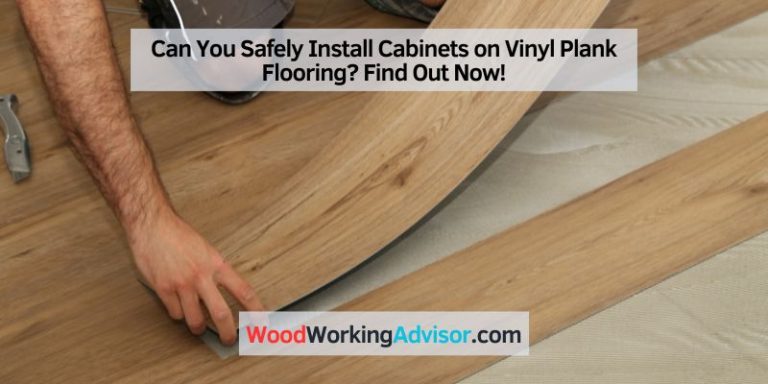
- If your chosen underlayment has no integrated vapor barrier (Tier 3 in our table), roll out a separate 6-mil polyethylene sheet first, overlapping seams by at least 6 in. and taping them.
- Roll out the underlayment, trimming to fit the room and butting or overlapping seams exactly as that product’s instructions specify.
- Tape or seal all seams so the moisture barrier layer stays continuous — a gap at a seam defeats the purpose of the barrier.
- Trim underlayment at the walls; most vinyl plank flooring needs a 1/4-3/8 in. expansion gap at the perimeter that the underlayment shouldn’t block.
- Install the vinyl plank flooring on top per its own manufacturer instructions.
A sharp vinyl plank flooring cutter makes trimming both the underlayment and the planks around doorways and edges far cleaner than a utility knife alone; if you’re still deciding how you’ll make those cuts, our guide on cutting vinyl plank flooring covers the tool options in more depth.
Frequently Asked Questions About Underlayment for Vinyl Plank Flooring on Concrete
What is the importance of underlayment for vinyl plank flooring on concrete?
Underlayment provides cushioning, sound reduction, and — critically on concrete — a moisture buffer between the slab and the flooring. Concrete slabs continuously release water vapor, and vinyl plank traps whatever moisture gets through, so the underlayment’s moisture handling matters as much as its cushioning.
Do I need a vapor barrier underlayment for vinyl plank flooring on concrete?
In almost every case, yes. Three of the seven products in our comparison (STEICO wood fiber, QEP cork, Marvel Mute rubber) have no integrated vapor barrier at all and need a separate 6-mil polyethylene sheet under them on concrete. Only skip the vapor barrier if your flooring manufacturer explicitly says it’s not required for your specific slab and product combination.
Can I use foam underlayment on concrete, or do I need something with a built-in moisture barrier?
Plain foam without an integrated film or barrier is not enough on concrete. Look for foam products that specifically state a moisture barrier or overlap film built in (like ROBERTS Black Jack’s closed-cell structure with adhesive overlap), or pair any foam with a separate poly sheet first.
How do I prepare the concrete subfloor before installing underlayment?
Clean the surface thoroughly, test for moisture with a calcium chloride or RH test, repair cracks wider than about 1/8 in., and level any high spots. Underlayment is not a substitute for proper subfloor prep — it smooths minor texture, not real flatness or moisture problems.
Is thicker underlayment always better for vinyl plank flooring on concrete?
No. Many vinyl plank manufacturers cap the maximum underlayment thickness their warranty covers, often around 2mm for click-lock products, because too much cushion lets the planks flex more than their locking joints are built for. Check your specific flooring’s installation guide before buying based on thickness alone.
What’s the difference between a vapor-open and a vapor-barrier underlayment?
A vapor-barrier product (like QuietWalk LV’s integrated 6-mil film) is designed to block moisture from passing through. A vapor-open product (like STEICO’s wood fiber, with a published Sd value of 5) is designed to let moisture and air pass through and breathe — useful over a wood subfloor, but the wrong choice alone on a concrete slab, where you generally want moisture blocked, not allowed to migrate upward.
How much does underlayment for vinyl plank flooring cost per square foot?
Across the seven products we compared, cost ranged from $0.34/sq ft (ROBERTS Black Jack foam) to $1.83/sq ft (Marvel Mute recycled rubber) — more than a 5x spread. Material type drives most of the difference: foam and felt underlayments are consistently cheaper per sq ft than cork, rubber, or wood fiber.
Final Thoughts
DRICORE CertiGuard is our #1 overall pick because its air-gap design manages concrete moisture without depending on a perm-rated film that might or might not actually be published. But the single most useful fact from this whole comparison is the one most reviews skip: three of these seven underlayments — covering three different materials (wood fiber, cork, rubber) — have no moisture barrier of their own, and installing any of them alone on a concrete slab means skipping a step your flooring probably needs.
Check your own flooring manufacturer’s installation requirements, test your slab for moisture before you buy anything, and use the Moisture Barrier Tier column in our table above to know exactly what you’re getting — and what you’re not — before it’s under your floor. Once the floor is down, stick to cleaning tools rated for vinyl plank — see our picks for the best cordless vacuum for vinyl plank floors so the cleaning routine does not undo the moisture protection you just installed.