Sliding Miter Saw Vs Miter Saw: Ultimate Comparison Guide
Imagine you’re standing in your workshop, ready to tackle your next big project. You have a blueprint in mind, materials at hand, and the skills to create something remarkable.
But there’s one thing holding you back: deciding between a sliding miter saw and a standard miter saw. This choice can make all the difference in your woodworking experience, efficiency, and the quality of your finished product. You might be wondering, “Which saw is right for my needs?
” You’re not alone. Many DIY enthusiasts and seasoned woodworkers face this dilemma. Choosing the perfect saw is crucial, and understanding the differences can help you make an informed decision. We’ll break down the features, benefits, and limitations of both types of saws. By the end, you’ll know exactly which one will help you create your masterpiece with ease and precision. Ready to uncover the secrets of these essential tools? Let’s dive in, and soon you’ll be equipped with the knowledge to elevate your woodworking game.
Credit: www.familyhandyman.com
Types Of Miter Saws
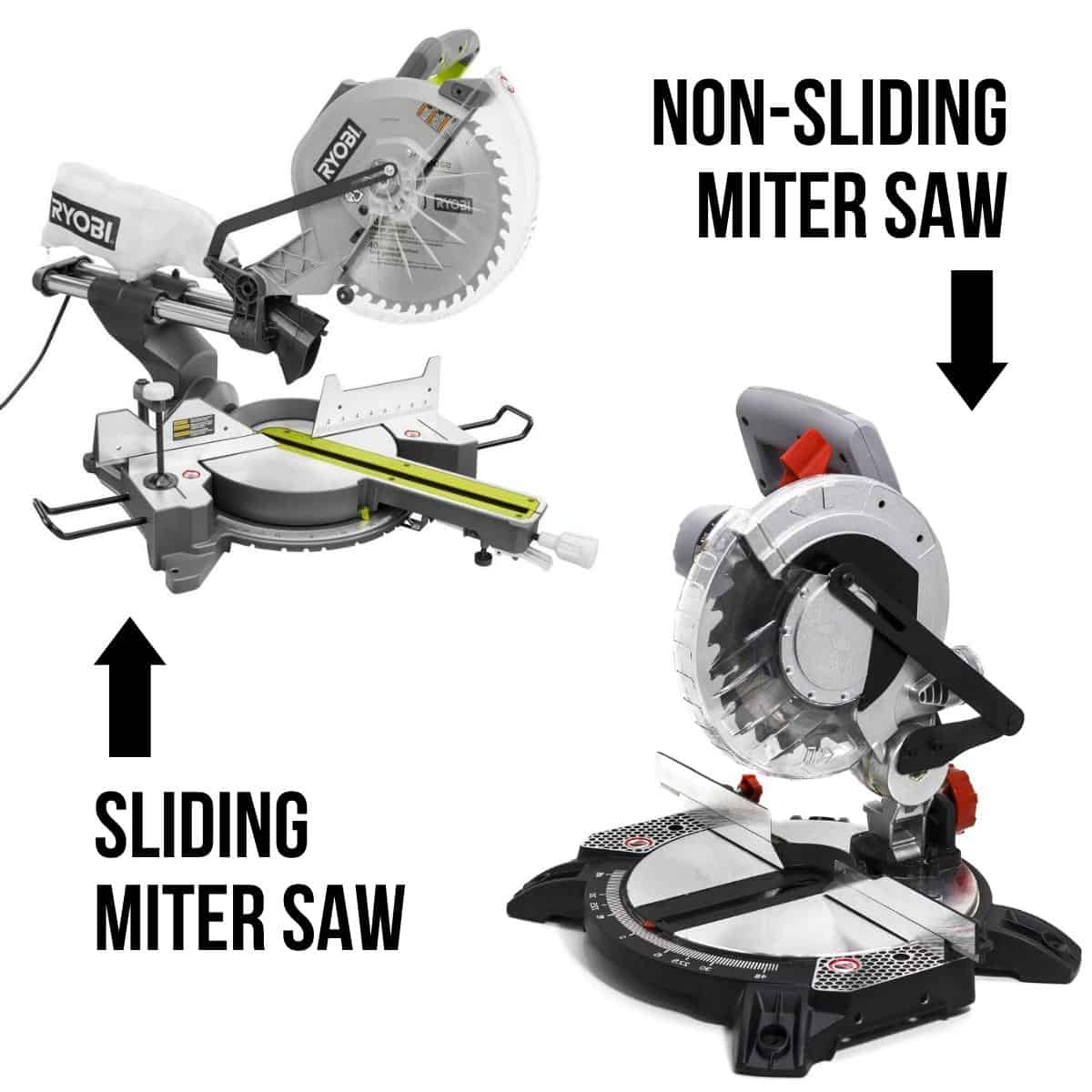
A standard miter saw is very simple. It cuts wood at angles. This saw is best for simple cuts. Straight cuts and angled cuts are easy with it. The saw moves up and down. It does not slide. You can use it for small pieces of wood. It is great for picture frames. Many people use it for molding. This saw is easy to carry. It is not too heavy. You can learn to use it fast.
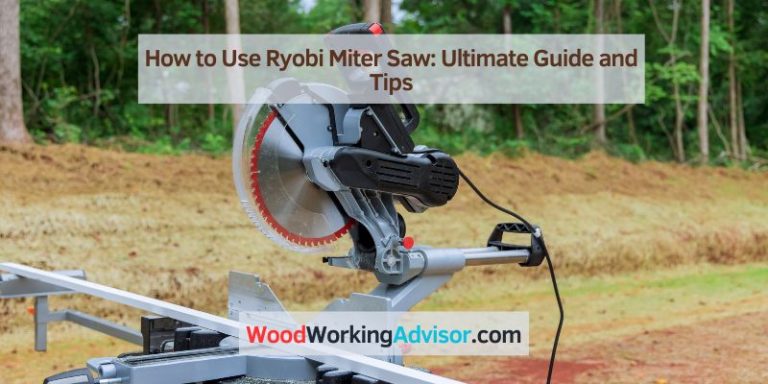
The sliding miter saw can do more. It has a rail system. This lets the blade slide back and forth. Wider boards can be cut with it. You can use it for long pieces of wood. This saw is good for big projects. It is a bit heavier. It takes more space. You may need help to move it. It is great for woodworking and construction.

Credit: www.youtube.com
Design And Features
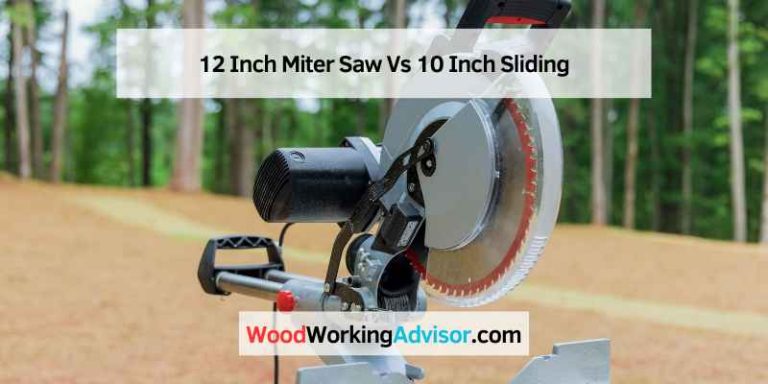
Both saws have different blade sizes. Miter saws usually come with a 10-inch or 12-inch blade. These blades are suitable for most wood cutting tasks. Sliding miter saws often have larger blades. This allows for a wider cut. The type of blade matters too. Some blades are for fine cuts. Others are for rough cuts. Choosing the right blade makes your work easier.
Sliding miter saws have a unique mechanism. The blade can move forward and backward. This helps cut larger pieces of wood. Regular miter saws do not have this feature. They are limited to the size of the blade. The sliding mechanism adds versatility to the saw.
Cutting capacity is crucial. Sliding miter saws have more cutting capacity. They can cut wider boards. Regular miter saws have a fixed cutting capacity. They are best for smaller boards. Understanding your needs helps choose the right saw.
Performance And Precision
Accuracy in Cuts is crucial for any saw. A sliding miter saw often delivers cleaner cuts. Its sliding feature allows for longer cuts. This is useful for bigger pieces. Regular miter saws are great for smaller tasks. They offer solid precision too. Both saws aim for straight and perfect lines.
Versatility in Angles is where sliding miter saws shine. They can tilt and slide. This makes them versatile for tricky angles. Regular miter saws pivot well too. They handle basic angles with ease. Both saws adjust for different tasks. Changing angles is simple and fast.
Speed and Efficiency are key for quick jobs. Sliding miter saws cut faster. Their ability to slide saves time. Regular miter saws are speedy for small cuts. They are efficient in simple projects. Both saws aim to complete tasks swiftly. Saving time is their mission.
Applications And Uses
Both saws are great for woodworking projects. They help in making precise cuts.
This is important for making furniture. A miter saw cuts at different angles.
A sliding miter saw cuts wider pieces. Choose the saw based on your project needs.
Cutting complex angles can be tricky. Miter saws make this task easier.
They can cut at different angles, like 45 degrees. This is useful for frames and moldings.
A sliding miter saw can cut longer angles. This is helpful for larger projects.
Large boards need special tools. A sliding miter saw is perfect.
It can slide forward and backward. This makes cutting large wood pieces simple.
Regular miter saws can’t do this. Use them for smaller boards.
Pros And Cons
The sliding miter saw cuts wide boards easily. It offers greater versatility for angled cuts. Smooth sliding action ensures precise cuts. Time-efficient for large projects. Enhances work quality with its flexibility. Ideal for complex woodworking tasks. Reduces the need for manual adjustments. Highly recommended for professional woodworkers.
Sliding miter saws are usually heavier. Hard to move due to weight. Takes up more space in workshops. Higher cost than standard miter saws. Maintenance can be more frequent. Complex mechanisms might need regular checks. Not suitable for small projects. Limited portability due to design.
Standard miter saws are light and easy to move. Perfect for small projects. Simple design requires less maintenance. Affordable compared to sliding miter saws. Compact size saves space. Easy to use for beginners. Suitable for basic cuts. Reliable for everyday tasks.
Standard miter saws can’t cut wide boards easily. Limited flexibility for angled cuts. Less efficient for large projects. Requires manual adjustments for precision. Not ideal for complex woodworking. Time-consuming for detailed work. May struggle with hard materials. Limited versatility compared to sliding versions.
Cost Considerations
Sliding miter saws often cost more than regular miter saws. Prices for sliding saws can range from $200 to $700. Regular miter saws usually fall between $100 and $500. This difference is due to extra features on sliding saws.
Sliding miter saws offer more cutting flexibility. They handle wider materials easily. Regular miter saws are simpler and often cheaper. Good for basic tasks. Choose based on what you need most. Budget-friendly or advanced features? Both saws have their own value.
Choosing The Right Saw
Budget is key when picking a saw. Sliding miter saws cost more. They offer more features. Regular miter saws are affordable. They suit simple tasks. Think about how much you can spend. Get the best saw for your money.
Project needs guide your choice. Sliding miter saws cut wider boards. They handle big tasks well. Regular miter saws are fine for smaller jobs. Know your project needs. Choose a saw that fits them. Don’t pick a saw that’s too much or too little.
Space matters in tool choice. Sliding miter saws need more room. They slide back and forth. Regular miter saws take less space. They are compact. Check your workspace. Make sure it fits your tool. A good fit makes work easier.
Maintenance Tips
Keep saws clean for better performance. Remove dust and debris after each use. This ensures a smooth cut every time. Lubricate moving parts regularly. Use the right type of oil. This keeps the saw running smoothly. Avoid using too much oil. It can attract more dust. A clean saw is a happy saw.
Check blades often for wear and tear. A dull blade can be dangerous. Replace blades when they get dull. Always use the correct blade for your saw. Follow the manual for blade replacement. This keeps the saw safe and effective. A sharp blade means a smooth cut.
Always wear safety goggles when using the saw. Protect your eyes from flying debris. Keep fingers away from the blade. Use a push stick if needed. Ensure the saw is unplugged when not in use. Never leave the saw unattended. Secure the workpiece before cutting.
Frequently Asked Questions
Which Is Better, A Miter Saw Or A Sliding Miter Saw?
A miter saw is ideal for simple, straight cuts. A sliding miter saw offers more flexibility for wider boards. Choose a standard miter saw for smaller projects, while a sliding miter saw is better for larger, more complex tasks. Consider your project needs to decide which tool suits you best.
What Is The Advantage Of A Sliding Mitre Saw?
A sliding mitre saw offers extended cutting capacity, enabling precise cuts on larger materials. It enhances versatility by allowing crosscuts and angled cuts. The sliding feature increases efficiency, saving time on complex projects. Ideal for woodworking, it provides accuracy and ease in cutting wide boards and thick pieces.
When Would You Need A Sliding Miter Saw?
You need a sliding miter saw for cutting wide materials like large boards or panels. It offers precision and versatility for angled cuts. Ideal for woodworking projects requiring complex cuts, it enhances efficiency and accuracy. Perfect for professionals and DIY enthusiasts tackling detailed carpentry tasks.
Can A 10-inch Sliding Miter Saw Cut A 2×8?
Yes, a 10-inch sliding miter saw can cut a 2×8. The sliding feature extends the cutting capacity, allowing it to handle wider boards like a 2×8. Always ensure proper safety measures while cutting.
Conclusion
Choosing between a sliding miter saw and a miter saw depends on your needs. Sliding miter saws offer more flexibility for larger pieces. They are great for wider cuts. Miter saws are simpler but effective for smaller projects. They are easier to use and often cost less.
Think about your project’s size and budget. Both saws have unique benefits. Consider storage space too. Sliding saws need more room. Your choice will affect your woodworking efficiency. Make sure to align your selection with your projects. Choose wisely for best results.