Single vs Dual Bevel Miter Saw: Key Differences Explained
A single bevel miter saw tilts in one direction only and is best for straightforward cuts at a lower price point, while a dual bevel miter saw tilts both left and right — eliminating the need to flip your workpiece for opposite bevel cuts. The core difference comes down to efficiency: dual bevel saws save time on complex jobs like crown molding, while single bevel saws handle most hobby and home improvement tasks at a lower cost. This guide breaks down every meaningful difference so you can choose the right saw for your work.
Quick Answer
A single bevel miter saw tilts in one direction; a dual bevel tilts both ways. Both make the same cuts — but dual bevel is faster for crown molding and trim work because you never flip the workpiece. Choose single bevel for budget and portability; choose dual bevel for efficiency on complex projects.
Understanding Miter Saws
Miter saws are a valuable tool for woodworking and carpentry, allowing for precise and angled cuts. Whether you are a professional or a DIY enthusiast, understanding the different types of miter saws available can help you choose the best tool for your specific needs. One important consideration to make is whether to opt for a single bevel miter saw or a dual bevel miter saw — blade size (typically 10″ or 12″) is another major factor that affects cutting capacity and cost; see our 10-inch vs 12-inch miter saw comparison for the full breakdown. Each type has its own advantages and limitations that can impact the efficiency and accuracy of your cutting tasks. Let’s delve into the key elements of miter saws to gain a better understanding of their capabilities.
Definition And Purpose Of Miter Saws
A miter saw is a specialized tool used to make precise angled cuts in wood and other materials. Its primary purpose is to facilitate the cutting of moldings, trim, and other pieces that require accurate and consistent angles for installation and assembly. The miter saw’s ability to pivot and angle the blade allows users to create bevel cuts and quickly adjust the cutting angle to match their project requirements.
Key Components Of A Miter Saw
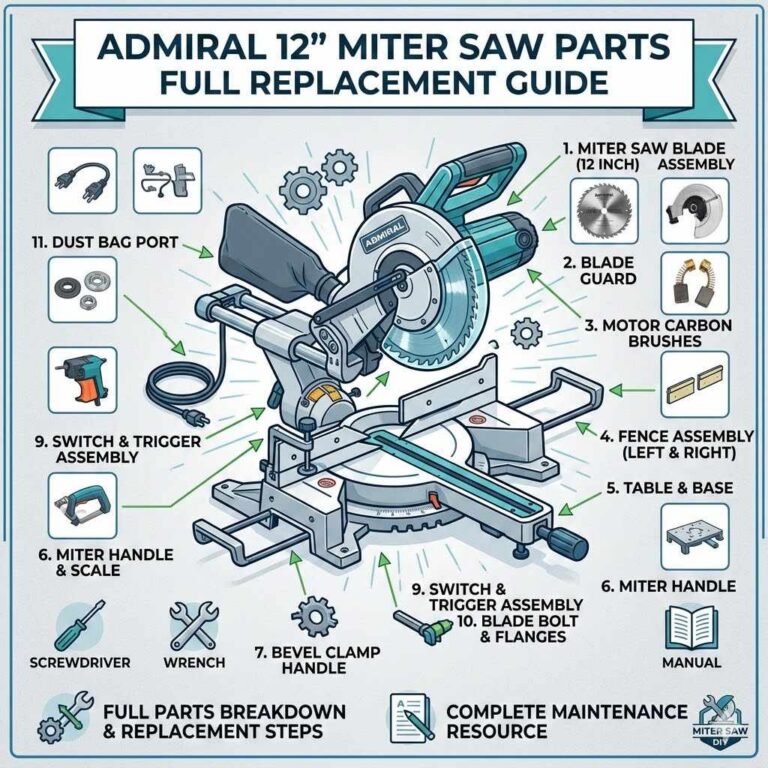
The key components of a miter saw include:
- Blade: The circular saw blade designed for making precise cuts in a variety of materials.
- Fence: The barrier that holds the workpiece securely in place during the cutting process.
- Miter Scale: A gauge that allows users to set the desired cutting angle for accurate miter cuts.
- Bevel Scale: A scale that enables users to adjust the angle of the blade for bevel cuts.
- Handle: The part of the miter saw that allows the user to lower and raise the blade for cutting.
- Dust Collection System: Some miter saws are equipped with a dust collection system to minimize debris and improve visibility during cutting tasks.
Features And Benefits
In the world of woodworking, the choice between a single bevel miter saw and a dual bevel miter saw can be a crucial decision. Understanding their features and benefits is essential to make an informed choice that will best fit your needs. Let’s explore the features and benefits of each type to help you decide which miter saw is right for you.
Single Bevel Miter Saw Features
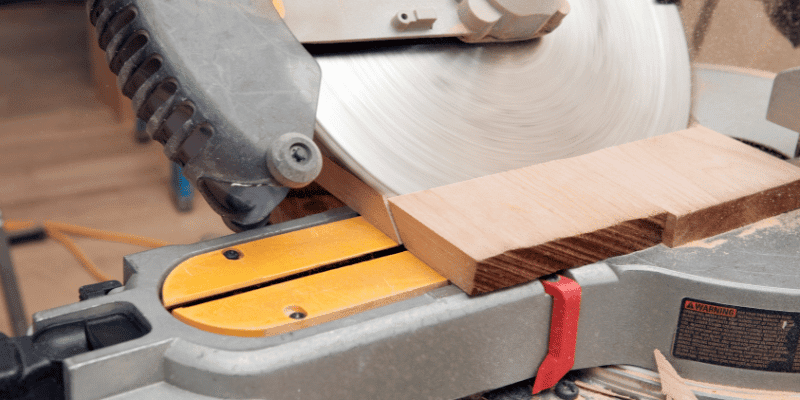
A single bevel miter saw is equipped with a blade that can tilt to one side or the other for bevel cutting. It allows the user to make bevel cuts in one direction only, usually to the left. The saw can make angled cuts in one pass without requiring the workpiece to be flipped over.
Dual Bevel Miter Saw Features
Unlike the single bevel miter saw, a dual bevel miter saw offers the ability to tilt the blade to both the left and right, making it versatile for cutting bevels in either direction without having to flip the workpiece. This feature can save time and reduce errors, especially when working with complex cuts that require beveling in different directions.
Benefits Of Single Bevel Miter Saw
- Affordability: Single bevel miter saws are generally more affordable than their dual bevel counterparts, making them a cost-effective option for those on a budget.
- Simplicity: With fewer moving parts and adjustments, single bevel saws are typically easier to use and maintain, making them suitable for beginners or hobbyists.
- Lightweight and Portable: Single bevel saws are often lighter and more portable, allowing for easier maneuverability and transportation to job sites.
- Precision: Despite being simpler in design, single bevel miter saws can still deliver precise cuts for many woodworking projects.
Benefits Of Dual Bevel Miter Saw
- Versatility: The ability to tilt the blade in both directions enhances the versatility of the saw, making it suitable for various complex cutting tasks.
- Efficiency: Dual bevel saws can save time and effort by eliminating the need to flip the workpiece for bevel cuts in the opposite direction, resulting in smoother workflow and increased productivity.
- Accuracy: The dual bevel feature reduces the risk of errors and inconsistencies, contributing to precise and high-quality cuts.
- Professional Use: The advanced capabilities of a dual bevel miter saw make it a preferred choice for professional woodworkers and those handling more intricate projects.
Performance And Versatility
When it comes to woodworking, the choice between a single bevel miter saw and a dual bevel miter saw can greatly impact the performance and versatility of your projects. Understanding the cutting capacity, accuracy, and versatility of these two types of miter saws can help you make an informed decision based on your specific needs.
Cutting Capacity And Accuracy Of Single Bevel Miter Saw
A single bevel miter saw is designed to make angled cuts in one direction, either to the left or right. It has a fixed cutting capacity and can be adjusted to make precise bevel cuts. The single bevel miter saw offers good accuracy for basic cutting tasks and is suitable for simple angled cuts.
Cutting Capacity And Accuracy Of Dual Bevel Miter Saw
A dual bevel miter saw, on the other hand, provides the flexibility to make bevel cuts in both left and right directions without flipping the workpiece. This feature allows for increased cutting capacity and higher accuracy when working with complex angles and bevels. The dual bevel miter saw is ideal for projects that require precise and consistent angled cuts in multiple directions.
Versatility In Angles And Cuts
Both types of miter saws offer versatility in angles and cuts, but the dual bevel miter saw provides an added advantage by allowing users to seamlessly switch between different bevel angles without adjusting the workpiece. This versatility is beneficial for tasks that demand a high level of precision, such as crown molding and furniture making where intricate angles are common.
Practical Considerations
When choosing between a single and dual bevel miter saw, there are practical considerations that can impact your decision. Understanding the cost and budget-friendliness, workspace and portability, as well as maintenance and durability can help you make an informed choice.
Cost And Budget-friendliness
Cost is often a deciding factor when considering a miter saw. Single bevel miter saws tend to be more budget-friendly compared to their dual bevel counterparts. They are a great choice for DIY enthusiasts or occasional home improvement projects. On the other hand, dual bevel miter saws generally come at a higher price point due to their added versatility and convenience. Consider your budget and the frequency of use when making your selection.
Workspace And Portability
Workspace and portability are important factors to consider when choosing a miter saw. Single bevel miter saws are often more compact and lightweight, making them ideal for smaller workspaces and jobsites with limited room. On the other hand, dual bevel miter saws may require more space due to their larger capacity and swiveling features. If portability is a priority, then a single bevel miter saw may be the more practical choice.
Maintenance And Durability
When it comes to maintenance and durability, both single and dual bevel miter saws require regular care to ensure optimal performance. However, dual bevel miter saws with their more complex mechanisms may require additional maintenance over time. Consider the durability of the materials used in the construction of the saw. Look for high-quality materials such as aluminum or steel for long-lasting performance.
Making The Choice
Deciding between a single bevel miter saw and a dual bevel miter saw can be a challenging task, especially for woodworking enthusiasts seeking precise and efficient cutting solutions. To make an informed decision, it’s essential to consider the factors that influence the choice and understand the best applications for each type of miter saw.
Factors Influencing The Choice
- Precision and efficiency requirements
- Budget constraints
- Available workspace
- Level of user experience and comfort with adjusting miter and bevel angles
- Frequency of using bevel cuts
Best Applications For Single Bevel Miter Saw
A single bevel miter saw is ideal for tasks that involve cutting bevels in one direction, making it suitable for projects such as interior trim work, crown molding, and standard crosscuts and miter cuts.
Best Applications For Dual Bevel Miter Saw
The dual bevel miter saw, with its ability to tilt in both directions, is well-suited for intricate projects requiring bevel cuts on both sides of the workpiece, such as creating complex furniture joints, frame molding, and exterior trim work. Once you’ve picked a saw, see our guide to mastering bevel cuts for step-by-step technique on getting clean angles with either type.
| Feature | Single Bevel | Dual Bevel |
|---|---|---|
| Bevel direction | One way (left or right) | Both left and right |
| Flip workpiece for opposite cut? | Yes | No |
| Price | Lower | Higher |
| Weight / portability | Lighter | Heavier |
| Best for crown molding | Possible (extra steps) | ✅ Yes — faster |
| Same cut capability | ✅ Yes | ✅ Yes |
| Best for | Beginners, DIY, budget | Pros, high-volume trim work |
Top Pick
Dual Bevel Compound Miter Saws on Amazon
Ready to upgrade to a dual bevel miter saw? Browse top-rated dual bevel compound miter saws — ideal for crown molding, trim work, and any project requiring repeated opposite-direction bevel cuts.
Is a Compound Miter Saw the Same as a Single Bevel Miter Saw?
Yes — a compound miter saw and a single bevel miter saw are the same tool. “Compound” refers to the saw’s ability to make both a miter cut (horizontal angle) and a bevel cut (vertical tilt) simultaneously. A standard compound miter saw tilts in one direction, making it a single bevel saw. A dual bevel compound miter saw adds the ability to tilt in both directions. So when someone asks about a “compound miter saw single bevel vs double bevel,” they are comparing a standard compound saw against a dual bevel compound saw — the bevel direction is the only meaningful difference.
Frequently Asked Questions On Single Vs Dual Bevel Miter Saw
What Is The Difference Between A Single And Dual Bevel Miter Saw?
A single bevel miter saw can only tilt in one direction, while a dual bevel saw can tilt in both directions, making it more versatile for creating beveled cuts.
How Does The Bevel Range Affect The Performance Of A Miter Saw?
The bevel range determines the angle at which the saw can make cuts. A wider bevel range provides more flexibility for making various types of cuts, while a limited range may restrict the types of projects you can undertake.
Can A Single Bevel Miter Saw Perform All The Cuts That A Dual Bevel Saw Can?
While a single bevel saw can perform most cuts, it requires flipping the workpiece to achieve beveled cuts in the opposite direction. A dual bevel saw eliminates this need, making it more efficient for certain projects.
In What Scenarios Should Someone Choose A Single Bevel Miter Saw Over A Dual Bevel One?
A single bevel saw is a suitable choice for those who primarily require cuts in one bevel direction and want a more budget-friendly option. It can be a practical choice for hobbyists and those with basic woodworking needs.
What Is a Dual Bevel Miter Saw?
A dual bevel miter saw is a compound miter saw whose blade can tilt both to the left and to the right. This allows you to make bevel cuts on both sides of a workpiece without flipping it over. Dual bevel miter saws are also called double bevel miter saws. They are particularly useful for cutting crown molding, angled trim, and any project requiring repeated bevel cuts in opposite directions — saving significant setup time on larger jobs. We compare dual-bevel and single-bevel options directly in our compact compound miter saw comparison, including which ones are worth the dual-bevel premium.
Is a Single Bevel Miter Saw Good for Molding and Baseboards?
Yes, a single bevel miter saw can handle baseboards and most molding work. For baseboards, you typically make inside and outside corner cuts at 45°, which a single bevel saw handles easily. For crown molding, it requires more setup — you need to flip the workpiece to cut opposite bevels — but the results are identical to a dual bevel saw. If you only do occasional molding work, a single bevel saw is sufficient. If you install crown molding frequently or at high volume, a dual bevel saw pays for itself in time savings.
Conclusion
In deciding between a single-vs-dual bevel miter saw, it’s essential to consider your specific needs. Single bevel saws are efficient for most home projects, while dual bevel saws offer increased flexibility and precision. Ultimately, the choice depends on the nature and scale of your woodworking tasks.
Keep in mind, both options are valuable assets to any workshop.