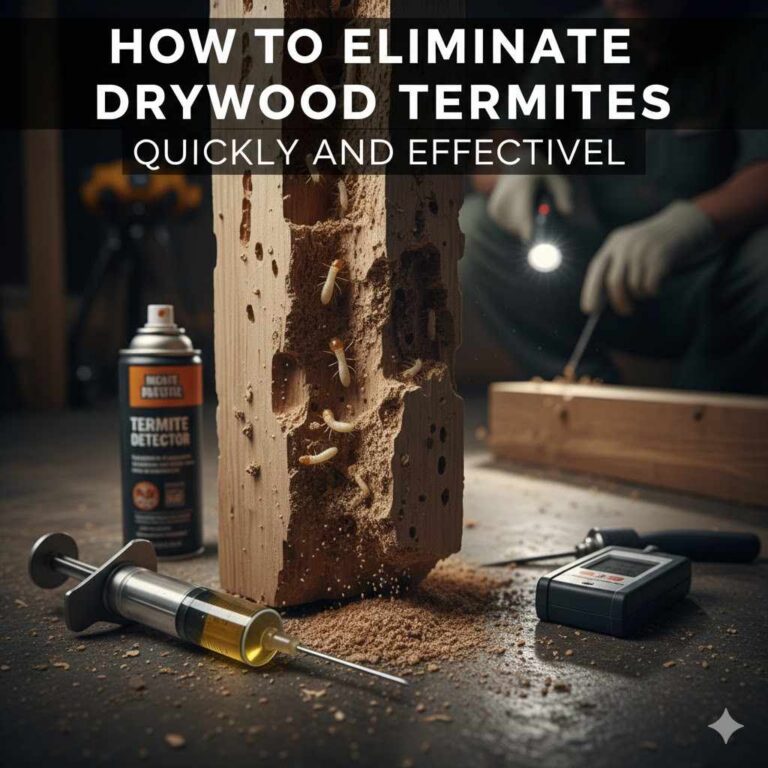
Signs of Termites: How to Detect and Prevent Infestations
Termites can cause serious damage to your home. Spotting them early is crucial.
Understanding the signs of termites can save you from costly repairs. These tiny pests can silently eat away at your property, often going unnoticed until significant damage has been done. Termites are more than just a nuisance. They can weaken the structure of your home, leading to safety issues.
Knowing the signs of termites helps you take action before it’s too late. In this post, we will explore common indicators that termites may be present in your home. By learning these signs, you can protect your property and avoid major headaches down the line. Stay with us to uncover the clues that termites leave behind.
Common Termite Species
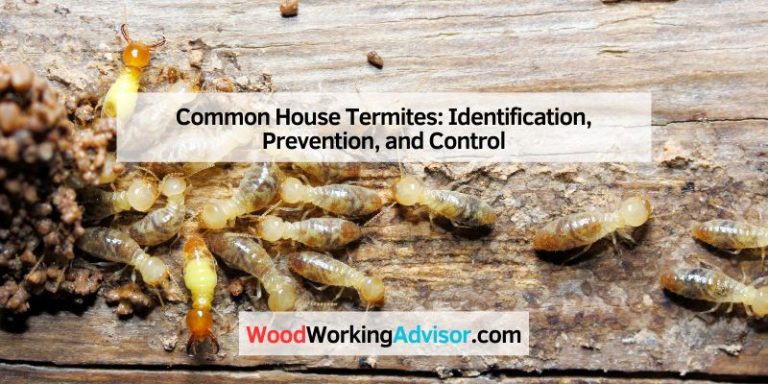
Termites are a common pest that can cause significant damage to homes. Identifying the different species is key to effective control. The three main types of termites are Subterranean Termites, Drywood Termites, and Dampwood Termites. Each type has unique characteristics and behaviors.
Subterranean Termites
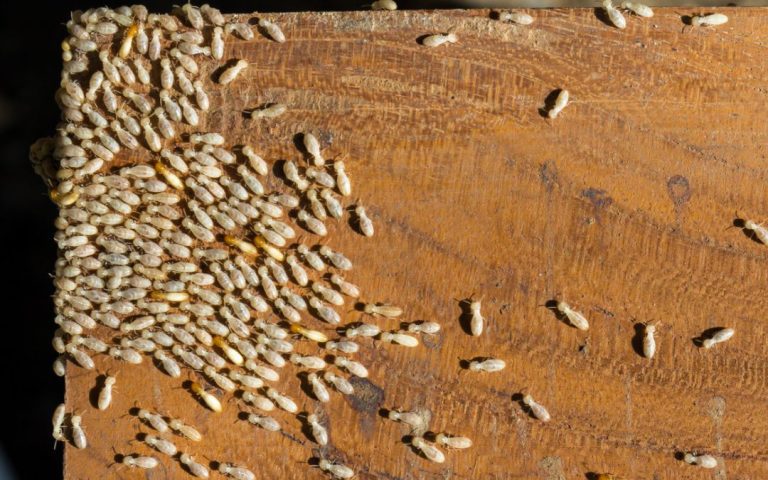
Subterranean termites are the most destructive type. They live in the soil and build mud tubes to access food. These termites need moisture to survive. They often infest wood that is in contact with the soil. Signs of their presence include mud tubes and damaged wood that sounds hollow.
Drywood Termites
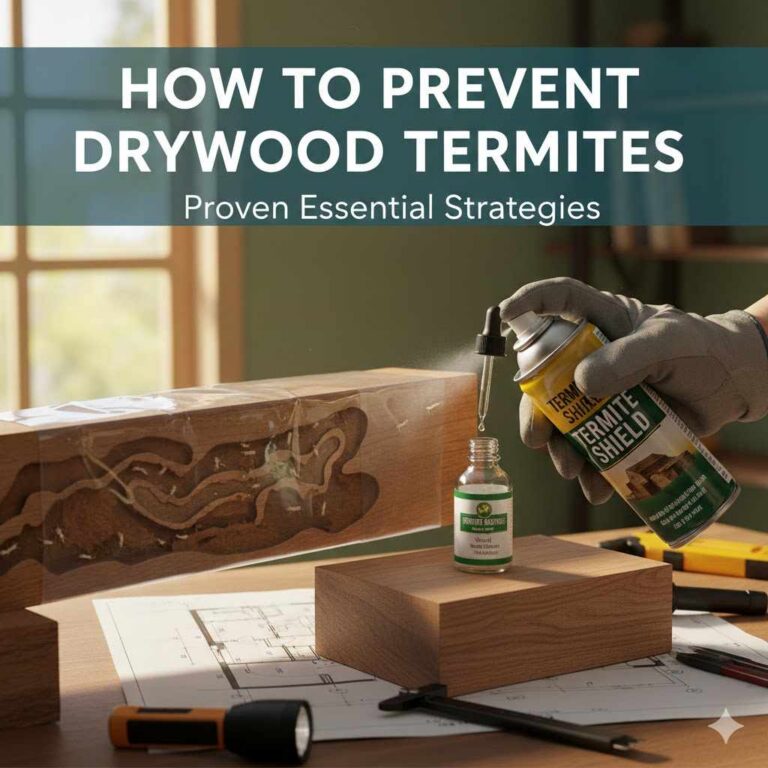
Drywood termites do not need soil contact to survive. They live inside dry wood and are often found in furniture and framing. These termites create small, dry pellets of feces. You may find these pellets near infested wood. They also cause wood to sound hollow and may create small holes in the surface.
Dampwood Termites
Dampwood termites prefer wood with high moisture content. They are often found in decaying wood, stumps, and logs. These termites do not create mud tubes. Infested wood may appear darkened or damp. Dampwood termites are larger than other species. Look for large wings and bodies when identifying them.
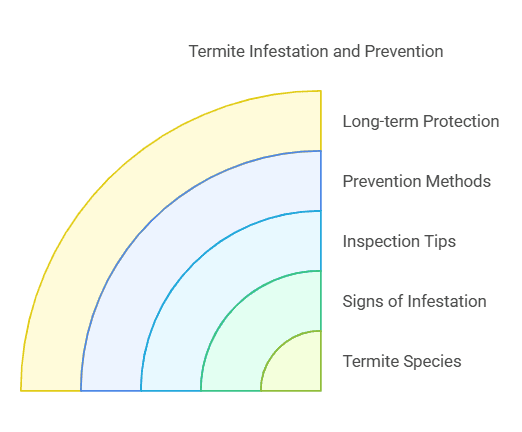
Early Warning Signs
Termites can cause significant damage to your home. Early detection is key to preventing costly repairs. Recognizing the early warning signs can save you time and money.
Mud Tubes
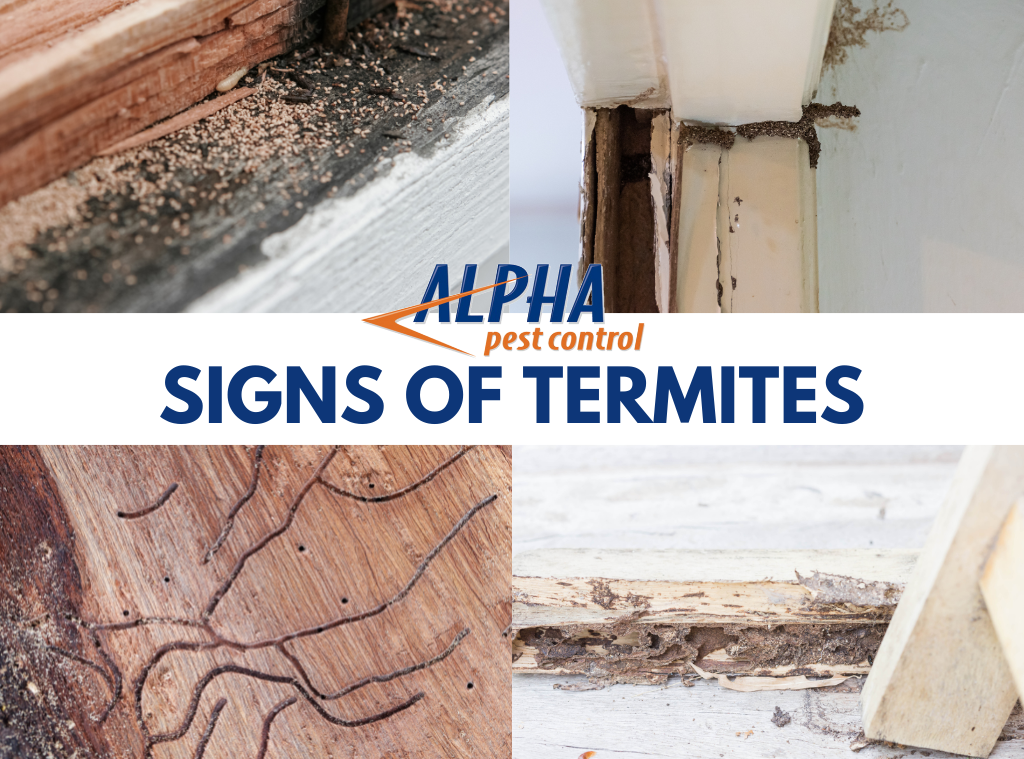
One of the most common signs of termites is mud tubes. These are small tunnels that termites build to travel between their nest and food source. Mud tubes often appear on walls, ceilings, and foundations. They protect termites from predators and keep them moist. If you see mud tubes in or around your home, it’s a strong indication of termite activity.
Discarded Wings
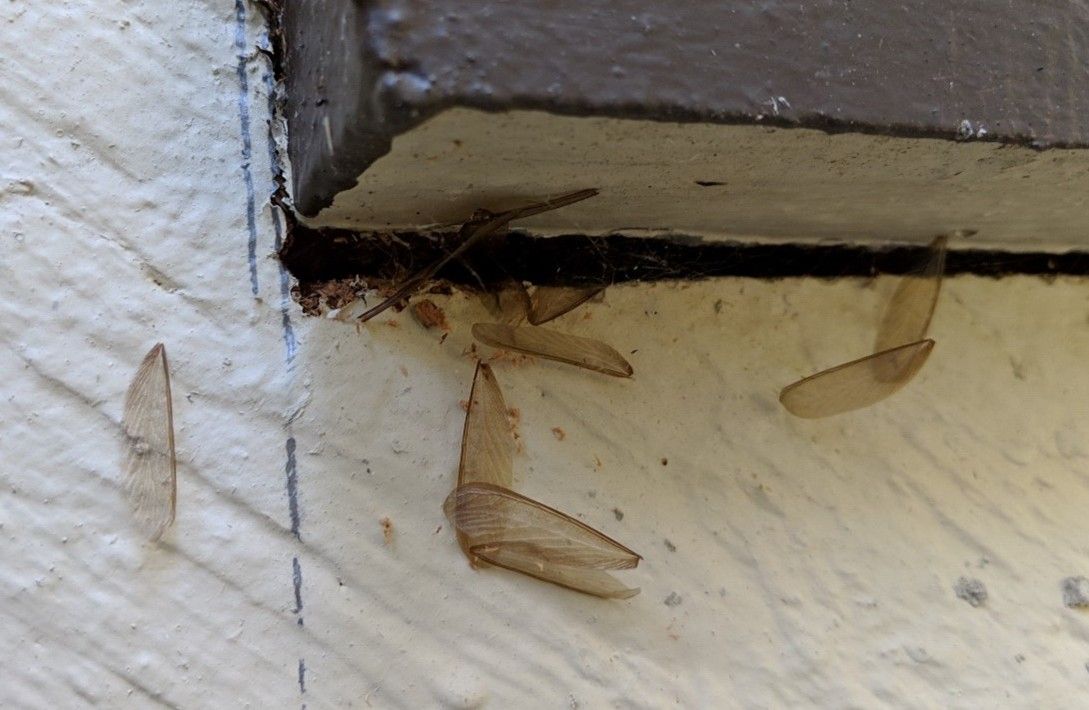
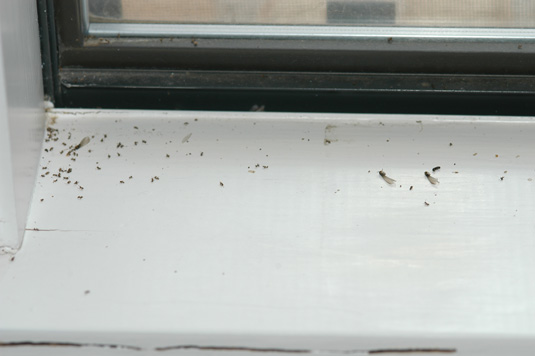
Termite swarms shed their wings after mating. Finding discarded wings around windowsills or doors is a clear sign. These wings are usually the size of a small ant. They are translucent and can be mistaken for other insects. If you notice piles of wings, it means termites have entered your home and are establishing a colony.
Frass
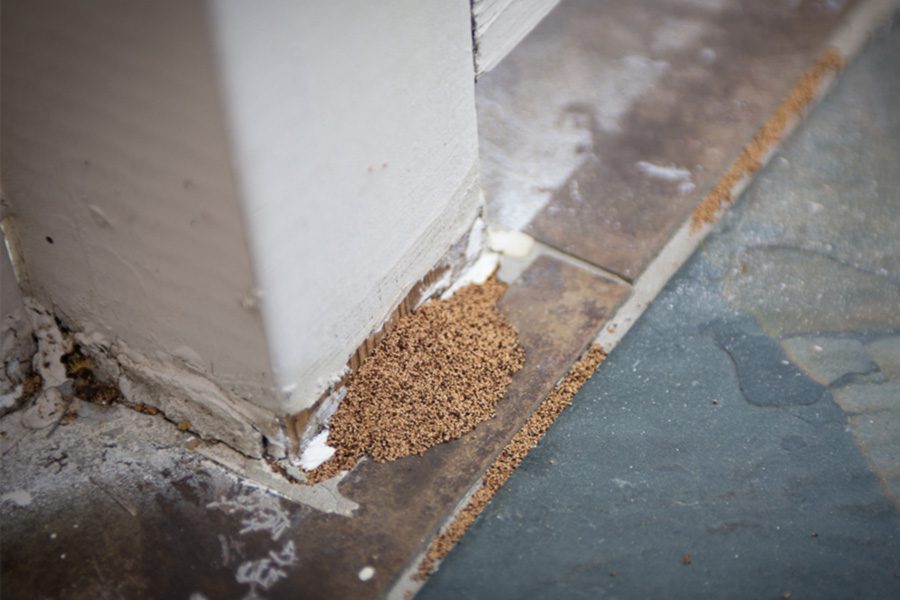
Frass, or termite droppings, is another early warning sign. Drywood termites push frass out of their tunnels, leaving small piles of what looks like sawdust. These droppings are often found near wooden structures or furniture. If you spot frass, termites are likely infesting the wood in your home.
Damage Indicators
Hey there! Today, let’s talk about something really important – damage indicators that show you might have termites. These little pests can cause a lot of trouble if you don’t catch them early. So, it’s crucial to know what to look for. Ready? Let’s dive in!
Hollow Wood
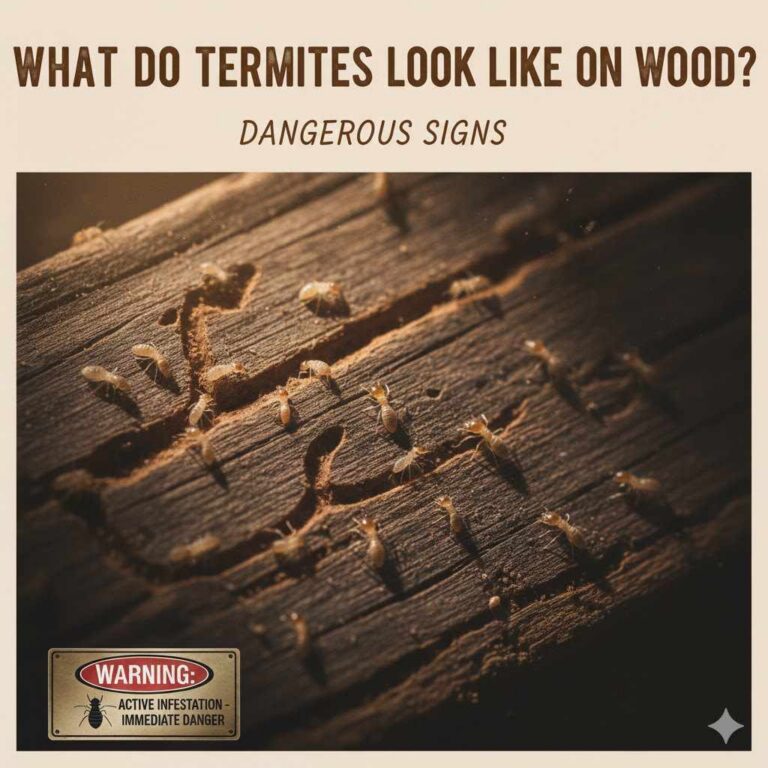
One of the first signs you might notice is hollow wood. When termites feast on wood, they eat it from the inside out. This means the wood looks okay on the outside, but it’s empty on the inside. Imagine biting into an apple and finding it’s all mushy inside. Yuck, right? Here’s how you can check for hollow wood:
- Tap on the wood with a screwdriver or a hammer.
- If it sounds hollow, you might have a problem.
- Check areas like beams, floors, and walls.
It’s a simple test. And it’s better to find out sooner than later.
Blistering Paint
Next up is blistering paint. This happens when termites create tunnels just below the surface of the wood. The paint starts to bubble or peel because the wood underneath is damaged. Think of it like a bubble forming under your skin. Ouch! Here’s what to look for:
- Blisters or bubbles on painted surfaces.
- Peeling paint that wasn’t caused by moisture.
- Any unusual paint patterns on your walls or ceilings.
If you see these signs, it’s a good idea to investigate further.
Sagging Floors
Lastly, let’s talk about sagging floors. Termites can chew through floor supports, causing the floors to bend or sag. It’s like stepping on a trampoline that’s lost its bounce. Not fun. Here’s how you can tell if your floors are sagging:
- Walk around your home and feel for soft or spongy spots.
- Check if furniture is suddenly uneven.
- Look for gaps between the floor and the walls.
If your floors feel like they’re giving way, it’s time to call a professional.
So, there you have it! Knowing these damage indicators can help you catch termites before they cause too much harm. Keep an eye out and protect your home. If you have any questions or need more tips, feel free to reach out. Happy home protecting!
Credit: www.atcopestcontrol.com
Inspection Tips
Termites cause significant damage if not detected early. Regular inspections help catch these pests before they wreak havoc. Below are key areas you should inspect to spot signs of termites.
Check Basements And Crawl Spaces
Basements and crawl spaces are dark and damp. These conditions attract termites. Look for mud tubes along walls and beams. Tap wooden surfaces to check for hollow sounds. Use a flashlight for better visibility.
Examine Wooden Structures
Wooden structures are prime targets for termites. Inspect windowsills, doors, and wooden furniture. Look for small holes and sawdust piles. Check for wood that sounds hollow or feels soft. Pay attention to any bubbling or cracked paint.
Inspect Outdoor Areas
Outdoor areas are common termite entry points. Examine wood piles, fences, and decks. Check tree stumps and wooden landscaping features. Look for mud tubes and discarded wings. Maintain a clear area around the house foundation.
Prevention Methods
Termites leave behind small, wood-colored droppings and mud tubes. Damaged wood that sounds hollow is another sign. Keep an eye out for these clues to prevent an infestation.
Hey friends, dealing with termites can be a real headache. But the good news? There are ways to prevent these pesky critters from ever entering your home. Today, we’ll talk about some simple and effective methods to keep termites at bay. Let’s dive into it!
Reduce Moisture
Termites love moisture. It’s like a five-star hotel for them. So, reducing moisture around your home can make it less inviting for termites. Here are a few tips:
- Fix leaky pipes and faucets. Don’t let water accumulate.
- Ensure your gutters and downspouts are clear and directing water away from your home.
- Use a dehumidifier in damp areas like basements and crawl spaces.
I remember last summer, we had a small leak under our kitchen sink. It seemed harmless at first. But over time, it became a welcoming spot for termites. Fixing it was a game-changer!
Seal Cracks And Crevices
Termites can sneak into your home through the tiniest cracks. Sealing these entry points is crucial. Here’s how you can do it:
- Inspect your home’s foundation and walls for cracks.
- Use caulk or sealant to fill these gaps.
- Check around windows and doors too. Seal any gaps you find.
Think of it like this: If you leave your front door wide open, anyone can walk in, right? The same goes for termites. Seal those cracks and keep them out!
Remove Wood Debris
Termites feed on wood. So, having wood debris around your home is like setting up a buffet for them. Here are some ways to clear it out:
- Remove any old tree stumps or dead trees from your yard.
- Store firewood at least 20 feet away from your house.
- Keep mulch and wooden structures away from your foundation.
When we moved into our new home, we found an old tree stump in the backyard. Little did we know, it was a termite haven. Removing it made a huge difference.
So, there you have it! Simple, easy steps to prevent termites from invading your home. Remember, a little effort now can save you a lot of trouble down the road. Stay vigilant and keep those termites away!
Natural Remedies
Termites can cause severe damage to your home. Natural remedies provide a safer, eco-friendly way to tackle these pests. These treatments are less harmful to humans and pets. Let’s explore some effective natural solutions.
Orange Oil Treatment
Orange oil is extracted from orange peels. It contains a compound called d-limonene. This substance kills termites on contact. Apply orange oil directly to the infested areas. Repeat the application every few days for the best results.
Nematodes
Nematodes are microscopic worms. They are natural predators of termites. Release nematodes into the soil around your home. They will hunt down and kill termites. Nematodes are safe for plants and pets.
Boric Acid
Boric acid is a common termite killer. It disrupts the termites’ nervous systems. Mix boric acid with water. Spray the solution on wooden structures and infested areas. Repeat the treatment weekly to keep termites at bay.
Professional Help
Hey friends, today we’re diving into a topic that no homeowner wants to face: termites. These tiny pests can cause big problems. But the good news? You don’t have to face them alone. Sometimes, the best course of action is to call in the pros. Let’s explore when and how to get professional help for termite troubles.
When To Call An Exterminator
So, when should you pick up the phone and call an exterminator? Here are some signs that it might be time:
- Visible Damage: If you see damaged wood or small holes in your walls, it’s time to act.
- Droppings: Termite droppings look like tiny wood pellets. If you spot these, termites are likely nearby.
- Swarmers: Winged termites, or swarmers, are a clear sign of an infestation. They often appear around lights or windows.
Don’t wait too long. The quicker you act, the less damage there will be.
Choosing A Pest Control Service
Choosing the right pest control service can feel overwhelming. Here’s a simple guide to help you pick the best one:
- Research: Look for companies with good reviews and a strong reputation.
- Ask Questions: Make sure to ask about their experience with termites specifically.
- Get Estimates: Compare prices, but remember that the cheapest option isn’t always the best.
- Check for Guarantees: A good company will stand by their work with a guarantee.
Remember, you want someone who knows what they’re doing and will handle the problem effectively.
Understanding Treatment Options
Once you’ve chosen a pest control service, it’s time to understand your treatment options. Here’s a quick look:
| Method | Details |
|---|---|
| Liquid Treatments | A liquid barrier is applied around your home to keep termites out. |
| Bait Systems | Bait is placed in strategic locations to attract and kill termites. |
| Fumigation | This involves sealing your home and filling it with a gas that kills termites. |
Each method has its pros and cons. Discuss these with your exterminator to choose the best one for your situation.
The bottom line? Termites are a serious issue, but with the right help, you can handle them. So, don’t hesitate to call in the pros when you need them. Your home will thank you!
Credit: extension.msstate.edu
Long-term Protection
Hey there! If you’re worried about termites causing damage to your home, it’s important to know how to protect yourself for the long run. In this section, we’re going to talk about Long-term Protection. This means taking steps to ensure termites stay away from your home for good. Sounds good, right? Let’s dive in.
Regular Inspections
The first step in long-term termite protection is regular inspections. Think of it like going to the doctor for a check-up. Even if you feel fine, it’s good to make sure everything is okay.
Here’s what you can do:
- Hire a professional to inspect your home for termites at least once a year.
- Check for signs of termites yourself every few months. Look for things like small holes in wood, mud tubes, and discarded wings.
These inspections can catch problems early before they get out of control.
Use Of Termite Barriers
Next up, let’s talk about termite barriers. Think of these as a shield for your home. They keep termites from getting in.
There are two main types of barriers:
- Physical Barriers: These are materials like metal mesh or sand that termites can’t chew through.
- Chemical Barriers: These involve treating the soil around your home with chemicals that repel or kill termites.
Using these barriers can prevent termites from ever reaching your home in the first place.
Maintaining A Dry Environment
Last but not least, let’s discuss maintaining a dry environment. Termites love moisture. It’s like a magnet for them.
Here’s what you can do to keep your home dry:
- Fix any leaks in your roof, pipes, or faucets right away.
- Make sure your gutters are clean and draining properly.
- Keep wood and mulch away from the foundation of your home.
A dry home is less attractive to termites, making it safer for you.
So, there you have it! Regular inspections, termite barriers, and keeping your home dry are key to long-term termite protection. Stay vigilant and your home will thank you!
Credit: alphapestsolutions.com
Frequently Asked Questions
How Do You Determine If You Have Termites?
Look for signs like discarded wings, mud tubes, and wood damage. Listen for hollow sounds in wooden structures. Check for tiny droppings resembling sawdust.
Is Your House Ruined If You Have Termites?
Termites can cause significant damage to your house if left untreated. Early detection and treatment are crucial. Regular inspections help prevent severe infestations.
What Does The Start Of Termite Damage Look Like?
Termite damage often appears as small holes, buckling wood, or hollow-sounding wood. You may also see discarded wings or frass (termite droppings).
Is It Safe To Stay In A House With Termites?
Staying in a house with termites poses risks. Termites can cause significant structural damage. Address the infestation promptly.
Conclusion
Termites can cause serious damage if unnoticed. Look for signs like mud tubes and droppings. Check for hollow-sounding wood and discarded wings. Early detection is key to prevent costly repairs. Regular home inspections can help catch termite problems early. Don’t ignore these signs.
Protect your home from termites. Stay vigilant and act quickly.