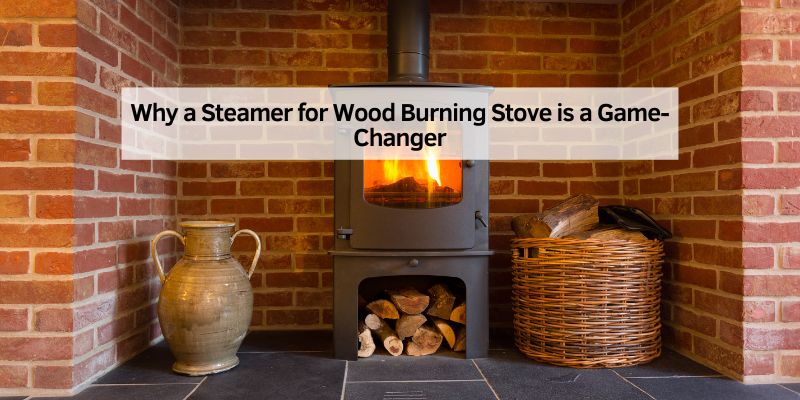
Why a Steamer for Wood Burning Stove is a Game-Changer
My first winter with a wood stove was cozy but dry. My skin felt like sandpaper! That’s when I discovered a steamer for wood burning stove. It adds moisture to the air and makes your home feel comfy. This article shares easy tips, steps, and tricks to use one. I’ll cover what it is, how it works, and why it’s awesome. You’ll get simple guides, safety advice, and fun ideas to try. Let’s make your wood stove even better!
What is a Steamer for Wood Burning Stove?
A steamer for wood burning stove is a pot you put on your stove. It holds water that turns into steam. This steam adds humidity to dry air. Wood stoves can make your home too dry, causing sore throats or chapped lips. A steamer fixes that! It’s often made of cast iron and looks pretty, too. Some even have fun designs like dragons or trees.
Why Does It Matter?
Dry air isn’t just uncomfortable—it can hurt your health. Low humidity can dry out your skin and nose. A steamer keeps the air at a comfy 40-60% humidity. It’s like giving your home a big drink of water! Plus, it can make your room smell nice with scented additives.
How to Use a Steamer for Wood Burning Stove
Using a steamer is a piece of cake! You fill it with water, set it on your stove, and let the heat do the rest. Here’s a simple guide to get started:
- Pick a Steamer: Choose a cast iron or stainless steel steamer. Cast iron holds heat well but may rust. Stainless steel is easier to clean.
- Fill with Water: Pour water up to the fill line. Don’t overfill—it might spill when it boils.
- Place on a Trivet: Use a trivet to protect your stove. It keeps the steamer steady and prevents rust spots.
- Heat and Wait: As your stove warms up, the water turns to steam. Refill every 1-2 days.
- Add Scents (Optional): Drop in cinnamon sticks or cloves for a cozy smell. Don’t let it run dry!
Visual Ideas
- Diagram 1: Show a wood stove with a steamer on a trivet, arrows pointing to steam rising.
- Diagram 2: Compare cast iron vs. stainless steel steamers with labels for pros and cons.
- Diagram 3: Simple checklist for safe steamer use (e.g., trivet, gloves, water level).
Benefits of Using a Steamer
A steamer does more than just add moisture. It makes your home feel warmer and cozier. Here are some perks:
- Health Boost: Keeps your skin and nose from drying out.
- Cozy Vibes: Adds a rustic charm to your stove.
- Scented Fun: Use herbs or oils for a fresh smell.
- Easy to Use: Just fill and place—no fancy setup needed.
But there are some drawbacks. Cast iron steamers can rust if not dried properly. They also get super hot, so you need gloves. If you forget to refill, the steamer might crack. I learned this the hard way when my first steamer ran dry—oops!
Choosing the Right Steamer
Not all steamers are the same. Here’s a quick table to help you pick:
| Steamer Type | Pros | Cons | Cost |
|---|---|---|---|
| Cast Iron | Holds heat, looks classic | Can rust, heavy | $30-$80 |
| Stainless Steel | Rust-resistant, easy to clean | Less traditional look | $20-$60 |
| Soapstone | Unique design, retains heat | Pricey, harder to find | $50-$100 |
Table 1: Comparing Steamer Types for Wood Burning Stoves
I started with a cheap cast iron steamer from Northline Express. It was sturdy but rusted after a year. Now I use a stainless steel one—it’s easier to maintain. Pick one that matches your style and budget!
Size Matters
Steamers come in different sizes, usually 2-3 quarts. A 2-quart steamer is great for small rooms. For bigger spaces, go for 3 quarts. Check your stove’s top space—some inserts have tiny surfaces. My stove only fits a small steamer, so I learned to measure first!
Safety Tips for Using a Steamer
Safety is key with a steamer for wood burning stove. The steamer gets crazy hot, so be careful. Here are my top tips:
- Use a Trivet: It protects your stove and steamer.
- Wear Gloves: Always use oven mitts to move the steamer.
- Check Water Levels: Refill before it runs dry to avoid cracks.
- Keep It Stable: Place it away from the stove’s edge to prevent spills.
I once knocked over a steamer—hot water everywhere! Now I always double-check it’s secure. Use a hygrometer to track humidity and know when to refill. You can grab one cheap at Walmart.
Cost-Saving Ideas
Steamers don’t have to break the bank. Here are some budget tricks:
- Buy used steamers on eBay for half the price.
- Use filtered water to avoid limescale buildup—no need for fancy cleaners.
- Add free scents like leftover orange peels or herbs from your kitchen.
I save money by using rainwater in my steamer. It’s free and keeps my steamer clean!
Common Mistakes to Avoid
Newbies make some classic goofs with steamers. Don’t worry—I’ve done them all!
- Overfilling: Too much water can spill and make a mess.
- No Trivet: Direct contact can damage your stove.
- Ignoring Rust: Dry cast iron steamers after use to prevent rust.
- Running Dry: An empty steamer can crack or burn scents.
My first steamer rusted because I left water in it. Now I empty and dry it every week.
Alternative Approaches
If a steamer isn’t your thing, try these options:
- Humidifier: An electric humidifier adds more moisture but uses power.
- Baking Pan: A wide pan on the stove works but looks less fancy.
- Open Pot: A simple pot of water does the job but might boil over.
I tried a baking pan once, like a user on Reddit suggested. It worked okay but didn’t have the charm of a cast iron steamer.
My Personal Tips
After years of using steamers, here’s what I’ve learned:
- Clean Weekly: Rinse with soap to prevent limescale. Coca-Cola works great for tough buildup!
- Try Fun Scents: I add a drop of pine oil for a forest vibe.
- Check Your Stove: Some stoves don’t get hot enough to steam well. Test with a thermometer.
Once, I added too much cinnamon—my house smelled like a bakery explosion! Start with small amounts of scents.
Comparing Steamer Features
Here’s a table to compare popular steamers:
| Brand | Material | Capacity | Special Feature | Price |
|---|---|---|---|---|
| Liberty Foundry | Cast Iron | 2.5 qt | Rust-resistant coating | $45 |
| Plow & Hearth | Soapstone | 2 qt | Unique stone design | $80 |
| John Wright | Cast Iron | 3 qt | Dragon shape | $65 |
Table 2: Popular Steamers for Wood Burning Stoves
The Liberty Foundry steamer is my go-to for durability. If you want flair, John Wright’s dragon design is a crowd-pleaser!
Conclusion
A steamer for wood burning stove is a simple way to make your home cozy and healthy. It adds moisture, looks great, and can smell amazing. Pick a steamer that fits your stove and style. Try my tips, like using a trivet or adding scents. Don’t let dry air ruin your winter vibes! Grab a steamer and share your favorite scents in the comments. Let’s make wood stove season the best yet!
Frequently Asked Questions
What is a Steamer for Wood Burning Stove?
A pot that sits on your wood stove, filled with water that turns to steam. It adds humidity to dry air and can make your home smell nice with scents.
Can I Use Any Pot as a Steamer?
You can use a heat-safe pot, but steamers are designed for stoves. Cast iron or stainless steel steamers work best and look prettier than regular pots.
How Often Should I Refill My Steamer?
Refill every 1-2 days, depending on room size and stove heat. Check water levels daily to avoid running dry, which can damage the steamer.
Will a Steamer Rust My Stove?
Not if you use a trivet! It protects your stove from rust spots. Dry the steamer after use to prevent rust on cast iron models.
Can I Add Scents to My Steamer?
Yes! Try cinnamon sticks, cloves, or essential oils for a cozy smell. Start with a small amount to avoid overpowering your room.
Is a Steamer Safe for Kids and Pets?
It’s safe if placed securely away from edges. Use gloves to handle it, and keep kids and pets away from the hot stove.
How Do I Clean My Steamer?
Rinse with soap and water weekly. For limescale, soak with Coca-Cola or vinegar. Dry thoroughly to prevent rust on cast iron steamers.