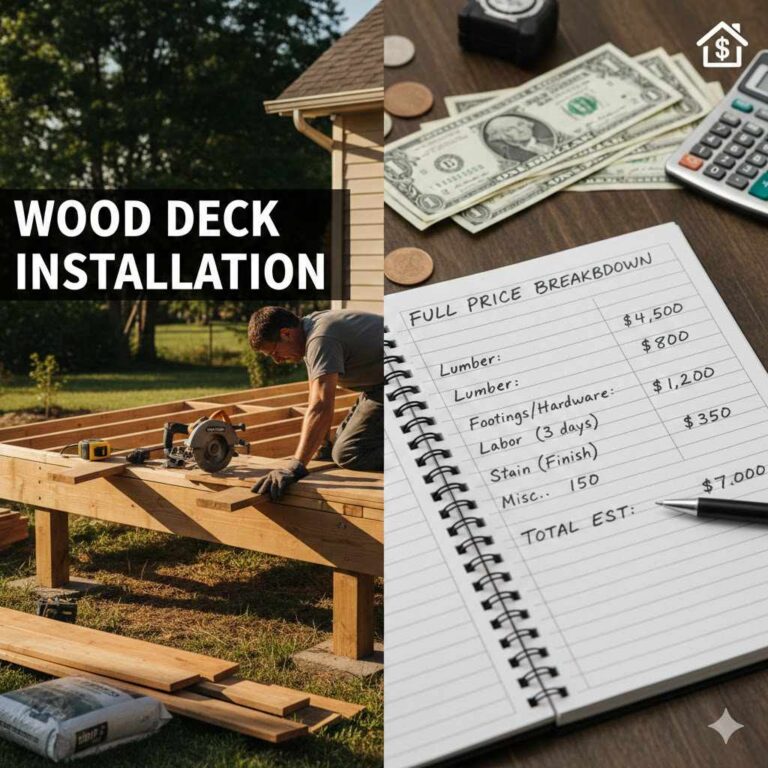
Sustainable Decking: Eco-Friendly Options for Your Home
Sustainable decking refers to eco-friendly materials used for outdoor surfaces. It aims to reduce environmental impact while providing durability and aesthetic appeal.
Sustainable decking has gained popularity as homeowners seek eco-friendly solutions for their outdoor spaces. Traditional decking materials often come from unsustainable sources, contributing to deforestation and pollution. In contrast, sustainable options, like bamboo or recycled wood, offer durability while minimizing harm to the planet.
This type of decking not only enhances the beauty of your yard but also supports responsible sourcing practices. By choosing sustainable decking, you contribute to a healthier environment and create a space that reflects your commitment to sustainability. Explore various options to find the perfect fit for your outdoor needs while making a positive impact.
Green Living Starts With Sustainable Decking
Sustainable decking is a step towards a greener lifestyle. Choosing eco-friendly materials not only benefits your home but also the planet. A well-designed deck can enhance outdoor spaces while reducing your carbon footprint.
Prioritizing Eco-friendly Materials
Using eco-friendly materials is essential for sustainable decking. Here are some popular options:
- Bamboo: Fast-growing and renewable.
- Recycled Plastic: Durable and low maintenance.
- Wood Composites: Made from recycled wood and plastic.
- Cedar and Redwood: Naturally resistant to pests.
Choosing these materials helps conserve forests and reduces waste. Each option contributes to a healthier environment.
The Impact Of Your Deck On The Environment
Your deck can significantly impact the environment. Here are some key factors to consider:
| Factor | Impact |
|---|---|
| Material Sourcing | Responsible sourcing reduces deforestation. |
| Manufacturing Process | Eco-friendly processes lower emissions. |
| Longevity | Durable materials reduce waste. |
| Maintenance | Low maintenance uses fewer chemicals. |
Each factor plays a role in your deck’s environmental footprint. Make informed choices to minimize negative impacts. Opt for sustainable decking and contribute to a greener future.
Materials Matter: Choosing Eco-friendly Decking
Choosing the right materials for your decking is crucial. Eco-friendly options help protect our planet. Sustainable decking materials reduce waste and conserve resources. Let’s explore some great choices for your next project.
Recycled Plastic And Wood Composites
Recycled plastic and wood composites are popular for eco-friendly decking. They combine recycled materials to create durable boards. Here are some benefits:
- Durability: Resistant to rot and insects.
- Low Maintenance: No need for staining or sealing.
- Environmentally Friendly: Made from waste materials.
This type of decking often comes in various colors and textures. It mimics the look of natural wood while being eco-conscious.
Sustainably Sourced Natural Wood
Natural wood can be sustainable if sourced responsibly. Look for certified woods like FSC or PEFC. These certifications ensure forests are managed well. Benefits of sustainably sourced wood include:
- Natural Aesthetic: Unique grain patterns enhance beauty.
- Biodegradable: Breaks down naturally over time.
- Carbon Footprint: Lowers overall impact on the environment.
Choosing local wood can also reduce transportation emissions. Always check for sustainability certifications to make a wise choice.
Bamboo: The Rapidly Renewable Option
Bamboo is one of the fastest-growing plants on Earth. This makes it an excellent choice for eco-friendly decking. Key features include:
- Rapid Growth: Harvestable in just 3-5 years.
- Strong and Durable: Tougher than many hardwoods.
- Minimal Environmental Impact: Grows without pesticides.
Bamboo decking offers a unique style and is very sustainable. It is lightweight and easy to install, making it a popular choice.
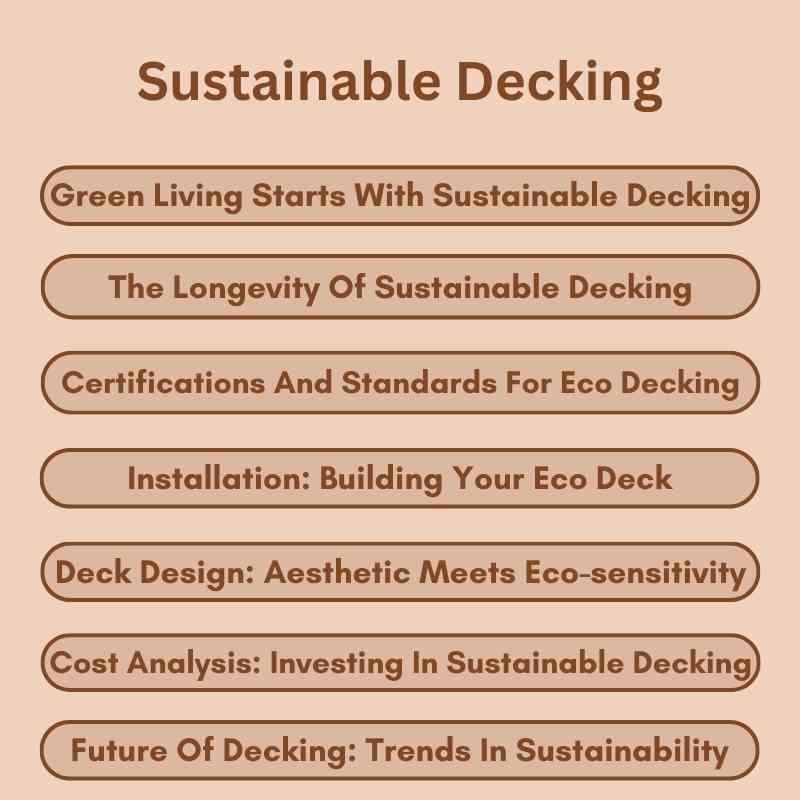
The Longevity Of Sustainable Decking
Sustainable decking offers long-lasting benefits. It combines durability with eco-friendly materials. Homeowners enjoy a beautiful outdoor space while helping the planet.
Durability Meets Eco-design
Durable materials define sustainable decking. Common options include:
- Bamboo: Strong and fast-growing.
- Recycled Plastic: Made from waste, resistant to rot.
- Composite Wood: Combines wood fibers and plastic.
These materials withstand harsh weather. They resist fading, warping, and insects. This makes them ideal for outdoor use.
| Material | Durability Rating | Eco-Friendliness |
|---|---|---|
| Bamboo | High | Very High |
| Recycled Plastic | Medium | High |
| Composite Wood | High | Medium |
Maintenance And Lifecycle Considerations
Sustainable decking requires less maintenance than traditional wood. Regular cleaning keeps it looking fresh. Here are some tips for care:
- Clean with soap and water.
- Use a soft brush for tough stains.
- Inspect for damage yearly.
The lifecycle of sustainable decking is impressive. It can last 25 years or more. Many manufacturers offer warranties. Homeowners can feel confident in their investment.
Choosing sustainable decking supports the environment. It reduces waste and promotes responsible sourcing. This choice benefits both you and future generations.
Certifications And Standards For Eco Decking
Choosing sustainable decking materials is crucial for the environment. Certifications and standards help you make informed choices. They ensure that products meet specific eco-friendly criteria. Understanding these certifications can guide your decking decisions.
FSC Certification And Why It Matters
The Forest Stewardship Council (FSC) certification is essential for eco decking. It ensures wood comes from responsibly managed forests. These forests are managed to protect wildlife and local communities. FSC certification promotes sustainable practices.
- Protects forests from illegal logging.
- Promotes biodiversity and ecosystem health.
- Supports the rights of indigenous people.
Buying FSC-certified decking means you support these values. Look for the FSC logo on products. It guarantees that your decking is eco-friendly and sustainable.
LEED Credits For Green Building
LEED (Leadership in Energy and Environmental Design) is a popular green building certification. It encourages sustainable building practices. Using eco decking can earn LEED credits for your project.
| LEED Credit Category | Description |
|---|---|
| Sustainable Sites | Promotes site selection and management for minimal environmental impact. |
| Materials and Resources | Encourages the use of recycled and sustainable materials. |
| Innovation | Rewards innovative strategies to enhance sustainability. |
Choosing eco decking can help your project earn valuable LEED credits. This improves your building’s sustainability rating. It also benefits the planet by reducing environmental impact.
Installation: Building Your Eco Deck
Creating a sustainable deck involves careful planning and execution. The process is not only about aesthetics but also about reducing environmental impact. Focus on eco-friendly materials and practices to ensure a greener future.
Environmentally Conscious Building Practices
Choose practices that protect the environment during your decking project. Here are some effective strategies:
- Use Reclaimed Materials: Reclaimed wood is durable and reduces waste.
- Opt for Sustainable Sources: Select wood from certified forests.
- Minimize Waste: Plan cuts to reduce leftover materials.
- Use Non-Toxic Finishes: Select eco-friendly stains and sealants.
- Install Efficiently: Consider modular designs for easy assembly.
Implementing these practices can significantly lower your carbon footprint. Choose options that support local ecosystems and biodiversity.
Choosing The Right Eco-friendly Builders
Finding skilled builders is crucial for your eco deck. Follow these steps to ensure a sustainable choice:
- Research: Look for builders with a strong eco-friendly portfolio.
- Check Certifications: Verify certifications in sustainable building practices.
- Ask for References: Speak to previous clients about their experiences.
- Discuss Materials: Ensure they use eco-friendly products.
- Evaluate Commitment: Assess their passion for sustainability.
Choosing the right builders guarantees a successful and sustainable decking project. Ensure they align with your eco-friendly vision.
Deck Design: Aesthetic Meets Eco-sensitivity
Creating a beautiful deck doesn’t have to harm the planet. Sustainable decking merges stunning designs with eco-friendly materials. This approach enhances your outdoor space while protecting nature. Enjoying your deck means enjoying a greener lifestyle.
Innovative And Sustainable Design Ideas
Explore unique ideas for your eco-friendly deck. Here are some popular options:
- Reclaimed Wood: Use salvaged wood for a rustic look.
- Composite Materials: Choose recycled plastics and wood fibers.
- Modular Decking: Create flexible layouts easily.
- Solar Lighting: Illuminate your space with solar-powered lights.
- Water Features: Add ponds or fountains for tranquility.
Incorporating Green Spaces And Native Plants
Enhance your deck by adding green spaces. Native plants thrive in local conditions. They require less water and maintenance. Consider these options:
- Vertical Gardens: Use walls for climbing plants.
- Planter Boxes: Create raised beds for herbs and flowers.
- Container Gardens: Arrange pots to suit your style.
- Green Roofs: Add plants on top of the deck for insulation.
These features improve air quality and support wildlife. A well-designed deck can be a haven for both you and nature.
Cost Analysis: Investing In Sustainable Decking
Choosing sustainable decking involves careful cost analysis. The initial price may be higher. However, this investment offers long-term benefits. Understanding these costs helps in making informed decisions.
Long-term Savings Of Eco-friendly Materials
Eco-friendly materials provide many savings over time. Here are some benefits:
- Durability: Sustainable decking lasts longer than traditional wood.
- Low Maintenance: It requires fewer repairs and treatments.
- Energy Efficiency: Some materials help keep your home cooler.
Consider the following savings:
| Feature | Eco-Friendly Decking | Traditional Decking |
|---|---|---|
| Average Lifespan | 25-50 years | 10-15 years |
| Annual Maintenance Cost | $100 | $300 |
| Energy Savings | 10-15% | None |
These factors lead to significant savings over the years.
Comparing Costs With Traditional Decking Options
Initial costs of sustainable decking can be higher. Here’s a breakdown:
- Composite decking: $30-$60 per square foot
- Wood decking: $15-$30 per square foot
- Recycled materials: $20-$50 per square foot
Long-term costs tell a different story. Consider these points:
- Fewer repairs reduce overall costs.
- Longevity means fewer replacements.
- Lower energy bills offer savings.
Investing in sustainable decking pays off in the long run. It’s not just about upfront costs. Think about the future.
Future Of Decking: Trends In Sustainability
The future of decking lies in sustainability. Homeowners seek materials that are eco-friendly. This section explores exciting trends in sustainable decking. It highlights new materials and their impact on home value.
Emerging Materials And Technologies
Sustainable decking materials are changing the market. Here are some innovative options:
- Bamboo: Fast-growing and strong, bamboo is a great choice.
- Recycled Plastic: Made from waste, it reduces landfill impact.
- Composite Decking: Combines wood fibers and recycled plastic.
- Thermally Modified Wood: Treated wood that lasts longer without chemicals.
Technological advancements enhance these materials:
| Technology | Description |
|---|---|
| UV Protection | Prevents fading and extends lifespan. |
| Water Resistance | Reduces mold and mildew growth. |
| Smart Decking | Integrates lighting and heating systems. |
The Role Of Sustainability In Home Valuation
Sustainable decking significantly affects home valuation. Buyers prefer eco-friendly homes. Here’s how sustainable decking impacts value:
- Increased Demand: Homes with sustainable features attract more buyers.
- Higher Resale Value: Eco-friendly materials can boost home prices.
- Lower Maintenance Costs: Durable materials save money long-term.
- Energy Efficiency: Sustainable homes often have better energy ratings.
Investing in sustainable decking pays off. It enhances comfort and reduces environmental impact. Homeowners gain financial benefits while supporting the planet.
Frequently Asked Questions
What Is Sustainable Decking?
Sustainable decking refers to materials that are eco-friendly and sourced responsibly. These materials minimize environmental impact while providing durability and aesthetics. Common options include reclaimed wood, bamboo, and composite materials made from recycled plastics. Choosing sustainable decking helps reduce deforestation and promotes a healthier planet.
Why Choose Sustainable Decking Materials?
Choosing sustainable decking materials supports environmental conservation and reduces waste. These materials are often more durable and require less maintenance over time. Additionally, they contribute to energy savings by providing better insulation. By opting for sustainable options, you can enhance your outdoor space while being eco-conscious.
How Long Does Sustainable Decking Last?
Sustainable decking can last anywhere from 15 to 50 years, depending on the material and maintenance. Composite decking typically offers a longer lifespan due to its resistance to rot and insects. Proper care and installation also play crucial roles in extending the life of your decking.
Investing in quality materials ensures lasting enjoyment.
Is Sustainable Decking More Expensive?
Sustainable decking can initially cost more than traditional options. However, its durability and low maintenance can lead to cost savings over time. Additionally, many homeowners find the long-term environmental benefits justify the upfront investment. Over the years, sustainable decking often proves to be a smart financial choice.
Conclusion
Choosing sustainable decking is a smart investment for your home and the environment. It enhances your outdoor space while reducing your carbon footprint. With various eco-friendly materials available, you can create a beautiful deck that lasts. Make a conscious choice today and enjoy nature without compromising sustainability.