Transparent vs Semi-Transparent Deck Stain: Which Lasts Longer
Transparent stain adds almost no color and shows the most wood grain, but fades and needs recoating in as little as a year. Semi-transparent stain adds visible color and pigment-based UV protection, and typically lasts two to three years instead. The right one depends on whether you want to showcase the wood itself or get more years between coats.
What Actually Separates the Two
Best Semi-Transparent Deck Stain
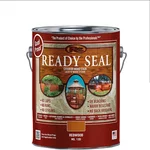 |
Ready Seal Exterior Wood Stain & Sealer, Redwood, 1 Gallon – $34.79 A stain-and-sealer combo with enough pigment for real UV protection while still showing the wood grain underneath.
|
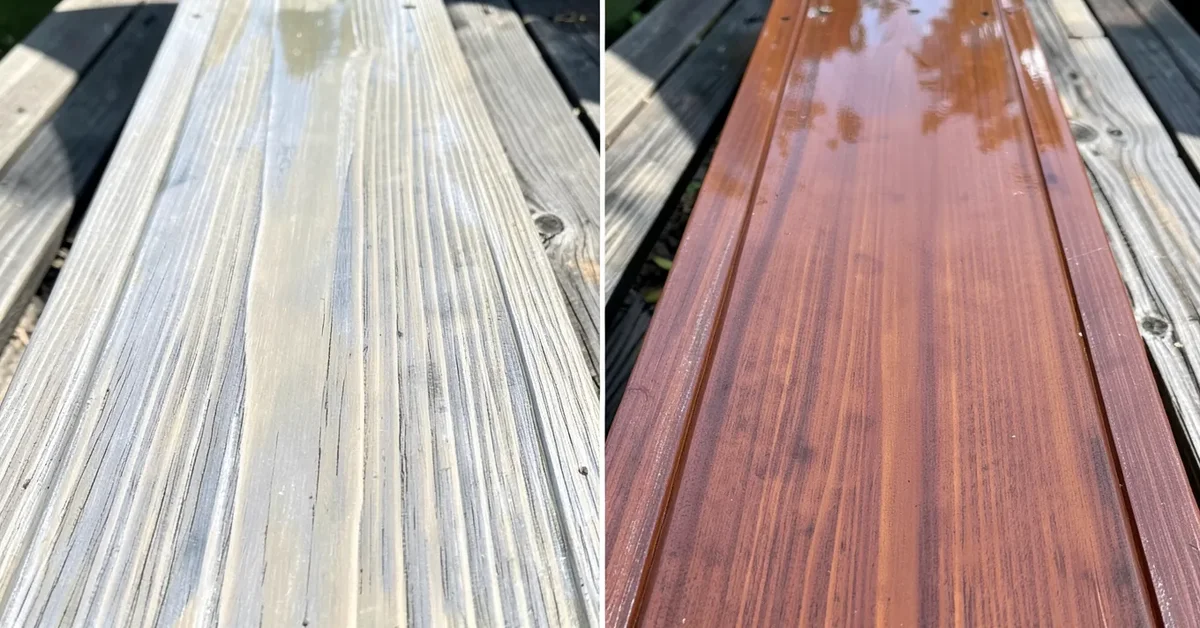
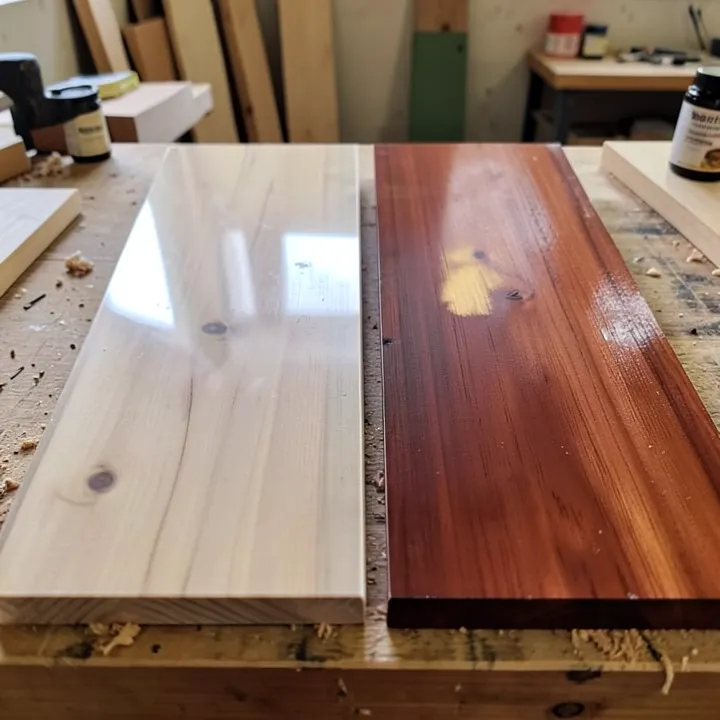
The difference comes down to pigment, not just appearance. Transparent stain has little to no pigment, so it functions mostly as a UV-inhibiting sealer that lets every knot, grain line, and natural color variation in the wood show through unchanged. Semi-transparent stain contains enough pigment to add a visible wood tone (cedar, redwood, walnut, and similar shades are common) while still letting the grain pattern show underneath, rather than hiding it the way a solid, opaque stain does.
That pigment difference is also the real reason for the durability gap. UV damage to wood comes from sunlight breaking down surface lignin, and pigment particles physically block and scatter UV light before it reaches the wood; a stain with no pigment can only rely on its resin/oil carrier for protection, which breaks down faster under direct sun. More pigment generally means more UV blocking and a longer-lasting finish, which is why solid stains (the most pigmented, opaque option) typically outlast both, at the cost of hiding the wood almost completely.
Transparent Stain: What You’re Trading For That Natural Look
- Shows the wood, not the stain. Every knot and grain variation stays visible, essentially unchanged from bare wood, which is why it’s popular on high-quality species like cedar and redwood that look better unhidden.
- Basic UV protection only. With little pigment to block sunlight, transparent stain slows fading and drying somewhat but can’t match a pigmented finish for long-term color retention.
- Shortest reapplication cycle. Expect to recoat every one to two years on a deck in regular sun, sometimes closer to one year on south-facing boards with full sun exposure.
Semi-Transparent Stain: More Color, More Protection, Less Upkeep
- Adds real color while keeping grain visible. Pigment tints the wood toward cedar, redwood, walnut, or similar tones without fully covering the grain pattern underneath.
- Meaningfully better UV protection. The added pigment slows fading and graying more effectively than a clear coat, which is the main reason it lasts longer outdoors.
- Typically two to three years between coats, versus one to two for transparent stain, though heavy sun exposure and foot traffic will still shorten that window.
Which One Actually Fits Your Deck
If your deck is built from a wood species with genuinely attractive natural color and grain, like cedar or redwood, and you’re willing to recoat more often, transparent stain lets that wood do the talking. If your deck is a more common species like pressure-treated pine or fir that looks a little plain, or you simply want fewer years spent recoating, semi-transparent stain gives you a warmer color and meaningfully longer service life for a modest trade-off in how much of the raw wood shows through.
Preparing the Deck Before Either Stain Goes On
Neither stain will perform as advertised on a dirty or wet deck. Clean the entire surface with a dedicated deck cleaner and a stiff brush to remove dirt, mildew, and any failing old stain, then rinse thoroughly. Sand any areas where old stain is peeling rather than just fading, since new stain won’t bond well over flaking material. Fix loose boards, popped nails, or soft, rotted wood before staining; it’s far easier to repair now than after a fresh coat is on.
Let the deck dry completely before staining, typically 24 to 48 hours after cleaning, longer in humid weather. A simple check: tape a small piece of plastic sheeting to the deck overnight. If moisture beads up underneath it by morning, the wood is still too wet to stain.
Applying Stain Without Lap Marks
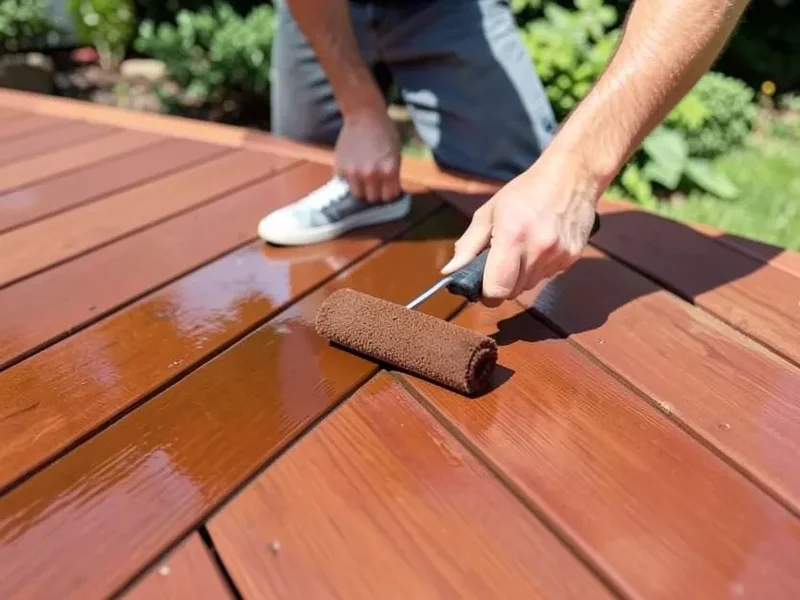
Work in manageable sections and keep a “wet edge,” meaning you blend each new section into the still-wet edge of the section before it rather than letting an edge dry before you continue. A dried edge that gets overlapped later creates a visible lap mark, a stripe where the stain looks darker or different from double coverage. A brush or stain pad works well for railings and detail work, while a roller or sprayer covers open deck boards faster; either way, always follow the manufacturer’s recoat timing and application temperature range printed on the can.
Keeping Either Finish Looking Right
Sweep debris regularly and give the deck a light annual cleaning to remove surface grime before it builds up. Once a year, walk the deck and look for fading, graying, or areas where water no longer beads on the surface; that’s your sign the finish has worn through and it’s time to clean and recoat rather than waiting for it to look obviously bad. Catching this early with a touch-up is far less work than a full strip-and-restain later.
Why This Decision Is Worth Getting Right
Professional deck staining for an average-size deck typically runs somewhere in the $400-$1,200 range depending on deck size, prep needed, and local labor rates, according to widely cited home-improvement cost estimators; DIYing it with the right stain and prep costs a fraction of that in materials. The bigger cost to watch for is neglect: an unprotected deck that starts rotting can require replacing entire sections, which runs into the thousands, far more than staying on top of a stain reapplication schedule ever costs.
Frequently Asked Questions
Which deck stain is easier to apply?
Both are similarly easy to apply. The real factor in a good result is proper deck preparation and following the manufacturer’s application instructions, not which type you choose.
Will semi-transparent stain hide wood imperfections?
It can help camouflage minor scratches or discoloration, but it won’t hide major flaws, deep knots, or significant damage, and the wood grain will still be visible underneath the color.
How do I know if my deck needs staining?
Sprinkle water on the surface. If it beads up, the existing finish is still protecting the wood. If it soaks in quickly, the stain has worn through and it’s time to clean and reapply.
Can I apply a transparent stain over a semi-transparent stain?
Not directly. Switching from a pigmented stain to a clear one (or the reverse) generally requires fully stripping and cleaning the deck first, since the existing pigment will show through or interfere with the new finish.
How often should I clean my deck?
Sweep regularly to remove debris, and do a thorough cleaning with a deck cleaner at least once a year, typically in spring, to remove mildew and grime before the warmer months.
Bottom Line
Transparent stain shows off good-looking wood at the cost of recoating almost every year; semi-transparent stain trades a bit of that raw wood appearance for real added color and roughly a year of extra service life per coat. Prep and application technique matter more than the specific product for how good the result looks, but the pigment level is what actually determines how long it lasts.
Sponsored / affiliate links. As an Amazon Associate I earn from qualifying purchases. I may earn additional commission from eligible campaigns.