Decking Paint Colours: Best Shades and Finishes for Wood Decks
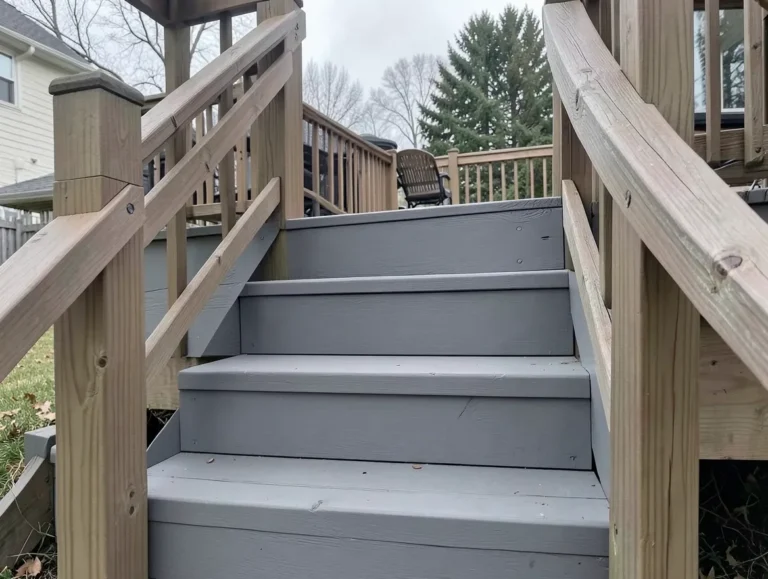
The most durable decking paint colors are mid-tones — grays, warm browns, and muted greens — because they hide dirt, pollen, and UV fade better than either pure white or solid black, which show every speck of grime and every scuff respectively. Color also affects surface temperature: darker colors absorb more heat and can make boards noticeably hotter underfoot on sunny days, which matters if you’ll walk on the deck barefoot.
Below is a practical breakdown by color family, plus what actually determines how long the paint job lasts once you’ve picked a shade.
Choosing a Decking Paint Color
Best Floor-Rated Paint for Wood Decks
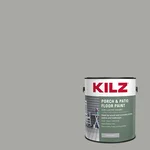 |
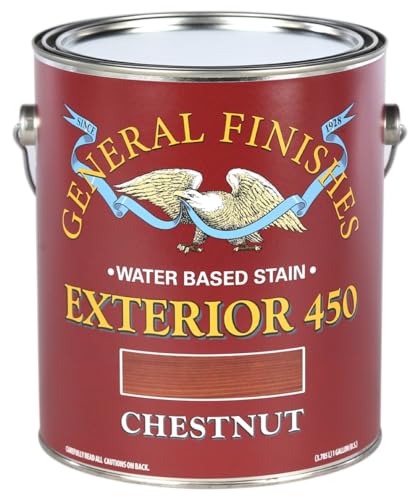
KILZ Porch & Patio Latex Floor Paint, 1 Gal – $37.97 A mid-tone silver gray in a paint actually rated for walked-on wood and concrete surfaces, not a wall paint stretched to cover a deck.
|
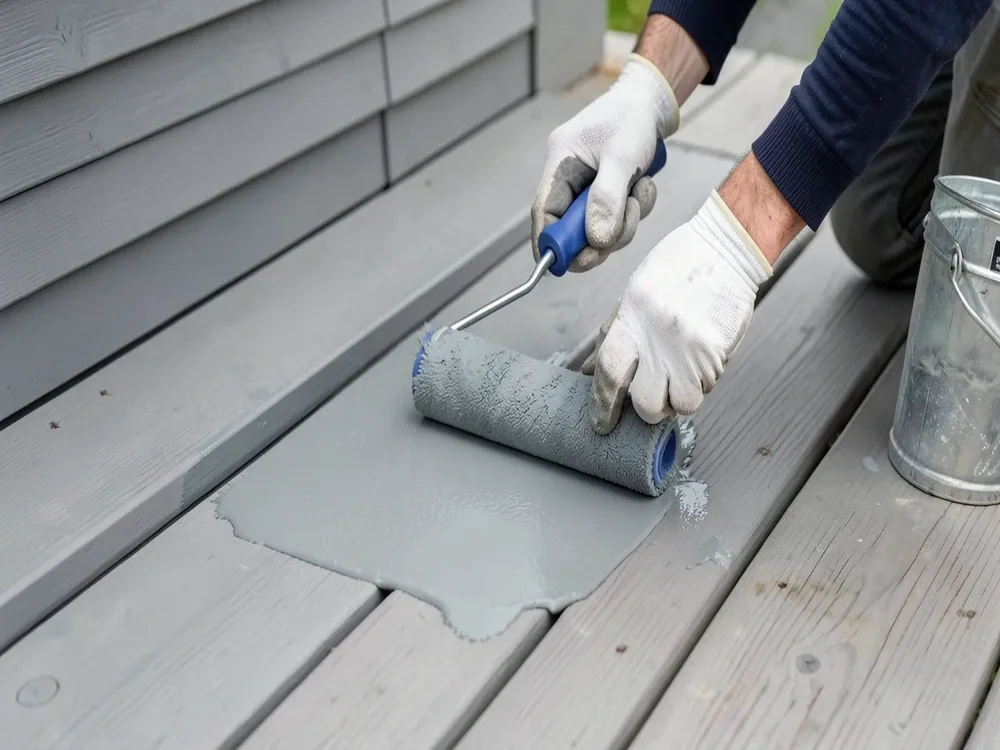
Before picking a shade, check two things a color chip won’t tell you: the paint’s UV resistance rating and whether it’s formulated for horizontal, walked-on surfaces (a “deck and floor” paint) rather than a general exterior wall paint repurposed for a deck. Floor-rated exterior paints are built with more abrasion resistance and often a slip-resistant additive, which matters more for how long the color actually looks good than the color itself does. Buy a sample size and paint a 2×2 ft test patch in full sun before committing — color shifts noticeably under direct sunlight compared to how it looks on the store chip or in shade.
Grays, Whites, and Neutrals
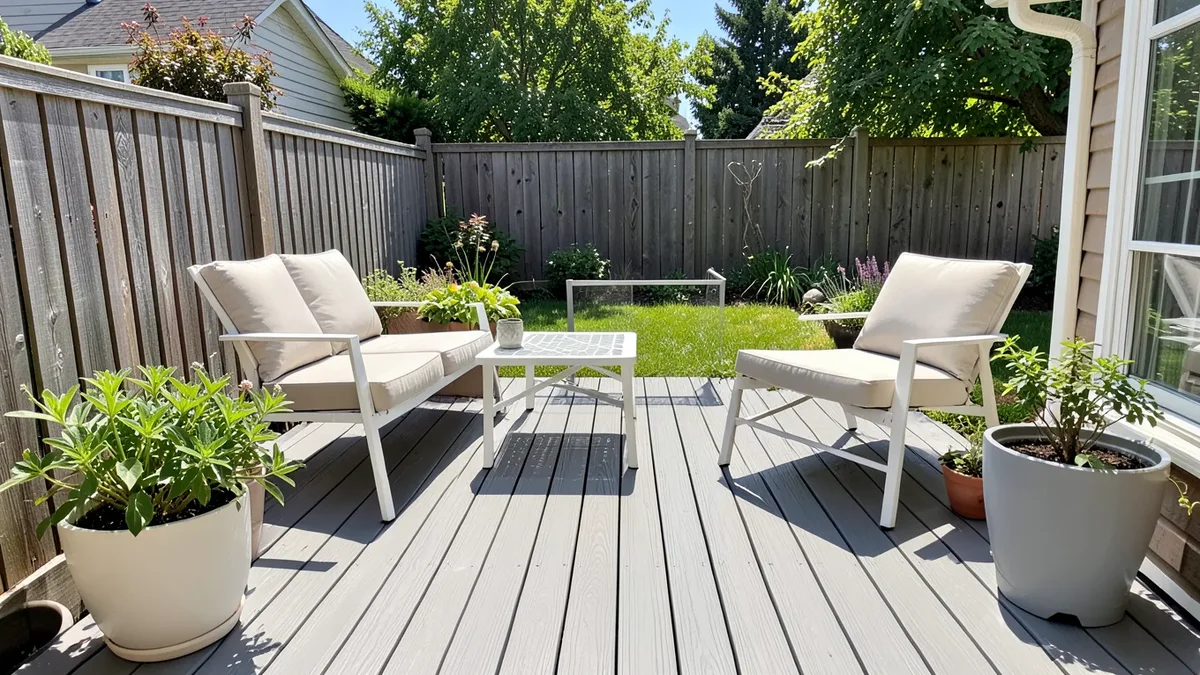
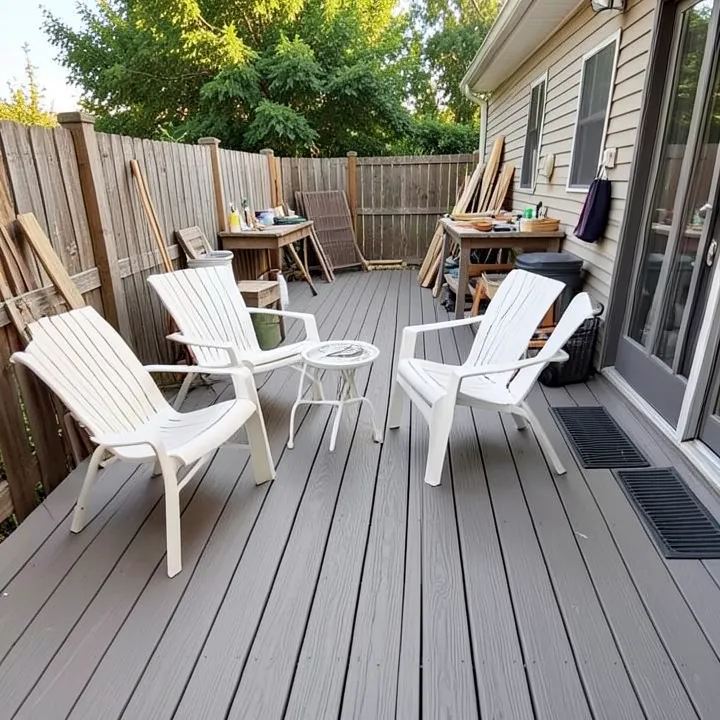
Gray is the most popular decking color for a practical reason, not just a stylistic one: it sits in the middle of the value scale, so it hides both dirt (which reads as darker) and sun bleaching (which reads as lighter) better than colors at either end. Light gray and greige (gray-beige) tones reflect more heat than dark charcoal, keeping the surface cooler in direct sun. White looks clean when new but shows dirt, mildew spotting, and tannin bleed-through from the wood fastest of any color — it’s a higher-maintenance choice than most people expect for a horizontal surface that isn’t cleaned as often as a wall.
Browns and Wood-Tone Solid Stains
A solid-color stain or paint in a warm brown (cedar, redwood, or walnut-leaning tones) reads as a natural extension of the wood even though it’s fully opaque, and it hides the tannin staining and mildew spotting that shows so visibly on white. These tones also mask sawdust, soil, and leaf debris tracked in from the yard better than gray does, which matters for decks near landscaping or under trees.
Bolder Colors: Blue, Green, and Black
Muted, dusty versions of blue and green (rather than saturated, bright versions) tend to hold up visually longer, because a fully saturated color shows UV fading unevenly as it ages — the areas that get direct afternoon sun fade faster than shaded rails and skirting, and the mismatch becomes obvious. Black and near-black decks look striking when new but run measurably hotter underfoot in direct sun than mid-tone colors, and touch-up work is the hardest to blend invisibly on a solid black surface, since any color or sheen mismatch is far more visible against black than gray.
Low-VOC and Eco-Friendly Options
Most major exterior deck paint lines now offer a low-VOC (under 50 g/L) or zero-VOC water-based formula alongside their standard line, at little to no color selection penalty — you’re rarely giving up shade options to go low-VOC anymore, which wasn’t true a decade ago. Water-based acrylics also clean up with soap and water rather than mineral spirits, which matters for a DIY project with kids or pets around the work area.
Maintenance By Color
Sweep with a soft-bristle broom regularly and wash with mild soap and water rather than a pressure washer set too aggressively — high pressure can strip paint at board seams and fastener heads first, since those are the highest-wear points. Touch up chips as soon as you notice them: a single fresh coat over a small area blends far better than waiting until the surrounding paint has faded and the touch-up stands out as a visibly different shade. Expect a full repaint cycle roughly every 2-3 years for a floor-rated paint under normal foot traffic and weather exposure, sooner in high-UV climates or on south-facing decks with no shade.
Frequently Asked Questions
What Are The Best Decking Paint Colors?
Mid-tone grays and warm browns are the most practical choices — they hide dirt and UV fade better than white (which shows grime fastest) or solid black (which shows fading unevenly and runs hot underfoot). Consider your home’s exterior and how much direct sun the deck gets when choosing.
Can I Paint Over Old Decking Paint?
Yes, with proper prep. Clean the surface thoroughly, scrape and sand any peeling or flaking paint down to a sound edge, and prime bare wood spots before recoating. Skipping the scrape-and-sand step is the most common reason a repaint fails early.
How Often Should Decking Be Repainted?
Every 2-3 years is typical for a floor-rated paint under normal use, though high-UV climates, south-facing exposure, and heavy foot traffic can shorten that. Annual inspection lets you catch chips early and touch up before the failure spreads.
Conclusion
Color is partly aesthetics, but on a deck it’s also a maintenance decision — mid-tone grays and browns simply show less dirt and fade more evenly than white or black. Whatever shade you pick, use a paint actually rated for floors, test it in full sun first, and touch up chips early to keep a repaint from creeping up on you.
Sponsored / affiliate links. As an Amazon Associate I earn from qualifying purchases. I may earn additional commission from eligible campaigns.