Teak Vs Ipe: Ultimate Guide to Choosing the Best Wood
When it comes to choosing the right wood for your outdoor projects, you might find yourself torn between teak and ipe. These two woods are renowned for their durability and beauty, but which one truly fits your needs?
You want something that not only lasts but also enhances the aesthetics of your space. Imagine the satisfaction of making an informed choice that aligns perfectly with your vision. By understanding the unique qualities of teak and ipe, you can make a decision that will bring you peace of mind and elevate your outdoor experience.
Keep reading to uncover the secrets of these exceptional woods and discover which one is the ideal match for your project.
Credit: blog.terraoutdoor.com
Teak Characteristics
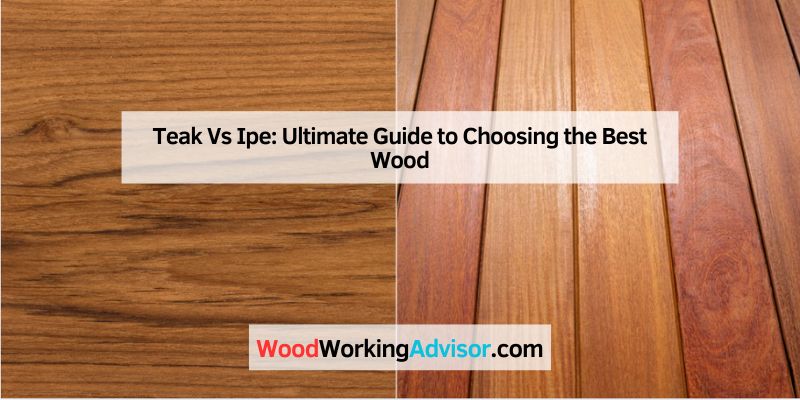
Teak offers a warm, golden color and natural oils that resist decay, while Ipe boasts superior hardness and durability. Both woods excel in outdoor settings, yet differ in appearance and maintenance needs. Teak requires occasional oiling to maintain its luster, whereas Ipe demands minimal upkeep due to its dense structure.
Durability And Strength
Teak is known for its impressive durability. It is a strong wood that lasts many years. Teak does not break easily. It is tough and sturdy. Teak can withstand heavy use. It is a favorite for furniture and boats.
Color And Appearance
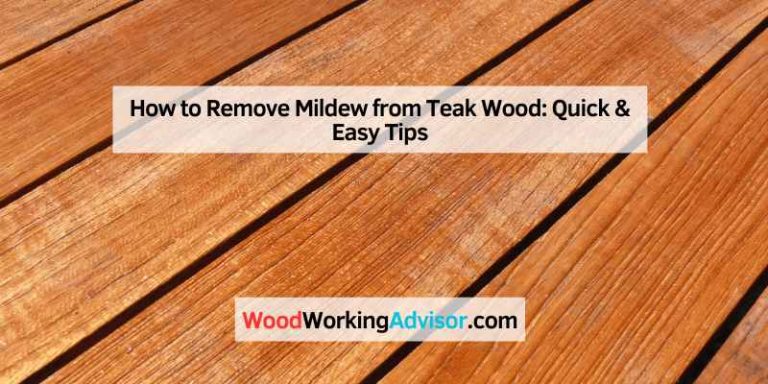
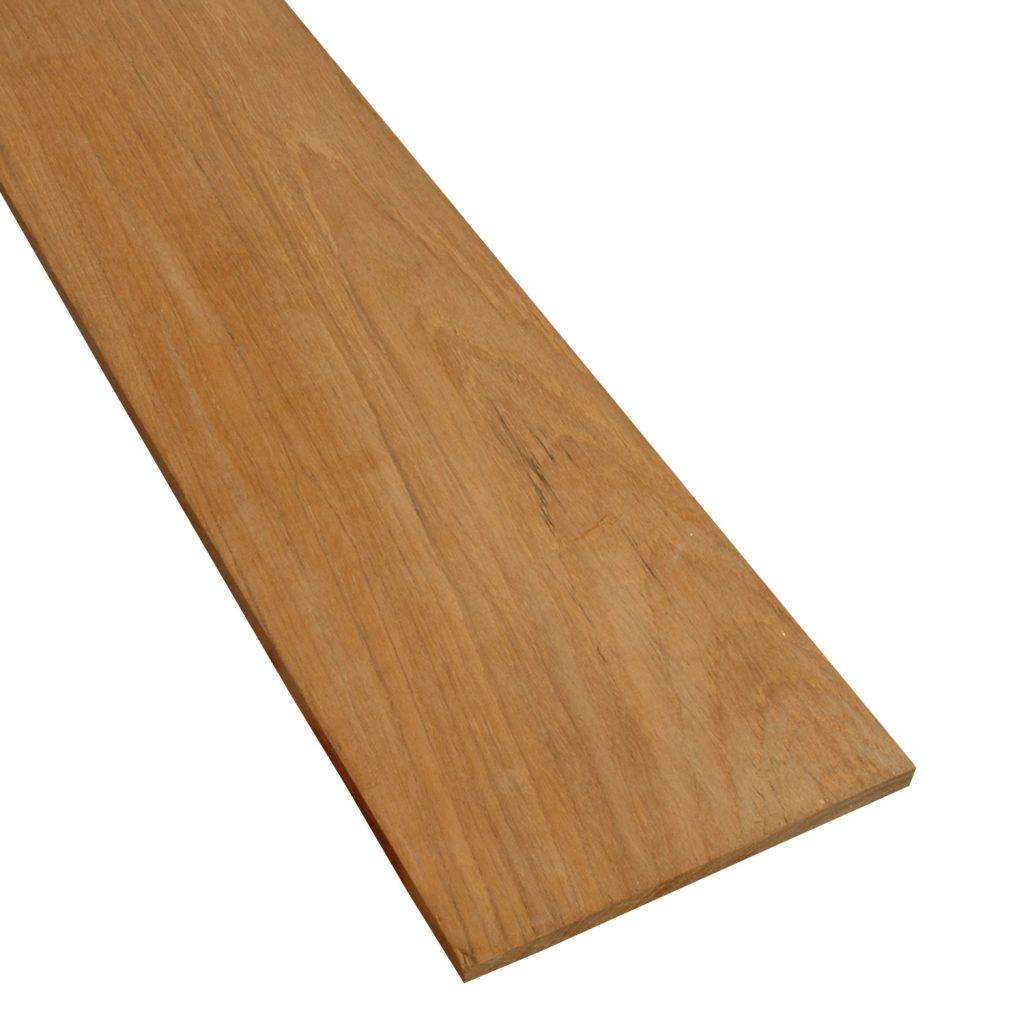
Teak has a unique color. It is a warm, golden brown. Teak wood looks beautiful. It has a smooth and shiny surface. The grain is tight and even. Teak adds beauty to any space. It is loved for its classy appearance.
Weather Resistance
Teak resists bad weather. Rain and sun do not damage it. Teak does not rot easily. It stays strong in all climates. Teak is perfect for outdoor use. It handles rain, heat, and cold well. Teak is a reliable choice for outdoor furniture.
IPE Characteristics
Ipe wood is very hard and dense. It is much tougher than many other woods. This makes it last a long time. Ipe is great for outdoor use. Its hardness keeps it safe from scratches and dents. Many people choose it for decks and outdoor furniture.
Ipe has rich, warm colors. It can be light brown or dark brown. Some pieces have red or green tones. The color looks beautiful when it is polished. Over time, it turns a nice silver-gray if not treated. This gives it a natural, aged look.
This wood is very resistant to weather. It does not rot easily. Ipe is also resistant to insects. This makes it perfect for outdoors. It can handle rain and sun without damage. Because of this, it lasts many years outside.
Cost Comparison
Teak usually costs less than Ipe, making it a more budget-friendly choice for many. Ipe, with its high durability, often comes at a higher price. Choosing between the two depends on your budget and desired longevity.
Price Range Of Teak
Teak wood prices vary widely. Quality affects the cost greatly. It can range from $7 to $35 per board foot. Lower grades are cheaper. High-grade teak costs more. Many people choose it for luxury furniture. It is known for its durability and beauty. Teak wood can last for many years. This makes it a popular choice. But, its price can be high for some.
Price Range Of Ipe
Ipe wood is also costly. It ranges from $10 to $20 per board foot. Ipe is often more expensive than teak. It is very dense and strong. This wood resists rot and insects. People love it for outdoor decking. Ipe wood can last for decades. Its price reflects its long life and strength. Many find it worth the cost.
Maintenance Needs
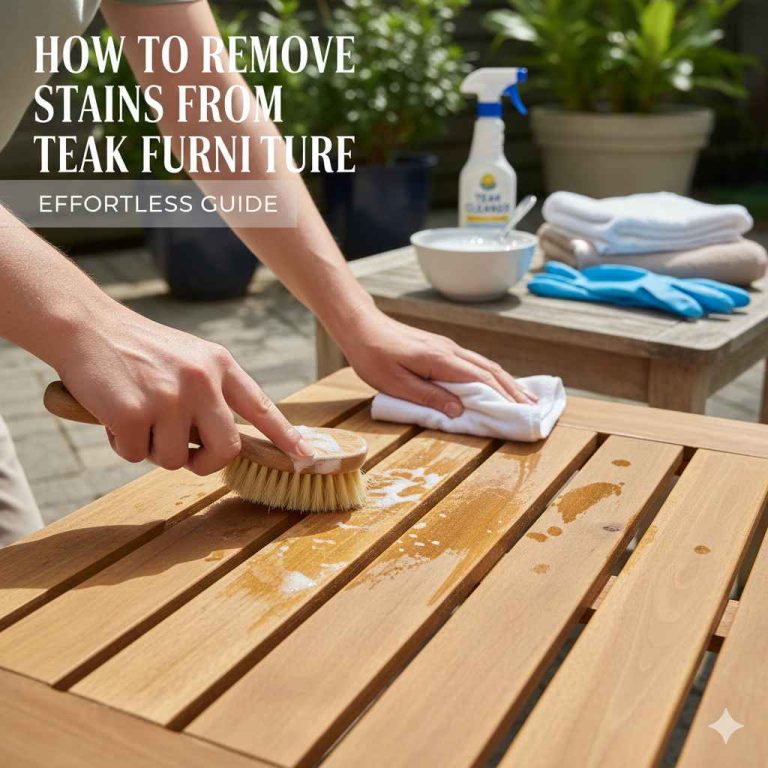
Teak is a popular wood for outdoor furniture. It needs less care than other woods. Regular cleaning helps it stay nice. Use warm, soapy water and a soft brush. Avoid harsh chemicals. These can hurt the wood. Oiling teak helps keep its color. Do this once or twice a year. Let the oil dry fully before use. Cover furniture in bad weather. This protects it from rain and snow.
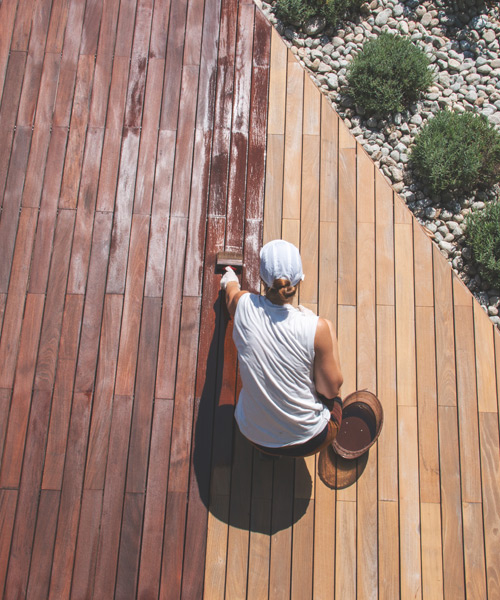
Ipe wood is strong and tough. It needs less maintenance than teak. Clean with water and mild soap. Avoid pressure washers. They can damage the wood. Apply sealant yearly to keep its color. Use a brush or cloth to apply. Let it dry before using. Cover or store Ipe furniture in winter. This keeps it safe from snow and ice.
Environmental Impact
Teak is a strong and beautiful wood. It comes from tropical forests. Teak trees grow slowly. This makes them hard to replace. Farmers often cut them down too fast. This can hurt the forest. Plantations grow teak, too. They help save natural forests. But, they also need lots of water and land. This can harm the environment. Forest rules help protect teak. They make sure trees are replanted. This is important for the earth.
Ipe is a tough and long-lasting wood. It comes from South America. Ipe trees grow slowly. Cutting them too much is bad. It can hurt the rainforest. Sustainable logging is important. It helps keep the forest safe. Some companies have green labels. They show they care for the earth. Ipe is great for decks. But, it should be used wisely. The forest needs protection.
Credit: blog.advantagelumber.com
Applications And Uses
Teak is a popular choice for outdoor furniture. It is very strong and lasts long. This wood can handle rain and sun. Teak does not rot easily. It looks nice with its golden-brown color. Many people like it for benches, tables, and chairs. It does not need much care. Some people oil it to keep the color bright. Others like its natural gray look. Teak is a bit costly, but it stays beautiful for years.
Ipe is perfect for decking solutions. It is very hard and dense. This wood is tough against wear and tear. Ipe decks can last over 25 years. It is also fire-resistant. Many builders prefer Ipe for its strength. It comes in a rich brown color. This wood does not splinter easily. Ipe requires little maintenance. But, it can be heavy to work with. It is more expensive than other woods. Yet, its durability makes it worth the cost.
Pros And Cons
Teak is known for its durability and strength. It can last a long time. This wood has a natural oil. The oil makes it resistant to water. Teak is also resistant to insects. Its golden color is very beautiful. It makes furniture look nice. Teak is easy to work with. It can be cut and shaped easily.
Teak is very expensive. It costs more than other woods. Finding good teak is hard. The best teak comes from old trees. These trees are not easy to find. Teak can be heavy. This makes it hard to move. It may need special care. The color may turn gray over time.
Ipe is very strong and hard. It lasts a very long time. This wood is resistant to rot and insects. Ipe does not need much care. It is also fire-resistant. The color is dark and rich. This makes it look elegant. It is perfect for outdoor use.
Ipe is very heavy. It can be hard to cut. Tools may wear out faster. Ipe is also expensive. It costs more than many other woods. Finding it is not easy. The dark color may fade with time. Special tools may be needed for working with Ipe.
Choosing The Right Wood
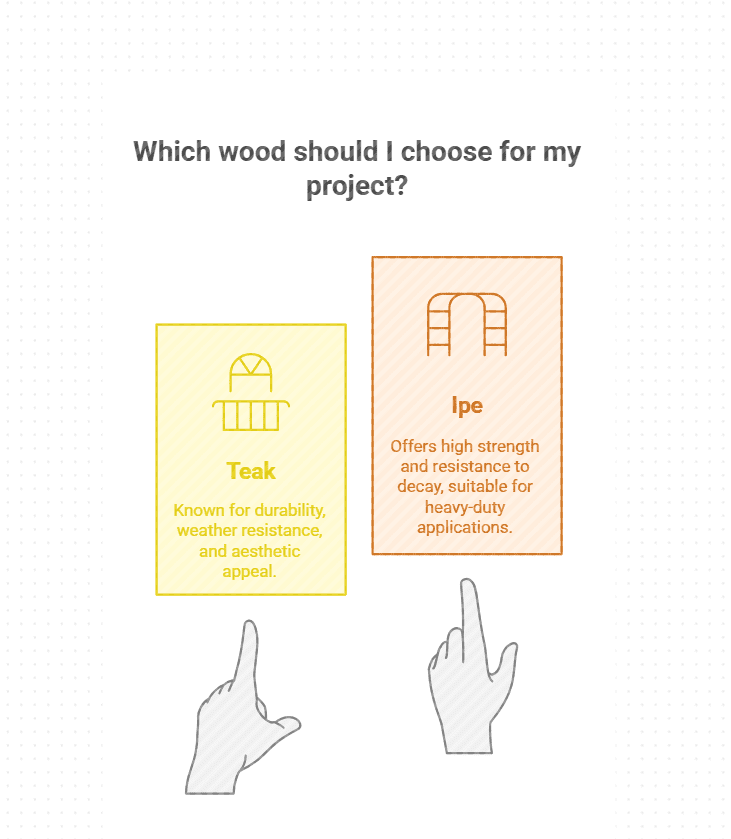
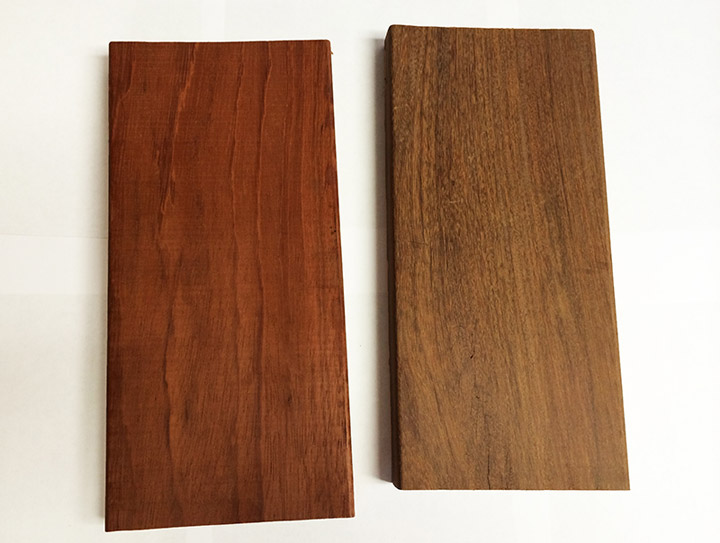
Teak is famous for its natural beauty. It has a rich, golden color. Many people like its smooth texture. Teak is very durable and water-resistant. It can last a long time outside. This wood is easy to work with. Carving and shaping teak is simple. Yet, teak can be expensive. It may not fit every budget. Some people worry about its sustainability. Teak forests are sometimes not managed well. Always check if the teak is from a good source. It should be responsibly harvested.
Ipe is a very hard wood. It is strong and dense. Ipe lasts for many years. It is perfect for outdoor use. This wood is resistant to bugs and rot. Ipe does not scratch easily. It stays smooth for a long time. But, Ipe can be heavy. Cutting and drilling it can be hard. Ipe is dark in color. It may not match all styles. It is also important to check its source. Make sure it comes from a responsible forest.
Credit: www.teakwoodsupply.com
Frequently Asked Questions
Which Is Better, Ipe Or Teak?
Ipe wood is denser and more durable than teak, offering superior resistance to weather and pests. Teak is prized for its natural oils and elegance but is less hard-wearing. Choose Ipe for longevity; select teak for classic beauty. Both are excellent choices for outdoor furniture.
Why Is Teak Wood Illegal?
Teak wood is illegal due to unsustainable logging and deforestation in protected areas. This threatens biodiversity and violates international regulations. Legal restrictions aim to preserve forests and promote responsible sourcing practices. Always verify the origin of teak wood before purchasing to ensure compliance with environmental laws.
What Are The Disadvantages Of Ipe Decking?
Ipe decking can be expensive and difficult to install. It requires regular maintenance to prevent weathering. The wood is very dense, making it hard to work with using standard tools. It can also become slippery when wet, posing a safety hazard.
What Are The Negatives Of Teak?
Teak can be expensive due to its high demand and limited availability. It requires regular maintenance to retain its appearance. Over time, teak can develop a silver-grey patina, which may not appeal to everyone. The harvesting of teak can contribute to deforestation if not sourced sustainably.
Conclusion
Choosing between teak and ipe depends on your needs. Teak offers a warm, classic look. It’s easy to work with and maintain. Ipe is dense and durable. Great for long-lasting projects. Both woods resist weather and insects well. Teak tends to be pricier.
Ipe may need pre-drilling due to its hardness. Consider your budget and project type. Evaluate the wood’s appearance and maintenance needs. Each option has unique benefits. Make the choice that fits your style and environment best.