9 Teak Wood Art Ideas for a Natural, Beautiful Look (+ Care Tips)
Teak wood art works because of its natural oils — the same oils that let outdoor teak furniture go years without rotting also let a carved teak sculpture hold fine detail indoors or out. Skip the wrong grade or finish, though, and a piece can crack, gray unevenly, or dull your carving tools fast. This guide covers 9 teak wood art styles, the grade each one needs, and how to care for it.
Insert your Affiliate Disclosure reusable block here.
Teak Wood Grades at a Glance
Best Teak Wood Care Pick
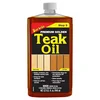
Star brite Premium Golden Teak Oil (32oz) – $29.39
Restores the honey-gold color on Grade-A outdoor teak sculptures and benches once they’ve started silvering — the same natural weathering this guide explains in the Outdoor Pieces section.
- Best for: Refinishing outdoor teak pieces that have already turned gray and need their golden tone restored
- Why we picked it: Formulated with UV blockers and fungicides made specifically for outdoor teak, unlike straight linseed or Danish oil
- Main drawback: Needs reapplication about once a year to keep the golden color from fading back to gray
Compare more teak wood care options
 Option 1 Watco Teak Oil Wood Finish (Quart) – $19.29
|
 Option 2 Furniture Clinic Teak Oil (17oz) – $17.95
|
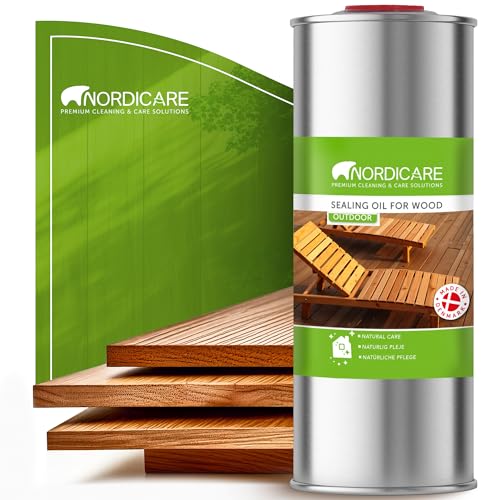
 Option 3 Nordicare Teak Oil for Outdoor Furniture (34oz) – $25.10
|
As an Amazon Associate we earn from qualifying purchases.
Every idea below works differently depending on the grade of teak used. Here’s the quick reference this guide points back to:
| Teak Grade | Oil Content | Approx. Cost/Board Ft | Best For |
|---|---|---|---|
| Grade A (heartwood) | Highest — naturally water/rot resistant | $50–$100+ | Outdoor sculpture, patio furniture, flooring |
| Grade B (outer heartwood) | Moderate | $30–$70 | Indoor furniture, wall art, lighting |
| Grade C (sapwood) | Low — needs added sealant | Under $30 | Small indoor decor, budget accents |
Teak Wood Sculpture
Teak carves cleanly into both abstract shapes and detailed animal figures, and its natural oils mean an outdoor sculpture resists rot and mold without any sealant. The tradeoff is that teak’s high silica content dulls carving tools fast, which is part of why hand-carved teak sculptures usually cost more than the same design cut from a softer wood.
For abstract pieces meant to live outdoors — garden statues, driftwood-style forms — Grade A heartwood is worth the extra cost, since it’s the only grade with enough natural oil to skip oiling altogether. Animal figures and smaller carvings kept indoors do fine in Grade B, since they’re never exposed to rain or direct sun.

Teak Wood Wall Art
Geometric patterns in teak wood wall art turn the grain into part of the design — squares, triangles, and circles cut so the wood’s natural color variation reads as shading. Openwork panels, where sections are carved all the way through rather than just relief-carved, let light filter through and cast shifting shadows on the wall behind them.
Nature-inspired wall art — leaves, trees, branch silhouettes — works well in Grade B or C teak since these pieces hang indoors, away from weather. The warm tones of teak highlight these natural motifs without needing paint or stain to add contrast.
Teak Wood Furniture
Teak wood tables bring warmth to any room, and each one is unique. Handcrafted tables show the skill of the maker and hold up for decades. They fit in both modern and classic homes, and work well for dining rooms or living rooms.
Chairs made from teak wood are special — each one has its own grain pattern. Teak wood chairs are comfortable and sturdy enough for indoor or outdoor use, and they match well with other furniture pieces.
Because handcrafted teak furniture is priced by the grade of wood used, a solid Grade-A dining table costs meaningfully more than one built from Grade-B outer heartwood — see our full teak wood cost breakdown for current per-board-foot pricing before you buy or commission a piece.
Teak Wood Decor
Teak wood mirrors add a natural touch to any room and reflect light well, often set in unique frames that add rustic charm. Teak wood shelves are perfect for showcasing items like books, plants, or art pieces — sturdy and stylish in living rooms and bedrooms alike.
Indoor teak mirrors and shelves rarely need oiling at all, since they’re never exposed to sun or rain. A quick dusting and an occasional wipe with a barely damp cloth is enough to keep the grain from drying out over time.
Teak Wood Outdoor Pieces
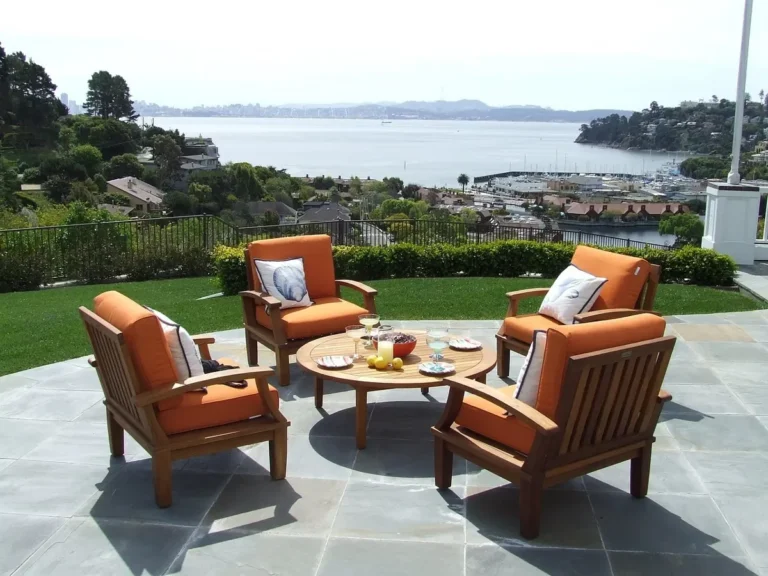
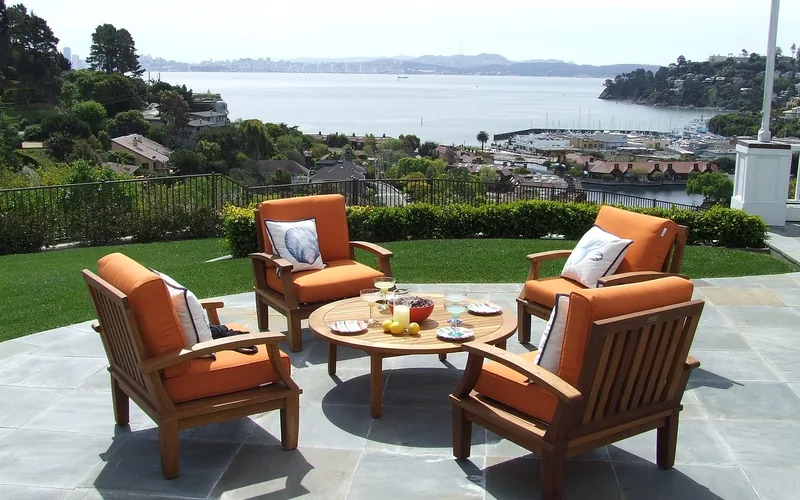
Teak garden benches and patio sets are built from Grade-A wood specifically because that grade’s natural oils resist rot without a sealant — the wood can sit outside through years of rain and sun exposure and still hold its structure. Left unoiled, outdoor teak develops a silvery-gray patina within about six months to a year; this is surface oxidation, not decay, and doesn’t weaken the wood underneath.
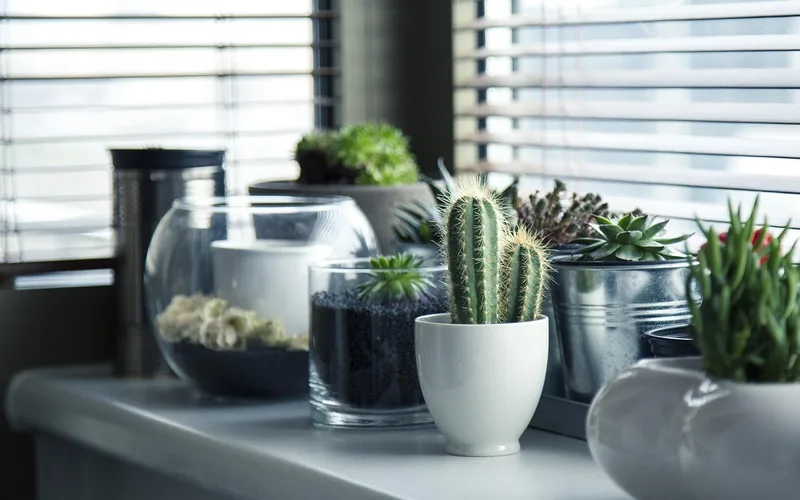
If mildew spots develop in damp climates, clean them off with a soft brush and mild soap rather than a pressure washer, which can strip the surface grain. Small teak accents like side tables and plant stands follow the same care rules as full patio sets, just at a smaller scale.
Teak Wood Lighting
Teak wood chandeliers and pendant fixtures use the wood’s grain pattern as the design itself — thin-cut slats or reclaimed teak pieces let light pass through in uneven bands rather than a flat glow. Because these fixtures hang indoors, Grade B or C teak works fine; there’s no weather exposure to justify paying for Grade A.
Teak table lamps are simpler to source and refinish than chandeliers — a base can be re-oiled in minutes with the same oil used on teak furniture, and the grain pattern means no two lamps look identical even from the same production run.
Teak Wood Kitchenware
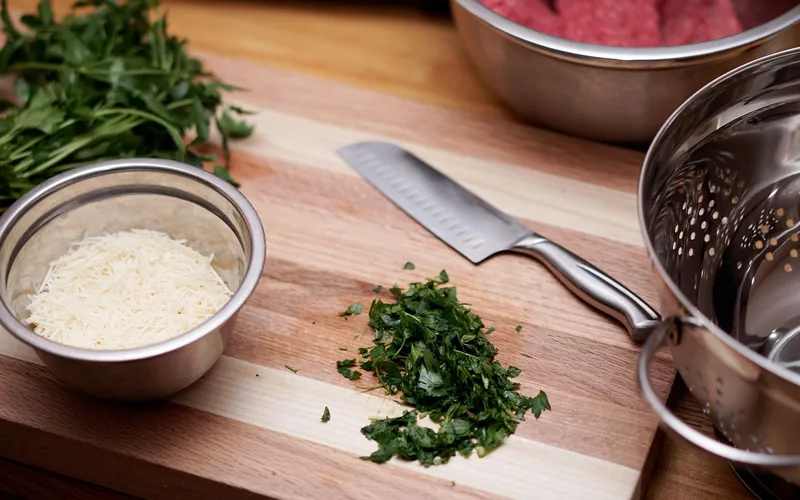
Teak’s natural oils make cutting boards and serving trays water-resistant, which is why teak kitchenware holds up to daily washing better than untreated softwoods. The tradeoff: teak contains more silica than boards made from maple or walnut, so it dulls knife edges a little faster — worth knowing if you’re picky about keeping a chef’s knife sharp.
Serving trays benefit from the same low-maintenance care as cutting boards: wash by hand, dry immediately, and skip the dishwasher, which can crack the wood along the grain over repeated heat cycles.
Teak Wood Accessories
Teak picture frames and wall shelves hold up well because the same oils that protect outdoor furniture also make small accessories resistant to humidity — useful in bathrooms or kitchens where trim pieces often warp. A teak wood frame around a mirror or piece of art adds the same grain variation as a full door frame, just at accessory scale.
Teak jewelry boxes and small keepsake boxes are usually built from Grade B or C offcuts, which keeps the cost down without sacrificing durability for something that mostly sits closed on a dresser. A well-made one is still a solid gift idea for someone who already owns teak furniture.
Teak Wood Flooring
Teak wood flooring costs more than most hardwood options — Grade-A flooring-grade teak commonly runs well into three figures per board foot — but its natural oil content means it resists water damage and daily foot traffic better than oiled or lacquered alternatives that need refinishing every few years.
📊 Teak harvested under Forest Stewardship Council (FSC) certification comes from forests independently audited for sustainable regrowth. — Source: Forest Stewardship Council
A teak wood bed frame paired with teak flooring keeps the grain and tone consistent across a room, which is why bedroom installations often extend the same flooring choice into custom furniture pieces.
Frequently Asked Questions
Is teak wood good for carving art?
Yes. Teak carves cleanly into both abstract and detailed shapes, and its natural oils make finished pieces resistant to water and mold without any added sealant. The one downside is that teak’s silica content dulls carving tools faster than softer woods, which is part of why hand-carved teak pieces often cost more.
Does teak wood art need to be oiled or sealed?
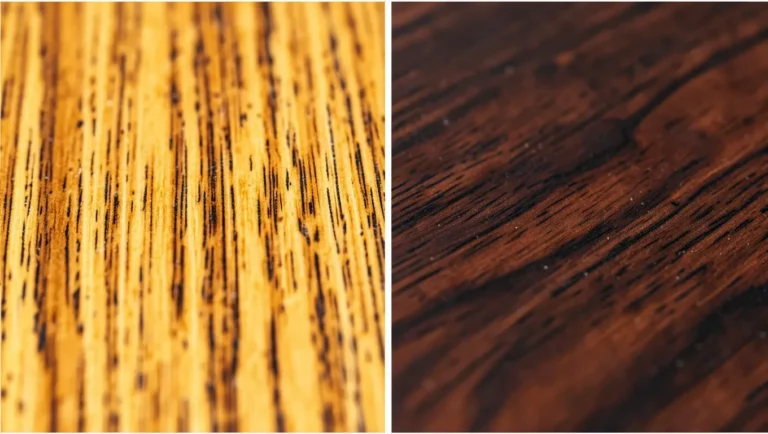
Not for durability. Teak’s natural oils already protect it from rot and insects. Oiling is mostly cosmetic — it keeps the honey-gold color from fading to silver-gray. Indoor teak can be re-oiled every 3–4 months to keep the original tone; outdoor teak is often left untreated since oiling can encourage mildew.
Why does outdoor teak wood turn gray over time?
Sun and rain break down the surface oils and pigments, leaving a silvery-gray patina within about six months to a year. This is a natural, protective form of oxidation, not decay — the wood underneath stays just as strong, and many owners leave it unoiled on purpose for the weathered look.
What grade of teak is best for wood art and furniture?
Grade A heartwood is best for anything staying outdoors or getting heavy use, since it has the most natural oil and needs no added sealant. Grade B suits indoor furniture and wall art. Grade C sapwood works for small decor pieces where cost matters more than weather resistance, but it needs an added sealant to last.
Conclusion
Teak wood art holds up because of the wood itself — the same natural oils that protect an outdoor bench also let a small carved figure sit on a shelf for decades without cracking. Matching the grade to the piece, and oiling only where it’s actually needed, is what keeps any of these nine ideas looking good years after the first cut.
For more on choosing, cleaning, and restoring teak specifically, browse our full teak wood hub — it covers color, cost, and every stage of care this guide references.
Sponsored / affiliate links. As an Amazon Associate I earn from qualifying purchases. I may earn additional commission from eligible campaigns.