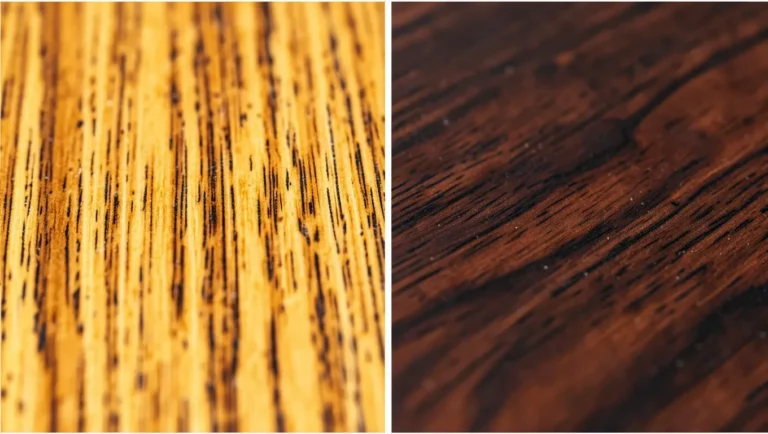
How to Remove Stains from Teak Furniture (All Stain Types)
To remove stains from teak furniture, use the right method for the stain type: dish soap and warm water for food and grease, oxalic acid (teak brightener) for black mold stains and water rings, rubbing alcohol for ink, and 0000-grade steel wool plus teak oil for deep water marks. Always scrub along the wood grain, never across it, to avoid scratching the surface fibers.
For more, see our dark stain removal guide and our guide on teak wood cooking utensils.
⚡ Quick Answer: Teak Stain Removal by Type
| Stain Type | Best Method | Product |
|---|---|---|
| Food / Grease / Coffee | Dish soap + warm water + soft brush | Dish soap (Dawn), soft-bristle brush |
| Black mold / dark stains | Oxalic acid teak cleaner + scrub | Star Brite Teak Cleaner, Semco Cleaner |
| Water rings / white marks | 0000 steel wool + teak oil rub | 0000 steel wool, teak oil |
| Ink stains | Rubbing alcohol + cotton ball, dab | Isopropyl alcohol 70–90% |
| Mildew / green algae | Diluted white vinegar + scrub, rinse | White vinegar 1:1 water, soft brush |

Understanding Teak and Why It Stains
Best Teak Stain Remover

Star Brite Teak Cleaner & Brightener
Two-part oxalic acid formula removes black stains, mildew, and deep discoloration from teak. Restores natural golden color. Safe for indoor and outdoor teak furniture.
- Best for: Black stains, mold, mildew, and deep teak discoloration
- Why we picked it: Oxalic acid targets tannin stains specifically; two-part system cleans then brightens
- Main drawback: Requires rinsing and drying before re-oiling; can lighten weathered gray teak
Compare teak cleaning tools
 Option 1 3M Pro Grade Sandpaper (150 + 220 Grit)
|
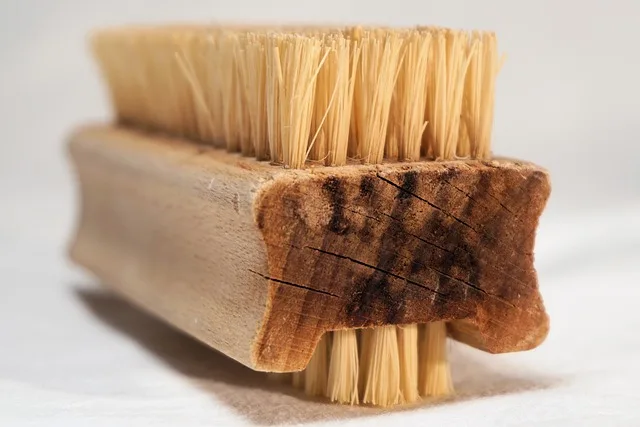 Option 2 Teak Wonder Soft Brush Kit
|
Option 3 Teak Oil (Post-Cleaning Protection)
|
As an Amazon Associate we earn from qualifying purchases.
Teak is a dense hardwood (Tectona grandis) prized for its high silica content and natural teak oils — primarily tectoquinone and other resin compounds — that make it exceptionally durable outdoors. These oils repel moisture over time, but they don’t make teak stain-proof. Food acids, iron tannin reactions (causing black stains), UV exposure, and surface mold all create visible marks that require targeted treatment. Related: how teak compares to cedar for outdoor use.
Knowing the stain source before you reach for a cleaner prevents accidental damage. The wrong product — chlorine bleach, for example — strips teak’s natural oils and causes surface bleaching that’s difficult to reverse without aggressive sanding.
Essential Tools and Supplies
| Item | Use |
|---|---|
| Soft-bristle brush (natural fiber) | General scrubbing along grain without scratching |
| 0000 steel wool | Water rings, stubborn stains — extremely fine grade only |
| Oxalic acid teak cleaner | Black stains, mold, iron tannin discoloration |
| Dish soap (mild) | Food grease, coffee, beverage spills |
| Teak oil or teak sealer | Post-cleaning restoration of surface oils |
| White vinegar (diluted 1:1) | Mildew, green algae, surface grime |
| Isopropyl alcohol 70–90% | Ink, marker, dye stains |
How to Remove Stains from Teak Furniture: By Stain Type
Food, Coffee, Grease, and Wine Stains
These are the most common teak furniture stains and respond well to simple soap-and-water treatment when addressed promptly.
- Mix a few drops of mild dish soap with warm water in a bucket.
- Dip a soft-bristle brush into the soapy water and scrub the stained area along the wood grain.
- Rinse with clean warm water, wiping away all soap residue.
- Dry with a clean cloth and allow the surface to air-dry fully (30–60 minutes).
- If the stain persists after drying, repeat with slightly more soap and a slightly firmer brush pressure.
Key rule: Always scrub with the grain — across the grain leaves visible scratches in the wood fiber. Grease stains respond faster when the wood is slightly warm from sun exposure before cleaning.
Black Stains and Dark Discoloration
Black stains on teak are almost always caused by iron tannin reactions — where tannins in the teak wood react with iron minerals in water, rain runoff, or metal furniture feet. This creates dark gray to black spots that soap and water won’t touch. Oxalic acid is the correct solution.
- Apply a commercial teak cleaner containing oxalic acid (Star Brite, Semco, or Ronseal Teak Oil Restorer) to the black stained area.
- Let it dwell for 5–10 minutes per label instructions — do not let it dry.
- Scrub firmly with a natural-fiber brush along the grain.
- Rinse thoroughly with clean water and allow to dry completely (24 hours).
- Once dry, apply teak oil or sealer to restore the wood’s natural tone.
Do not use bleach for black teak stains — chlorine bleach permanently strips teak’s natural oils and turns the surface gray-white. Oxalic acid removes the stain while preserving the wood.
Water Rings and White Stains
White rings and water marks appear when moisture gets trapped in the wood’s surface fibers. The fix depends on severity.
- Light marks: Rub the stained area with a small amount of teak oil on a soft cloth, working along the grain. The oil displaces trapped moisture and blends the mark into the surrounding wood. Let dry 1–2 hours.
- Stubborn rings: Dip 0000-grade steel wool into a small amount of teak oil. Rub very gently along the grain over the ring. The micro-abrasion opens the grain slightly, allowing the oil to penetrate. Wipe clean and apply a final coat of teak oil.
- Deep water damage: Sand lightly with 150-grit, then 220-grit sandpaper along the grain to remove the damaged fibers, then re-oil the entire surface to even out color.
Ink and Dye Stains
Ink, pen, and dye stains require solvents to break down the pigment before it bonds permanently into the wood.
- Dab (do not rub) 70–90% isopropyl alcohol onto a cotton ball or clean cloth.
- Press the cotton ball onto the stain and hold for 15–20 seconds. The alcohol lifts the ink without spreading it.
- Blot the loosened ink away. Repeat with fresh cotton as needed.
- Once the stain is gone, clean the area with mild soap and water, then apply teak oil to restore the surface.
Mold and Mildew Stains
Green, gray, or fuzzy surface growth is mold or mildew — common on outdoor teak kept in damp, shaded areas.
- Mix equal parts white vinegar and water in a spray bottle.
- Spray the affected areas and let sit for 5–10 minutes.
- Scrub with a soft brush along the grain.
- Rinse thoroughly with clean water and dry completely.
- For severe mildew, use an oxalic acid teak brightener instead of vinegar — it’s more effective at removing deep mold discoloration.
Protecting Teak Furniture After Stain Removal
After cleaning, teak’s surface pores are open and vulnerable. Re-oiling or sealing within 24 hours prevents new stains from penetrating and restores the warm honey-brown color that differentiates well-maintained teak from neglected gray wood. For a complete teak care routine, read our guide on how to recondition teak wood.
Teak oil vs. teak sealer: Teak oil (linseed or tung-oil based) penetrates into the wood and must be reapplied every 6–12 months. Teak sealer (like Semco or Teak Guard) forms a light surface barrier that lasts 1–2 years per application. For low-maintenance teak, sealer is the better long-term choice.
What to Avoid When Cleaning Teak
- Chlorine bleach: Destroys teak’s natural oils, causes permanent whitening, weakens wood fibers over time.
- Pressure washing (high PSI): Blasts away the wood’s surface grain and opens fibers to faster weathering. If you must use a pressure washer, keep pressure below 1,500 PSI and maintain 12+ inches distance.
- Coarse steel wool (anything coarser than 0000): Leaves scratches that create channels for moisture to penetrate.
- Scrubbing across the grain: Leaves visible scratch marks perpendicular to the grain pattern that won’t sand out easily.
- Ammonia-based cleaners: Like bleach, ammonia dries out teak and can cause discoloration.
Frequently Asked Questions
How do I remove black stains from teak furniture?
Black stains on teak are caused by iron tannin reactions — tannins in the teak react with iron in water or metal feet, creating dark stains. Use an oxalic acid teak cleaner (Star Brite, Semco) applied to the stain, left for 5–10 minutes, then scrubbed along the grain and rinsed. Do not use bleach — it strips teak’s natural oils and causes permanent whitening.
Can I use bleach on teak furniture?
No. Chlorine bleach damages teak permanently by stripping its natural oils and causing white discoloration. For dark stains and mold, use an oxalic acid-based teak cleaner instead. For general cleaning, mild dish soap and water is sufficient and safe.
How do I remove water rings from teak?
For light water rings, rub teak oil into the mark with a soft cloth along the grain — the oil displaces trapped moisture and blends the ring into the surrounding wood. For stubborn rings, use 0000-grade steel wool dipped in teak oil, rubbing very gently along the grain. Wipe clean and apply a final coat of teak oil to even the surface.
How often should I clean my teak furniture?
For outdoor teak, clean thoroughly every 3–6 months depending on exposure. Wipe down immediately after food or drink spills. Re-oil or seal once or twice a year to maintain the surface and prevent stains from penetrating. Indoor teak requires only occasional dusting and a light cleaning every few months.
What is the best teak stain remover?
For black and mold stains, Star Brite Teak Cleaner and Brightener (oxalic acid formula) is widely regarded as the most effective commercial teak stain remover. For water rings and light surface marks, 0000 steel wool with teak oil is the most reliable DIY method. Always re-oil the surface after any cleaning treatment to restore protection.
Sponsored / affiliate links. As an Amazon Associate I earn from qualifying purchases. I may earn additional commission from eligible campaigns.