12 Teak Wood Flooring Ideas for a Warm, Elegant Look
Teak wood flooring pairs a tight, oily grain with natural resistance to water, rot, and termites – but only Grade A boards deliver the 50-plus-year lifespan teak is known for; Grade C teak can warp within a decade. This guide covers real cost per square foot, what separates the grades, and 12 room-by-room design ideas.
Quick Answer
Teak wood flooring costs $11 to $25 per square foot for materials, with solid Grade A boards at the top of that range. It resists water, rot, and termites better than most hardwoods and needs little upkeep beyond an occasional oiling. Skip Grade C teak for floors – it has almost no natural oil left to protect it.
Teak Wood Flooring Cost and Grades: What You’re Paying For
Best Teak Floor Care Pick
STAR BRITE Premium Golden Teak Oil
A marine-grade sealer and finish built for teak decks, so it holds up well on high-traffic teak flooring too.
- Best for: general oiling and sealing of teak floors and furniture
- Why we picked it: trusted marine-grade brand, formulated specifically for teak’s oil content
- Main drawback: stronger solvent smell during application than water-based options
Compare more teak floor care options
 Option 1 Furniture Clinic Teak Oil
|
 Option 2 Nordicare Teak Oil (84 oz)
|
 Option 3 Furniture Clinic Teak Care Kit
|
As an Amazon Associate we earn from qualifying purchases.
Teak flooring materials run $11 to $25 per square foot. Engineered teak starts around $7 to $16 per square foot, while premium solid teak reaches $12 to $25 per square foot. Installed, a 300-square-foot room typically lands between $3,600 and $6,000 for engineered teak, or $6,500 to $11,000 for premium solid boards (Source: flooring industry cost guides, 2026). For a closer look at pricing by cut and origin, see our teak wood cost breakdown, and for how teak stacks up against other species overall, our teak wood hub covers color, cleaning, and care in more depth.
What Grade A, B, and C Actually Mean
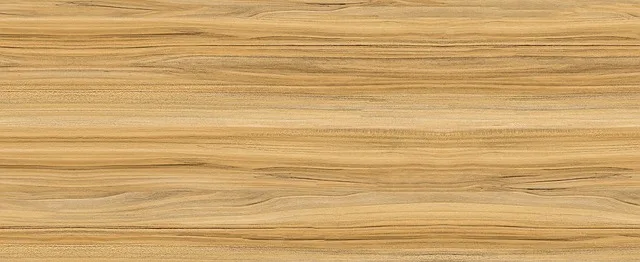
Teak grade isn’t a marketing label – it describes which part of the tree the board came from and how much natural oil it still holds. Grade A comes from the heartwood: tight, uniform grain, deep golden color, and the highest oil content, which is what lets it resist rot and water without added finish. Grade B comes from the outer trunk, is lighter with a less even grain, and holds noticeably less oil. Grade C comes from the outermost wood, is pale and knotty, and has almost no oil left – a poor choice for flooring even at the lowest price.
| Grade | Oil Content & Look | Best For |
|---|---|---|
| Grade A | High oil, deep golden, tight uniform grain | Flooring, high-traffic rooms, unfinished outdoor use |
| Grade B | Moderate oil, lighter tone, less even grain | Furniture, lower-traffic indoor floors |
| Grade C | Minimal oil, pale, knotty | Not recommended for flooring |
Classic Teak Wood Designs
Classic teak flooring leans on the wood’s natural color and grain rather than an elaborate layout. It works because teak ages well: a floor installed today typically looks richer in a decade than it does the day it’s finished, developing a deeper patina with light and normal use.
Timeless Appeal
Teak’s natural oils make it water-resistant and pest-resistant without a factory finish, which is part of why it’s been used in boatbuilding for well over a century. In a living room or bedroom, that translates to a floor that ages instead of wearing out – light scuffs tend to blend into the grain rather than stand out the way they do on paler woods.
Teak Wood Flooring Maintenance and Care
Teak’s natural oils do most of the maintenance work for you, but a few habits keep flooring looking golden instead of turning gray-silver before you want it to. See our full teak cleaning guide for stain-specific fixes.
A 5-Step Cleaning and Care Routine
- Sweep or vacuum weekly: grit trapped under foot traffic is what actually scratches teak, not the wood itself.
- Mop with a barely-damp cloth and a mild soap solution – teak is water-resistant, not waterproof, so standing water and steam mops both need to be avoided.
- Blot spills immediately with a soft cloth instead of scrubbing, to prevent staining.
- Add furniture pads and entrance mats in high-traffic areas to cut down on the grit that causes most surface wear.
- Re-oil every 12 months indoors (or every 6-9 months outdoors, or in direct sun) with a pure teak oil; skip wax, which builds up and gets slippery over time.
Do You Have to Oil It?
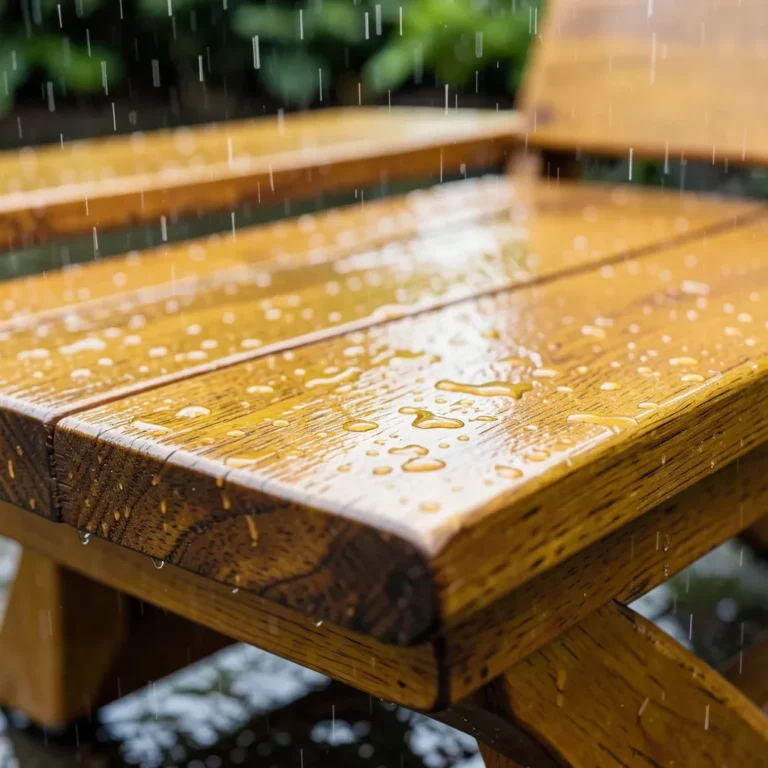
No – oiling is a color choice, not a durability requirement. Teak’s own oils already protect it from rot and pests, so you can let it weather to a silver-gray patina and skip finishing altogether. Oiling simply restores and locks in the golden-brown tone. Once you start oiling a floor, plan to keep it up on a schedule, since a partially oiled floor weathers unevenly.
“A mistake we see often: buyers assume a darker board is automatically Grade A. Color alone isn’t reliable – grade comes down to oil content and grain uniformity, and that shows up more in how a floor holds up over a decade than in how it looks on day one.”
Modern Teak Wood Styles
Modern teak flooring is less about the species and more about the finish and plank width. A high-gloss finish reads sleek and reflects light, which suits contemporary homes that lean bright and open. A matte or oiled finish feels warmer and hides everyday scuffs better in a busy household.
Contemporary Finishes
High-gloss teak works well as a statement floor in open-plan living areas, where the sheen bounces light around the room. Matte-finished teak trades a bit of shine for a more understated, cozy feel – a better fit if the room already has a lot of visual activity from furniture or art.
Minimalist Aesthetics
Minimalist teak flooring favors wide planks and seamless transitions between rooms, which can make a space read larger than it is. Light-colored, lightly oiled teak reflects more light than a dark stain, an effective trick in smaller rooms where every inch of visual space counts.
Rustic Teak Wood Flooring
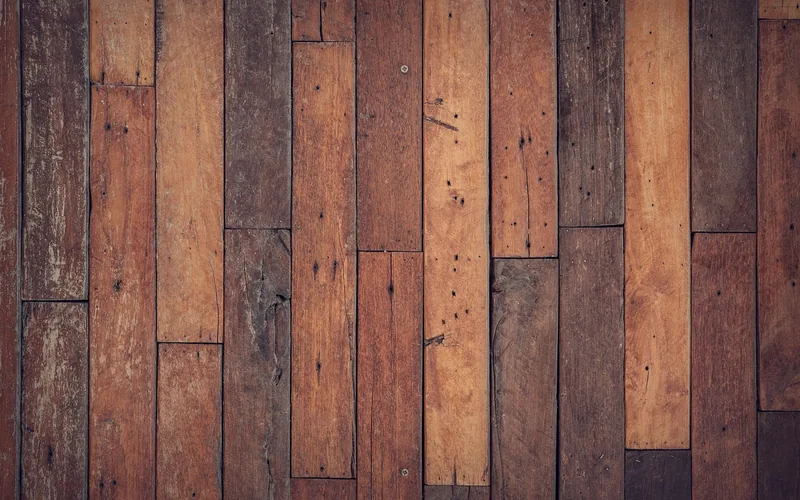
Rustic teak flooring puts the wood’s imperfections on display instead of sanding them away. Its warm tones and distinct grain patterns create a lived-in feel that fits both farmhouse and industrial interiors.
Natural Textures
Rustic-grade boards keep the grain and small knots that higher grades sand smooth. Each plank ends up genuinely one-of-a-kind, which is the appeal – and part of why rustic-grade teak tends to cost less than a uniform, knot-free Grade A floor.
Vintage Charm
Reclaimed teak brings genuine age to a floor – salvaged boards often come from old boats, warehouses, or furniture, and carry a texture new wood can’t fake. It pairs well with both antique and contemporary furniture, since the aged look reads as intentional rather than worn out.
Teak Wood Flooring Patterns
The layout, not just the wood, is what makes a teak floor look designed rather than default. Two patterns come up most often: herringbone and chevron. Getting the plank direction right relative to the room’s main sightline matters as much as the pattern choice itself.
Herringbone Design
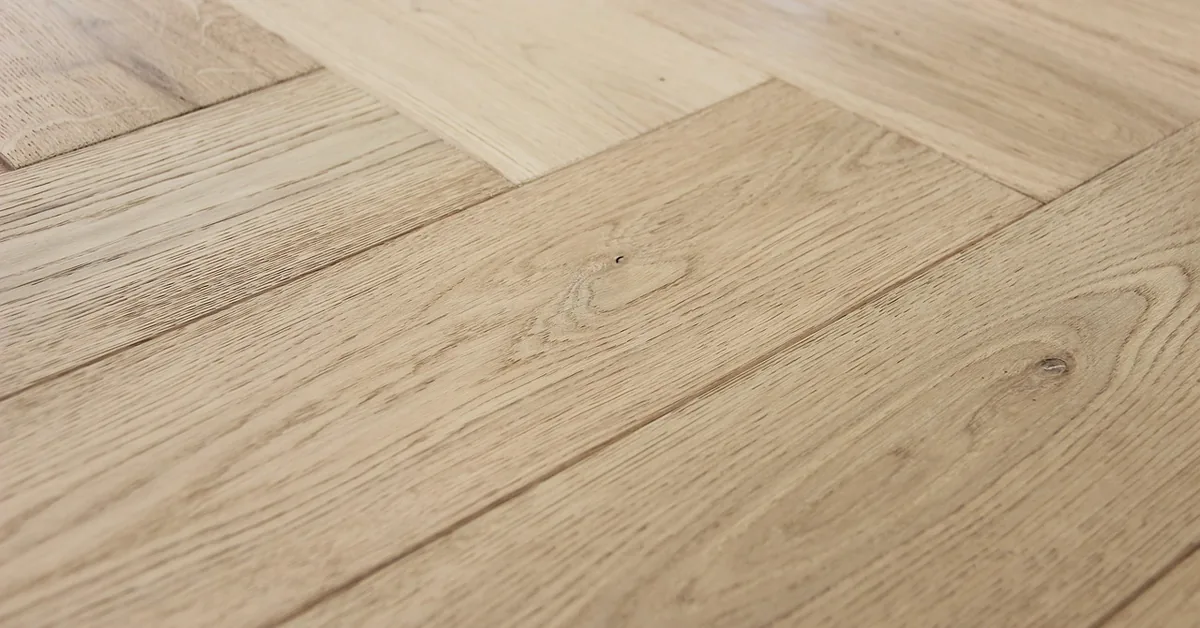
Herringbone lays each plank at a right angle to the next, forming a zigzag “V” pattern. It works in both traditional and modern rooms and tends to make small rooms look larger, since the eye follows the repeating angles across the floor rather than stopping at a single sightline.
Chevron Layout
Chevron is herringbone’s more formal cousin: planks are mitered so they meet at an angle and form a continuous “V” with no offset, giving a seamless, flowing look. It reads as more polished than herringbone and works especially well in dining areas and hallways, where the continuous lines draw the eye down the room.
Teak Wood in Living Rooms
Teak’s rich tones and grain make it a strong fit for a living room that gets heavy daily use but still needs to look intentional. It pairs equally well with a cozy, textile-heavy setup or a more pared-back, furniture-forward one.
Cozy Ambiance
Teak’s warmth pairs naturally with plush rugs, soft furnishings, and floor cushions – the wood provides the visual anchor while the textiles do the work of making the room feel inviting. It’s a floor that reads warm even in a room with minimal decor.
Elegant Decor
Teak’s golden hues complement both clean-lined modern furniture and classic leather pieces, which is part of why it works across so many decorating styles without a full remodel. Statement lighting fixtures that cast a warm glow tend to enhance the wood’s natural color rather than compete with it.
Teak Wood for Kitchens
Teak’s water and stain resistance make it one of the more practical hardwood choices for a kitchen, where spills are routine rather than occasional. Unlike softer woods, it resists warping and cracking from the daily temperature and humidity swings a kitchen produces.
Durability
Teak’s natural oils are what give it an edge over other hardwoods in a kitchen setting – they slow water absorption at the surface, which is exactly where a kitchen floor takes the most abuse from spills and dropped items.
Stylish Functionality
Teak blends into modern, rustic, and traditional kitchens alike without forcing a redesign around it, which is unusual for a flooring material this distinctive-looking. It adds warmth without competing with cabinetry or countertops for attention.
Teak Wood in Bedrooms
Teak flooring in a bedroom leans into comfort as much as style – the wood’s smooth texture and warm tone make it one of the more pleasant hardwoods to walk on barefoot, and it pairs with almost any furniture style.
Warmth and Comfort
Teak’s natural hues and smooth grain create a welcoming surface underfoot, and unlike tile or stone, it doesn’t hold cold the way harder flooring materials do – a genuine practical advantage in a bedroom used barefoot in the morning.
Sophisticated Look
Teak’s grain patterns are unique board to board, which gives a bedroom floor a sense of character that manufactured flooring can’t replicate. It pairs equally well with minimalist furniture for a modern feel or antique pieces for a more classic look.
Outdoor and Bathroom Teak Wood Flooring
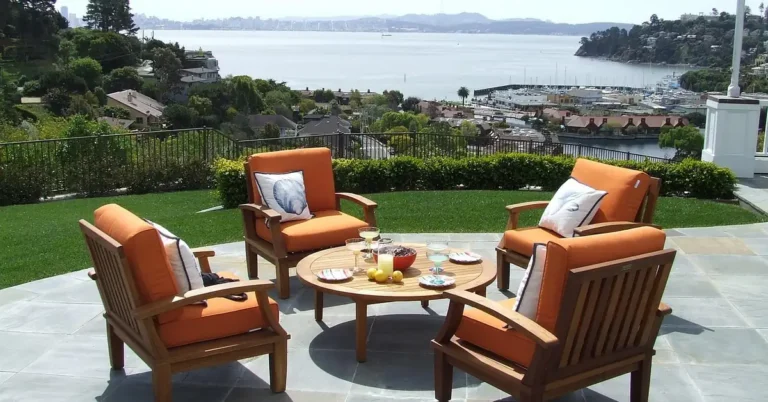
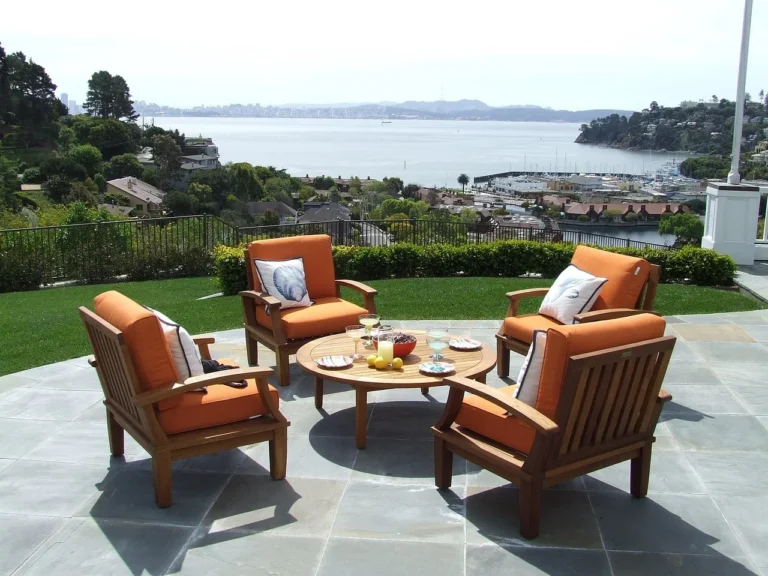
Outdoor teak flooring is where the wood’s reputation actually comes from – it’s the same material used on boat decks, so patios, decks, showers, and even sauna floors are all realistic uses. Its natural oils resist rot, pests, and standing water better than most alternatives, with only minimal maintenance.
Weather Resistance
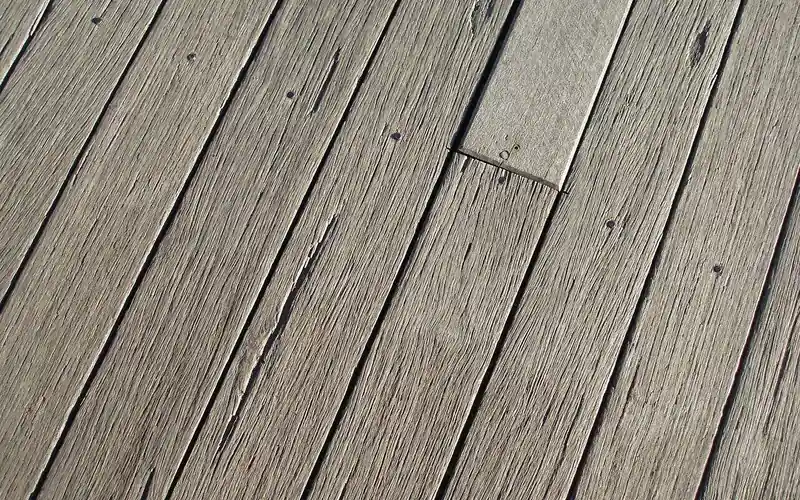
Left unoiled outdoors, teak weathers to a silver-gray patina rather than rotting or splitting, which is why marine-grade teak decking is often left untreated on purpose. It also resists termites and other wood-boring pests better than most softwoods and many hardwoods.
Showers and Wet Areas
Teak slats are a common choice for shower floors and bath mats because the wood sheds water instead of absorbing it, and its natural oils resist the mildew growth that plagues other woods in constantly damp spaces. Spacing slats slightly apart lets water drain through rather than pool on the surface.
Eco-Friendly Teak Wood Options
Choosing responsibly-sourced teak adds an environmental angle to an otherwise style-driven decision. Overharvesting has made some teak species endangered, so sourcing matters more here than with most flooring materials.
Sustainable Sources
Sustainably harvested teak comes from managed forests that replant what they cut. Reclaimed teak is the other route – salvaging wood from old structures or boats avoids new harvesting entirely and gives a floor genuine history along with its grain.
Certifications to Look For
Forest Stewardship Council (FSC) certification is the main signal that teak was harvested responsibly and under fair labor standards. Only common teak (Tectona grandis) is legal to export from most sources – other teak species are protected, so certification also functions as a legality check, not just a sustainability one.
Teak Wood Stain Choices
Stain color changes how a teak floor reads more than almost any other decision in this list, since teak’s natural golden tone is warm enough to shift a room’s whole feel depending on how light or dark it’s finished.
Light Stains
Light stains keep teak’s grain visible and brighten a room, which works particularly well in coastal or Scandinavian-style interiors paired with white walls and minimal decor.
Dark Finishes
Dark finishes add depth and a more formal, hotel-lobby feel, and they also hide scuffs and everyday wear better than light finishes – a practical upside in busy households, not just a look.
Teak Wood and Interior Design
Teak wood flooring is versatile enough to anchor a range of styles and color schemes without a full room redesign. The main decision is what to put with it, not whether it will work.
Complementary Colors
Light neutrals – white, cream, beige – brighten a room and let teak’s grain stand out. Deeper blues and greens create contrast against teak’s warm tones for a bolder look, while soft pastels soften the wood’s strong presence for a calmer feel.
Furniture Pairings
Light-colored furniture keeps a teak floor as the visual focal point without overwhelming the room. For a richer look, pair teak floors with dark wood furniture like walnut or mahogany, adding lighter accents so the room doesn’t feel heavy. A matching teak chair or two ties the floor and furniture together without looking matchy.
Frequently Asked Questions
How much does teak wood flooring cost?
Teak flooring materials cost $11 to $25 per square foot. Engineered teak runs $7 to $16 per square foot; premium solid Grade A teak runs $12 to $25 per square foot. Installed costs for a typical room range from about $3,600 to $11,000 depending on grade and construction type.
What’s the difference between Grade A and Grade B teak flooring?
Grade A teak comes from the tree’s heartwood and has the tightest grain, deepest color, and highest natural oil content. Grade B comes from the outer trunk, is lighter in color with a less even grain, and holds noticeably less oil, making it less durable for flooring use.
How long does teak flooring last?
Grade A teak flooring can last 50 years or more with basic care, thanks to its natural oil content and resistance to rot, water, and pests. Lower grades with less natural oil have noticeably shorter lifespans, even with regular oiling.
Can teak flooring be used in bathrooms or showers?
Yes. Teak’s natural oils shed water and resist the mildew growth that damages other woods in wet areas, which is why teak slats are a common choice for shower floors and bath mats. Spacing boards slightly apart helps water drain instead of pooling.
Does teak flooring need to be oiled or sealed?
Not for durability – teak’s own oils already protect it from rot and pests. Oiling is a color choice that restores the golden-brown tone and prevents the natural gray-silver weathering that happens over time outdoors.
Conclusion
Teak wood flooring earns its price with a lifespan and water resistance that most hardwoods can’t match, but only when the grade matches the room – Grade A for anywhere that gets real traffic or moisture, lower grades only where cost matters more than longevity. Whether it’s a herringbone living room floor or a weathered teak shower deck, the same rule holds: check the grade before the color.
Sponsored / affiliate links. As an Amazon Associate I earn from qualifying purchases. I may earn additional commission from eligible campaigns.