Termite Exit Holes: Identifying and Preventing Infestations
Termite exit holes are small but significant. These tiny openings can mean big trouble for your home.
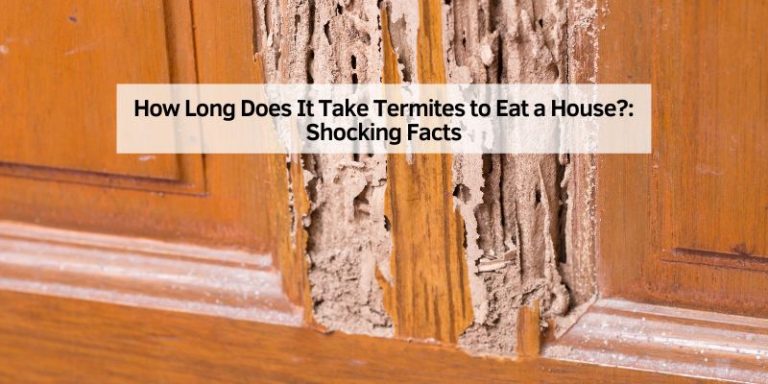
Termites are silent destroyers, often going unnoticed until they cause severe damage. They create exit holes as they leave their nests, which can be a clear sign of an infestation. Understanding termite exit holes is crucial for homeowners. Spotting these holes early can save you from expensive repairs.
In this blog, we will explore what termite exit holes look like, why termites create them, and how to handle an infestation. Stay with us to learn how to protect your home from these destructive pests. Your peace of mind starts with knowing what to look for and what steps to take.
Introduction To Termite Exit Holes
Termite exit holes are tiny openings created by termites as they leave their nests. These small holes are often found on wooden structures. Spotting them early can help in identifying a termite infestation.
Termites can be a homeowner’s worst nightmare. They silently chew through wooden structures, causing extensive damage. But how do you know if termites have invaded your home? One telltale sign is termite exit holes. These tiny openings might seem insignificant, but they reveal a lot about termite activity. Let’s dive deeper into what termite exit holes are and why termites create them.
What Are Termite Exit Holes?
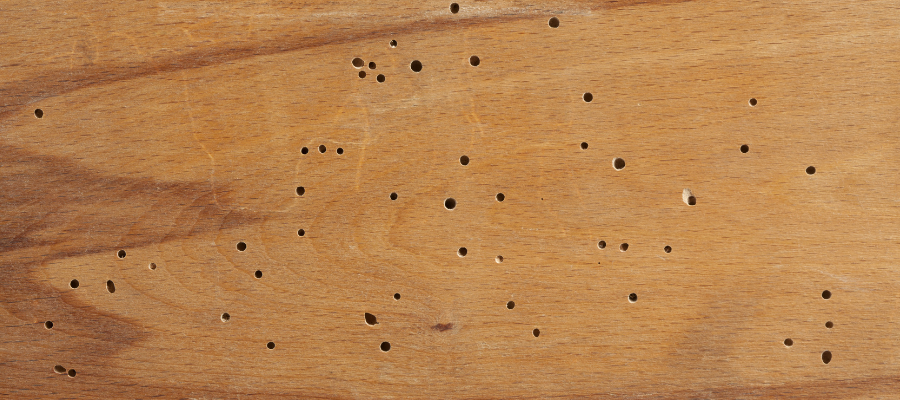
Termite exit holes are small, round openings in wood or walls. They are usually about the size of a pencil tip. These holes are made by termites as they leave the nest. The purpose of these holes is to allow winged termites to escape and start new colonies. You might also notice a powdery substance near these holes. This is termite droppings, also known as frass.
Why Termites Create Exit Holes
Termites create exit holes for reproduction. Winged termites, also called swarmers, use these holes to leave the nest. They fly out to find mates and establish new colonies. Exit holes are often a sign of a mature termite colony. The presence of these holes means termites have been active for some time. Identifying these holes early can help prevent further damage to your home.
Types Of Termites
Hey friends, today we’ll talk about an important topic: termites. Termites can be a huge problem. They eat wood and can destroy your home if you’re not careful. But did you know there are different types of termites? Let’s break them down so you can understand better.
Subterranean Termites
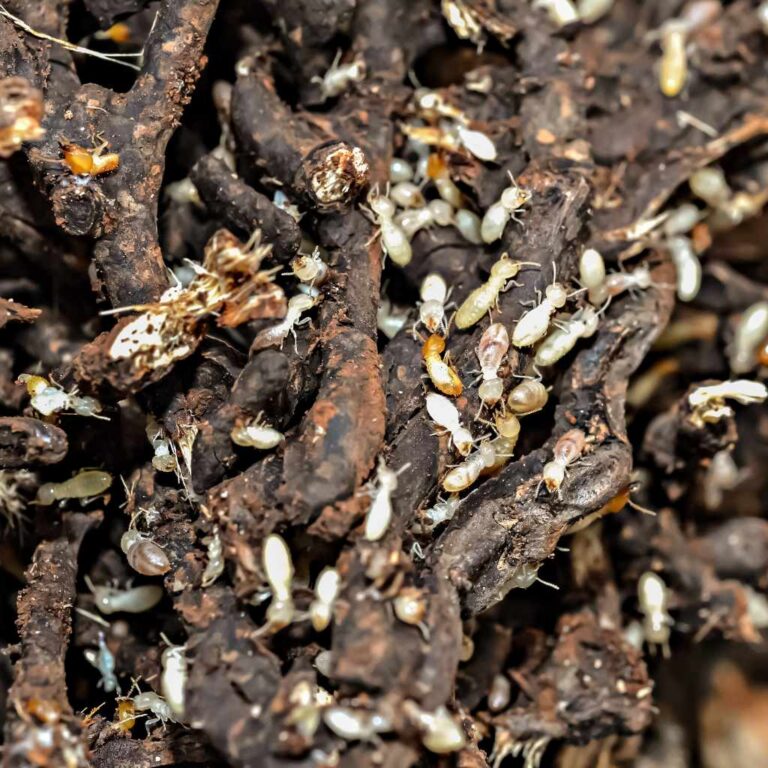
Subterranean termites live in the soil. They build big nests underground. These termites travel through mud tubes to find wood to eat. They need moisture to survive. So, they stay close to the ground or find damp places.
- Where they live: Underground, in soil
- What they eat: Wood, leaves, and other plant materials
- How to spot them: Look for mud tubes around your home
Fun fact: I once saw a house with tiny mud tubes running up the side. It was a clear sign of subterranean termites. Scary, right?
Drywood Termites
Drywood termites are different. They do not need soil to live. These termites live inside the wood they eat. They can infest furniture, doors, and even picture frames.
- Where they live: Inside dry wood
- What they eat: Dry wood structures
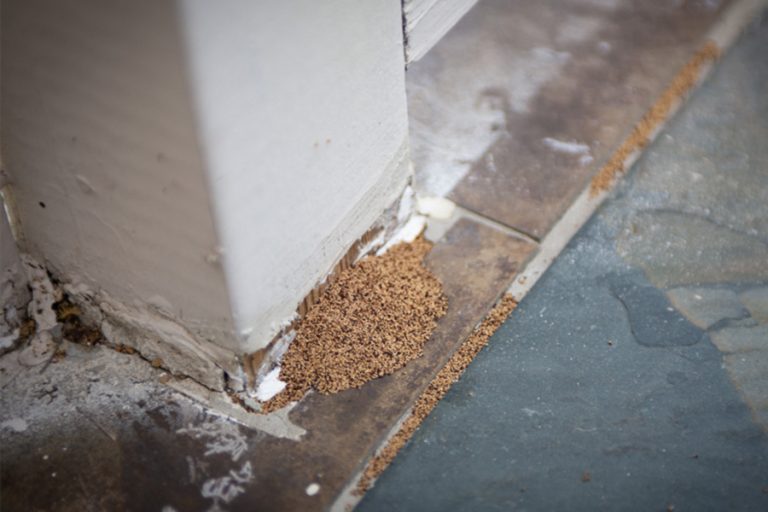
- How to spot them: Look for small piles of wood dust or termite pellets
Imagine finding wood dust under your favorite chair. That could be a sign of drywood termites. Yikes!
Dampwood Termites
Dampwood termites are the third type. They love moisture. These termites live in wet and decaying wood. You often find them in areas with high humidity, like basements or bathrooms.
- Where they live: In damp, decaying wood
- What they eat: Wet, rotting wood
- How to spot them: Check for damaged wood in moist areas
The good news? Dampwood termites are less common in homes. But, if you have a leak, they might come knocking!
So, there you have it. The three types of termites: subterranean, drywood, and dampwood. Knowing these types can help you spot an infestation early. And remember, always keep an eye out for those telltale signs!
Signs Of Termite Infestation
Hey there, worried about termites? You should be. These tiny insects can cause big trouble. Knowing the signs of termite infestation can save you from costly repairs. Here are some common signs to watch out for. Let’s dive in!
Visible Exit Holes
Have you noticed small holes in your walls or furniture? These could be termite exit holes. Termites create these when they leave their nests. They are tiny, about the size of a pencil tip.
- Look for small, round holes.
- Check wooden surfaces and structures.
- Pay attention to areas near the ground.
In my own home, I once found these holes in my basement. It was a clear sign of termites. I called a professional immediately. You should too if you see these holes.
Mud Tubes And Droppings
Termites often build mud tubes. These tubes help them travel and stay moist. You might find them on walls, foundations, or in crawl spaces.
- Look for thin, mud-like tubes.
- Check the foundation of your home.
- Inspect crawl spaces and basements.
Another sign is termite droppings. These look like tiny wood-colored pellets. If you spot these, it’s a sure sign of termites.
- Check for small, pellet-like droppings.
- Inspect areas near wooden structures.
- Look around window sills and door frames.
Once, while cleaning my garage, I found these droppings. It was a clear indication of termite activity. I knew I had to act fast.
Damaged Wood
Termites love wood. They eat it from the inside out. This makes the wood weak and hollow. You might notice blistering or warping in wooden structures.
- Tap on wooden surfaces.
- Listen for hollow sounds.
- Check for blistering or warping.
One time, I noticed my wooden deck was sagging. When I investigated, I found it was hollow inside. Termites had done their damage. I had to replace the whole deck.
In summary, spotting these signs early can save you a lot of trouble. If you see any of these, call a professional. Better safe than sorry!
Credit: andersonpestsolutions.com
How To Identify Termite Exit Holes
Hey friends, today we are going to talk about something really important for homeowners: Termite Exit Holes. You might be wondering, how do you even spot these tiny holes? Don’t worry, I’ve got you covered. In this section, we’ll learn how to identify termite exit holes with ease. Let’s dive right in!
Characteristics Of Exit Holes
First, let’s talk about what these exit holes look like. Termite exit holes are small, but they have some distinct features that can help you recognize them:
- Size: Typically, these holes are about 1/8 inch in diameter, which is roughly the size of a pinhead.
- Shape: They are usually round or oval-shaped.
- Color: The holes often have a light brown or tan color, matching the wood around them.
Think of these holes as tiny doorways. Termites use them to come and go from their nests. If you see these characteristics, you might have found a termite exit hole.
Common Locations
Now that we know what to look for, where should we look? Termite exit holes are often found in some common places:
- Wooden Structures: Check around wooden beams, floors, and furniture.
- Walls: These pests can also make holes in drywall or plaster.
- Basements and Attics: These areas are often damp and dark, perfect for termites.
Imagine you are a detective searching for clues. These are the places where you should start your investigation.
Tools For Identification
Identifying termite exit holes can be easier with the right tools. Here are some tools you might find helpful:
- Flashlight: Use a flashlight to inspect dark corners and hidden spots.
- Magnifying Glass: This will help you get a closer look at small holes.
- Moisture Meter: Termites love moisture. A moisture meter can help you find damp areas where termites might be hiding.
Think of these tools as your trusty sidekicks. They can make your job a lot easier.
So, friends, now you know how to identify termite exit holes. Keep an eye out for those tiny doorways in your home. Spotting them early can save you from a lot of trouble down the road. Stay vigilant and happy hunting!
Preventing Termite Infestations
Preventing termite infestations is crucial for maintaining a healthy home. Termites can cause severe damage to wooden structures. Proper prevention methods can save you from costly repairs. By focusing on a few key areas, you can keep termites at bay.
Regular Inspections
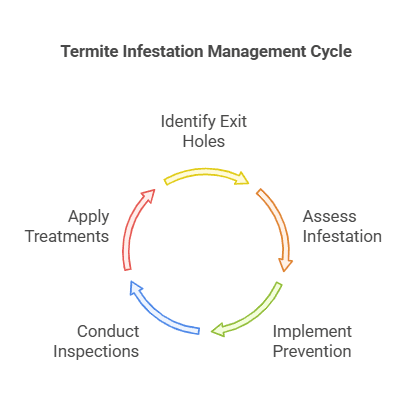
Regular inspections are vital in preventing termite infestations. Check your home for signs of termites at least once a year. Look for mud tubes, discarded wings, and damaged wood. A professional inspection can help identify hidden problems. Early detection is key to effective treatment.
Moisture Control
Termites thrive in moist environments. Controlling moisture around your home can deter them. Fix leaky pipes and ensure proper drainage. Keep gutters clean and direct water away from the foundation. Use dehumidifiers in damp areas like basements and crawl spaces.
Wood Treatments
Wood treatments can protect your home from termites. Treat wood with chemicals that repel or kill termites. Use treated wood for construction and repairs. Apply borate solutions to wooden structures. These treatments can provide long-lasting protection against termite damage.

Credit: stampedepestcontrol.com
Diy Termite Control Methods
Hey there! Are you worried about those pesky termites making exit holes in your home? You’re not alone. Many homeowners face this problem. But the good news? You don’t always need to call in the pros. There are some DIY termite control methods that can help you out. Let’s dive into some of these methods and see what works best for you.
Natural Remedies
First up, let’s talk about natural remedies. These are great if you want to avoid chemicals. They are often safer for your family and pets. Here are a few options:
- Orange Oil: This oil can be applied directly to the affected areas. It’s known to kill termites on contact.
- Boric Acid: Sprinkle this powder in areas where you’ve seen termites. It dehydrates and eventually kills them.
- Cardboard Traps: Wet some cardboard and place it near the termite exit holes. Termites love cellulose and will flock to it. Once they’re all gathered, you can dispose of it.
I once used the cardboard trap method in my basement. It worked like a charm! The termites swarmed the cardboard, and I was able to get rid of a big chunk of them easily.
Chemical Treatments
If natural remedies aren’t cutting it, you might need to consider chemical treatments. These are generally more effective but come with some risks. Here are some common options:
- Termiticide Sprays: These sprays can be applied directly to the affected areas. They kill termites on contact and create a barrier to prevent future infestations.
- Bait Stations: These are placed around your home. Termites eat the bait and carry it back to the colony, effectively wiping out the entire group.
- Foam Treatments: These can be injected into walls and other hard-to-reach areas. The foam expands and fills gaps, killing termites hiding inside.
When using chemicals, always read the instructions. Safety first! Once, I used a termiticide spray in my garage. It was super effective, but I made sure to wear gloves and a mask to protect myself.
Pros And Cons Of DIY Methods
So, should you go the DIY route? Let’s weigh the pros and cons:
| Pros | Cons |
|---|---|
|
|
In my experience, DIY methods can be a great first step. They save money and give you a sense of control. But, they aren’t always foolproof. Sometimes, calling in a professional is the best way to ensure your home is termite-free.
Remember, the key is to act quickly. The sooner you tackle the termite problem, the easier it is to manage. Good luck!
Professional Termite Control
Termites can cause serious damage to your home. Dealing with them requires expert intervention. Professional termite control ensures thorough inspection and treatment. It also provides peace of mind. Let’s explore more about this crucial service.
When To Call A Professional
Spotting termite exit holes is a clear sign. These tiny holes appear on wood surfaces. If you see them, act fast. Delaying can lead to more damage. Professionals can identify the extent of the infestation. They use special tools and techniques. This helps in accurate assessment and treatment.
Types Of Professional Treatments
Professionals use various methods to tackle termites. One common method is liquid termiticide treatment. This creates a barrier around your home. Another method is baiting. Professionals place bait stations around the property. These attract termites and slowly eliminate them. Fumigation is another option. This is effective for severe infestations. It involves treating the entire structure with gas. Each method has its benefits. A professional can recommend the best option for your situation.
Choosing A Pest Control Service
Selecting the right service is crucial. Look for licensed and certified companies. Check their reviews and ratings. Experience matters. Choose a company with a proven track record. Ask about their treatment methods. Ensure they offer follow-up services. This guarantees that termites are completely eradicated. A good service will also provide preventive advice. This helps in avoiding future infestations.
Long-term Termite Prevention
Long-term termite prevention is crucial for maintaining the integrity of your home. Termites can cause significant damage if left unchecked. Implementing long-term strategies helps keep your property safe from infestations. Let’s explore effective methods to ensure your home remains termite-free.
Ongoing Maintenance
Regular home maintenance is key to preventing termite infestations. Fix any leaks promptly. Moisture attracts termites. Ensure gutters and downspouts are clear. This helps direct water away from your home’s foundation. Check for cracks in the foundation and walls. Seal them to block entry points for termites. Trim trees and shrubs near your home. This prevents termites from gaining easy access.
Home Modifications
Consider modifying your home to deter termites. Use termite-resistant materials. Treated wood is a good option. Replace wood-to-soil contact areas with concrete or metal. This creates a barrier against termites. Install physical barriers during construction or renovation. These barriers can include metal mesh or sand particles. They make it difficult for termites to enter.
Monitoring And Early Detection
Early detection of termites is vital. Regular inspections help identify signs of termites. Look for mud tubes, discarded wings, and wood damage. Use termite detection systems. These systems can alert you to termite activity. Professional inspections are also recommended. Experts can spot early signs that you might miss. Immediate action can prevent extensive damage.

Credit: www.reddit.com
Frequently Asked Questions
Should You Cover Termite Holes?
Do not cover termite holes. Instead, contact a professional exterminator. Covering holes can trap termites inside, causing more damage.
What Do Termite Holes In The Ground Look Like Outside?
Termite holes in the ground appear as small, round openings. They often have mounds of soil around them. These holes can indicate termite activity and are usually found near wood sources.
Do Termites Kick Out Holes In Drywall?
Yes, termites can create small holes in drywall. They chew through the material, leaving behind damage and debris.
Should You Break Termite Tunnels?
No, don’t break termite tunnels. Breaking them scatters termites, making treatment harder. Call professionals for effective termite control.
Conclusion
Termite exit holes indicate a serious problem. Quick action is essential. Ignoring them leads to more damage. Regular inspections help spot these holes early. Contact a pest control expert for solutions. Protect your home from termites. Keep your home safe and damage-free.
Early detection saves money and stress. Don’t wait until it’s too late. Act now to prevent termite issues. Your home deserves the best care. Stay vigilant and keep termites at bay.