Types of Wood Treatment: Chemicals, AWPA Codes & Lifespan
Treated wood is lumber that has been infused with a chemical preservative under pressure so it resists rot and termites for years outdoors, but not every treatment type works for every job. Using a board rated only for above-ground use as a buried fence post voids the treater’s warranty and can rot in a fraction of the time. This guide covers the preservative chemicals in use today, what the AWPA use-category stamp on the end of the board actually means, and how long each type genuinely lasts.
Quick Answer
Treated wood is made by forcing a liquid preservative, usually copper azole (MCA) or ACQ today, never the arsenic-based CCA banned from residential use in 2004, into the wood in a pressure chamber. The AWPA use-category stamp (UC1-UC5) on the board tells you where it is rated to go: UC3 for above-ground exposure, UC4 for ground or fastener contact, UC5 for salt water.
What Is Treated Wood?
Best Overall Sealer Pick
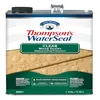
Thompson’s WaterSeal Clear Wood Sealer, 1 Gallon
A clear, water-repellent sealer built for exactly the yearly maintenance treated decks, fences, and posts need.
- Best for: general-purpose resealing of decks, fences, and posts
- Why we picked it: a widely stocked, well-known formula sized for a full deck in one coat
- Main drawback: clear finish offers no UV pigment, so it needs reapplying more often than a tinted stain
Compare more sealer options
 Option 1 Ready Seal Stain & Sealer, Turbo Spray
|
 Option 2 SEAL-ONCE Marine Penetrating Sealer
|
 Option 3 Olympic WaterGuard Clear Sealer
|
As an Amazon Associate we earn from qualifying purchases.
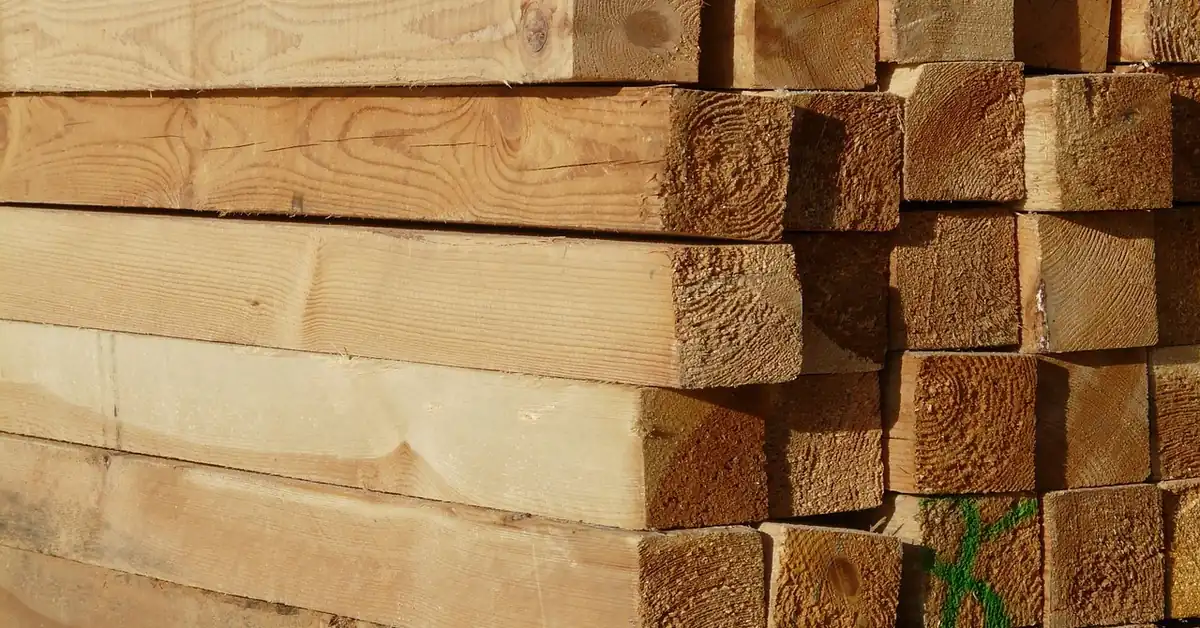
Treated wood is lumber that has had a liquid preservative forced into its cell structure, usually under vacuum and pressure, so it resists fungal decay, subterranean termites, and, for some chemicals, marine borers. The preservative does not waterproof the wood; it makes the wood inedible and inhospitable to the organisms that cause rot.
Why Builders Use It
- Durability in wet conditions: treated lumber routinely outlasts untreated softwood in ground contact or humid climates by years, sometimes decades.
- Insect and fungal resistance: the biocide in the wood, not the wood itself, is what keeps termites and rot fungi out.
- Lower lifetime cost: it costs more upfront than untreated pine but needs far fewer replacements over the life of a deck, fence, or set of posts.
- Wide availability: sold pre-graded by use category at almost every lumberyard and home center, so matching a board to a job does not require special ordering.

Common Uses
Treated lumber shows up in most outdoor construction: deck framing and decking, fence posts and rails, retaining walls and raised beds, playground structures, and the posts and beams that carry a structure’s load. What you should treat a specific project with depends on how close to soil or moisture that piece will sit, which is exactly what the use-category system further down covers.
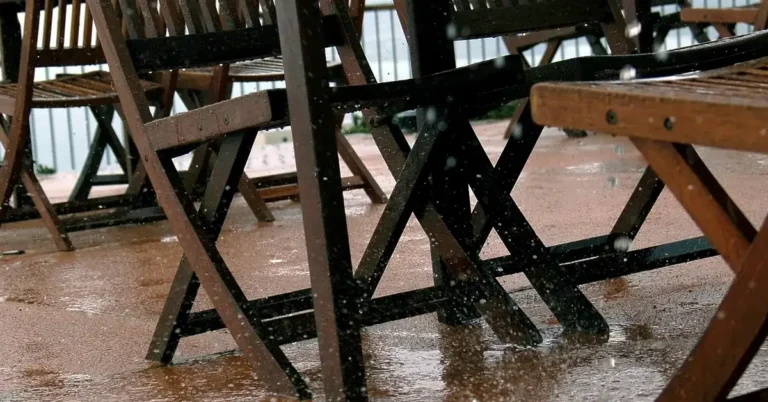
📊 Common myth: “treated” does not mean “waterproof.” Treated wood absorbs water at close to the same rate as untreated wood of the same species. The preservative stops decay organisms, not moisture itself, which is why treated decking still needs a water-repellent sealer.
How Wood Gets Pressure Treated, Step by Step
According to the treated-wood industry’s own process documentation, lumber goes through the same basic cycle regardless of which chemical is used:
- Load and vacuum: boards go into a sealed steel cylinder, and an initial vacuum pulls air out of the wood’s cell structure.
- Flood the cylinder: the chamber fills with a water- or oil-based preservative solution while still under vacuum.
- Apply pressure: hydraulic pressure, commonly in the 100-160 psi range depending on the target retention level, forces the preservative deep into the cells rather than just coating the surface.
- Release and recover: pressure drops, excess preservative drains back into storage tanks for reuse, and a final vacuum pulls remaining surface liquid off the boards.
- Dry and grade: boards air- or kiln-dry, then get stamped with their AWPA use-category rating before they ship to a lumberyard.
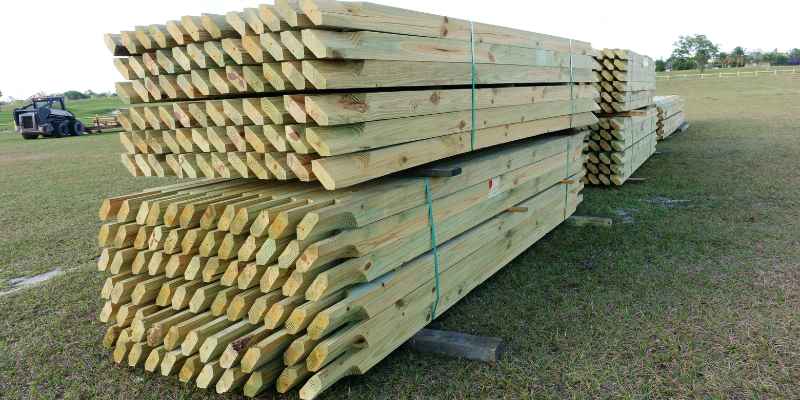
Species that resist absorption, mainly western softwoods like Douglas fir, are often incised first: small slits cut along the grain give the preservative more surface area to penetrate. Non-pressure methods exist too (dip treatment, brush-on surface coatings, hot-oil soaking) but they only push preservative a few millimeters deep, so they are limited to indoor furniture and touch-up work, never ground-contact or structural lumber.
Wood Treatment Chemicals Compared: ACQ, Copper Azole, Borate & CCA
Up until 2003, the standard residential preservative was CCA (chromated copper arsenate). The EPA phased out CCA for consumer and residential uses effective January 1, 2004, over concerns about arsenic exposure from playsets and decking; it is still legal today only for a handful of industrial and agricultural uses such as utility poles and permanent wood foundations. Copper-based preservatives replaced it, and the specific chemistry you get today depends on the treater:
| Chemical | Typical Ground-Contact Retention | Fastener Requirement | Typical Use |
|---|---|---|---|
| ACQ (alkaline copper quaternary) | ~0.40 lb/ft³ (UC4A) | Hot-dip galvanized or stainless only | Decks, fences, general construction |
| Copper azole / MCA (micronized copper azole) | 0.15 lb/ft³ (UC4A) | Less corrosive than ACQ, still needs galvanized or stainless | The most common treated lumber at big-box and independent yards today |
| Copper HDO | Manufacturer-specific | Similar to copper azole | Decking, rails, framing, fencing |
| Borate | Not rated for ground contact | Standard fasteners fine | Interior framing and sill plates kept fully dry (UC1/UC2 only) |
| CCA (chromated copper arsenate) | ~0.40 lb/ft³ (legacy) | Banned for residential sale since 2004 | Industrial and utility use only today |
Copper azole needs roughly a third of the copper retention that ACQ needs for the same ground-contact rating, and it is measurably less corrosive to steel hardware, which is a big part of why it has become the default at most yards. Borate is the outlier on this table: it is water-soluble, so it protects beautifully against insects and fungi indoors but washes back out if it ever gets rained on, which is why it is never sold as a ground-contact or exposed-exterior product.
Reading the AWPA Use-Category Stamp (UC1-UC5)
Every piece of treated lumber carries an end tag or ink stamp from the American Wood Protection Association identifying its use category, and it is the single most useful piece of information on the board because it tells you exactly where that piece is legally and structurally rated to go.
| Use Category | Exposure | Typical Application |
|---|---|---|
| UC1 | Interior, dry | Interior framing, furniture |
| UC2 | Interior, damp | Sill plates protected from weather |
| UC3A / UC3B | Exterior, above ground | Fascia and rails (3A, protected) vs. exposed decking (3B) |
| UC4A | Ground contact, general use | Deck posts, joists, fence posts (most residential lumber) |
| UC4B | Ground contact, heavy duty | Permanent wood foundations, larger structural posts |
| UC4C | Ground contact, extreme duty | Critical structural members in severe decay environments |
| UC5 | Marine / salt water | Pilings and marine structures (5A north, 5B south of the Northern California / New Jersey line) |
Practical tip: a board stamped UC3B looks identical on the shelf to one stamped UC4A, but UC3B is only rated for above-ground exposed use. Using it as a buried deck post instead of a UC4A or UC4B board can void the treater’s warranty and shortens its working life even though nothing about it looks different.
Handling Treated Wood Safely
Modern preservatives are considered safe for residential use once the wood has been treated, but the dust created when you cut, sand, or drill it still deserves basic precautions.
- Wear gloves when handling raw boards, especially freshly treated ones that may still be damp with preservative.
- Wear a dust mask or respirator and safety glasses whenever you cut, sand, or drill treated lumber.
- Cut and sand outdoors or in a well-ventilated space, never in a closed room.
- Wash your hands before eating or smoking after handling treated wood.
- Never burn treated wood scraps in a fireplace, wood stove, or open burn pile (more on why in the disposal section below).
The safety picture changed materially in 2004 when CCA left the residential market; the copper-based chemicals that replaced it do not carry the same arsenic exposure concerns. That said, if you are building a vegetable garden bed rather than a deck or fence, the calculation is different enough that it deserves its own answer. See our full breakdown of whether pressure-treated wood is safe for garden beds for EPA guidance and liner recommendations specific to food crops.
Maintaining Treated Wood (and How Long It Actually Lasts)
Routine Care
- Clean yearly: a soft brush and a deck cleaner or mild soap removes dirt and mildew before it stains the wood.
- Reseal on a schedule, not just when it looks dry: a water-repellent sealer needs reapplying roughly every 1-3 years depending on sun and rain exposure, well before the wood visibly grays.
- Clear debris and trim back plants: leaves and dirt trap moisture against the wood, and vegetation pressed against a fence or deck edge blocks the airflow that lets it dry between rains.
- Inspect connections, not just faces: check fasteners and the underside of ledger boards and joists, where moisture sits longest and decay usually starts first.
Signs of Decay to Watch For
- Discoloration: dark or unusually pale patches, especially near fasteners or the ground line.
- Softness: wood that feels spongy or lets a screwdriver sink in easily has active decay.
- Cracking or splitting: deep checks that run with the grain let water in faster than the preservative can protect against.
- Mold or mildew growth: a cosmetic problem on its own, but a sign the wood is staying wet longer than it should.
Realistic Lifespan by Use Category
Lifespan claims for treated wood vary wildly online because they rarely specify the use category. As a rough baseline: above-ground treated lumber (UC3) left unsealed commonly needs replacing within 10-15 years, while ground-contact lumber (UC4) is typically warrantied in the 15-40 year range depending on the treater, climate, and soil moisture. Sealing on schedule and keeping the wood off direct soil contact where possible pushes any given board toward the upper end of its range rather than the lower one.
Disposing of Treated Wood Legally
Treated wood scraps cannot be handled like ordinary lumber waste. According to the EPA and state waste-management guidance, treated wood should never be open-burned, burned in a residential stove or fireplace, chipped into mulch, or used as garden fill, because doing so releases the preservative into ash, smoke, or soil. The one narrow exception is creosote-treated wood, which can legally be burned only at a permitted commercial or industrial incinerator.
- Take scraps to a permitted municipal solid waste (MSW) or construction and demolition (C&D) landfill.
- Never put more than incidental scraps in regular curbside trash; check local rules first.
- Do not compost, chip, or mulch any treated wood.
- Check with your state or county; several states regulate treated wood waste as a special category with its own drop-off rules.
Frequently Asked Questions
What is treated wood treatment?
Treated wood treatment is the process of forcing a chemical preservative, typically copper azole or ACQ today, deep into lumber under vacuum and pressure so it resists fungal decay and insect damage. The wood is then dried and stamped with an AWPA use-category rating showing where it is approved for use.
How can you tell if a board is pressure treated?
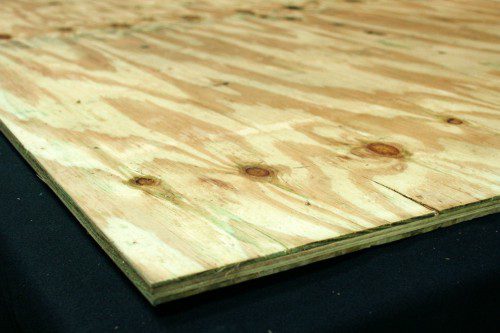
Look for the AWPA end tag or ink stamp identifying the use category (UC1 through UC5) and treatment chemical. Freshly treated lumber also shows a greenish-yellow tint that fades to gray over the first year, and species like Douglas fir often show small parallel incision slits along the grain that help the preservative penetrate.
Is pressure-treated wood safe for raised garden beds?
Modern pressure-treated wood (ACQ or copper azole) is generally considered safe for garden beds since arsenic-based CCA left the residential market in 2004. For food crops, many gardeners still add a plastic liner between the wood and the soil as extra precaution. See our full guide on whether pressure-treated wood is safe for gardens for EPA-backed detail.
How long does treated wood actually last?
It depends on the use category. Above-ground treated lumber (UC3) left unsealed commonly needs replacing within 10-15 years. Ground-contact lumber (UC4) is typically warrantied in the 15-40 year range depending on the treater, climate, and soil moisture, and regular sealing pushes a given board toward the higher end of that range.
Can treated wood be painted or stained, and when?
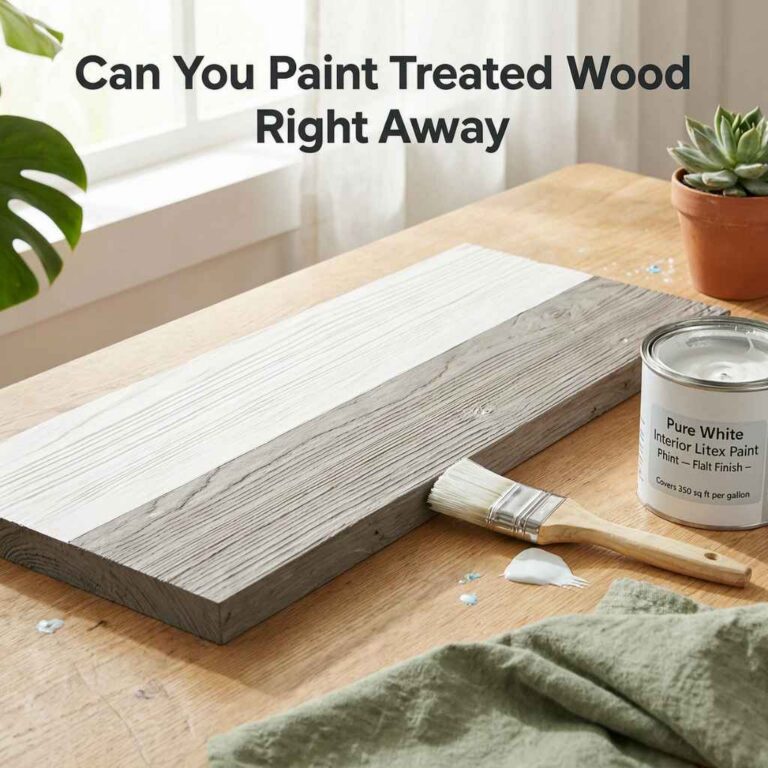
Yes, but only once it has dried enough. New treated lumber can hold surprising amounts of moisture from the treatment process, so wait until a water-drop test shows the surface absorbing water rather than beading it up, often several weeks to a few months, before staining. Our full guide to staining treated wood decks covers prep, stain types, and application in detail, and you can also check whether staining actually helps prevent rot on top of the factory treatment.
Can you burn treated wood scraps?
No, not in a residential fireplace, wood stove, or open burn pile. Burning releases the wood’s preservative chemicals into the ash and smoke. The only exception is creosote-treated wood, which can be legally burned solely at a permitted commercial or industrial incinerator.
Matching the treatment chemical and AWPA use category to the job, not just grabbing whichever board is cheapest, is what actually determines whether a deck post lasts 10 years or 30. Check the end tag before you buy, keep ground-contact lumber rated UC4 or higher, and reseal on a schedule rather than waiting for the wood to look worn. For posts, warping, and fastener-specific questions, see our guide on keeping pressure-treated wood from warping.
Sponsored / affiliate links. As an Amazon Associate I earn from qualifying purchases. I may earn additional commission from eligible campaigns.