Termite Mud Tunnels: Unveiling the Hidden Threats in Your Home
Termite mud tunnels are a common sign of a termite infestation. These small, tube-like structures can cause significant damage if left unchecked.
Termites are silent destroyers. They create mud tunnels to travel and protect themselves from predators. These tunnels are often hidden from view, making it hard to detect an infestation early. Understanding termite mud tunnels is crucial for homeowners. By recognizing these signs, you can take action before severe damage occurs.
In this blog post, we’ll explore the purpose of termite mud tunnels, how to identify them, and why they matter. Stay tuned to learn more and protect your home from these persistent pests.
Introduction To Termite Mud Tunnels
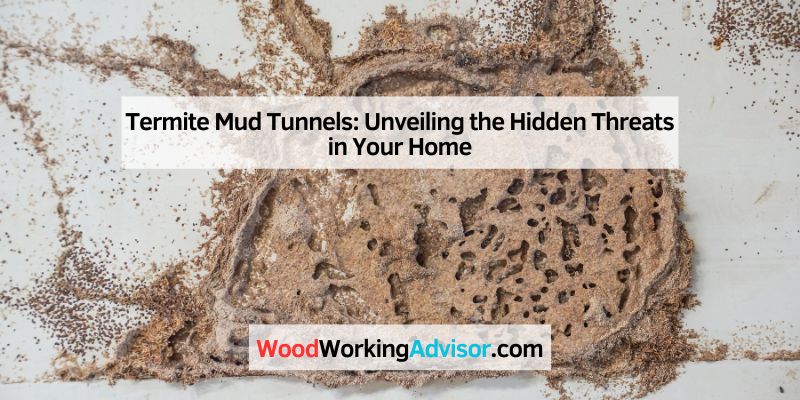
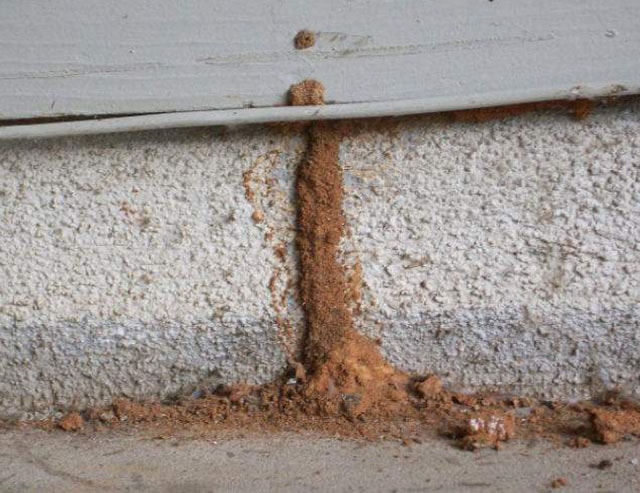
Termite mud tunnels are small, tube-like structures made of soil and termite saliva. These tunnels protect termites from predators and maintain moisture levels. They are often found on walls, foundations, and other wooden structures.
Termite mud tunnels are a clear sign of termite activity. These tunnels protect termites while they travel. They also help maintain the right humidity levels. Spotting these tunnels can save your home from major damage.
What Are Mud Tunnels?
Mud tunnels are small, narrow tubes made of soil and saliva. Termites use these tunnels to move from the soil to wood sources. They build them on walls, floors, and other surfaces. The tunnels keep termites safe from predators. They also help keep them from drying out.
Importance Of Identifying Mud Tunnels
Identifying mud tunnels early can prevent severe damage. Termites can cause significant harm to wooden structures. Early detection allows for quick action. This can save money on repairs. It also helps maintain the structural integrity of your home. Regular inspections can help spot these signs early.
Credit: www.drakepest.com
Types Of Termites That Build Mud Tunnels
Subterranean termites build mud tunnels to protect themselves while traveling. Drywood termites create similar tunnels inside wood structures. Formosan termites construct extensive networks of mud tubes.
Hey friends, today we’ll talk about termites and their mud tunnels. These little creatures can cause a lot of damage to your home. But not all termites are the same. Different types of termites build different kinds of mud tunnels. Let’s dive in and learn more about them!
Subterranean Termites
Subterranean termites are the most common type. They live underground and build mud tunnels to travel and find food. These tunnels protect them from predators and keep them moist. Think of these tunnels as highways for termites. They help termites move safely from their nest to your home.
Key points about Subterranean Termites:
- Live underground
- Build mud tunnels for protection and moisture
- Most common type of termite
- Can cause serious damage to homes
I remember the time when I found these tunnels in my backyard. I was so surprised! It looked like tiny highways running across the soil. That’s when I knew I had to do something to protect my home.
Drywood Termites
Drywood termites are different. They do not build mud tunnels like subterranean termites. Instead, they live inside the wood they eat. They create small nests in dry wood, such as your furniture or the frames of your house. They don’t need contact with the soil, so you won’t see mud tunnels.
Key points about Drywood Termites:
- Live inside the wood they eat
- Do not build mud tunnels
- Create nests in dry wood
- Can damage furniture and house frames
I once found drywood termites in an old chair I had. It was shocking to see tiny holes and wood dust. That’s how I learned that these termites can be just as destructive even without mud tunnels.
In summary, understanding the types of termites and the tunnels they build can help you protect your home. Subterranean termites build mud tunnels, while drywood termites do not. By knowing the difference, you can take the right steps to keep these pests at bay.
Until next time, keep an eye out for those termite highways and wood dust!
Signs Of Termite Infestation
Termite infestations can cause significant damage to your home. Identifying the signs early can save you time and money. One of the most common signs is the presence of termite mud tunnels. These tunnels are used by termites to travel and protect themselves from predators. Here, we will explore the key signs of termite infestation.
Visible Mud Tunnels
Termites build mud tunnels for protection and moisture. These tunnels are usually found near the foundation of your home. Look for thin, brown lines running up your walls or foundation. These tubes can be a clear indicator of termite activity.
Damaged Wood
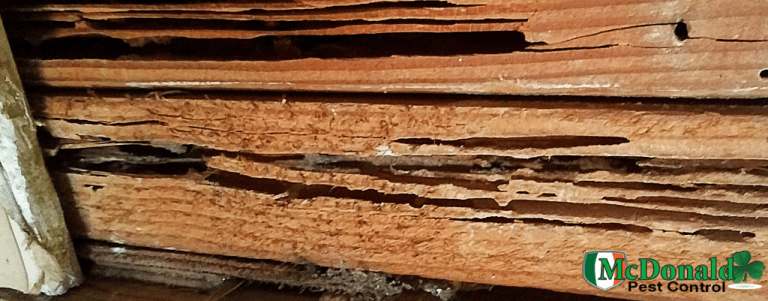
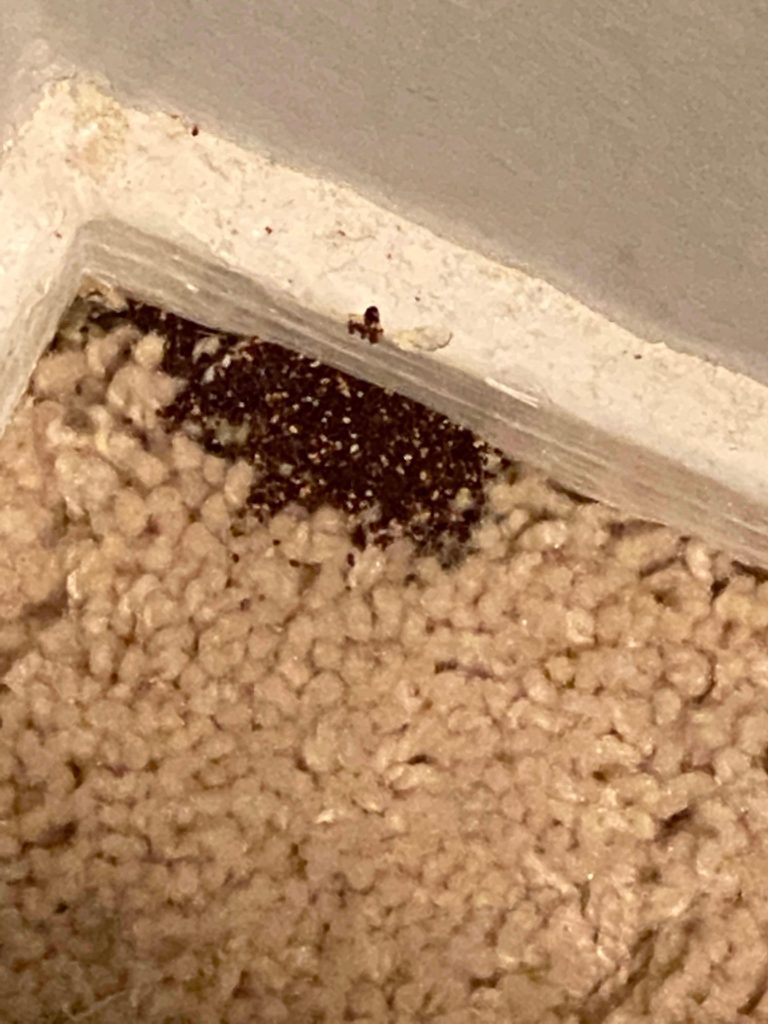
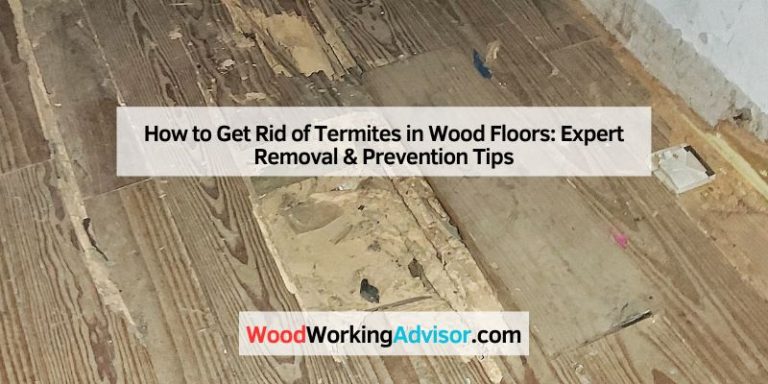
Termites feed on wood and can cause extensive damage. Check for wood that sounds hollow when tapped. You might also see small piles of sawdust or termite droppings. These are signs that termites are eating the wood from the inside out.
How Termite Mud Tunnels Are Built
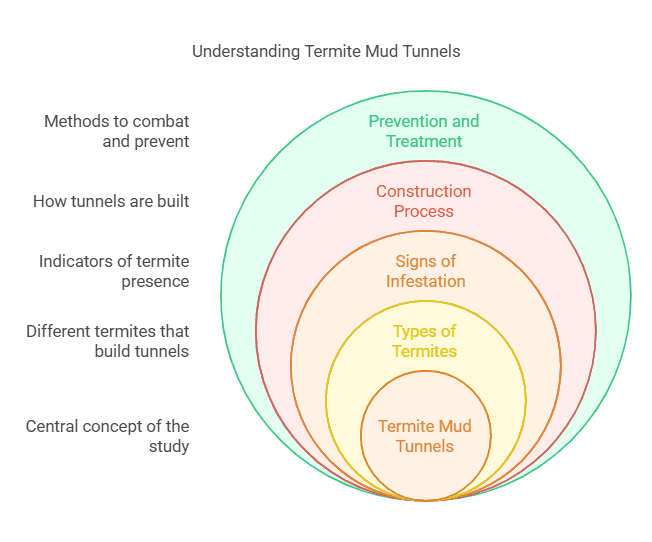
Termite mud tunnels are essential for the survival of termites. They build these tunnels to travel safely and avoid predators. Understanding how these tunnels are built can help in identifying and controlling termite infestations.
Materials Used
Termites use soil, wood particles, and their saliva to build mud tunnels. Soil provides the structure, while wood particles add strength. Saliva acts as a binding agent to hold the materials together.
Construction Process
The construction process starts with worker termites. They gather soil and wood particles from their environment. Then, they mix these materials with their saliva to create a paste.
Next, they begin building the tunnel. They carry the paste to the construction site and start forming the tunnel walls. The tunnels are built in sections, with each section added to the previous one.
Termites work in groups to speed up the process. Some termites gather materials, while others build the tunnel. This teamwork ensures the tunnel is completed quickly and efficiently.
Once the tunnel is complete, termites use it to travel between their nest and food sources. These tunnels protect them from predators and environmental hazards, ensuring their survival.
Risks Posed By Termite Mud Tunnels
Termite mud tunnels are not just unsightly; they are a sign of bigger problems lurking within your walls. These tunnels signal the presence of termites, which can cause various risks to your home and your health. Let’s dive into the potential dangers posed by these mud tunnels.
Structural Damage
Termites chew through wood, and their mud tunnels allow them to do this unseen. This can lead to severe structural damage. Think about it. The wood beams in your walls, floors, and ceilings are all at risk. Over time, this can weaken the structure of your home.
- Weakening of support beams: The beams that hold your house up can become brittle and break.
- Sagging floors and ceilings: Damaged wood can cause floors and ceilings to sag or even collapse.
- Expensive repairs: Fixing termite damage can be costly and time-consuming.
In my experience, dealing with termite damage is like trying to fill a leaky bucket. You fix one part, only to find another problem elsewhere.
Health Concerns
Termites themselves are not harmful to humans, but their presence can lead to health issues. Here’s how:
- Mold growth: Termite damage can lead to moisture buildup, which encourages mold growth. Mold can cause respiratory problems and allergies.
- Allergies: The dust and debris from termite activity can trigger allergies in sensitive individuals.
The good news? Addressing termite problems quickly can prevent these health risks. I once had a friend who ignored the signs of termites. He ended up with a mold problem that took months to fix. Don’t let that happen to you.
| Risk | Impact |
|---|---|
| Structural Damage | Weakens support beams, causes sagging floors and ceilings, expensive repairs |
| Health Concerns | Mold growth, allergies from dust and debris |
So, friends, if you see those mud tunnels, don’t ignore them. It’s better to address the issue now than to face bigger problems later.
Preventing Termite Mud Tunnels
Termite mud tunnels are a clear sign of termite activity. These tunnels protect termites from predators and dry conditions. Preventing them is crucial to protect your home from damage.
Regular Inspections
Conducting regular inspections is vital. Check your home’s foundation, walls, and wooden structures. Look for small, pencil-sized tubes made of mud. Early detection can help you take immediate action. Consider professional help for thorough inspections.
Moisture Control
Termites thrive in moist environments. Control moisture around your home to deter them. Fix leaky pipes and ensure proper drainage. Keep gutters clean to prevent water accumulation. Use dehumidifiers in damp areas like basements and attics. Proper ventilation is essential to reduce indoor humidity.
Treatment Options For Termite Infestation
Termite mud tunnels indicate an infestation. These tunnels protect termites while they travel between their colony and food sources. Effective treatment options include chemical barriers, bait systems, and professional pest control services.
Termites can cause significant damage to your home. Treating a termite infestation quickly is crucial. There are various methods to handle these pests. Below, we’ll discuss some effective treatment options.
Chemical Treatments
Chemical treatments are a common method to control termites. Professionals use liquid termiticides to create a barrier around your home. This barrier prevents termites from entering and kills those inside. Baits are another chemical option. These attract termites, which then carry the poison back to their colony. This method can effectively eliminate the entire colony.
Non-chemical Solutions
Non-chemical solutions can also help manage termite infestations. One method is using physical barriers during construction. These barriers can stop termites from reaching your home’s wood. Another option is applying essential oils like orange oil or neem oil. These oils can repel and kill termites. Heat treatments are also effective. Professionals raise the temperature in your home to a level that termites cannot survive. This method can eradicate termites without using chemicals.

Credit: www.terminix.com
When To Call A Professional
Discovering termite mud tunnels in your home can be alarming. You might feel tempted to handle the problem on your own. But when is it really time to call in the experts? Let’s discuss this important decision.
Identifying Severe Infestations
It’s crucial to know when the situation is beyond your control. Here are some signs that you might be dealing with a severe infestation:
- Extensive Mud Tunnels: If you see multiple, widespread mud tunnels, it’s a big red flag.
- Structural Damage: Notice sagging floors or hollow-sounding wood? This could indicate serious damage.
- Swarmers: Termite swarmers are winged termites. If you see them indoors, it’s time to act fast.
I remember when I first saw termite mud tunnels in my old house. I thought I could handle it with some DIY solutions. But when I found damage to the wooden beams in my basement, I knew I needed professional help.
Finding Reliable Pest Control Services
Once you’ve decided to call in the pros, the next step is finding a reliable service. Here are some tips to help you:
- Research: Look up pest control companies online. Read reviews and check their ratings.
- Ask for Recommendations: Talk to friends, family, or neighbors. They might know a trustworthy service.
- Check Credentials: Ensure the company is licensed and certified. This guarantees they meet industry standards.
- Get Estimates: Contact a few companies for quotes. Compare their services and prices.
Hiring a professional pest control service can save you time and prevent further damage. It’s like hiring a mechanic for your car – you wouldn’t want to fix major engine problems on your own, right? Similarly, for severe termite issues, expert help is the best option.
By following these simple steps, you can protect your home from further termite damage and ensure peace of mind.
Conclusion And Final Tips
Termite mud tunnels indicate active infestations. Regular inspections help in early detection. Seal any cracks and use termite-resistant materials for prevention.
Termite mud tunnels are a common sign of a termite infestation. Understanding how to identify and manage these tunnels can help protect your home from damage. In this section, we will summarize key points and provide long-term prevention tips.
Summary Of Key Points
Termite mud tunnels are made from soil, wood, and termite saliva. These tunnels protect termites from predators and dry air. They allow termites to travel between their colony and food sources. Identifying these tunnels early can prevent extensive damage to your home. Regular inspections and prompt action are crucial in managing termite infestations.
Long-term Prevention Tips
Keep your home dry. Termites thrive in moist environments. Fix leaks and ensure proper drainage around your home.
Reduce wood-to-soil contact. Termites easily access wood that touches soil. Use concrete bases for wooden structures.
Store firewood away from your home. Firewood attracts termites. Keep it at least 20 feet away.
Seal cracks and gaps. Termites can enter through small openings. Inspect your foundation and windows regularly.
Schedule professional inspections. Experts can spot signs you might miss. Consider annual termite inspections for peace of mind.

Credit: budgetbrotherstermite.com
Frequently Asked Questions
Should I Destroy Termite Mud Tubes?
Destroying termite mud tubes without addressing the infestation won’t solve the problem. Contact a professional exterminator for effective treatment.
Do Mud Tubes Mean Active Termites?
Yes, mud tubes usually indicate active termites. These tubes protect termites from predators and maintain moisture while they travel.
How Fast Do Termites Build Mud Tubes?
Termites can build mud tubes quickly, sometimes within a few days. These tubes protect them from predators and environmental conditions.
What To Do If You Find Termite Tunnels?
Contact a professional pest control service immediately. Avoid disturbing the tunnels. Inspect surrounding areas for further damage. Ensure proper ventilation and reduce moisture. Fix any leaks promptly.
Conclusion
Termite mud tunnels indicate a larger problem in your home. Act promptly. Inspect your property regularly for signs of termites. Early detection can save you money and stress. Seek professional help if you notice mud tunnels. A pest control expert can provide effective solutions.
Protect your home by staying vigilant. Don’t let termites cause costly damage. Regular maintenance and inspections are key. Keep your home safe and termite-free. Thank you for reading. Stay informed and proactive.