Thermoplastic Polyurethane Case Vs Silicone: Ultimate Showdown
Thermoplastic Polyurethane (TPU) phone cases are generally more wear-resistant, have better plasticity, and can be made in a variety of different colors, including clear cases. On the other hand, silicone phone cases provide better grip due to their rubbery texture.
TPU is a thermoplastic, while silicone is an elastomer. Elastomers are broadly regarded as thermosetting polymers. TPU has a long list of properties, including elasticity and resistance to abrasion, grease, and oil, making it an excellent choice for phone cases.
However, TPU is known to be harder to process than silicone and has a higher viscosity, which means that technicians have to be careful not to destroy it with heat. Additionally, TPU cases may feel heavy and can be more expensive than silicone cases. Cheaper TPU cases can also lose color fast and are less durable than silicone cases.
Introduction To Material Battle
Introducing the battle between Thermoplastic Polyurethane (TPU) cases and Silicone cases. TPU cases are known for their wear resistance, plasticity, and variety of color options, including clear cases and UV printed patterns. On the other hand, silicone cases offer better grip due to their rubbery texture.
TPU cases are generally more durable than silicone cases.
When it comes to protecting your valuable electronic devices, the choice of material for the protective case plays a crucial role. In this battle of materials, Thermoplastic Polyurethane (TPU) and Silicone have emerged as popular contenders. Let’s delve into the details to understand the strengths and weaknesses of each material, helping you make an informed decision for your device.
Silicone And Tpu: A Primer
Silicone:
- Flexible and rubber-like material
- Soft and smooth texture
- Provides good shock absorption
- Available in various colors and designs
TPU:
- Thermoplastic material with high wear resistance
- Offers excellent elasticity and plasticity
- Can be manufactured in clear form and supports UV printing
- Durable and resistant to abrasion, grease, and oil
Scope Of Comparison
In this comparison, we will evaluate the durability, flexibility, grip, and protective capabilities of TPU and Silicone phone cases. Both materials have unique properties that make them suitable for different preferences and usage scenarios. By understanding the distinctive characteristics of each material, you can make an informed choice for your specific needs.
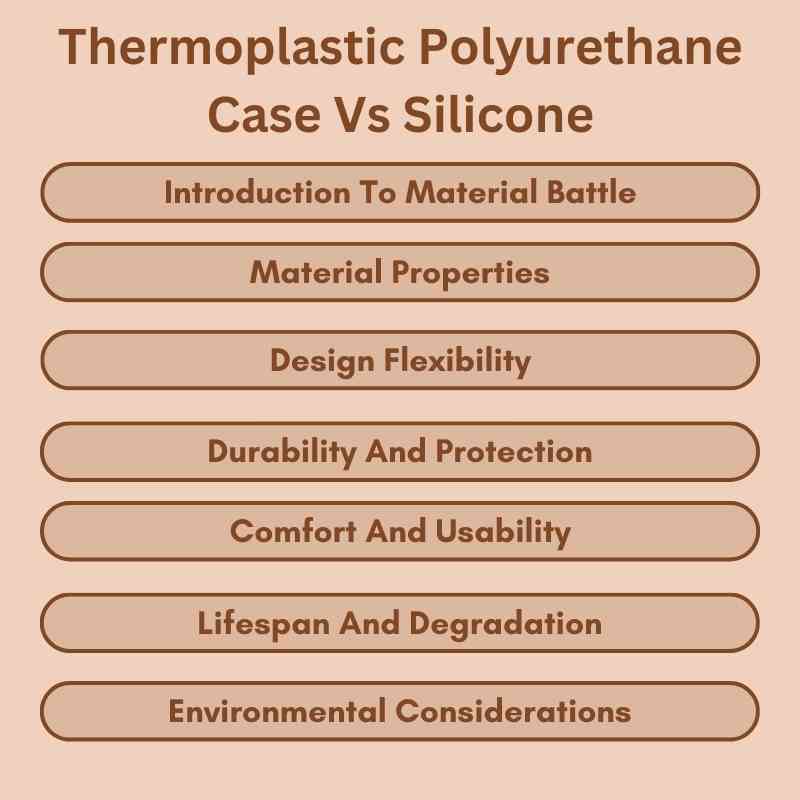
Material Properties
When it comes to choosing a phone case, the material properties play a crucial role in determining its durability, flexibility, and overall performance. Two popular options in the market are Thermoplastic Polyurethane (TPU) and Silicone. Let’s explore the physical characteristics of TPU and the nature and applications of Silicone to understand which one might be the better choice for your needs.
Physical Characteristics Of Tpu
TPU is a thermoplastic elastomer that offers a unique combination of properties. Here are some key physical characteristics of TPU:
- Flexibility: TPU is highly flexible and can be easily molded into different shapes and forms.
- Durability: TPU is known for its excellent durability, making it resistant to wear and tear.
- Impact Resistance: TPU provides good impact resistance, protecting your phone from accidental drops and shocks.
- Chemical Resistance: TPU is resistant to various chemicals, oils, and greases, ensuring the longevity of your phone case.
- UV Resistance: TPU can withstand exposure to UV rays without degrading or losing its color.
Silicone’s Nature And Applications
Silicone, on the other hand, is a versatile material with a wide range of applications. Here are some insights into the nature and applications of Silicone:
- Flexibility: Silicone is known for its rubbery texture, providing a comfortable and secure grip.
- Water Resistance: Silicone is highly water-resistant, protecting your phone from water damage.
- Heat Resistance: Silicone can withstand high temperatures without deforming or melting, making it suitable for various environments.
- Non-Toxic: Silicone is non-toxic and hypoallergenic, making it safe for use in phone cases.
- Easy to Clean: Silicone is easy to clean and maintain, ensuring a hygienic phone case.
It’s important to note that both TPU and Silicone have their advantages and disadvantages. TPU offers superior durability and chemical resistance, while Silicone provides excellent flexibility and water resistance. Ultimately, the choice between the two materials depends on your specific needs and preferences.
In conclusion, when considering Thermoplastic Polyurethane (TPU) versus Silicone phone cases, it’s essential to assess the material properties and choose the one that aligns with your requirements for protection, flexibility, and longevity.
Design Flexibility
When it comes to choosing the right phone case, design flexibility is a crucial factor to consider. Both thermoplastic polyurethane (TPU) and silicone cases offer unique design advantages, allowing consumers to express their personal style while ensuring adequate protection for their devices.
Color And Pattern Variations In Tpu
TPU cases are renowned for their versatility in terms of color and pattern variations. Manufacturers can produce TPU cases in a wide array of vibrant colors and eye-catching patterns, allowing consumers to find the perfect design to suit their individual preferences. Additionally, TPU cases can undergo UV printing processes, enabling intricate designs and graphics to be seamlessly incorporated into the case’s aesthetics.
Silicone Case Aesthetics
While silicone cases offer a softer texture and a more matte finish, their design options are somewhat limited compared to TPU cases. Silicone cases often come in a more subdued color palette, with fewer pattern variations available. However, their smooth and sleek appearance appeals to those seeking a minimalist and understated look for their devices.
Durability And Protection
Durability and protection are key factors to consider when choosing a phone case. The material of the case plays a crucial role in determining how well it can withstand daily wear and tear, as well as its ability to protect the device from impacts and shocks. In this section, we will delve into the durability and protection offered by Thermoplastic Polyurethane (TPU) cases and silicone cases.
Tpu’s Resistance To Wear And Tear
TPU is highly resistant to wear and tear, making it an ideal choice for those looking for a durable phone case. The material has excellent flexibility and elasticity, allowing it to absorb shocks and impacts without sustaining damage. Its robust nature ensures that the phone remains well-protected from scratches, scuffs, and minor drops.
Silicone’s Protective Qualities
Silicone cases offer exceptional protection due to their shock-absorbing properties. The soft and rubbery texture of silicone provides a cushioning effect, effectively safeguarding the phone from accidental bumps and falls. Additionally, silicone cases are known for their non-slip grip, reducing the likelihood of the phone slipping out of your hand or off surfaces.
Comfort And Usability
When it comes to choosing a phone case, one of the key factors to consider is comfort and usability. After all, you want a case that not only protects your phone but also feels good in your hand and is easy to use. In this article, we will compare TPU cases and silicone cases under the aspects of weight, texture, handling, and grip, to help you make an informed decision.
Tpu Cases: Weight And Texture
Thermoplastic Polyurethane (TPU) cases are generally lighter in weight than silicone cases. This makes them a popular choice for those who prefer a slim and lightweight phone case. TPU cases also have a smooth and shiny texture, which gives them a more premium look and feel compared to silicone cases.
Handling And Grip Of Silicone Cases
Silicone cases are known for their rubbery texture, which provides an excellent grip. This makes them a great option for those who tend to drop their phone frequently. Silicone cases are also very flexible, making them easy to install and remove from your phone. However, the downside is that they can attract dust and debris more easily than TPU cases.
Ultimately, the choice between a TPU case and a silicone case comes down to personal preference. If you prioritize a lightweight and premium-looking phone case, TPU might be the better option for you. On the other hand, if grip and flexibility are more important to you, then silicone cases might be the way to go. Regardless of your choice, make sure to choose a case that fits your phone perfectly and offers adequate protection.
Lifespan And Degradation
When comparing thermoplastic polyurethane (TPU) cases to silicone cases, there are a few key differences to consider. TPU cases are generally less expensive and offer more color options, including clear cases with UV-printed patterns. On the other hand, silicone cases provide better grip due to their rubbery texture.
Additionally, TPU cases are known to be more durable than silicone cases.
Discoloration And Aging Of Tpu
Thermoplastic Polyurethane (TPU) cases are known for their durability and flexibility. However, one major concern with TPU cases is that they can discolor and yellow over time due to exposure to UV rays and heat. This can make the case look unattractive and lessen its lifespan. To avoid discoloration, it is recommended to keep TPU cases away from direct sunlight and heat sources.
Silicone’s Longevity Challenges
Silicone cases are known for their soft, rubbery texture and ability to absorb shock. However, they may not last as long as TPU cases due to their tendency to attract dust and dirt, which can cause discoloration and wear over time. Additionally, silicone cases can become sticky and lose their grip over time, which can be frustrating for users.
Overall, TPU cases may have a longer lifespan than silicone cases due to their resistance to discoloration and yellowing. However, it ultimately depends on the specific usage and care of the case.
Environmental Considerations
When choosing a phone case material, it’s important to consider the environmental impact. Let’s explore the recyclability of TPU materials and silicone’s environmental impact.
Recyclability Of Tpu Materials
Thermoplastic Polyurethane (TPU) cases are recyclable, making them a more eco-friendly option. TPU can be melted and remolded into new products, reducing waste and contributing to a circular economy.
Silicone’s Environmental Impact
Silicone, on the other hand, has a lower environmental impact compared to TPU. It is durable and long-lasting, reducing the need for frequent replacements and minimizing overall waste.
Cost Analysis
When considering the cost of phone cases, it’s essential to weigh the price point of TPU cases against the value offered by silicone cases. Let’s delve into the price comparison and assess the value for money of these two popular case materials.
Price Point Of Tpu Cases
TPU phone cases are generally more budget-friendly compared to silicone cases. The affordability of TPU cases makes them an attractive option for individuals seeking reliable protection for their devices without breaking the bank. Additionally, TPU cases come in a variety of colors and can even be customized with UV-printed patterns, offering users the opportunity to express their style at an affordable price.
Silicone Cases: Assessing Value For Money
When it comes to silicone cases, the cost may be slightly higher than TPU cases. However, silicone provides a rubbery texture that offers enhanced grip, making it a preferred choice for those who prioritize a secure hold on their devices. While silicone cases may come at a slightly higher price point, their durability and grip-enhancing properties contribute to their overall value for money.
User Preferences And Trends
When it comes to choosing a phone case, user preferences and trends play a significant role. As consumers, we want a case that not only offers protection but also reflects our personal style. Two popular options in the market are thermoplastic polyurethane (TPU) cases and silicone cases. Let’s explore the market trends in case materials and consider consumer feedback and reviews to understand which option is preferred by users.
Market Trends In Case Materials
TPU cases have gained popularity in recent years due to their versatility and durability. TPU is a thermoplastic material that offers excellent resistance to abrasion, grease, and oil. It is commonly used in various industries, including automotive and packaging. TPU cases are known for their flexibility and impact resistance, making them an ideal choice for those seeking reliable protection for their smartphones.
On the other hand, silicone cases have long been a favorite among users for their soft and rubbery texture. Silicone offers a better grip, preventing accidental slips, and providing a comfortable feel in hand. These cases are available in a wide range of colors and designs, allowing users to express their personal style.
Consumer Feedback And Reviews
Consumer feedback and reviews provide valuable insights into the preferences of users when it comes to phone cases. Let’s take a closer look at what users have to say about TPU and silicone cases:
TPU Case Feedback:
- TPU cases are generally less expensive than silicone cases.
- TPU offers better wear resistance and plasticity, allowing for a variety of colors and patterns.
- Users appreciate the option of UV printing on TPU cases, which adds a personalized touch.
- Some users find TPU cases to be more durable and long-lasting compared to silicone cases.
Silicone Case Feedback:
- Silicone cases provide better grip due to their rubbery texture.
- Users enjoy the wide range of colors and designs available in silicone cases.
- Some users find silicone cases to be more comfortable to hold and less bulky.
- However, cheaper silicone cases may lose color over time, turning yellow.
Based on consumer feedback and reviews, it is evident that both TPU and silicone cases have their own advantages and preferences vary among users. Some prioritize durability and flexibility, opting for TPU cases, while others value comfort and grip, favoring silicone cases.
In conclusion, when choosing between a TPU case and a silicone case, it is important to consider your personal preferences and priorities. Whether you prioritize durability, flexibility, grip, or style, there is a case material that suits your needs. Ultimately, the choice between TPU and silicone cases comes down to what matters most to you as a user.
Expert Recommendations
Professional Advice On Case Selection
When choosing between a thermoplastic polyurethane (TPU) case and a silicone case for your electronic device, it’s important to consider the specific needs of your device and your lifestyle. Professional advice suggests that TPU cases are generally more wear-resistant and offer better plasticity, making them versatile in terms of color and customization options. On the other hand, silicone cases provide better grip due to their rubbery texture. Consider your priorities, such as protection, grip, and aesthetics, to make an informed decision.
Industry Insights On Material Performance
When it comes to material performance, industry insights highlight the unique properties of TPU and silicone. TPU is known for its excellent elasticity and resistance to abrasion, grease, and oil, making it a popular choice for phone cases. On the other hand, silicone offers a softer and more rubbery texture, providing a comfortable grip and added shock absorption. Both materials have their advantages, so it’s essential to assess the specific requirements of your device and your usage patterns to determine the most suitable option.
Frequently Asked Questions
Which Is Better, Tpu Or Silicone Phone Case?
TPU phone cases are generally a better option than silicone phone cases due to their wear-resistant properties and better plasticity. TPU cases can also be made in a variety of colors and can even have patterns printed on them. Additionally, TPU cases are typically less expensive than silicone cases.
However, TPU can be harder to process and has a higher viscosity than silicone.
Is Silicone Better Than Thermoplastic Polyurethane?
TPU is generally more wear-resistant and has better plasticity than silicone. TPU can also be made in a variety of colors and patterns. However, it can be harder to process and has a higher viscosity than silicone. Ultimately, the choice between TPU and silicone depends on personal preference and the level of protection needed for the specific device.
Is Thermoplastic Polyurethane Good For Phone Cases?
Yes, Thermoplastic Polyurethane (TPU) phone cases are a good choice. TPU offers excellent protection for smartphones due to its elasticity, resistance to abrasion, grease, and oil. It is also more wear-resistant and can be made in various colors, including clear cases.
TPU cases are generally less expensive than silicone cases.
What Are The Disadvantages Of Tpu Cases?
TPU cases have some disadvantages. Firstly, they may feel heavy due to their sturdy construction. Secondly, they can be expensive compared to other types of cases. Thirdly, TPU cases may turn yellow over time, especially cheaper ones. Lastly, they are less durable than silicone cases.
Conclusion
When comparing thermoplastic polyurethane (TPU) cases to silicone cases, there are a few key differences to consider. TPU cases are generally less expensive and offer better wear resistance and plasticity. They can also be made in various colors and can have patterns printed on them.
On the other hand, silicone cases provide better grip due to their rubbery texture. TPU cases may be harder to process and have a higher viscosity than silicone. Ultimately, the choice between TPU and silicone depends on personal preferences and specific needs.