Tiny Wood Stoves for Cabins: Best Compact Picks
Finding the right heat for your small cabin can feel tricky. People often search for Tiny Wood Stoves for Cabins: Best Compact Picks. It’s hard to know which ones are small enough, safe enough, and actually work well.
But don’t worry! We’ll make it simple. We will show you how to pick the best tiny stove.
Let’s look at what makes a great compact stove for your cozy space.
Choosing Tiny Wood Stoves for Cabins Best Compact Picks
Selecting the perfect compact wood stove for a small cabin is key for comfort and safety. Many people are looking for options that fit into tight spaces without sacrificing heating power or style. This guide helps you understand the main things to consider when you are looking for Tiny Wood Stoves for Cabins: Best Compact Picks.
We will cover the important features, how to measure your space, and what to look for in terms of efficiency and safety.
Size and Space Considerations
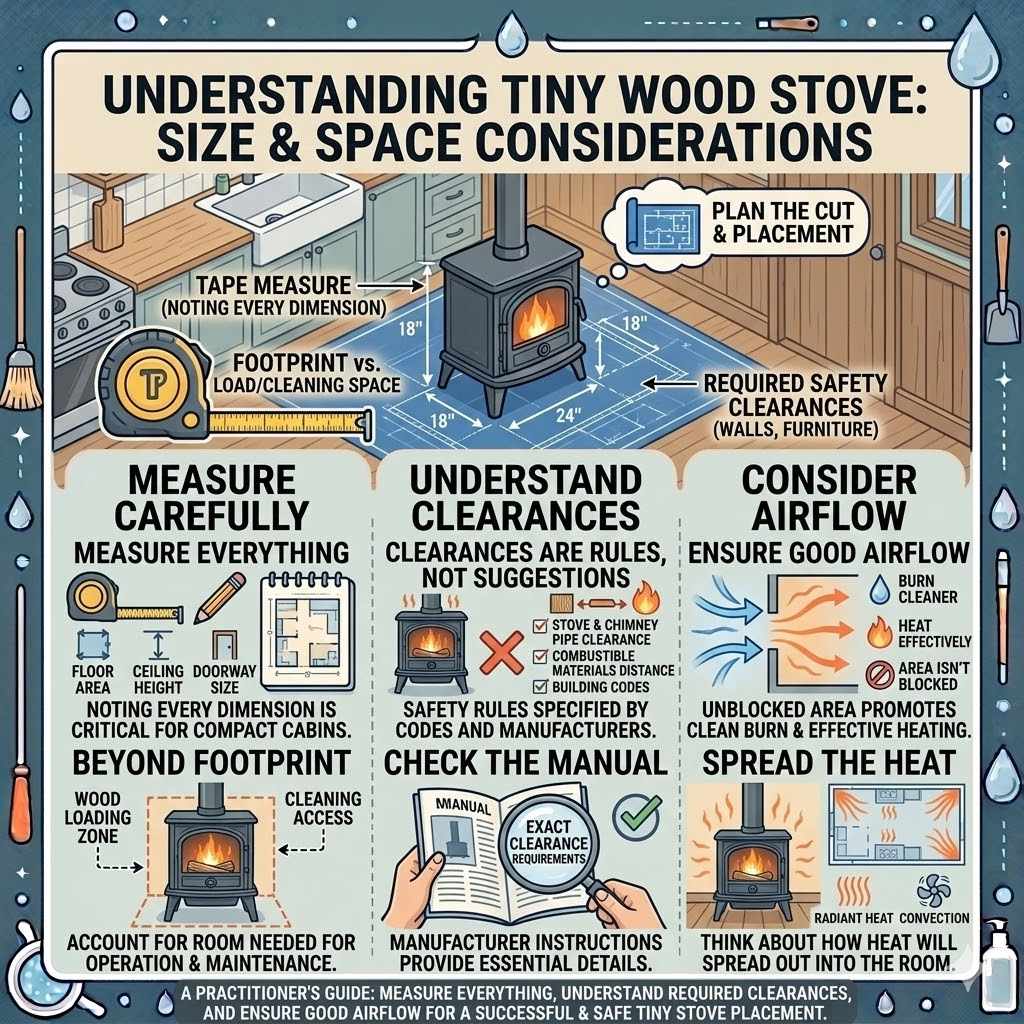
The first step in finding a tiny wood stove is to carefully measure the space where you plan to put it. This includes the floor area, the height to the ceiling, and clearance around the stove. Many small cabins have limited room, so a compact stove is essential.
You need to make sure there is enough space for the stove itself, plus the required safety clearances for walls, furniture, and any other items.
- Measure Carefully
This means getting out your tape measure and noting down every dimension. Think about not just the stove’s footprint but also the space needed for loading wood and for accessing it for cleaning. A stove that looks small online might be bigger in person once you account for all the necessary room around it for safe operation. - Understand Clearances
Stoves get very hot. Building codes and manufacturer instructions specify how far a stove and its chimney pipe must be from combustible materials like wood walls or furniture. These clearances are not suggestions; they are safety rules to prevent fires.
Always check the stove’s manual for exact clearance requirements.
- Consider Airflow
Even a tiny stove needs good airflow to work efficiently and safely. Make sure the area around the stove isn’t blocked. Good airflow helps the stove burn cleaner and heat your cabin more effectively.
Think about how air will move into the stove and how the heat will spread out into the room.
Heating Capacity and Efficiency
When picking a tiny wood stove, its heating capacity is vital. This is usually measured in British Thermal Units (BTUs) per hour. You need a stove that can adequately heat your cabin’s square footage.
Efficiency is also important. A more efficient stove will burn less wood to produce the same amount of heat, saving you money and reducing your environmental impact.
- BTU Output Explained
BTUs tell you how much heat the stove can produce. For a small cabin, you might only need a stove with a lower BTU output, perhaps between 5,000 and 20,000 BTUs. Larger cabins or those with poor insulation will require a higher BTU output.
It’s better to have a stove that can be turned down than one that is too small and can’t keep you warm.
- Understanding Stove Efficiency Ratings
Stove efficiency is often stated as a percentage. Higher percentages mean more heat from your wood goes into your cabin, and less goes up the chimney. Modern EPA-certified stoves are designed to be much more efficient than older models.
Look for stoves with high efficiency ratings to save on wood and reduce smoke.
- Secondary Combustion Systems
Many modern tiny wood stoves feature secondary combustion systems. This technology reburns smoke and gases that would otherwise go up the chimney. This makes the stove burn hotter, cleaner, and more efficiently.
It also produces more usable heat from the same amount of wood, which is great for saving money and reducing emissions.
Safety Features and Installation
Safety is paramount when dealing with any heating appliance, especially a wood stove in a small space. Proper installation and understanding the stove’s safety features are crucial for preventing accidents and ensuring peace of mind.
- Ventilation and Chimney Systems
A properly installed chimney system is non-negotiable. It must be the correct size and type for your stove and run vertically with minimal bends. The chimney carries smoke and dangerous carbon monoxide gases safely out of your cabin.
Regular inspection and cleaning of the chimney are also essential to prevent creosote buildup, which can cause chimney fires.
- Heat Shields and Non-Combustible Hearth Pads
To meet safety clearances, heat shields are often used on the back and sides of the stove. These metal panels with an air gap help reduce the distance needed to combustibles. A non-combustible hearth pad, made of stone, tile, or metal, is also required under the stove and extends out in front.
This protects your floor from stray embers and heat.
- Carbon Monoxide Detectors
No matter how safe your stove is, a working carbon monoxide detector is a must-have. This is a small, inexpensive device that can save lives. It alerts you if dangerous levels of carbon monoxide gas are present.
Check its batteries regularly and test it often.
Popular Tiny Wood Stove Models
There are several brands and models that have gained popularity for their performance and suitability for small spaces. These stoves often balance compact size with effective heating and ease of use. Researching specific models can give you a clearer picture of what’s available and what might best fit your needs.
E.T.C. Tiny Wood Stove Example
The E.T.C. (Efficiency, Thermal Control) Tiny Wood Stove is a well-regarded option for off-grid living and small cabins. It’s known for its robust construction and efficient burn.
Many users appreciate its relatively simple design, which makes it easier to operate and maintain. The stove often features a cast-iron door with a mica window, allowing you to enjoy the fire’s ambiance while keeping an eye on the flames.
One common scenario for users of the E.T.C. stove is heating a small studio apartment or a camper van. The stove’s compact dimensions allow it to fit into tight spots where larger stoves would be impractical.
For example, a user might install it in the corner of a 150-square-foot tiny home, ensuring it meets all clearance requirements with heat shields. This provides reliable warmth throughout the colder months, reducing reliance on less efficient portable heaters.
The E.T.C. stove’s primary selling point is its efficiency, often rated at over 70%. This means you get more heat from less wood.
For someone living off-grid, this translates directly into fewer trips to gather firewood and lower heating costs. The stove’s ability to hold a fire for several hours also means less frequent tending, allowing occupants to enjoy a consistent, comfortable temperature without constant attention.
Cubic Mini Wood Stoves
Cubic Mini Wood Stoves are specifically designed for small spaces like RVs, tiny homes, and boats. They are known for their exceptionally compact size and lightweight design, making them ideal where space and weight are critical concerns. The brand offers a few different models, with the Cubic Mini being the smallest and the Grizzly Cubic being a bit larger for more significant heating needs.
A real-life example is a person converting a skoolie (a school bus converted into an RV) into a full-time living space. They found that the Cubic Mini Wood Stove was the only option that fit their layout without taking up too much living area. They installed it using specialized marine-grade insulation and a flexible chimney pipe that could navigate the bus’s roof contours.
The stove provided essential heat for travel during cooler seasons, allowing them to live comfortably in remote locations.
These stoves often come with a heat shield system that attaches directly to the back and sides, further reducing the clearance needed from walls. This is a significant advantage in tiny spaces. For instance, a user might install the Cubic Mini in a corner of their boat cabin, needing only 1 inch clearance at the back and 3 inches at the sides thanks to the integrated shields.
This maximizes the usable space inside the cabin.
Vogelzang Tiny Wood Stove
The Vogelzang brand offers a range of wood stoves, including models suitable for smaller spaces. Their stoves are often praised for being affordable and durable. While they might not always be as cutting-edge in technology as some specialized tiny home stoves, they offer reliable heating for basic needs.
Consider a situation where someone has a small hunting cabin that is only used on weekends. They might choose a Vogelzang stove because it’s a cost-effective solution for occasional heating. The stove’s straightforward design means it’s easy to light and control, even for someone who isn’t an experienced wood burner.
The primary goal is to take the chill off the air quickly when they arrive at the cabin.
The Vogelzang stoves often have a classic, no-nonsense design. They are built to be sturdy and provide heat without too many bells and whistles. This makes them appealing for users who prefer simplicity and reliability.
For example, a Vogelzang stove might have a single air control lever, making it simple to adjust the burn rate. This ease of operation is a key factor for many cabin owners.
How to Measure Your Cabin for a Stove
Properly measuring your cabin is the first step to ensuring you select a tiny wood stove that is the right fit. This involves more than just looking at the floor space; you need to consider the overall volume of the space and its insulation. It also means understanding the safety clearances required by the stove’s manufacturer and local building codes.
- Calculate Cubic Feet of Space
To get a general idea of the heating power needed, calculate the cubic feet of your cabin. Multiply the length by the width and then by the height. For example, a cabin that is 10 feet long, 12 feet wide, and 8 feet high has a volume of 960 cubic feet (10 x 12 x 8 = 960). - This number helps you match the stove’s BTU output to your cabin’s volume.
- Assess Insulation Quality
A well-insulated cabin will retain heat much better than one with poor insulation. If your cabin has good insulation, you might be able to get away with a slightly smaller stove or one with a lower BTU output. Conversely, a poorly insulated cabin will require a more powerful stove and may still struggle to stay warm. - Consider adding insulation if your cabin is drafty.
- Map Out Stove Placement and Clearances
Once you have chosen a potential stove, look at its manual to find the recommended safety clearances. These are the minimum distances the stove and chimney pipe must be from any combustible materials, such as walls, furniture, and ceilings. Mark these areas on your floor plan and wall diagrams.
Ensure there is a clear path for the chimney pipe to exit the cabin safely and vertically.
Factors Affecting Stove Performance
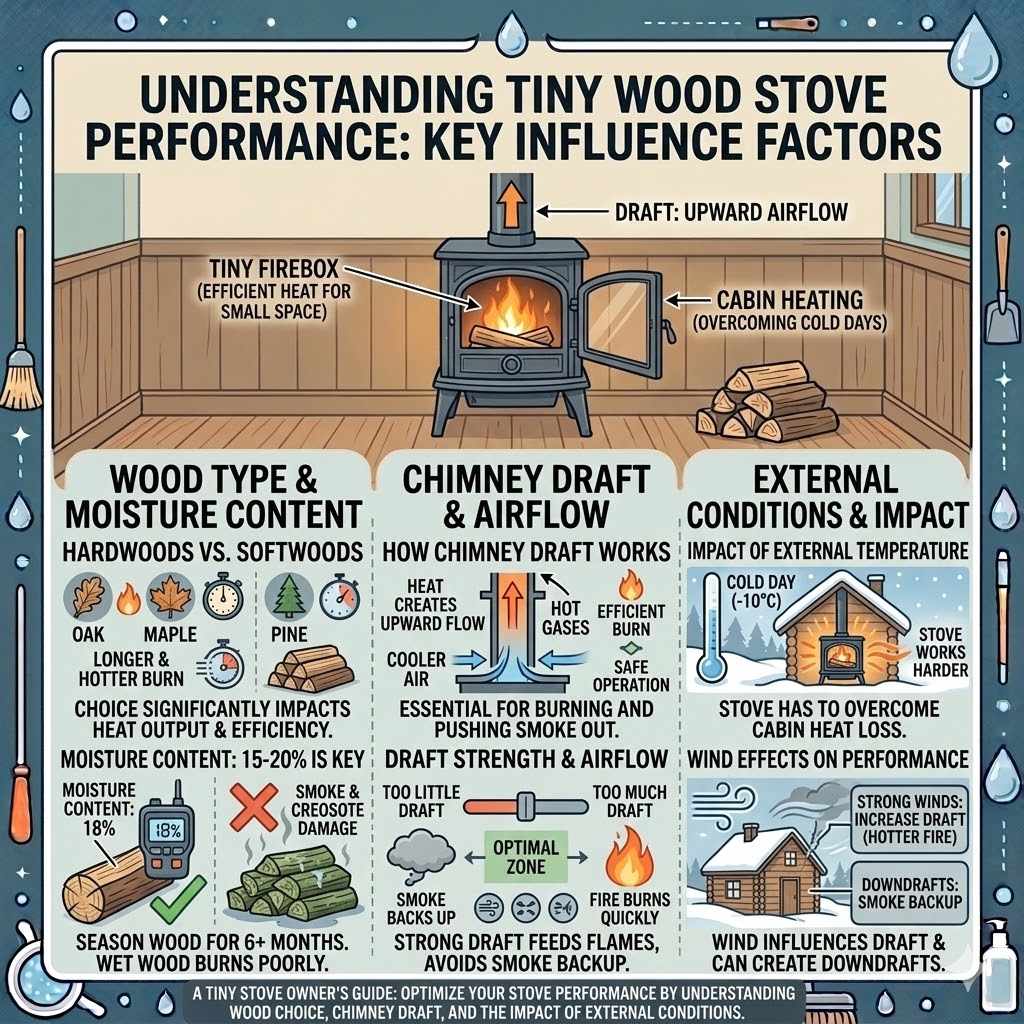
Several factors can influence how well your tiny wood stove performs. These include the type and moisture content of the wood you burn, the quality of your chimney installation, and the ambient temperature and wind conditions around your cabin. Understanding these elements can help you get the most out of your stove and ensure safe operation.
- Wood Type and Moisture Content
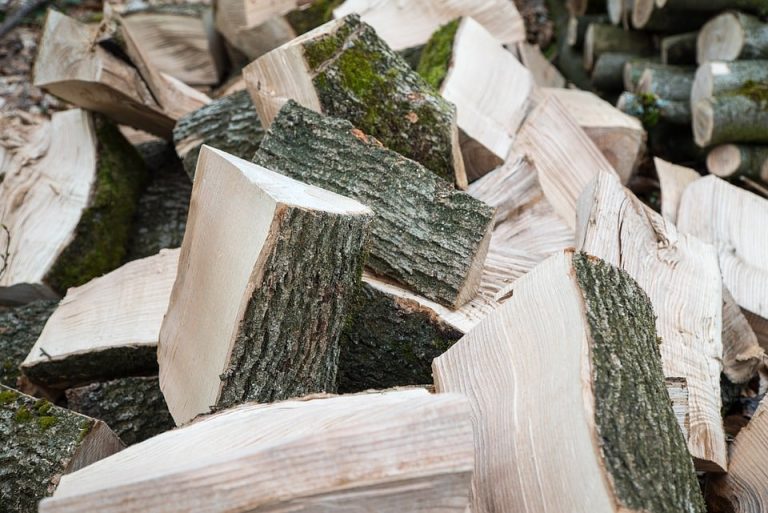
The type of wood you burn significantly impacts heat output and efficiency. Hardwoods like oak and maple burn longer and hotter than softwoods like pine. Crucially, the wood must be seasoned, meaning it has been dried for at least six months to a year. - Wet or “green” wood burns poorly, produces a lot of smoke, and can damage your stove and chimney with creosote buildup. Aim for wood with a moisture content of 15-20%.
- Chimney Draft and Airflow
A good chimney draft is essential for a stove to burn efficiently and safely. Draft is the upward flow of air and gases through the chimney, created by the heat of the fire. A strong draft pulls air into the stove, feeding the flames, and pushes smoke out. - Factors like chimney height, diameter, outside air temperature, and wind can affect the draft. Too little draft can lead to smoke backing up into the cabin, while too much draft can make the fire burn too quickly.
- Impact of Outside Temperature and Wind
The temperature outside your cabin can affect how well your stove heats. On very cold days, your stove has to work harder to overcome the heat loss from the cabin. Wind can also influence performance. - Strong winds can sometimes increase the draft in the chimney, making the fire burn hotter. However, in certain conditions, wind can also create downdrafts, pushing smoke back into the stove or cabin.
Frequently Asked Questions
Question: What is the smallest size wood stove typically available for cabins?
Answer: The smallest wood stoves designed for cabins are often referred to as “micro” or “tiny” stoves. These can have footprints as small as 10×10 inches and are designed to heat very small spaces, often under 200 square feet.
Question: Do tiny wood stoves require special ventilation?
Answer: Yes, all wood stoves require proper ventilation through a chimney system to safely expel smoke and carbon monoxide. Tiny wood stoves need a properly sized and installed chimney, just like larger stoves.
Question: How much wood does a tiny wood stove use?
Answer: A tiny wood stove uses significantly less wood than a larger stove because it heats a smaller space and is designed for efficiency. However, the amount used depends on the wood’s quality, the stove’s efficiency, and how cold it is outside.
Question: Can a tiny wood stove heat an entire small cabin?
Answer: Yes, a properly sized and installed tiny wood stove can effectively heat an entire small cabin, typically one that is well-insulated and under 500 square feet. It’s important to match the stove’s BTU output to the cabin’s size and insulation level.
Question: Are tiny wood stoves safe for small spaces?
Answer: Tiny wood stoves can be very safe when installed correctly, following all manufacturer’s guidelines for clearances, using proper hearth protection, and ensuring good ventilation. A carbon monoxide detector is also essential for safety.
Summary
Finding the best tiny wood stoves for cabins involves focusing on size, heating power, and safety. You need to measure your space carefully and understand clearance requirements. Choosing an efficient model that matches your cabin’s needs will save you wood and provide cozy warmth.
Always prioritize safe installation and operation to enjoy your compact heating solution.