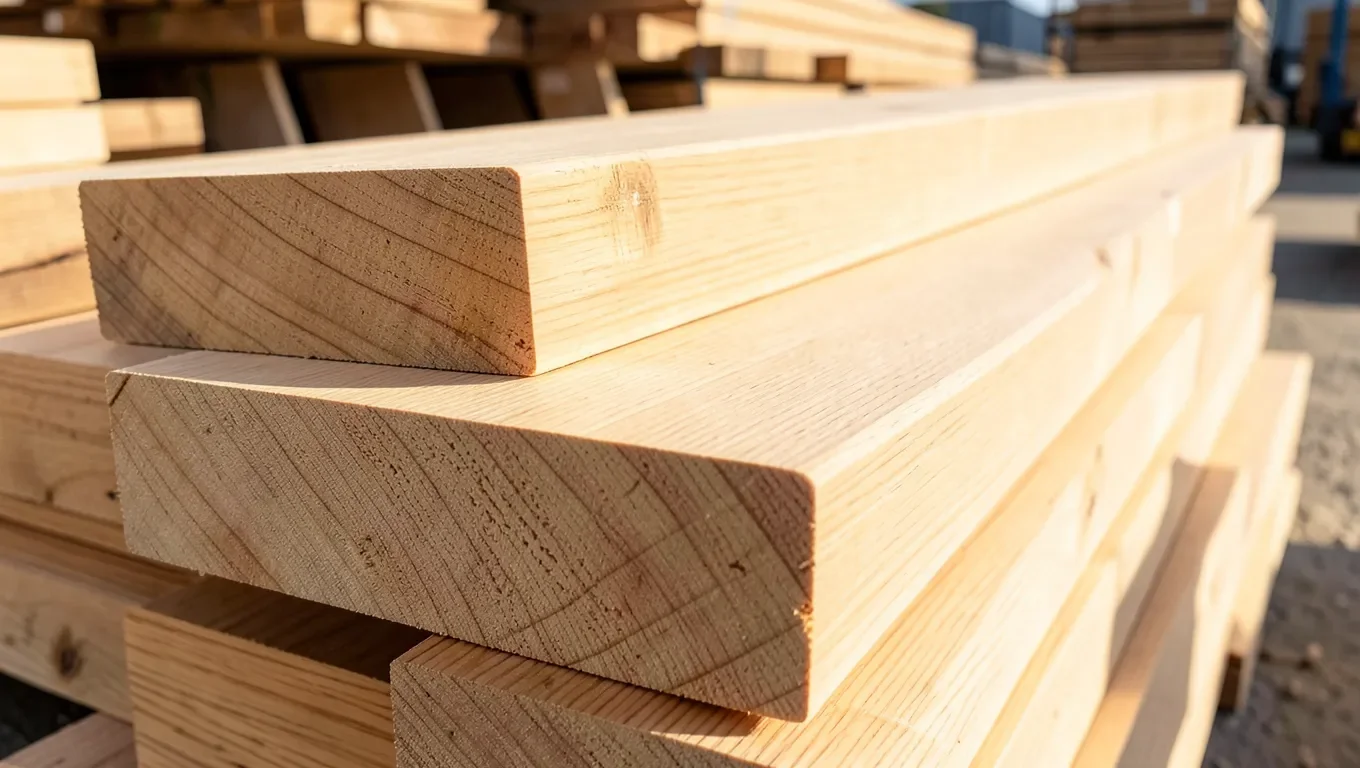
2×12 Ash Wood Price: What It Actually Costs Per Board Foot (2026)
A 2×12 ash board actually runs $8 to $30 or more per linear foot in 2026, depending on grade, not a flat $25-$60 range. The difference comes down to whether you’re pricing utility-grade stock or wide, clear, kiln-dried FAS boards. On a full 8-foot 2×12 (16 board feet), that works out to roughly $60 to $240 or more before tax.
Ash is a genuine hardwood, not a softwood framing material, so a “2×12” in ash isn’t something you’ll find stacked at a big-box store next to pine and fir studs. It’s a specialty hardwood-dealer item, usually cut to size or special-ordered. Here’s what actually drives that price, how the board-foot math works for this specific size, and where to source it without overpaying.
2×12 Ash Wood: Nominal Size vs. Actual Size
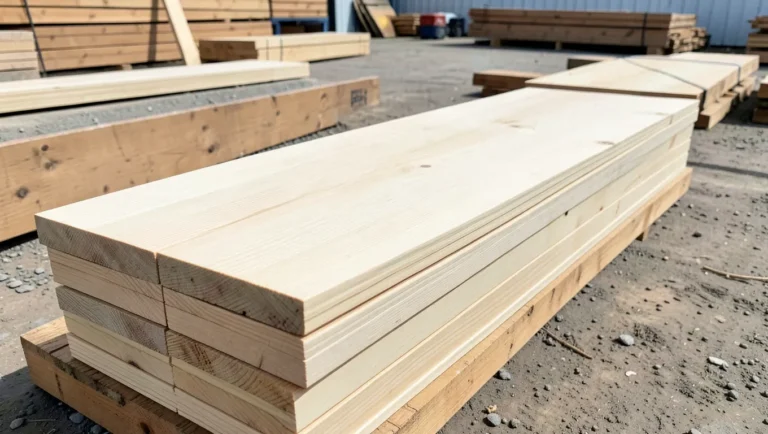
The “2×12” label is dimensional-lumber shorthand borrowed from softwood framing lumber, and it doesn’t mean the board is literally 2 inches by 12 inches. Like a construction-grade 2×12 pine or fir stud, a board sold under that name starts at roughly those rough-sawn dimensions and loses material to planing and surfacing. The finished, S4S (surfaced four sides) board typically measures closer to 1.5 inches thick by 11.25 inches wide. That’s standard dimensional-lumber sizing convention, not a defect or a shorted order.
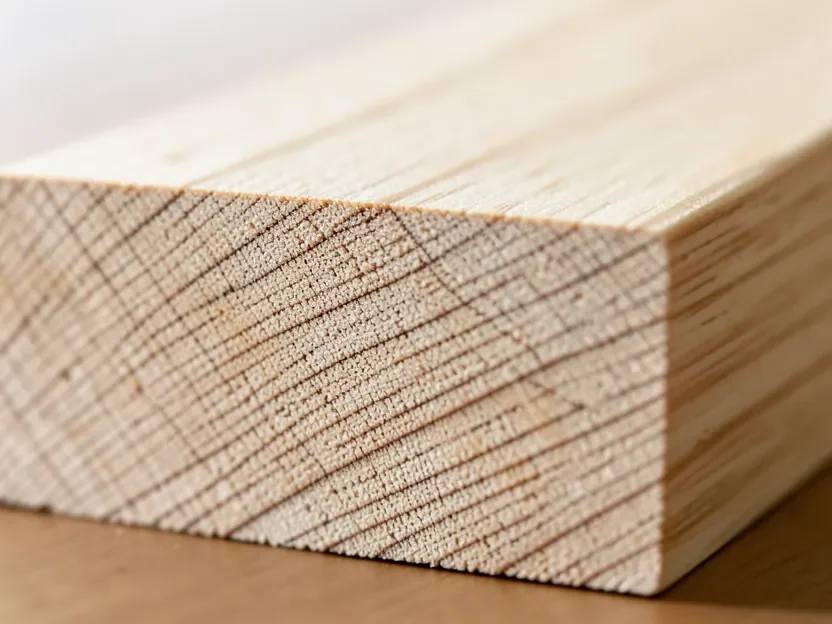
Ash itself isn’t normally milled and stocked in nominal “2×12″ sizing the way pine framing lumber is. Hardwood dealers sell rough ash by quarter-thickness notation instead: 4/4 (1″ nominal), 6/4 (1.5″), 8/4 (2”), and so on. A “2×12 ash board” in practice usually means 8/4 ash, roughly 12 inches wide, sold and priced by the board foot rather than pulled off a shelf as a fixed dimensional SKU. That’s an important distinction if you’re used to shopping for framing lumber: you likely won’t find this at a home-improvement store, and the pricing model works differently.
Real 8/4 Ash Board Stock
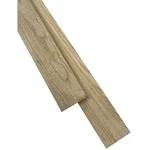 |
10 Board Feet of American Hardwood Lumber (8/4 White Ash) – $174.45 8/4 is exactly the 2-inch nominal thickness a “2×12 ash board” refers to, so this is the actual stock this article is about, not a stand-in.
|
What a 2×12 Ash Board Actually Costs in 2026
Current supplier pricing puts standard kiln-dried ash (4/4 through 8/4 rough stock) at roughly $3.75 to $7.25 per board foot for typical order quantities, climbing to $6.00 to $8.50 per board foot for FAS (Firsts and Seconds) clear grade, and $10 to $15 or more per board foot for wide, premium, or figured stock. These are current 2026 ranges pulled from hardwood-dealer pricing data; always confirm with your local yard, since lumber pricing moves with supply, season, and region.
Board-foot pricing converts to a per-linear-foot cost using the standard formula: thickness (inches) × width (inches) × length (inches) ÷ 144. A 2×12 works out to 2 board feet per linear foot (2″ × 12″ × 12″ ÷ 144 = 2), which gives you this breakdown:
| Grade | Price Per Board Foot | Price Per Linear Foot (2×12) | Full 8-ft Board (16 bf) |
|---|---|---|---|
| Utility / Lower Grade | $3.75 – $5.00 | $7.50 – $10.00 | $60 – $80 |
| Select / #1 Common | $5.00 – $7.25 | $10.00 – $14.50 | $80 – $116 |
| FAS / Premium Clear | $6.00 – $8.50+ | $12.00 – $17.00+ | $96 – $136+ |
| Wide / Figured / Specialty | $10.00 – $15.00+ | $20.00 – $30.00+ | $160 – $240+ |
For a real reference point: a 10-board-foot pack of 8/4 white ash lumber currently sells for about $174 online, which works out to roughly $17.45 per board foot, near the top of that range. Retail, hobbyist-quantity pricing online typically runs higher per board foot than a local lumberyard’s bulk price, which is exactly the kind of supplier-to-supplier gap that makes it worth calling around before you buy.
Why Hardwood Ash Costs More Than Big-Box 2×12 Framing Lumber
If you searched “2×12 price” expecting construction-lumber numbers, the gap is real: a standard SPF or Douglas Fir 2×12 stud runs a few dollars a linear foot at a home center. Ash is a different material category entirely, a dense, ring-porous hardwood harvested in far smaller volumes than plantation softwood, milled and dried to tighter tolerances, and typically sold through specialty hardwood dealers rather than big-box supply chains. You’re not paying a markup on the same product; you’re buying a different product, one suited to furniture, flooring, tool handles, and fine woodworking rather than framing.
What Drives the Price Up or Down
- Species of ash: White ash is generally the most sought-after for lumber because of its strength and lighter color, and typically commands the higher end of pricing. Green ash and imported European ash can price differently depending on regional supply.
- Grade: FAS (Firsts and Seconds) is clear and nearly defect-free, so it costs more. Common grades with knots or checks cost less and work fine for hidden or painted parts.
- Moisture content: Kiln-dried stock is more dimensionally stable and costs more than air-dried lumber because of the added drying time and energy.
- Mill and supplier: Specialty hardwood yards often charge more than a sawmill selling direct, but usually offer better grading consistency and selection.
- Market supply, including Emerald Ash Borer impact: Reduced long-term supply of healthy, wide-diameter ash trees is pushing up prices on clear, wide stock specifically, even while salvage-grade wood from dead trees stays cheap.
- Board width and length: Wider, longer, clear boards cost more per board foot than narrow or shorter offcuts of the same grade.
- Location: Transportation costs and regional hardwood availability shift pricing between suppliers.
Emerald Ash Borer’s Effect on Ash Lumber Supply and Price
The Emerald Ash Borer (EAB), an invasive beetle, has killed a large share of North America’s mature ash trees since it was first detected in the early 2000s. In the short term, that has pushed more salvage-cut ash onto the market as dead and dying trees get harvested before they become unusable, which keeps salvage-grade wood cheap. Longer term, fewer healthy, wide-diameter trees means less high-quality clear stock coming through the supply chain, and that scarcity is showing up as a real premium on wide, clear ash specifically, even while narrow, standard-grade boards stay more affordable. You can find more detail on EAB’s spread from university extension and USDA forest service resources.
Where to Buy a 2×12 Ash Board
- Specialty hardwood dealers and lumberyards: The most reliable source for 8/4 ash at width, with knowledgeable staff and consistent grading. Expect to pay a bit more than a sawmill, but selection and quality are usually better.
- Local sawmills: Can offer real savings if you’re near one, but expect rough-sawn stock that still needs planing, jointing, and drying.
- Online hardwood retailers: Convenient for smaller quantities and specific dimensions, but factor in shipping cost for heavy hardwood and check return policies before ordering.
- Big-box home improvement stores: Mostly stock softwood framing lumber. A few carry a limited hardwood selection, but ash in 8/4 thickness and 12″ width is not typical shelf stock.
Pro tip: Call ahead to confirm current stock, thickness, and pricing before visiting a lumberyard for a specific size like 8/4 x 12″. Specialty sizes are often cut to order rather than kept on the shelf.
Ash vs. Other Hardwoods: Price and Value Comparison
Here’s how ash stacks up against other common hardwoods on price per board foot, based on current supplier ranges:
| Wood Type | Typical Price Per Board Foot (USD) | Key Characteristics |
|---|---|---|
| Ash (White) | $3.75 – $8.50+ | Strong, hard, shock-resistant, light color, straight prominent grain. Good for furniture, tool handles, sports equipment. |
| Poplar | $3.00 – $6.00 | Softer hardwood, easy to work, takes paint well. Less durable and less showy than ash for a natural (unpainted) finish. |
| Oak (Red/White) | $5.00 – $10.00+ | Very strong, pronounced open grain, widely available. White oak is notably more rot- and water-resistant. |
| Maple (Hard) | $5.00 – $10.00+ | Extremely hard, fine uniform texture, can show figured grain. Popular for cutting boards, flooring, furniture. |
| Walnut | $10.00 – $18.00+ | Rich dark color, prized for fine furniture. Usually the most expensive of this group. |
Ash generally sits in the low-to-mid range of common hardwoods, above poplar but below walnut, and roughly comparable to oak and maple depending on grade. For many projects it offers a strong balance of durability, workability, and looks without walnut-level pricing.
Alternatives If 2×12 Ash Is Out of Budget
If ash pricing doesn’t fit your project budget, a few hardwood and softwood alternatives are worth a look:
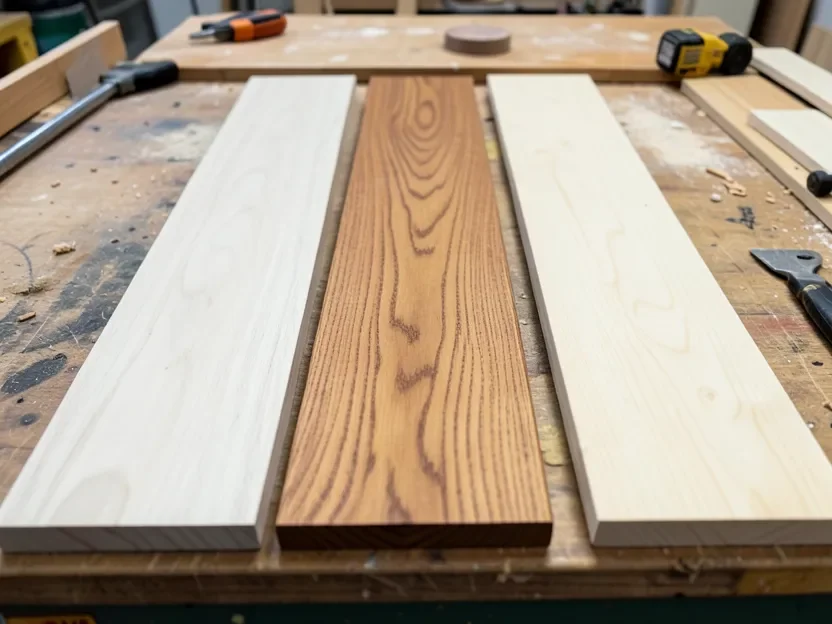
- Oak: Red and white oak land in a similar price bracket to ash and offer comparable strength with a more pronounced, open grain pattern.
- Hard maple: Can run slightly more than ash but offers a finer, more uniform grain and excellent durability.
- Poplar: Notably cheaper, easier to work, and a solid choice for painted projects where natural grain isn’t the point.
- Select-grade Douglas Fir: Technically a softwood, but clean select grades offer real strength at a more economical price than any hardwood, especially in larger dimensions like a true 2×12.
Choosing an alternative comes down to balancing appearance, durability needs, and budget. If ash’s straight grain is what draws you in, oak is the closest look. If color and hardness matter more, maple or a carefully selected piece of poplar can work.
FAQ: Your 2×12 Ash Wood Price Questions Answered
Is ash wood good for structural projects?
Ash is strong and shock-resistant, but it is not what building codes specify for structural framing. Primary structural beams and joists use lumber like Douglas Fir or Southern Yellow Pine because their engineering properties are standardized and predictable at scale. Ash’s strength is real, but it is priced and sold for furniture, tool handles, and fine woodworking, not code-specified structural spans. Always check local building codes and a qualified professional for structural decisions.
How does ash wood compare to oak in terms of price and strength?
Ash and oak (red and white) sit in a similar price bracket, generally $3.75 to $8.50 per board foot for standard grades, though specific grades and regional availability shift that. Both are strong hardwoods. Ash tends to be slightly more shock-resistant than red oak, which is why it is a traditional choice for tool handles and sports equipment. White oak is more resistant to rot and moisture. Visually, ash has a lighter color and a straighter, more uniform grain than oak’s broader cathedral grain.
What is the best grade of ash wood for furniture making?
For furniture where appearance matters, look for FAS (Firsts and Seconds) or Select grade ash, which runs roughly $6.00 to $8.50+ per board foot and has fewer knots and defects, giving clear, consistent surfaces. Common or utility grade, at $3.75 to $5.00 per board foot, is fine for painted, hidden, or rustic-look pieces where a few knots do not matter.
Is ash wood difficult to work with?
No, ash is considered moderately easy to work with. It machines cleanly, takes screws and nails without much splitting if you pre-drill, and glues well. Its hardness dulls blades and bits faster than softer woods, so keep tools sharp. It sands to a smooth finish without much extra effort and accepts stains, paints, and clear finishes well.
How much does a full 2×12 ash board actually cost?
Using the standard board-foot formula, an 8-foot 2×12 ash board contains 16 board feet (2 inches nominal thickness x 12 inches nominal width x 8 feet length, divided by 12). At 2026 supplier pricing that works out to roughly $60 to $80 for utility grade, $80 to $116 for select grade, and $96 to $240+ for FAS or wide premium stock. Always confirm current pricing with your supplier since hardwood costs shift with supply.
Can I use ash wood outdoors?
Ash has only moderate natural resistance to decay and insects, so it is not a top choice for ground contact or constant weather exposure. It can work for covered or well-sealed outdoor furniture with regular maintenance, but for anything in sustained contact with soil or moisture, cedar, redwood, or pressure-treated lumber will hold up longer with less upkeep.
Conclusion: What You’ll Actually Pay for 2×12 Ash Wood
A 2×12 ash board is real hardwood stock, usually 8/4 thickness and roughly 12 inches wide, priced by the board foot rather than sold as a fixed framing-lumber SKU. Expect $3.75 to $8.50+ per board foot depending on grade, which works out to $7.50 to $17.00+ per linear foot, or $60 to $240+ for a full 8-foot board. Prices fluctuate with supply, season, and Emerald Ash Borer’s ongoing effect on healthy tree stock, so confirm current pricing with your supplier before you buy.
Sponsored / affiliate links. As an Amazon Associate I earn from qualifying purchases. I may earn additional commission from eligible campaigns.