Transition Strips for Vinyl Flooring: Seamless Solutions
Looking for transition strips for vinyl flooring? You can find a variety of options at different prices and styles from retailers like Lowe’s, Amazon, Home Depot, and Walmart.
These transition strips are designed to seamlessly join different types of flooring and provide a smooth, attractive transition. They are easy to install and come in various colors and materials to suit your flooring needs. Whether you need a T-molding, edge trim, or reducer molding, you can find the perfect transition strip to complete your vinyl flooring project.
Seamless Aesthetic With Transition Strips
When it comes to vinyl flooring, achieving a seamless aesthetic is essential for creating a cohesive and visually appealing space. One of the key elements in achieving this seamless look is the use of transition strips. These strips not only provide a smooth and seamless transition between different flooring surfaces, but they also add a touch of elegance and functionality to your space. In this blog post, we will explore the importance of using transition strips for vinyl flooring and how they can help you achieve a seamless and visually pleasing result.
Why Use Transition Strips?
Transition strips are an essential component when installing vinyl flooring because they offer several benefits. Here are some of the key reasons why you should consider using transition strips:
- Seamless Transition: Transition strips ensure a smooth and seamless transition between different flooring surfaces. They bridge the gap between two surfaces, such as vinyl and carpet or vinyl and tile, creating a visually appealing and cohesive transition.
- Protection: Transition strips act as a protective barrier, preventing the edges of the vinyl flooring from becoming damaged or worn out. They provide a buffer zone that absorbs impact and protects the edges of the flooring from wear and tear.
- Enhanced Safety: Transition strips help reduce the risk of tripping or stumbling when transitioning between different flooring surfaces. They create a gentle slope or ramp, making it easier to move from one area to another without any abrupt changes in height.
- Decorative Element: Transition strips come in a variety of styles, colors, and finishes, allowing you to match them to your vinyl flooring and overall decor. They can be a decorative element that adds a touch of elegance and sophistication to your space.
Matching Decor And Functionality
When choosing transition strips for your vinyl flooring, it’s important to consider both the decorative aspect and the functionality they offer. Here are some tips to ensure you find the perfect match:
- Style and Finish: Look for transition strips that complement the style and finish of your vinyl flooring. Whether you have a contemporary, traditional, or rustic design, there are transition strips available in various styles and finishes to match your decor.
- Durability: Consider the durability and quality of the transition strips. Look for options that are made from sturdy materials and are built to withstand regular foot traffic and wear and tear.
- Easy Installation: Opt for transition strips that are easy to install. Some options come with adhesive backing or snap-in designs, making the installation process quick and hassle-free.
- Size and Shape: Measure the gap between the different flooring surfaces to determine the appropriate size and shape of the transition strip. Ensure it fits snugly and provides a seamless transition.
By carefully selecting transition strips that match both your decor and functionality needs, you can achieve a seamless and visually pleasing result for your vinyl flooring.
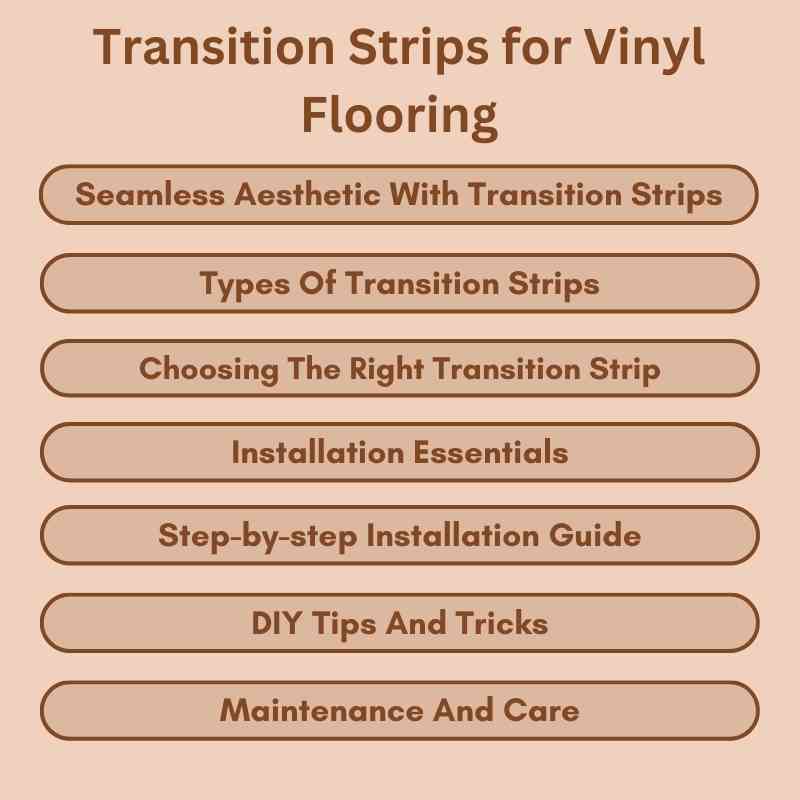
Types Of Transition Strips
Transition strips are an essential component when it comes to vinyl flooring installation. They not only provide a seamless transition between different flooring surfaces but also add a finishing touch to your space. There are various types of transition strips available, each offering different functionalities and aesthetics. In this section, we will explore the different types of transition strips you can choose for your vinyl flooring.
Material Varieties
Transition strips for vinyl flooring are available in a wide range of materials to suit different needs and preferences. Here are some popular material varieties:
- Metal: Metal transition strips are known for their durability and strength. They offer a sleek and modern look to your flooring transition. They are available in various finishes such as brushed nickel, stainless steel, and bronze.
- Wood: Wood transition strips are a popular choice for those who prefer a more natural and rustic look. They are available in different wood species and finishes to complement your vinyl flooring.
- Plastic: Plastic transition strips are lightweight and easy to install. They are available in various colors and styles, making them a versatile choice for any vinyl flooring installation.
- Rubber: Rubber transition strips are known for their flexibility and durability. They provide a safe and slip-resistant transition between different flooring surfaces.
Color Options And Styles
When it comes to transition strips, you have a plethora of color options and styles to choose from. This allows you to customize the look of your flooring transition and create a seamless blend with your vinyl flooring. Some popular color options and styles include:
- Matching: Matching transition strips are designed to blend seamlessly with your vinyl flooring, creating a cohesive and unified look.
- Contrasting: Contrasting transition strips offer a bold and eye-catching look by using a different color or material to create a visual separation between flooring surfaces.
- Patterned: Patterned transition strips add a decorative element to your flooring transition, featuring intricate designs or patterns that can enhance the overall aesthetic of your space.
- Grain Texture: Grain texture transition strips mimic the natural texture of wood grain, providing a realistic and authentic look to your vinyl flooring transition.
With the wide variety of color options and styles available, you can easily find a transition strip that complements your vinyl flooring and enhances the overall design of your space.
Whether you prefer a sleek and modern look or a more natural and rustic feel, there is a transition strip out there to meet your specific needs. Consider the material variety, color options, and styles mentioned above to choose the perfect transition strip for your vinyl flooring installation.
Choosing The Right Transition Strip
- When installing vinyl flooring, choosing the right transition strip is crucial to ensure a seamless and professional finish. Transition strips not only provide a smooth transition between different flooring materials but also help to cover the gaps and protect the edges. Here’s a guide to help you select the right transition strip for your vinyl flooring project.
Assessing The Flooring Gap
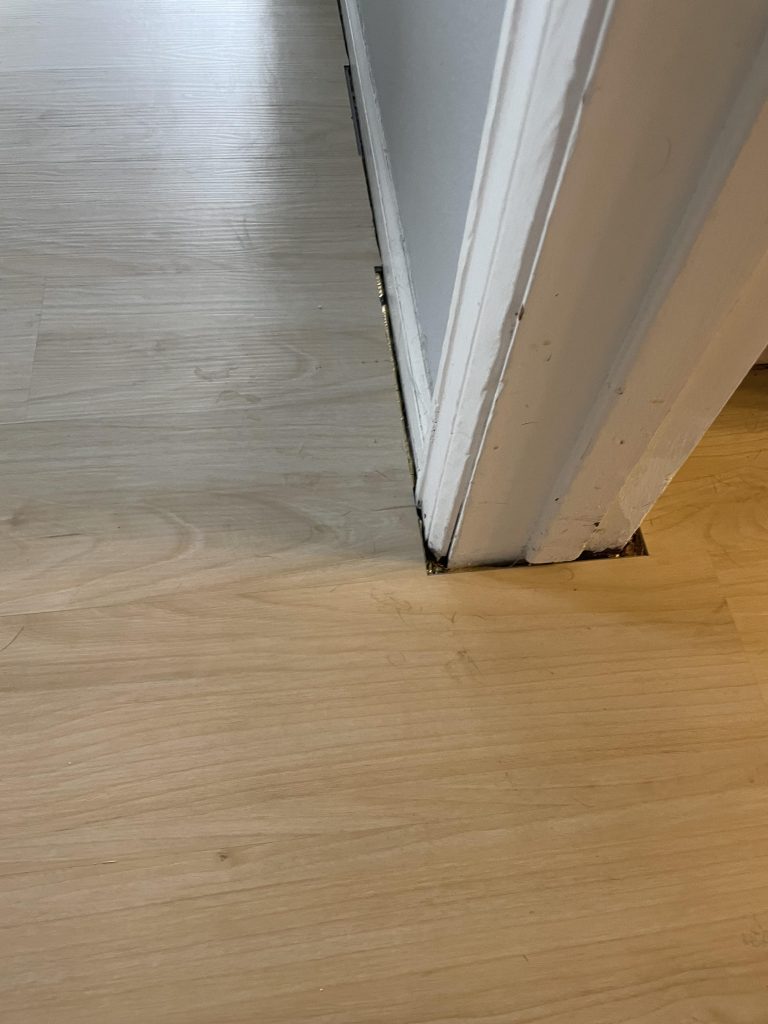
Before choosing a transition strip, it’s essential to assess the flooring gap between the vinyl flooring and the adjacent surface. Measure the width of the gap accurately to determine the type of transition strip required. Some common types of transition strips include T-molding, reducer, end cap, and threshold, each designed to accommodate specific gap sizes.
Considering Floor Heights
Another critical factor when selecting a transition strip is considering the difference in floor heights. If the vinyl flooring sits higher or lower than the adjoining surface, you need to choose a transition strip that can effectively bridge the height difference. T-molding is suitable for connecting floors of equal heights, while reducers are ideal for transitioning between uneven floor levels.
Installation Essentials
Transition strips for vinyl flooring are essential for a seamless and professional installation. These strips not only provide a smooth transition between different types of flooring, but they also protect the edges and enhance the overall appearance of the floor.
With a variety of options available, such as T-molding and edge trim, you can easily find the perfect transition strip to complement your vinyl flooring in Austin, Texas.
Preparation Steps
Before installing transition strips for vinyl flooring, it is important to prepare the area properly. Here are some preparation steps you should follow:
- Clean the surface area where the transition strip will be installed
- Make sure the surface is dry and free from any debris or dust
- Measure the area where the transition strip will be installed to determine the length needed
- Choose the appropriate type of transition strip for your vinyl flooring
Tools And Materials Needed
You will need some tools and materials to install transition strips for vinyl flooring. Here is a list of items you should have:
| Transition strip | Measuring tape | Saw |
| Adhesive | Caulking gun | Level |
| Pencil | Screws | Drill |
Installation Steps
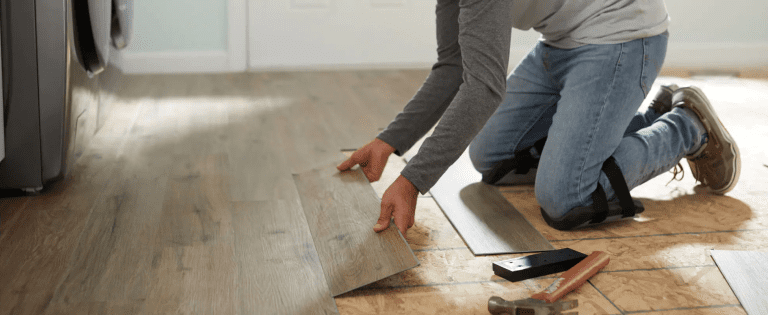
Now that you have prepared the area and gathered the necessary tools and materials, it’s time to install the transition strip. Here are the steps to follow:
- Measure the area where the transition strip will be installed to determine the length needed
- Cut the transition strip to the appropriate length using a saw
- Apply adhesive to the underside of the transition strip
- Place the transition strip in the desired location and ensure it is level
- Secure the transition strip in place using screws and a drill
- Fill any gaps or cracks with caulk
By following these installation essentials, you can install transition strips for vinyl flooring with ease and ensure a seamless transition between different flooring types.
Step-by-step Installation Guide
This step-by-step installation guide provides easy-to-follow instructions for installing transition strips for vinyl flooring. From choosing the right strip to the installation process, this guide will help you seamlessly transition between different flooring surfaces in your home. Say goodbye to unsightly gaps and hello to a professional-looking finish.
Measuring And Cutting
The first step in installing a transition strip for vinyl flooring is to measure the length of the area where the strip will be installed. Use a measuring tape to get the exact length and add an additional inch to the measurement to ensure a proper fit.
Next, mark the measurement on the transition strip using a pencil. Then, use a saw to cut the strip according to the markings.
Securing The Strip
After cutting the transition strip to the correct length, it’s time to secure it in place. Begin by cleaning the area where the strip will be installed to ensure there is no dirt or debris. Then, apply a small amount of adhesive on the back of the transition strip.
Carefully place the strip in the desired location and press down firmly to ensure it is properly secured. Use a heavy object to hold the strip in place while the adhesive dries.
It’s important to ensure that the transition strip is properly aligned with the vinyl flooring to avoid any tripping hazards.
In conclusion, installing transition strips for vinyl flooring is a simple process that can be done with minimal tools and experience. By following this step-by-step guide, you can ensure a seamless transition between different types of flooring in your home or office.
DIY Tips And Tricks
Looking to install transition strips for your vinyl flooring? Check out these DIY tips and tricks for a seamless and professional-looking finish. From choosing the right type of transition strip to the installation process, we’ve got you covered with all the essential information.
DIY Tips and Tricks for Transition Strips for Vinyl Flooring
Transition strips are an essential part of any vinyl flooring installation. Not only do they add a finishing touch to your floors, but they also protect the edges of your vinyl from damage. While you can always hire a professional to install transition strips, doing it yourself can save you money and give you a sense of accomplishment. In this post, we’ll provide you with some DIY tips and tricks for installing and customizing your transition strips, as well as troubleshooting common issues.
Customizing Your Strips
One of the best things about transition strips is that they can be customized to fit your specific needs. Here are some tips for customizing your strips:
- Measure the length and width of the area where the strip will be installed.
- Choose a strip that matches the color and style of your vinyl flooring.
- If the strip is too long, you can easily cut it to size using a saw or a sharp utility knife.
- You can also use a sandpaper or file to smooth out any rough edges after cutting.
- If the strip is too short, you can use a transition strip connector to join two pieces together.
- For a seamless look, you can use a heat gun to mold the strip to the shape of your floor.
Troubleshooting Common Issues
While installing transition strips is a relatively simple process, there are a few common issues that you might encounter. Here are some tips for troubleshooting these issues:
- If the strip is not lying flat, make sure that the subfloor is level and that the strip is installed correctly.
- If the strip is too high or too low, you can adjust it by adding or removing shims under the strip.
- If the strip is creaking or making noise, try adding some adhesive or silicone caulk under the strip to secure it in place.
- If the strip is damaged or worn, you can easily replace it by removing the old strip and installing a new one.
In conclusion, transition strips are an important part of any vinyl flooring installation, and with these DIY tips and tricks, you can easily customize and install them yourself. By taking the time to properly install your transition strips, you can ensure that your floors look great and are protected from damage.
Maintenance And Care
Maintenance and care are essential for ensuring the longevity and beauty of transition strips for vinyl flooring. Regular cleaning with a mild detergent and soft cloth, as well as avoiding harsh chemicals and excessive moisture, will help keep the strips in top condition.
Additionally, inspecting and repairing any damage or loose sections promptly will prevent further issues and maintain the overall integrity of the flooring.
Cleaning Transition Strips
Proper maintenance and cleaning of transition strips can help them last longer and maintain their appearance. It is important to clean them regularly to prevent dirt and debris buildup. Use a soft-bristled brush or vacuum to remove any loose dirt or debris. Then, use a damp cloth or mop with mild soap and water to clean the transition strips. Avoid using abrasive cleaners or scrubbers that can damage the surface of the strips.
Longevity Tips
To ensure the longevity of your transition strips, it is important to take care of them properly. Here are some tips to help extend their lifespan:
- Regularly clean the strips to prevent dirt buildup
- Avoid using harsh cleaners or abrasives that can damage the surface
- Check for any signs of wear or damage and replace them if necessary
- Install the strips correctly to prevent unnecessary stress or damage
- Use transition strips made from durable materials like aluminum or PVC
By following these tips, you can ensure that your transition strips last longer and continue to look great.
Proper maintenance and care can go a long way in extending the lifespan of your transition strips. Regular cleaning and avoiding harsh cleaners and abrasives can prevent damage and wear. Checking for any signs of wear or damage and replacing them if necessary can also help. Additionally, installing the strips correctly and using durable materials can contribute to their longevity. Taking care of your transition strips can help ensure that they continue to look great and function properly for years to come.
Where To Buy
Discover a range of transition strips for vinyl flooring at various retailers such as Lowe’s, Amazon, Home Depot, and Walmart. Prices start from $6. 99, with options for free shipping and pick up available, ensuring a hassle-free purchasing experience.
Online Retailers And Deals
When it comes to purchasing transition strips for vinyl flooring online, there are several options to consider. Here are some popular online retailers and the deals they offer:
- Amazon.com: Offers a wide variety of vinyl transition strips with competitive pricing and occasional discounts, along with free shipping on select items.
- Home Depot: Provides a range of vinyl transition strips with the convenience of free shipping on many products.
- Lowe’s: Offers a diverse selection of transition strips, with the option for in-store pickup and attractive pricing.
- Floor and Decor: Known for its pick-up options, Floor and Decor provides various vinyl transition strips suitable for different flooring needs.
- Walmart: Offers affordable transition strips with the convenience of online ordering and in-store pickup, providing a budget-friendly option.
- Garage Organization: Provides a range of transition strips with the added benefit of free shipping on many items.
Local Hardware Store Finds
If you prefer to shop locally, your neighborhood hardware store may have the vinyl transition strips you need. Local hardware stores often provide a personalized shopping experience along with the convenience of immediate pickup. You can explore their selection and get advice from knowledgeable staff members to ensure you choose the right transition strip for your vinyl flooring.
Frequently Asked Questions
Do You Need Transition Strips For Vinyl Flooring?
Yes, transition strips are recommended for vinyl flooring to cover gaps and protect edges.
How Do You Secure Flooring Transition Strips?
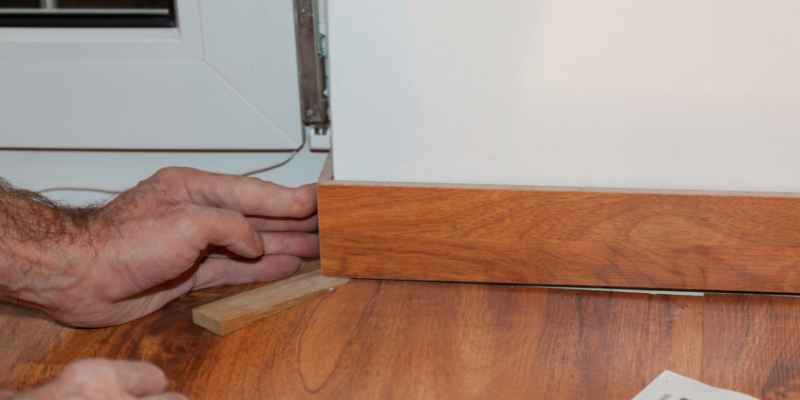
To secure flooring transition strips, follow these steps:
1. Measure and cut the strip to fit the length of the transition area.
2. Use adhesive or nails to secure the strip to the subfloor.
3. Ensure the strip is level and flush with the flooring on both sides.
4. Apply a sealant or caulking around the edges to prevent moisture and dirt from getting underneath. 5. Test the strip to ensure it is secure and doesn’t move when pressure is applied.
How Much Space To Leave For Transition Strip For Vinyl Plank Flooring?
Leave a 1/4 inch gap for temperature changes and 1/2 inch for larger areas.
Do You Glue Down Transition Strips?
No, transition strips for vinyl flooring are not typically glued down. They are usually installed using screws, nails, or adhesive tapes to secure them in place. Gluing them down is not recommended as it may cause damage to the flooring or make it difficult to replace the strips in the future.
Conclusion
Transition strips are a crucial element in ensuring a seamless and professional-looking installation of vinyl flooring. These strips not only provide a smooth transition between different flooring surfaces, but also offer protection against wear and tear. With a wide range of options available, such as vinyl transition strips, edge trims, and reducers, homeowners can easily find the perfect match for their flooring needs.
Whether you’re looking to enhance the aesthetics or improve the functionality of your vinyl flooring, investing in high-quality transition strips is a smart choice.