Treated Wood Paint Guide: Transform Your Outdoor Space
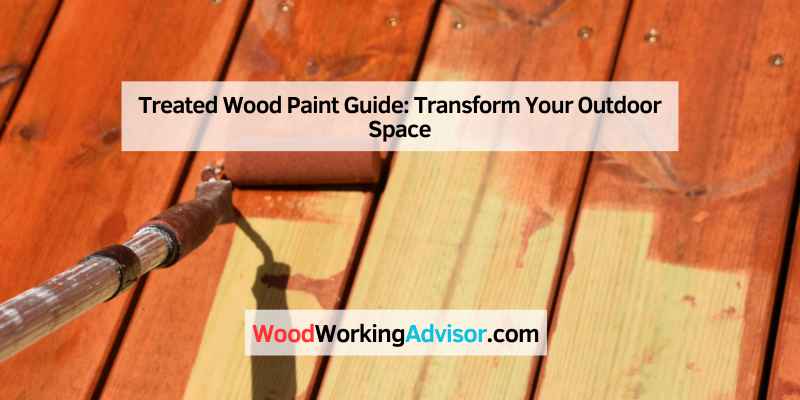
Treated wood paint is specifically designed for surfaces that have undergone chemical preservation. It protects wood from weathering and enhances its appearance.
Treated wood is often used in outdoor construction due to its durability and resistance to rot. However, it requires special care to maintain its integrity. Using the right paint can significantly extend the life of treated wood. A good treated wood paint not only protects against moisture and UV damage but also enhances the wood’s natural beauty.
Choosing the right color and finish can elevate your outdoor space while providing necessary protection. Whether you’re painting a deck, fence, or garden furniture, selecting a high-quality product ensures long-lasting results. Understanding the options available will help you make informed decisions for your projects.
Introduction To Treated Wood
Treated wood is specially processed timber. It resists decay, insects, and weather damage. This makes it ideal for outdoor projects. Builders and DIY enthusiasts prefer it for decks, fences, and furniture.
Benefits For Outdoor Use
Using treated wood offers many advantages:
- Durability: Treated wood lasts longer than untreated wood.
- Weather Resistance: It withstands rain, snow, and sun exposure.
- Insect Protection: It keeps termites and other pests away.
- Low Maintenance: Requires less upkeep than regular wood.
| Benefit | Description |
|---|---|
| Durability | Longer lifespan in outdoor settings. |
| Weather Resistance | Resists damage from environmental factors. |
| Insect Protection | Prevents infestation by pests. |
| Low Maintenance | Needs fewer repairs and treatments. |
Characteristics Unique To Treated Lumber
Treated lumber has distinct features that set it apart:
- Chemical Treatment: It undergoes a process that infuses protective chemicals.
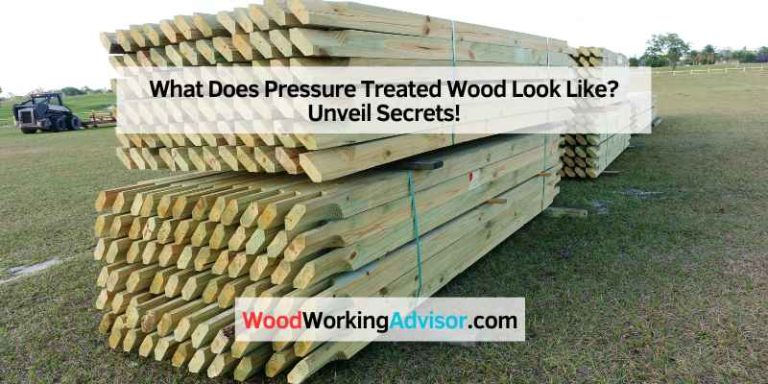
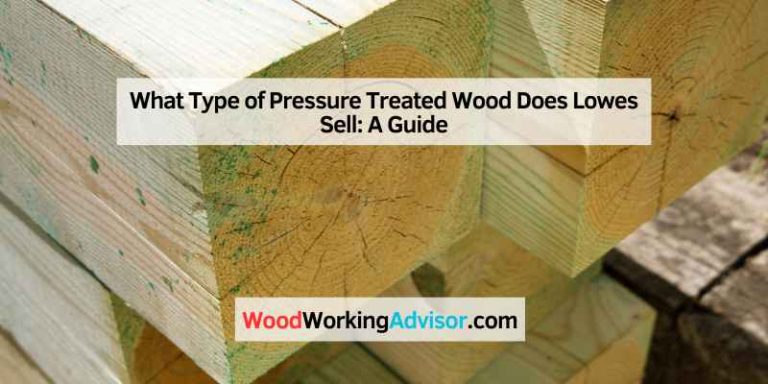
- Visual Appearance: Often has a greenish or brown tint due to treatments.
- Texture: The surface may feel rougher than untreated wood.
- Weight: Treated wood can be heavier due to the chemicals.
These characteristics make treated wood an excellent choice for outdoor applications.
Preparation Essentials
Preparing treated wood for paint is crucial. Proper preparation ensures a smooth finish and durability. Follow these steps for the best results.
Cleaning The Surface
Cleaning the surface is the first step. Remove dirt, dust, and debris. Use a pressure washer or a hose with a scrub brush.
- Use warm water and mild soap.
- Scrub all areas thoroughly.
- Rinse the wood well.
Let the wood dry completely. This may take several hours. Dry wood helps paint adhere better.
Addressing Mildew And Stains
Mildew and stains can ruin the appearance. Treat these issues before painting.
- Mix a solution of water and vinegar.
- Apply it to affected areas.
- Scrub with a brush.
- Rinse thoroughly.
For tough stains, consider using a wood cleaner. Always follow the manufacturer’s instructions. Allow the wood to dry completely after treatment.
Selecting The Right Primer
Choosing the right primer is crucial for painted treated wood. A good primer ensures strong adhesion and protects the wood. This section covers oil-based and water-based primers.
Benefits Of Oil-based Primers
Oil-based primers offer several advantages:
- Excellent Adhesion: They bond well with treated wood.
- Stain Blocking: Effectively blocks knots and stains.
- Durability: Provides a strong base for topcoats.
- Moisture Resistance: Protects against water damage.
Oil-based primers work best for:
- Exterior projects needing durability.
- Wood surfaces exposed to harsh weather.
- Projects with high stain potential.
When To Use A Water-based Primer
Water-based primers have unique benefits:
- Quick Drying: Dries faster than oil-based options.
- Low Odor: Safer for indoor use.
- Easy Clean-Up: Wash tools with soap and water.
- Environmentally Friendly: Lower VOC content.
Use water-based primers when:
- Working on interior projects.
- Speed is a priority.
- Low odor is important.
Choosing Your Paint
Choosing the right paint for treated wood is crucial. The paint affects durability and appearance. Different types of paint offer various benefits. Understanding these options helps in making the best choice.
Oil Vs. Latex Paints
Oil-based and latex paints have unique characteristics. Here’s a quick comparison:
| Feature | Oil-based Paint | Latex Paint |
|---|---|---|
| Drying Time | Slower drying time | Quick drying time |
| Durability | Very durable | Less durable |
| Cleanup | Requires solvents | Soap and water |
| Finish | Smoother finish | Matte or glossy |
Choose oil-based for high durability. Opt for latex for easier cleanup.
Best Paints For Weather Resistance
Weather resistance is key for outdoor treated wood. Here are some top options:
- Exterior Acrylic Paint: Offers great UV protection.
- Waterproof Stain: Penetrates wood, prevents moisture.
- Hybrid Paints: Combines benefits of both oil and latex.
Look for paints labeled as weather-resistant. Check for UV protection and mildew resistance. These features enhance the lifespan of your paint job.
Application Techniques
Applying treated wood paint requires the right techniques. Proper methods ensure even coverage and a lasting finish. Here are some effective application techniques.
Brushes Vs. Rollers
Choosing between brushes and rollers can affect your results.
| Technique | Advantages | Disadvantages |
|---|---|---|
| Brushes |
|
|
| Rollers |
|
|
Spray Painting Tips
Spray painting can speed up the process. Here are some tips for a smooth finish:
- Choose a well-ventilated area.
- Use a quality spray gun.
- Practice on a scrap piece first.
- Keep a consistent distance from the surface.
- Apply thin coats for best results.
Remember to wear protective gear. This includes masks and goggles. Proper prep work leads to better outcomes.
Color And Finish
Treated wood paint offers various colors and finishes. Choosing the right options can enhance your home’s beauty. Paint color and finish impact the overall look and feel of your space.
Harmonizing With Your Home
Selecting the perfect color is essential. It should complement your home’s style. Here are some tips to consider:
- Match with existing colors: Look at your home’s exterior and interior.
- Consider the surroundings: Natural landscapes can inspire your color choice.
- Think about trends: Modern palettes often include bold and earthy tones.
Popular colors for treated wood paint include:
| Color | Style |
|---|---|
| Warm Browns | Classic and inviting |
| Cool Grays | Modern and sleek |
| Bold Reds | Vibrant and energetic |
| Soft Blues | Calm and serene |
Matte, Semi-gloss, And Gloss Options
The finish of treated wood paint affects appearance and durability. Each option has its own benefits:
- Matte: Absorbs light, creating a soft look. Hides imperfections well.
- Semi-gloss: Offers a subtle shine. Provides good durability and easy cleaning.
- Gloss: Highly reflective. Makes colors pop and is easy to clean.
Choosing the right finish depends on the area:
- High-traffic areas: Semi-gloss or gloss is ideal.
- Low-traffic areas: Matte works well for a soft look.
Your choice of color and finish will enhance your treated wood surfaces. It will create a welcoming atmosphere in your home.
Maintenance Tips
Maintaining treated wood paint ensures long-lasting beauty. Proper care keeps your surfaces looking fresh and vibrant. Follow these tips to protect your investment.
Regular Cleaning
Cleaning treated wood surfaces is essential. Dust and dirt can dull the paint. Use the following steps for effective cleaning:
- Gather cleaning supplies: soft brush, mild soap, water.
- Mix soap with water in a bucket.
- Dip the brush in the soapy water.
- Gently scrub the surface.
- Rinse with clean water.
- Let it dry completely.
Cleaning every few months prevents build-up. Inspect for any signs of wear or damage. Early action can save time and effort.
Touch-up Strategies
Touching up treated wood paint keeps it looking new. Follow these strategies for effective touch-ups:
- Identify areas needing touch-up.
- Choose paint that matches the original color.
- Use a small brush for precision.
- Lightly sand the area before painting.
- Apply a thin coat of paint.
- Allow it to dry completely.
Keep a small can of paint for easy access. Touch-ups will maintain your surfaces’ appearance. Regular checks help catch issues early.
Safety And Environmental Considerations
Choosing treated wood paint involves understanding safety and environmental impacts. This guide covers essential aspects to keep in mind. Prioritizing safety helps protect both you and the environment.
Proper Ventilation
Good ventilation is crucial during painting projects. It helps reduce harmful fumes. Follow these steps for proper ventilation:
- Open windows and doors.
- Use fans to circulate air.
- Consider wearing a mask if necessary.
Ensure the area is well-ventilated. This helps maintain air quality and keeps you safe. Avoid painting in enclosed spaces without airflow.
Disposal Of Paint And Materials
Dispose of treated wood paint and materials responsibly. Improper disposal can harm the environment. Follow these guidelines:
- Check local regulations for hazardous waste.
- Use designated drop-off locations for paint.
- Never pour paint down the drain or on the ground.
Consider recycling paint containers. Many facilities accept empty containers for recycling. This reduces waste and promotes sustainability.
| Item | Disposal Method |
|---|---|
| Treated Wood Paint | Hazardous waste drop-off |
| Paint Brushes | Clean and reuse or dispose of in trash |
| Paint Cans | Recycle if empty; check local rules |
Always follow local guidelines. Your efforts help protect the planet.
Case Studies
Explore real-life examples of treated wood paint applications. These case studies showcase amazing transformations. They highlight the benefits and versatility of treated wood paint.
Before And After Transformations
Transformations can be stunning. Here are some impressive before and after examples:
These projects demonstrate how treated wood paint enhances beauty. The difference is clear. Bright colors and protective layers breathe new life into wood.
DIY Success Stories
Many people have succeeded with DIY projects using treated wood paint. Here are some popular success stories:
- Patio Furniture: A homeowner painted old furniture. Now it looks brand new.
- Garden Shed: A shed got a fresh coat of paint. It stands out beautifully in the yard.
- Wooden Planters: Planters received a colorful upgrade. Plants thrive in stylish containers.
Each story shows creativity and resourcefulness. DIY projects boost confidence and enhance outdoor spaces. Everyone can achieve similar results with treated wood paint.
Final Touches
Final touches can transform your treated wood project. They add beauty and protection. Let’s explore two important aspects: sealing and accessorizing.
Sealing For Longevity
Sealing your treated wood is vital for its durability. A good sealant keeps moisture out. It also protects against UV rays. Here’s how to seal your wood effectively:
- Choose a high-quality sealant designed for treated wood.
- Ensure the surface is clean and dry before applying.
- Use a brush or roller for even coverage.
- Apply at least two coats for the best protection.
- Let it dry completely before using the wood.
Regular maintenance extends the life of your wood. Reapply the sealant every few years.
Accessorizing Your Outdoor Space
Accessorizing enhances the look of your treated wood. Here are some ideas to consider:
- Outdoor furniture can add comfort and style.
- Planters filled with flowers brighten your space.
- Lighting creates a warm atmosphere at night.
- Decorative pillows add color and coziness.
- Outdoor rugs can define spaces and add texture.
Choose accessories that match your style. This makes your outdoor area inviting and enjoyable.
Frequently Asked Questions
What Is Treated Wood Paint?
Treated wood paint is a specialized coating designed for wood that has undergone treatment for durability and resistance. It protects against moisture, decay, and pests. This paint enhances the wood’s appearance while providing a long-lasting barrier, making it ideal for outdoor projects like decks and fences.
How To Apply Treated Wood Paint?
To apply treated wood paint, start by preparing the surface. Clean the wood thoroughly and allow it to dry completely. Use a high-quality brush or roller for even application. Apply at least two coats, allowing sufficient drying time between applications.
This ensures optimal protection and finish.
Is Treated Wood Paint Weather-resistant?
Yes, treated wood paint is designed to be weather-resistant. It protects against rain, sun, and temperature fluctuations. The paint creates a barrier that helps prevent moisture absorption and damage. Choosing a high-quality product ensures longer-lasting protection and maintains the wood’s integrity over time.
Can I Use Treated Wood Paint Indoors?
While treated wood paint is primarily designed for outdoor use, it can be used indoors. However, ensure proper ventilation during application. The chemicals in treated wood may emit fumes, which can be harmful in enclosed spaces. Always follow safety guidelines and use appropriate protective gear.
Conclusion
Choosing the right treated wood paint is essential for durability and aesthetics. A quality paint enhances the wood’s lifespan and protects it from the elements. Consider factors like color, finish, and application methods. Investing time in selecting the best product will ensure your wood projects look great and last longer.