Should Pressure Treated Wood Be Stained? (Yes, After It Hits 15%)
Pressure-treated wood should be stained — but only after it dries to roughly 15% moisture content, not right after installation. Staining too early traps moisture under the film, causing peeling and blotching within a season. This guide covers testing the wood for readiness, picking an oil- or water-based stain, and the application steps that make the finish last 2–3 years outdoors.
What Pressure-Treated Wood Is, and When It’s Ready to Stain
Best Pressure-Treated Wood Stain Pick
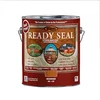 |
Ready Seal Exterior Wood Stain & Sealer, Redwood, 1 Gallon – $34.79 A one-coat oil-based stain and sealer combo built for exactly the moisture-timing issue covered above — it blends itself with no wet-line, so touch-up and lap marks aren’t a concern once your board hits the 15% target.
|
As an Amazon Associate we earn from qualifying purchases.
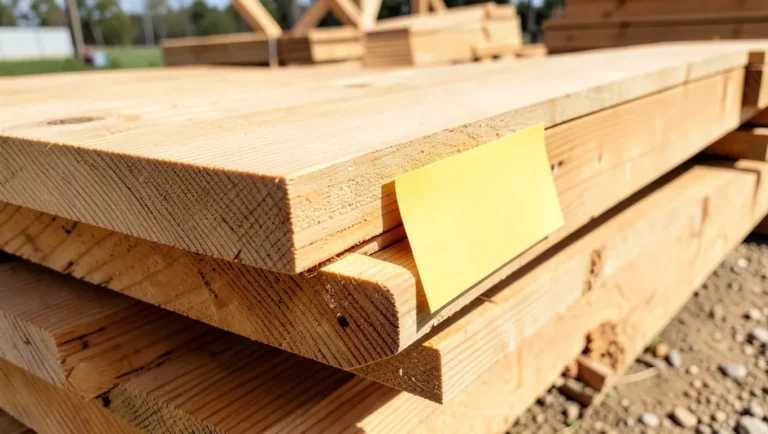
Pressure-treated wood is lumber infused with preservatives — typically copper azole or alkaline copper quaternary — forced deep into the fibers inside a sealed pressure chamber. That process protects against rot, decay, and insects, but it also saturates fresh lumber with moisture: freshly treated boards can start at 40–75% moisture content, far too wet for stain to bond. The preservative treatment and the staining decision are separate steps, which is the main source of confusion homeowners run into.
When to Stain: Moisture Content and Timing
Wait until the wood’s moisture content drops to around 15% before staining — usually 2 to 6 weeks in warm, dry weather, longer in humid or cold climates, per the American Wood Protection Association’s treated-wood guidance. Kiln-dried-after-treatment (KDAT) lumber, labeled as such at the yard, is often stain-ready immediately since it’s already been dried post-treatment.
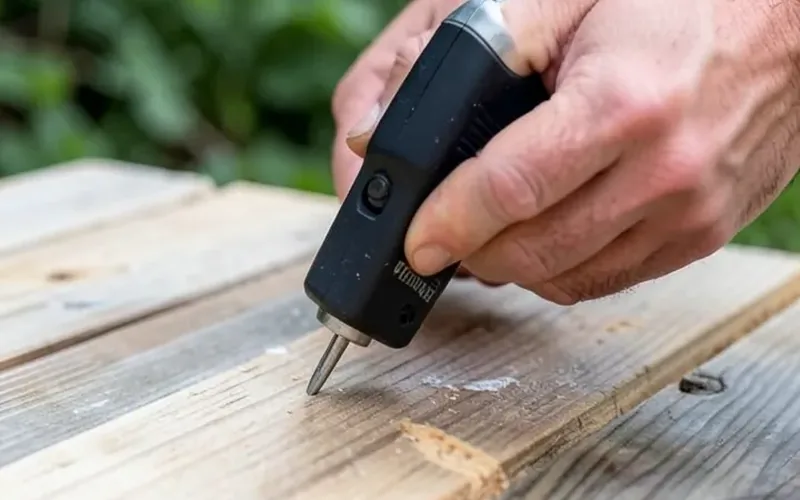
- Sprinkle test: flick water onto the board — if it beads up, the wood is still too wet; if it soaks in within seconds, it’s ready.
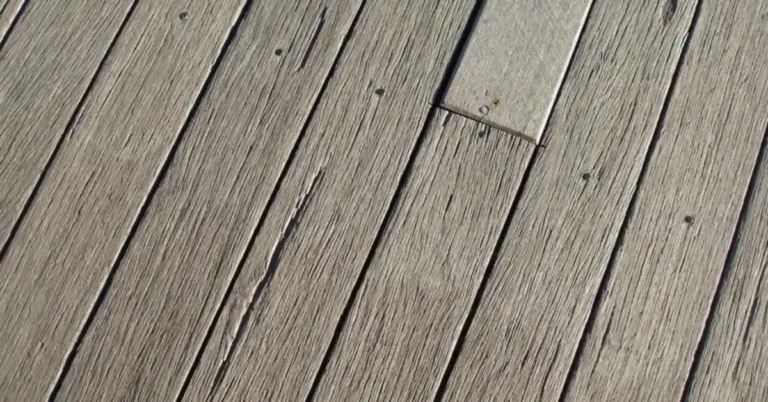
- Color change: fresh PT lumber often has a greenish or dark tint that fades to a lighter, grayish tone as it dries.
- Moisture meter: the most reliable check — a pin-type meter reading of 15% or lower means the wood will accept stain properly.
📊 Freshly pressure-treated lumber can carry 40–75% moisture content and needs to drop to about 15% before it will accept stain — Source: American Wood Protection Association
Choosing an Oil- or Water-Based Stain
Oil-based stains penetrate deeper into pressure-treated wood’s tighter grain and hold up well outdoors, but they take longer to cure and clean up with mineral spirits. Water-based stains dry faster, clean up with soap and water, and come in a wider color range, though they tend to sit more on the surface. For a board that’s freshly dried and still slightly porous from the treatment process, either type will bond — the bigger factor is matching opacity (transparent, semi-transparent, or solid) to how much of the wood grain you want visible.
“No cracking, chipping, flaking or peeling, with excellent moisture resistance and UV protection.”
— Ready Seal manufacturer product specification
How to Prepare and Apply the Stain
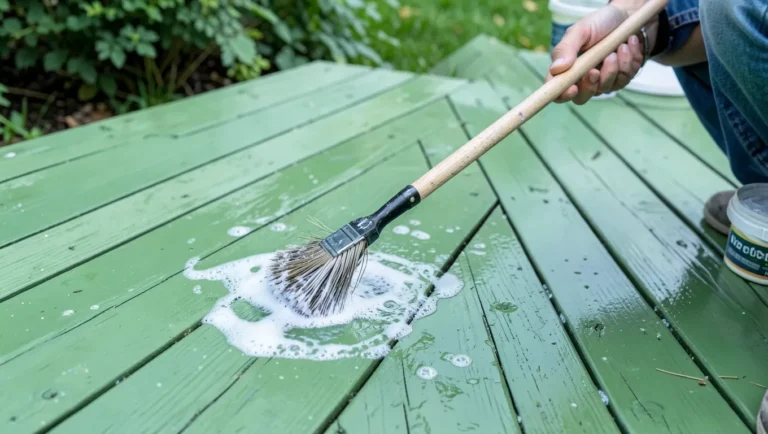
- Clean the surface: scrub the wood with a deck cleaner or a water-and-bleach mix, then rinse and let it dry fully.
- Sand rough spots: lightly sand any splinters or rough grain with fine-grit sandpaper, working with the grain, then wipe away dust.
- Stir, don’t shake: mix the stain thoroughly with a stir stick to redistribute settled pigment.
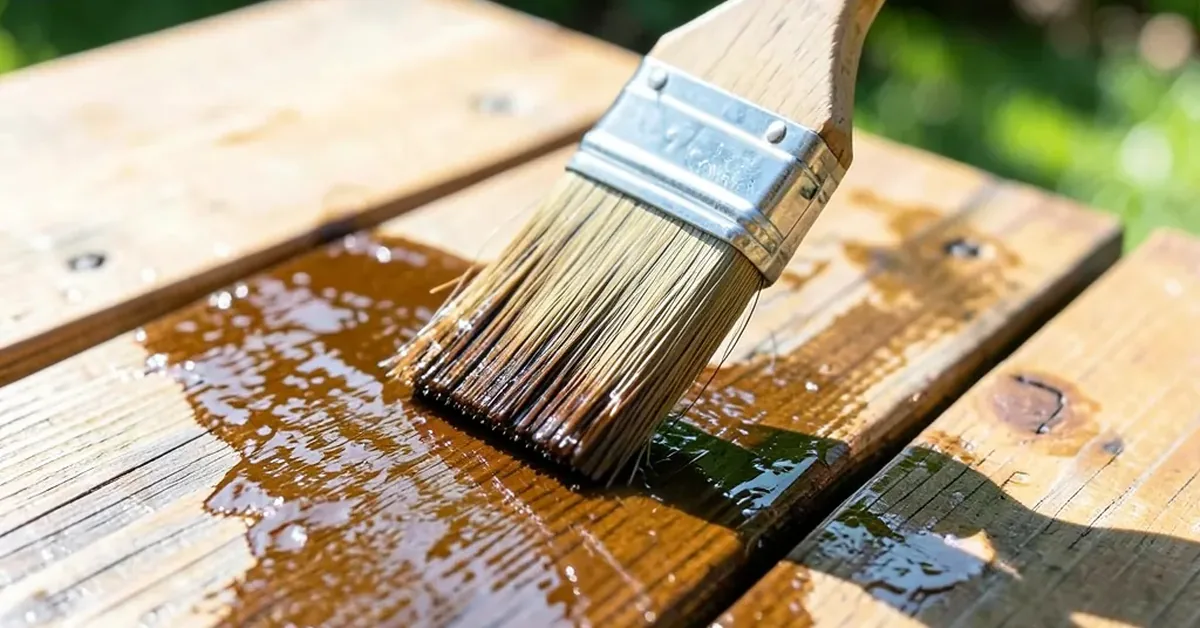
- Apply thin, even coats: brush or roll in the direction of the grain, working in manageable sections so edges stay wet.
- Let each coat cure: follow the product’s recoat time before adding a second coat or walking on the surface.
For a visual walkthrough of the process, Kreg Tool’s how-to below covers surface prep and application on a real pressure-treated project.
Maintenance and Restaining Schedule
Inspect the wood once a year for cracking, graying, or splinters, and clean it with a mild detergent when dirt builds up. Most exterior stains on pressure-treated wood need reapplication every 2–3 years, sooner in direct, all-day sun exposure. If the finish has faded but the wood itself is sound, a fresh coat — not a full strip — is usually enough; save sanding and stripping for boards with peeling film or gray, weathered fibers.
Frequently Asked Questions
How long do I have to wait to stain pressure-treated wood?
Typically 2 to 6 weeks in warm, dry weather, until the wood reaches about 15% moisture content. Kiln-dried-after-treatment lumber can often be stained right away since it’s already been dried post-treatment.
Is it worth staining pressure-treated wood?
Yes. The chemical treatment protects against rot and insects, but not against UV graying, surface checking, or water absorption at the wood’s surface. Stain adds that layer, and it’s the main way to keep the wood’s color from fading to gray.
What happens if you don’t stain pressure-treated wood?
Unstained boards absorb rain and swell, then shrink as they dry in the sun — that repeated cycle is what causes surface checking (small cracks) over a few seasons. The wood also fades to gray from UV exposure. Deck screws rated for treated lumber hold up regardless, but the wood surface itself will weather faster unsealed.
Does pressure-treated wood need to be sealed?
Yes. The chemical treatment guards against insects, rot, and fungi, but not moisture absorption, mold, mildew, or UV damage. A stain-sealer combo, or a clear sealer alone, addresses what the treatment doesn’t. Sealing wood in general follows the same moisture-readiness rule covered above.
Conclusion
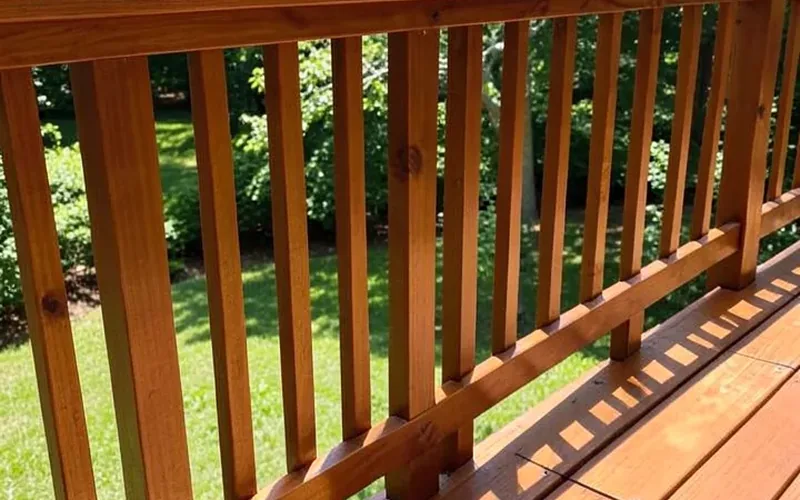
Stain pressure-treated wood once it dries to roughly 15% moisture content — confirmed with a sprinkle test or moisture meter, not just a calendar guess. Skipping this step is the single most common reason a new stain job peels within months. Once the timing is right, an oil-based stain like the one above, applied in thin, even coats, typically protects pressure-treated wood for 2–3 years before it needs another coat.
Sponsored / affiliate links. As an Amazon Associate I earn from qualifying purchases. I may earn additional commission from eligible campaigns.