Why is Pressure-Treated Wood Cheaper Than Untreated Wood?
Ever wandered through the aisles of your local hardware store, looking at the stacks of lumber, and wondered why pressure-treated wood often comes with a lower price tag than its untreated counterpart? You’re not alone.
This pricing paradox might seem puzzling at first glance. After all, wouldn’t the additional treatment process add to the cost? Here’s where the fascinating world of wood treatment unfolds, revealing secrets that could change the way you approach your next DIY project.
As you dig deeper into this topic, you’ll uncover the reasons behind the cost difference and discover how choosing the right type of wood can save you money in the long run. Stick around, because understanding these insights could lead to smarter, more cost-effective choices for your home and garden projects.
Production Cost Differences
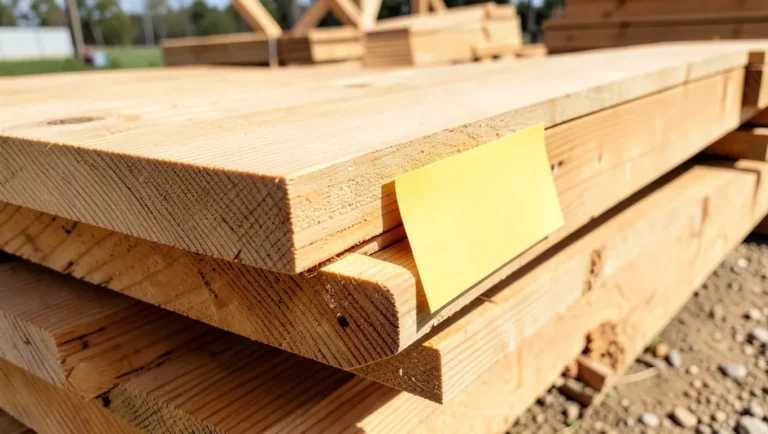
Pressure-treated wood uses special chemicals. These chemicals protect wood from bugs and water. Untreated wood does not have these chemicals. Making treated wood needs extra steps. But, the chemicals are not very expensive. So, treated wood stays cheap. Untreated wood may seem simple. Yet, it can get damaged easily. This makes it cost more over time.
Many companies make pressure-treated wood. They produce lots of it. This helps them save money. It’s cheaper to make many pieces at once. Untreated wood does not need special factories. Yet, treated wood is made in big places. These places cut costs by making lots. This is why treated wood is cheaper than untreated wood.
There’s also a species factor most guides skip. Pressure treating is almost always done to fast-growing softwoods – typically southern yellow pine. Pine grows to harvestable size in 15–25 years, versus decades for many premium untreated hardwoods and naturally rot-resistant species. A cheaper, faster-growing raw material plus mass-produced chemical treatment adds up to a lower shelf price than a slower-growing, naturally durable wood like teak or cedar heartwood – even before you factor in that the treatment itself is inexpensive per board foot.
Durability And Longevity Factors
Pressure-treated wood fights against bugs and rot. It has special chemicals. These chemicals protect it from rain and sun. This makes it last longer than regular wood. Regular wood can get eaten by bugs or rot in the rain.
Pressure-treated wood needs less care. You don’t have to paint it often. Regular wood needs more care. It can crack or change color. This means more work for you. So, pressure-treated wood saves time and money.
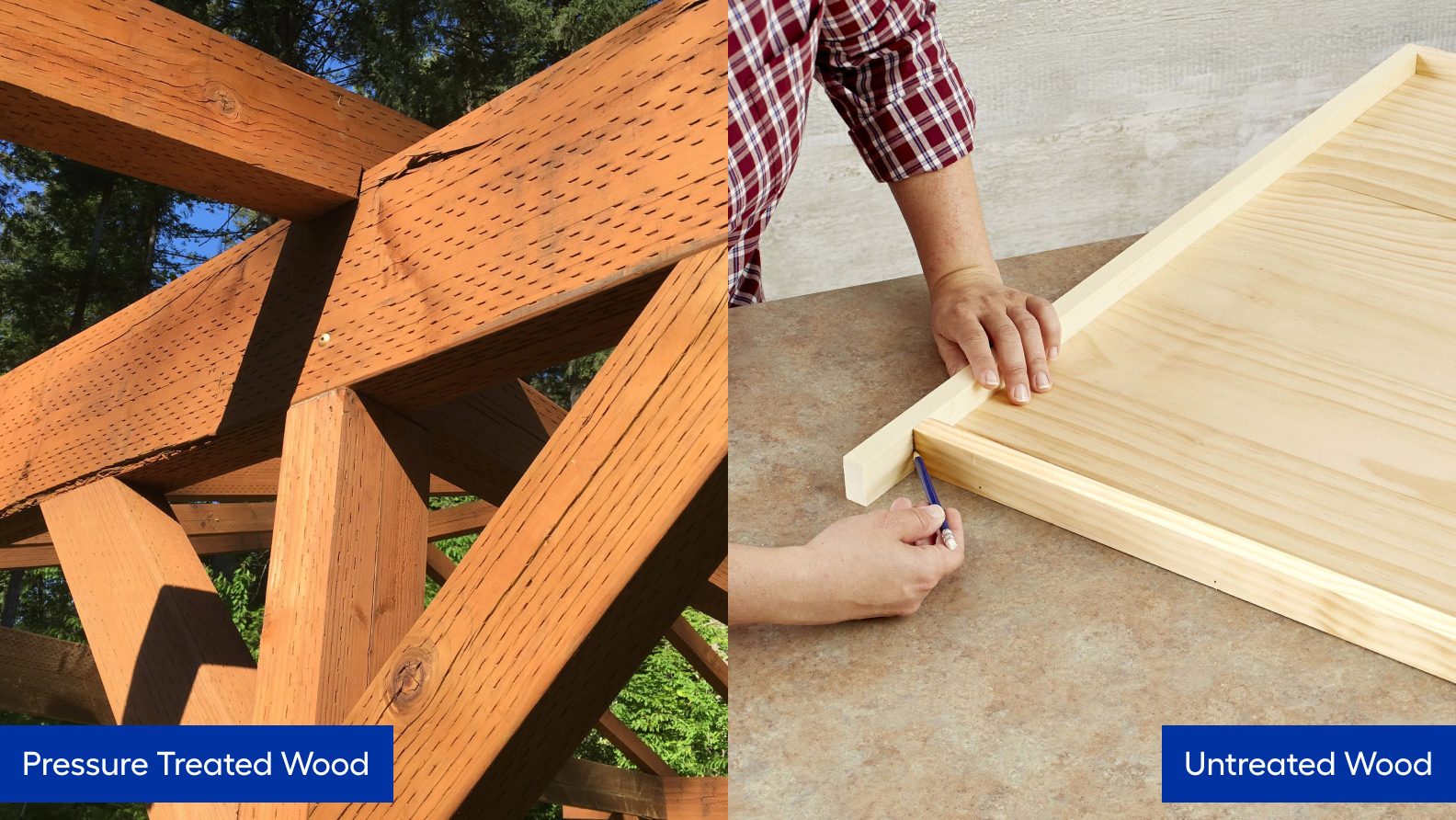
Modern pressure-treated lumber is typically infused with a water-based preservative – most commonly alkaline copper quaternary (ACQ) or micronized copper azole (MCA) – forced deep into the wood cells under high pressure in a sealed cylinder, rather than just brushed on the surface. That’s the actual mechanism behind the low price and the durability: because the preservative penetrates the whole board instead of coating it, a board can be cut, drilled, or notched during a project and the exposed interior wood is still protected, which isn’t true of a wood that’s only surface-sealed after the fact.
Market Demand And Supply
Pressure-treated wood is very popular with people. It lasts longer than untreated wood. People like it because it is strong. It also costs less. This makes it a good choice. Many people buy it for their home projects. Builders prefer it, too. They use it for decks and fences.
The construction industry affects wood prices. Builders need a lot of wood. More demand means more supply. This keeps prices low. Pressure-treated wood is strong. It is also safe from bugs and rot. Builders trust this wood for big projects. It is often cheaper than untreated wood. This helps builders save money.
Pressure-Treated Vs. Untreated Wood: Side-By-Side Comparison
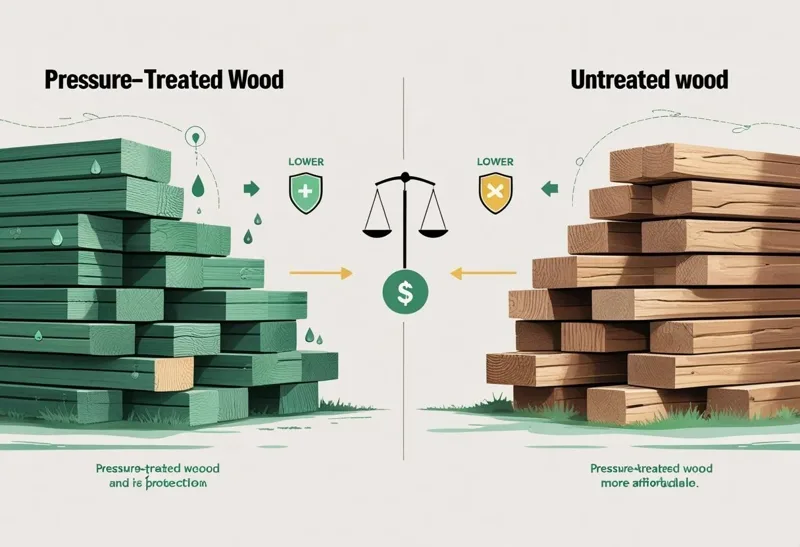
| Factor | Pressure-Treated Wood | Untreated Wood |
|---|---|---|
| Typical cost per board foot | Lower | Higher (especially for naturally rot-resistant species) |
| Resistance to rot and insects | High – chemical preservative penetrates the wood | Low to none, unless a naturally durable species like cedar or teak |
| Best use | Decks, fences, joists, anything touching soil or exposed to weather | Indoor furniture, trim, cutting boards, anything touching food or skin |
| Safe for indoor furniture or food contact? | Not recommended | Yes |
| Maintenance | Occasional sealing recommended, but forgiving if skipped | Regular sealing/staining needed to match treated wood’s lifespan |
| Typical outdoor lifespan | 15–40 years depending on ground contact rating | 2–15 years depending on species and exposure |
Common Mistakes When Buying Or Using Pressure-Treated Wood
- Using the wrong exposure rating. Pressure-treated lumber is graded for different exposure levels (above-ground only vs. ground-contact vs. permanent wood foundation). Using an above-ground board for a post buried in soil voids the practical protection and can lead to early rot.
- Using treated wood for cutting boards, indoor tabletops, or anything that touches food or bare skin regularly. The preservative chemicals aren’t intended for that kind of repeated contact.
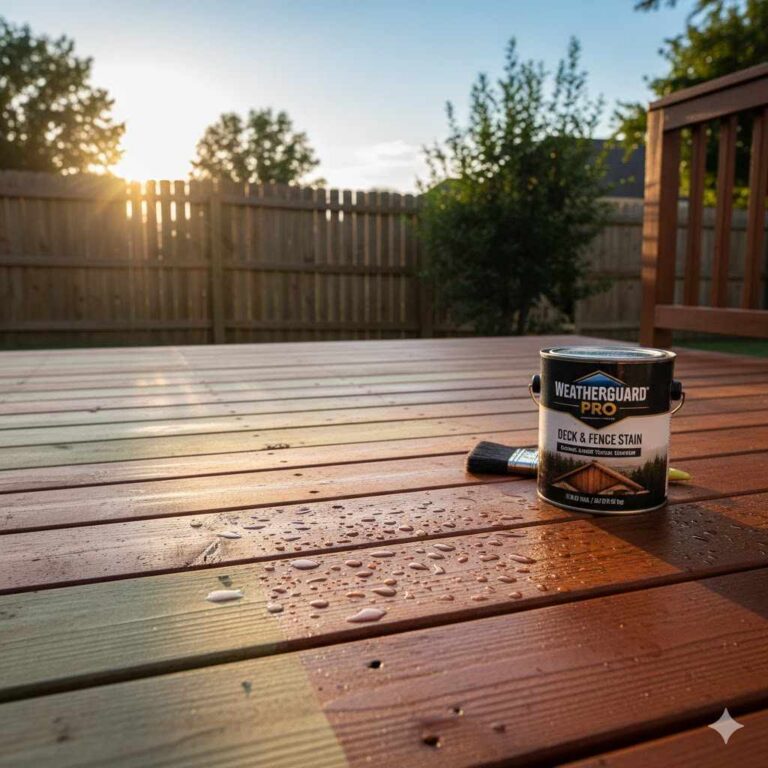
- Painting or staining too soon. Freshly treated wood is often still wet from the treatment process. Applying a finish before it dries can trap moisture and cause the finish to fail. A simple water-bead test (does water still bead up on the surface?) tells you if it’s ready.
- Using standard, uncoated screws and fasteners. The copper in modern preservatives can corrode plain steel fasteners over time. Use hot-dip galvanized or stainless hardware rated for treated lumber contact.
- Assuming all treated wood is the same. Ground-contact-rated boards cost more than above-ground-rated boards for a reason – buying the cheaper rating for a job that needs the stronger one is a false economy.
Economic Impacts
Pressure-treated wood is often cheaper for big projects. It resists rot and bugs. This means it lasts longer. Builders save money on repairs. They don’t need to replace wood often. This makes it a smart choice for large jobs. Buying in bulk lowers costs even more. Many builders choose it for this reason. It’s a budget-friendly option.
This wood is easy to find. Many stores stock it. This makes it convenient for buyers. It’s also widely available. Untreated wood can be harder to find. Stores may not have it in stock. But pressure-treated wood is always ready. This makes it a popular choice. People like having easy access to materials. It helps projects start on time.
Environmental Considerations
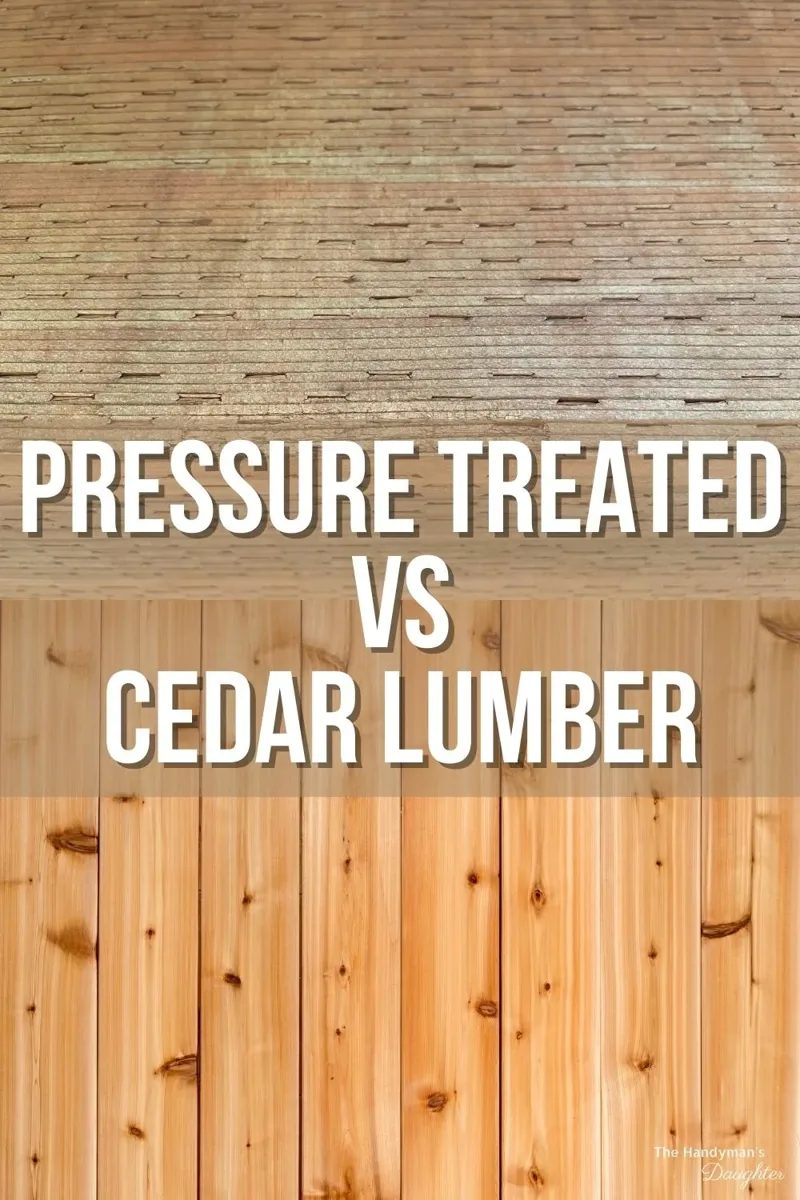
Untreated wood is natural and raw. It comes straight from trees. Treated wood goes through a special process. This process makes it last longer. The chemicals used in treated wood help protect it. But these chemicals can harm the environment. They might leak into the soil.
Treated wood can save trees. It lasts longer, so fewer trees are cut. Untreated wood may need replacing sooner. This means more trees are needed. Using less wood helps the planet. But treated wood’s chemicals must be handled carefully. The choice affects nature.
Cutting trees for wood uses natural resources. Untreated wood uses more trees over time. Treated wood lasts longer, saving trees. But making treated wood uses energy. It also uses chemicals from the earth. Both types of wood affect the environment. Each has a different impact on resources. Choosing wisely helps nature. One practical note: since 2003, residential pressure-treated lumber in the US has used arsenic-free preservatives like ACQ and copper azole – the older chromated copper arsenate (CCA) formula is now restricted to industrial and agricultural uses, not the boards sold at consumer lumber yards.
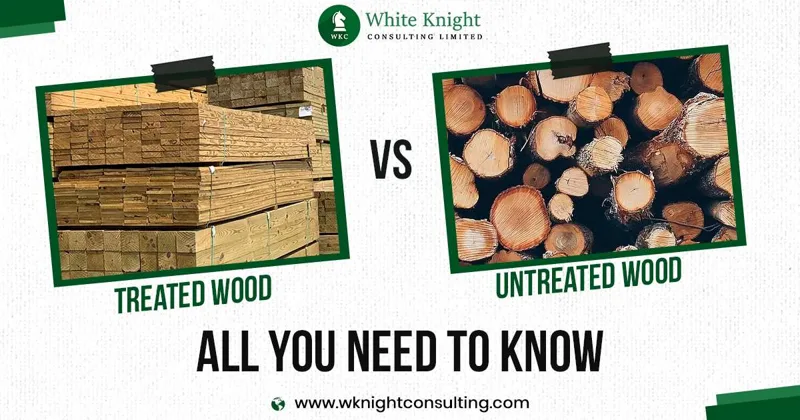
How To Choose Between Treated And Untreated Wood
The decision usually comes down to one question: will this wood touch soil, moisture, or the outdoors on a regular basis? If yes, pressure-treated wood is almost always the better economic choice – the lower upfront cost and much longer service life outdoors both point the same direction. If the project is indoor furniture, shelving, cutting boards, or anything that will be handled, sat on, or in contact with food, choose untreated (or a naturally durable untreated hardwood) instead, since the preservative chemicals in treated lumber aren’t meant for that kind of close, repeated human contact.
Frequently Asked Questions
Why Is Pressure-treated Wood More Affordable?
Pressure-treated wood is cheaper due to its mass production and widespread availability. The treatment process allows for bulk manufacturing, reducing costs. Additionally, pressure-treated wood often uses less expensive softwoods, further lowering its price compared to untreated hardwoods.
Does Pressure-treated Wood Last Longer Than Untreated?
Yes, pressure-treated wood lasts longer because it resists decay and insect damage. Chemicals used in treatment protect the wood from harsh environmental elements. This durability ensures a longer lifespan than untreated wood, making it a cost-effective choice for many projects.
Is Pressure-treated Wood Safe For Indoor Use?
Pressure-treated wood can be used indoors but with caution. Ensure it’s properly sealed to prevent chemical exposure. It’s commonly used for structural purposes rather than furniture. Always check safety guidelines and consider alternatives for sensitive indoor applications.
Can Untreated Wood Be More Durable?
Untreated wood can be durable if naturally resistant types are chosen. Hardwoods like cedar or teak offer natural resistance to elements. However, they’re often more expensive than pressure-treated options and may require regular maintenance for prolonged durability.
Do I Need Special Screws For Pressure-treated Wood?
Yes. Standard uncoated steel fasteners can corrode faster in contact with the copper-based preservatives used in modern treated lumber. Use hot-dip galvanized or stainless-steel fasteners rated for treated wood contact to avoid premature corrosion and staining.
Conclusion
Pressure-treated wood often costs less than untreated wood. This is due to its longer lifespan and lower maintenance needs. Treated wood resists rot and pests better, reducing replacement costs. It’s a practical choice for outdoor projects. Untreated wood may need frequent care, increasing expenses over time.
Consider your project needs. Think about environment exposure and future care. Opt for treated wood for budget-friendly and durable results. Making informed choices saves money and effort. Evaluate your priorities before buying. Choose wisely for lasting benefits.
Sponsored / affiliate links. As an Amazon Associate I earn from qualifying purchases. I may earn additional commission from eligible campaigns.