My Journey with a Used Outdoor Wood Burning Stove: A Beginner’s Guide
When I first bought a used outdoor wood burning stove, I was thrilled to heat my backyard shed without breaking the bank. My first attempt? Let’s just say the smoke had other plans! This article shares my lessons, tips, and easy steps to help beginners, enthusiasts, and pros in the USA find, use, and love a used outdoor wood burning stove. From picking the right stove to safety hacks, I’ve got you covered with simple advice and fun examples.
What Is a Used Outdoor Wood Burning Stove?
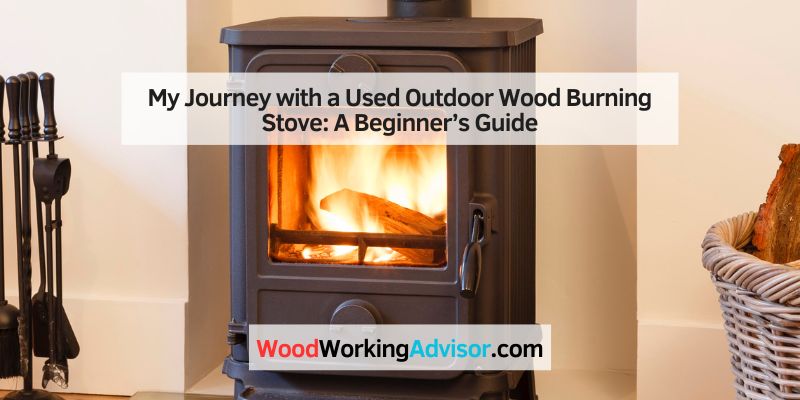
A used outdoor wood burning stove is a pre-owned metal unit that burns wood to heat spaces like sheds, garages, or homes. It sits outside, often looking like a small shed with a chimney. Why does it matter? It’s a budget-friendly way to stay warm, using free or cheap wood. Plus, it keeps mess outside! I use mine to heat my workshop, and it’s a game-changer in winter.
Why Choose a Used Outdoor Wood Burning Stove?
Buying used saves money—sometimes 50% less than new! These stoves are tough, often made of steel or cast iron, and last years if cared for. They’re eco-friendly, burning renewable wood instead of gas. But there are drawbacks: they need regular cleaning, and some older models aren’t as efficient. My stove cost $300 used, compared to $800 new. That’s cash for more firewood!
Benefits of Going Used
- Save Money: Used stoves cost $200-$500, way less than new ones.
- Eco-Friendly: Burn local wood, not fossil fuels.
- Flexible Heating: Heat sheds, garages, or even pools!
Drawbacks to Watch
- Maintenance: Clean ash weekly to keep it running.
- Efficiency: Older stoves may burn more wood.
- Insurance Rules: Some insurers require stoves to be 25-50 feet from buildings.
How to Pick the Perfect Used Outdoor Wood Burning Stove
Choosing a used stove is like picking a good pair of boots—look for quality and fit. I learned this the hard way when I bought a rusty stove that needed fixing. Here’s a simple guide to avoid my mistakes.
Step-by-Step Guide to Buying a Used Stove
- Check Condition: Look for cracks, rust, or missing parts. A solid firebox is key.
- Test the Door: Ensure it seals tight to control air and smoke.
- Ask About Use: Was it used for wood or coal? Coal stoves need grates, wood stoves need flat bottoms.
- Measure Size: Match the stove’s heat output (BTUs) to your space. A 24×24 shed needs about 30,000 BTUs.
- Verify Local Rules: Check city codes or ask your insurer about outdoor stove placement.
Common Mistakes to Avoid
- Ignoring Rust: Small rust spots are fixable, but big ones weaken the stove.
- Skipping Inspection: Always see it in person or get clear photos.
- Forgetting Chimney Needs: A short stack can cause smoke issues.
Tools and Materials You’ll Need
Setting up your stove is no sweat with the right gear. I started with basic tools and learned as I went. Here’s what you need:
| Tool/Material | Purpose | Where to Find |
|---|---|---|
| Firewood | Fuel for heat | Local wood sellers or your yard |
| Chimney Pipe | Directs smoke safely | Hardware stores like Home Depot |
| Ash Shovel | Cleans ash buildup | Amazon or local shops |
| Heat-Resistant Gloves | Safe handling | Hardware stores |
Visual Idea: A simple diagram showing stove placement 25 feet from a building, with arrows for airflow and chimney direction, would help beginners visualize setup.
Easy Setup Guide for Your Stove
Setting up my stove took a weekend, but it was worth it. Follow these steps for a smooth start:
- Pick a Spot: Place it on a concrete pad, 25-50 feet from buildings, per insurance rules.
- Install the Chimney: Use a tall, insulated pipe to avoid smoke buildup. My 10-foot pipe works great.
- Test the Firebox: Burn a small fire to check for leaks or cracks.
- Connect Ducts or Pipes: For sheds, use insulated pipes to pump heat inside. Hot water pipes work better than air ducts.
- Start Small: Burn dry, seasoned wood (less smoke) and adjust air vents for control.
Visual Idea: A step-by-step sketch of connecting a chimney pipe to the stove, showing airflow, would make this clear for kids or beginners.
Safety Tips to Keep It Fun and Safe
Safety is huge with wood stoves. My neighbor’s smoke once set off a detector! Here’s how to stay safe:
- Use Dry Wood: Wet wood smokes more and clogs chimneys.
- Keep It Clear: No flammable stuff within 10 feet of the stove.
- Check Smoke: If it’s too smoky, your chimney may be too short or blocked.
- Get a CO Detector: Carbon monoxide is sneaky—install one nearby.
Pro Tip: I keep a fire extinguisher by my stove. It’s never been used, but it’s peace of mind!
Comparing Used vs. New Stoves
Not sure if used is right for you? This table breaks it down:
| Feature | Used Stove | New Stove |
|---|---|---|
| Cost | $200-$500 | $800-$2,000 |
| Efficiency | May use more wood | Often EPA-certified, burns less |
| Warranty | Rarely included | 1-5 years |
| Setup | May need repairs | Ready to use |
Caption: Used stoves save money but may need extra care. New stoves are pricier but more efficient.
Cost-Saving Ideas and Personal Hacks
I’ve learned tricks to make my stove work better and save cash:
- Split Your Own Wood: I use a $50 axe and free logs from my yard. It’s a workout!
- Clean Monthly: Scrape ash and soot to keep the stove efficient.
- Insulate Pipes: Wrap heat pipes in insulation to keep warmth inside. I saved 10% on wood this way.
- Shop Smart: Check Craigslist or local farm auctions for deals. I found my stove at a barn sale!
Visual Idea: A basic chart showing wood types (oak vs. pine) and burn times could help readers pick the best fuel.
Alternative Approaches to Heating
A used outdoor wood burning stove isn’t the only option. I tried a propane heater, but it was pricey. Here are alternatives:
- Pellet Stoves: Cleaner but need pellets, which cost more than wood.
- Outdoor Boilers: Heat water to warm spaces. They’re great for big areas but need plumbing.
- Electric Heaters: Easy but expensive to run long-term.
Pro Tip: If you have free wood, a used stove beats electric costs every time!
Frequently Asked Questions
What Is a Used Outdoor Wood Burning Stove?
It’s a pre-owned metal stove that burns wood to heat spaces, placed outside to keep mess away. It’s budget-friendly and eco-friendly.
How Much Does a Used Stove Cost?
Expect to pay $200-$500, depending on condition and size. Check local listings or auctions for deals.
Can I Use a Used Stove Indoors?
No, most are designed for outdoor use to avoid smoke and fire risks inside. Check local codes.
What Wood Is Best for Burning?
Dry, seasoned oak or maple burns hot and long. Avoid wet or green wood—it smokes too much.
How Do I Clean My Stove?
Shovel out ash weekly and scrub the chimney yearly to prevent buildup. It’s a quick job!
Are Used Stoves Safe?
Yes, if maintained. Check for cracks, use a tall chimney, and install a CO detector nearby.
Do I Need a Permit for My Stove?
Some towns require permits. Call your local clerk or check DEC rules in New York.
Wrapping It Up
A used outdoor wood burning stove is a fun, affordable way to heat your space. From picking a solid stove to setting it up safely, I’ve shared my best tips to make it a breeze. Try starting with a small fire and dry wood—you’ll be cozy in no time! Share your stove stories or ask questions below. Let’s keep the fire going! For more info, check trusted sites like EPA’s Burn Wise, Central Boiler, or Hearth.com.