Vinyl Floor Cleaner Homemade: Effective DIY Solutions
Are you tired of spending a fortune on store-bought vinyl floor cleaners that promise the world but deliver little? You’re not alone.
Many homeowners like you are seeking effective, affordable, and eco-friendly alternatives. Imagine having a spotless, sparkling floor without worrying about harsh chemicals or breaking the bank. What if you could whip up a powerful vinyl floor cleaner with ingredients already in your kitchen?
This isn’t just a dream—it’s a reality. Dive into the secrets of creating your own homemade vinyl floor cleaner and discover the satisfaction of achieving pristine floors with a personal touch. Your floors deserve the best, and so do you. Let’s explore how you can transform your cleaning routine today.

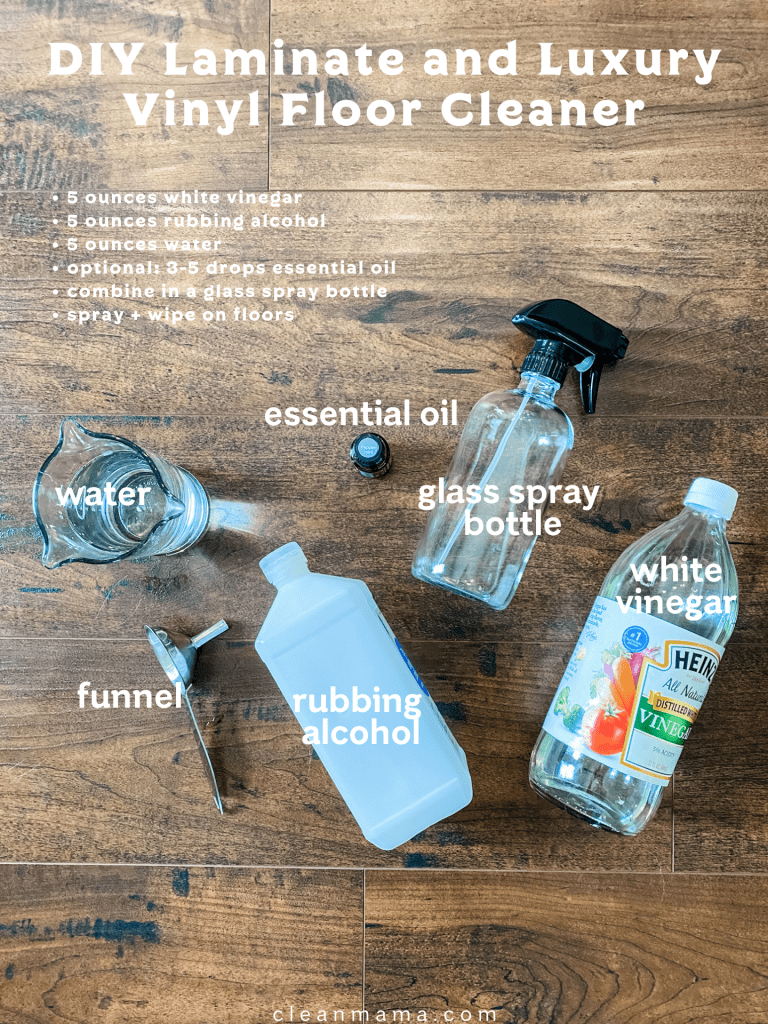
Credit: cleanmama.com
Benefits Of Homemade Vinyl Floor Cleaners
Homemade vinyl floor cleaners are simpleand safe. No harsh chemicals are used. This makes them safe for kids and pets. They are also cost-effective. Most ingredients are found at home. This saves money.
Using natural cleaners is good for the environment. It reduces pollution. Many store cleaners harm the earth. Also, homemade cleaners can be customized. Add your favorite scents. Make cleaning fun and pleasant.
Essential Ingredients For DIY Cleaners
Vinegar is a great choice for cleaning. It cuts through dirt. Mix it with water for best results. Lemon juice adds a fresh smell. It also helps remove stains. Baking soda is another good option. It scrubs and cleans without scratching. All these are safe for vinyl floors.
Olive oil can make floors shine. It adds a glossy finish. Use a little for best effect. Essential oils add a nice scent. They also help with cleaning. Tea tree oil fights germs. It is safe to use on floors. Mix these with your cleaner for extra shine.
Step-by-step Cleaner Recipes
Mix one cup of vinegar with two cups of water. Pour into a spray bottle. Spray the solution on vinyl floors. Use a clean mop to wipe it. This solution helps remove dirt and grime. Vinegar is a natural cleaner. It is safe for kids and pets.
Combine three tablespoons of baking soda with one tablespoon of water. Stir until it forms a paste. Apply the paste on tough stains. Use a soft cloth to scrub gently. Baking soda is a great stain remover. It helps in brightening the floor.
Mix half cup of lemon juice with two tablespoons of olive oil. Put the mix in a spray bottle. Spray on vinyl floors for a shiny look. Lemon juice acts as a natural disinfectant. Olive oil gives a nice shine to the floor.
Application Techniques
A soft mop works well on vinyl floors. Use it with a gentle cleaner. Avoid using hard brushes. They can scratch the floor. A vacuum with a floor setting helps remove dust. Always rinse the mop after cleaning. This keeps dirt from spreading. Microfiber cloths are great for small areas. They help in removing stains. Make sure the tools are clean. This ensures the best results.
Quick action is key for stain removal. Dab the stain with a damp cloth. Avoid rubbing it hard. This can make it spread. Mix vinegar with water for cleaning. It acts as a gentle stain remover. Baking soda paste helps with tough stains. Apply it and wait a few minutes. Then wipe away with a damp cloth. Always test new cleaners on a small spot first. This checks for any damage.
Maintaining Vinyl Floor Longevity
Vinyl floors need love to last long. Sweep daily to clear dust and dirt. Mop weekly with warm water. Avoid too much water. It can harm the floor. Use a soft mop. No harsh chemicals. They can damage the floor.
Place mats at doors. This keeps dirt out. Use felt pads under furniture. This stops scratches. Clean spills quickly. They can stain if left long. Sunlight can fade colors. Use curtains or blinds to block it.
Don’t use wax on vinyl. It makes floors slippery. No steel wool for scrubbing. It scratches the surface. Avoid dragging heavy items. Lift them instead. Always check cleaner labels. Some have harsh chemicals.
Do not use too much water. It seeps into seams. Keep pets’ nails trimmed. They can scratch the floor. Regular care keeps your vinyl looking new. Follow these tips for the best results.
Comparing DIY To Commercial Cleaners
DIY cleaners save money. Ingredients are cheap and found at home. No need for fancy brands. Vinegar, baking soda, and water work well. Commercial cleaners cost more. They have many chemicals. Prices are higher at the store. DIY is a budget-friendly choice.
Homemade cleaners are eco-friendly. They use natural ingredients. No harsh chemicals harm the earth. Commercial cleaners have toxins. They can hurt nature. DIY options are gentle on the planet. Better for the environment.
FAQs About Homemade Cleaners
Discover homemade solutions for cleaning vinyl floors. Mix vinegar and water for a gentle, effective cleaner. Add essential oils for a fresh scent. Enjoy spotless floors without harsh chemicals.
Safety Concerns
Homemade cleaners are usually safe but be careful. Always wear gloves when mixing. Some ingredients can cause skin irritation. Keep them away from pets and kids. Never mix bleach with vinegar. This can release harmful gases. Ensure good ventilation in the room. Open windows and doors. Always label homemade cleaners clearly. Store them in a safe place.
Effectiveness On Different Surfaces
Vinyl floors need gentle cleaners. A mix of vinegar and water works well. Use a soft cloth to avoid scratches. Wooden floors need special care. Avoid water; it can damage the wood. Tile floors can handle stronger cleaners. Baking soda can remove tough stains. Always test a small spot first. Make sure the cleaner is safe. It should not harm your floor.
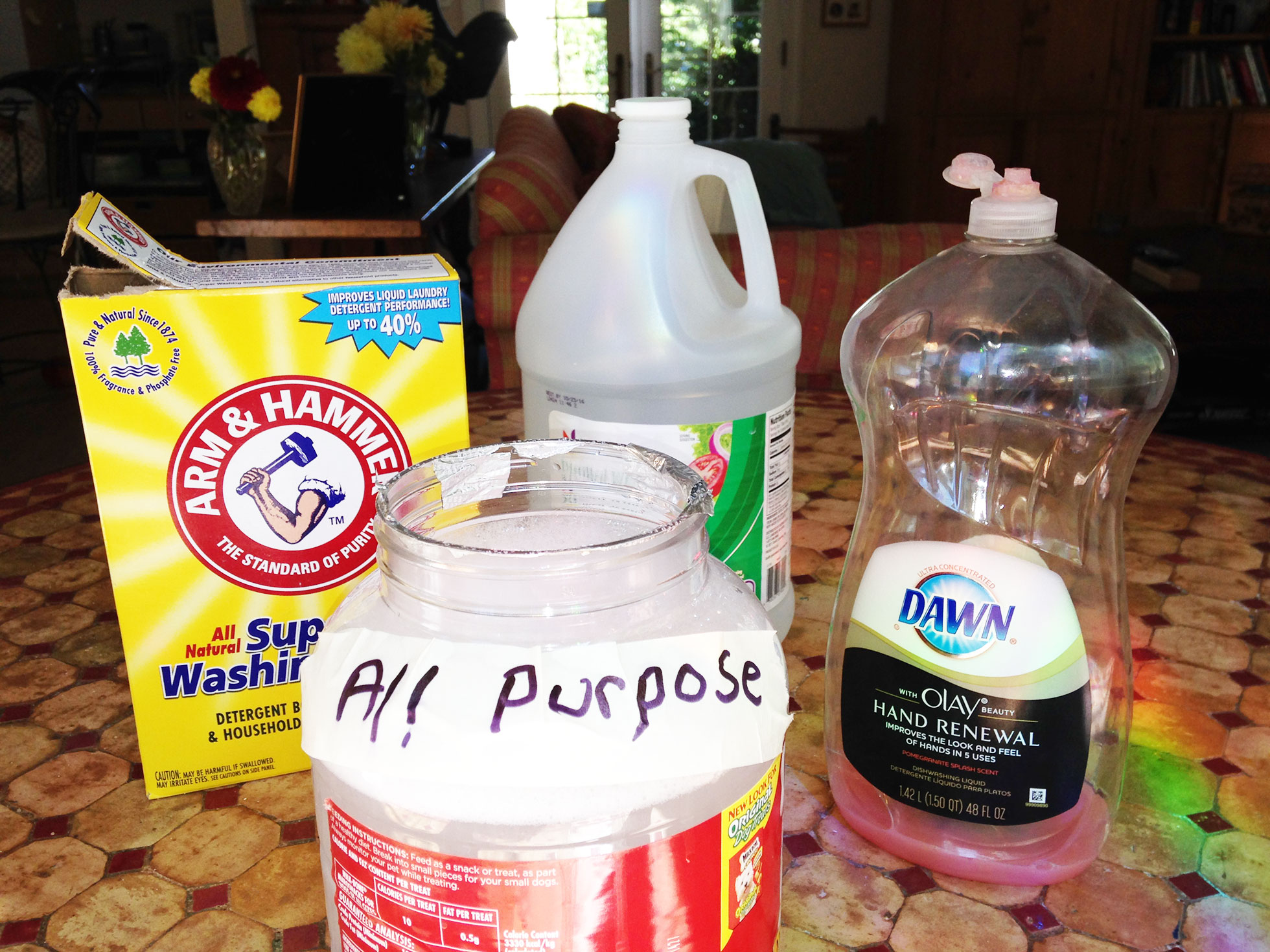
Credit: www.houselogic.com
Frequently Asked Questions
How Do I Make Homemade Vinyl Floor Cleaner?
To create a homemade vinyl floor cleaner, mix 1 cup of white vinegar with 1 gallon of warm water. This solution effectively removes dirt without leaving residue. Add a few drops of essential oil for a pleasant scent. Always test on a small area first to ensure compatibility.
Is Vinegar Safe For Vinyl Floors?
Yes, vinegar is safe for vinyl floors when diluted properly. Mix one cup of vinegar with one gallon of water. This solution cleans effectively without damaging the surface. Avoid using undiluted vinegar as it can be too harsh. Always test on a small, inconspicuous area first.
Can I Use Dish Soap On Vinyl Flooring?
Yes, dish soap can be used on vinyl flooring. Mix a few drops with warm water for cleaning. This mixture helps remove grime without causing damage. Be sure to rinse the floor with clean water to remove any soap residue.
Test on a small area before full application.
What Should I Avoid When Cleaning Vinyl Floors?
Avoid using abrasive scrubbers, wax, or steam cleaners on vinyl floors. These can damage the surface or cause warping. Stick to soft cloths and gentle cleaning solutions. Using harsh chemicals can also strip the floor’s protective coating. Always test cleaning products in an inconspicuous area first.
Conclusion
Creating homemade vinyl floor cleaner is simple and effective. Natural ingredients ensure safe cleaning without harsh chemicals. A clean floor boosts home comfort. Easy recipes save money and reduce waste. Mixing vinegar, water, and essential oils works wonders. Customize scents for personal preference.
Regular cleaning maintains vinyl floor beauty. This DIY solution is practical and affordable. Try it today for satisfying results. Clean floors bring peace and joy. A healthier home starts with cleaner choices. Enjoy the benefits of homemade solutions. Keep your floors shining bright every day.
Your home deserves the best care.