Can Cedar Cause Skin Rash? The Real Cause (Plicatic Acid)
Yes — cedar, especially Western Red Cedar (Thuja plicata), can cause a skin rash called allergic contact dermatitis, but true sensitization to its plicatic acid usually takes years of repeated exposure, not one touch. The same compound is linked to occupational asthma in 4–13% of exposed cedar-mill workers (Wood Database). This guide covers what triggers the reaction, how to spot it early, real treatment options, and prevention that actually works.
Cedar And Allergic Reactions
Best Cedar Rash Relief Pick
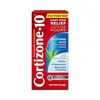
Cortizone-10 Maximum Strength Anti-Itch Cream
1% hydrocortisone with aloe, formulated for rash, eczema, and plant/wood-contact irritation.
- Best for: redness and swelling right after cedar contact
- Why we picked it: the aloe formula is gentler on already-irritated skin than plain hydrocortisone
- Main drawback: not strong enough for a severe or spreading reaction — see a doctor for those
Compare more cedar rash relief options
 Option 1 Benadryl Extra Strength Itch Cream
|
 Option 2 Aveeno Colloidal Oatmeal Bath Treatment
|
 Option 3 Wells Lamont Leather Work Gloves
|
As an Amazon Associate we earn from qualifying purchases.
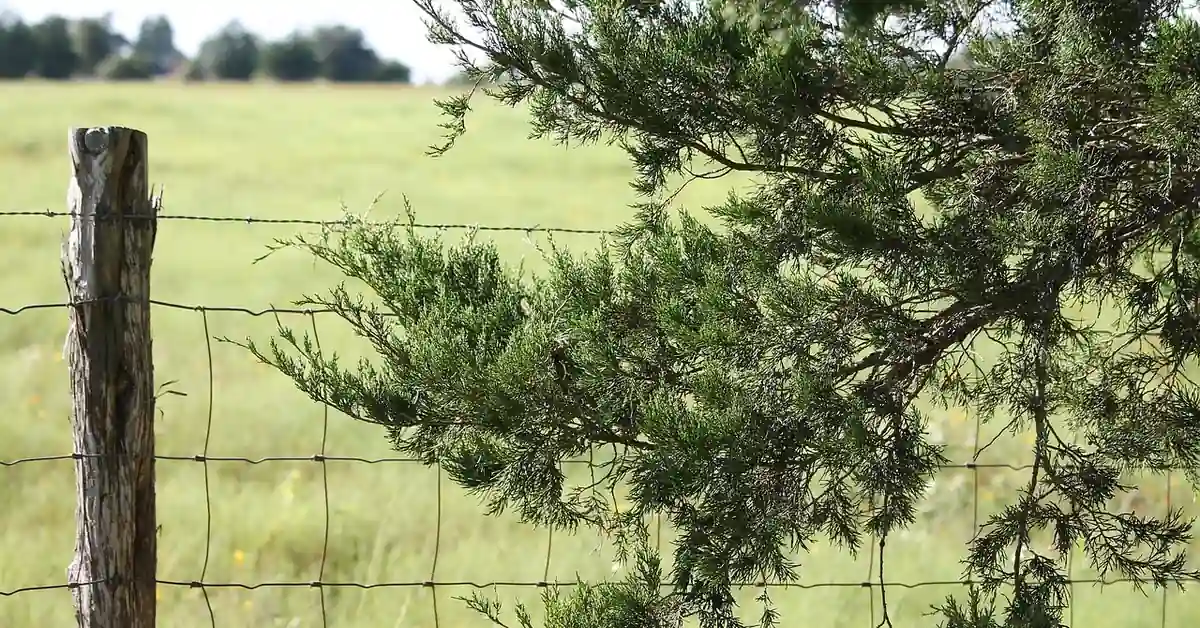
Cedar trees are common across North America and prized for their wood and fragrance, but “cedar” at the lumber yard is rarely a true Cedrus species. Most of the wood linked to skin reactions is Western Red Cedar (Thuja plicata) or Eastern Red Cedar (Juniperus virginiana) — both conifers, not true cedars botanically, and both capable of triggering allergic reactions.
Cedar contains natural allergens, most notably plicatic acid and related compounds called thujaplicins. These can cause skin rashes and other problems in sensitive individuals. Some people react mainly to cedar pollen; others react to the wood or sawdust itself. Direct contact with cedar can make skin red, itchy, and inflamed.
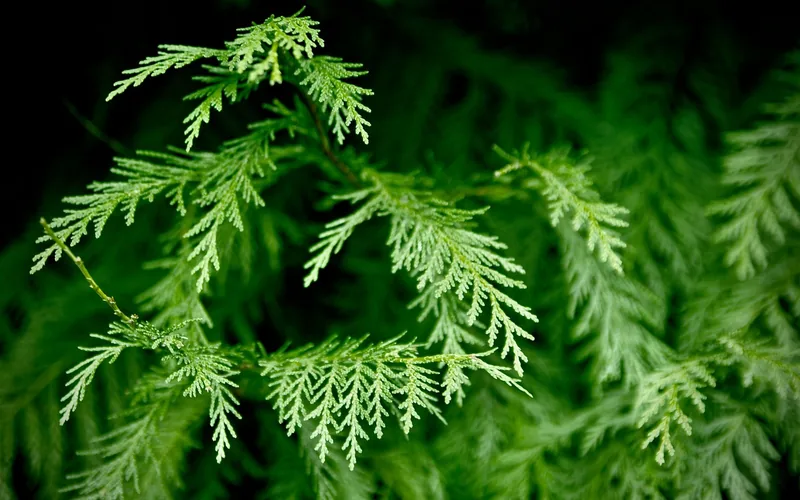
Symptoms Of Cedar Allergies
Cedar can cause itchy and red skin. You might see bumps or blisters. Some people get dry, flaky patches. These rashes can be very annoying and may make you scratch a lot — scratching can lead to infections, so it’s important to keep the skin clean and dry. Use mild, fragrance-free soap and avoid harsh chemicals, which can make the rash worse.
Cedar can also affect breathing. You may cough, sneeze, or get a runny or stuffy nose. Your throat might feel scratchy — some people report symptoms close to a cedar-related sore throat — and your eyes could get watery and red. Staying away from cedar dust and using an air purifier at home can reduce airborne exposure.
The timing tells you which reaction you’re dealing with. An irritant reaction — from sawdust or oil touching skin directly — usually appears within minutes to a few hours. A true allergic reaction (delayed hypersensitivity, similar to poison ivy) typically takes 24 to 72 hours to show up, and tends to get worse, not better, with repeated exposure to the same wood.
Causes Of Skin Rash From Cedar
Cedar causes skin rash through its allergenic compounds — the same underlying chemistry behind cedar-related hives in more sensitive individuals. Direct contact with cedar wood or sawdust often leads to irritation, and people with sensitive skin are more prone to developing a rash.
Contact Dermatitis
Direct contact with cedar can irritate the skin and lead to contact dermatitis. Symptoms include redness, itching, and swelling; the skin may also develop blisters or crusty patches. Cedar oil and cedar wood are common culprits. Always wear gloves when handling cedar, and wash the area with soap and water if contact occurs.
📊 Western Red Cedar sensitization affects an estimated 4–13% of regularly exposed sawmill and woodworking employees — Source: The Wood Database, Wood Allergies and Toxicity
Airborne Irritants
Cedar pollen can act as an airborne irritant. These tiny particles land on the skin and may cause itching and redness, especially in people with sensitive skin. Pollen levels are higher in spring — see which cedar trees have pollen if you’re trying to identify the source. Staying indoors and using an air purifier can help; washing exposed skin with cool water soothes irritation.
Diagnosing Cedar Allergies
Allergy tests help confirm whether cedar is the cause. Skin prick tests are common: a small amount of cedar extract is placed on the skin, which is then pricked with a needle — a raised bump suggests a possible allergy. Blood tests look for specific antibodies and can also help confirm sensitization.
Doctors also look at symptoms and medical history. Red, itchy skin after known cedar exposure is a clue, so they’ll ask about contact with wood, sawdust, or pollen, along with any other allergies. A full examination helps rule out other causes of contact dermatitis before settling on cedar as the trigger.
Treatment Options
Cedar rashes can be very itchy, but most respond well to standard over-the-counter care:
- Wash immediately: clean the area with mild, fragrance-free soap and cool water to remove residual oils and sawdust before it spreads further.
- Hydrocortisone cream: a 1% over-the-counter formula reduces redness and swelling when applied to clean, dry skin.
- Antihistamine cream or pills: diphenhydramine-based products control itching; oral antihistamines can cause drowsiness, so consider taking them at night.
- Cool compress: eases burning and swelling on inflamed patches before applying any cream.
Preventing Cedar Allergies
Stay away from cedar trees when possible — this helps avoid airborne exposure. Keep windows closed during pollen season, run an air purifier, and clean the house often to remove settled cedar pollen. Wash your hands and face after being outside, and change your clothes when you come in. Avoid areas with lots of cedar trees if you already know you’re sensitive.
For direct handling — sanding, cutting, or sawdust cleanup — wear long sleeves and pants to keep dust off your skin, a hat and gloves for full coverage, and a dust mask to limit inhaled particles, since the same cedar dust that irritates skin can also affect breathing. Wash your clothes often to remove any residue, and choose smooth fabrics that hold less pollen and dust.

“In the shop, cedar sensitivity almost always shows up after years of exposure, not on day one. The woodworkers who never developed a problem were the ones who wore gloves and a dust mask from their very first cedar project — not the ones who waited until their skin reacted.”
Natural Remedies For Relief
Some home remedies can ease mild symptoms alongside — not instead of — the treatments above. Aloe vera gel soothes irritated skin. Chamomile compresses can reduce itchiness and redness. Calendula cream may support healing, and a plain oatmeal bath eases widespread discomfort without adding fragrance or other irritants.
General diet and skin health also play a supporting role. Omega-3 fatty acids from fish may help reduce inflammation, vitamin E from nuts and seeds supports healing, and cutting back on sugar and heavily processed foods is a reasonable general habit during a flare-up — though none of these replace the topical and antihistamine treatments above for an active reaction.
When To Seek Medical Help
If you have a skin rash from cedar, some signs mean it’s time to see a doctor rather than wait it out. Severe symptoms — including swelling, difficulty breathing, or severe itching — need medical attention right away, since these can signal a more serious allergic response.
A cedar rash can also turn chronic. Persistent rash, dry skin, or constant itching lasting more than a few weeks is worth a visit to a healthcare provider — at that point, over-the-counter creams alone usually aren’t enough, and a prescription-strength option may be needed.
Frequently Asked Questions
Can Cedar Cause Skin Rash?
Yes, cedar can cause skin rashes. Some people are allergic to cedar wood or its oils. Direct contact may lead to itching, redness, or inflammation. It’s best to avoid cedar if you’re prone to skin sensitivities.
What Are Cedar Rash Symptoms?
Cedar rash symptoms include redness, itching, and small bumps. Some may experience swelling and irritation. These symptoms usually appear shortly after contact with cedar wood or its oils.
How To Treat Cedar-induced Skin Rash?
To treat cedar-induced skin rash, wash the affected area with mild soap and water. Apply over-the-counter hydrocortisone cream to reduce itching and inflammation. If symptoms persist, consult a healthcare professional.
Can Cedar Allergies Be Severe?
Yes, cedar allergies can be severe for some individuals. Symptoms may include respiratory issues, severe itching, and extensive skin rash. Seek medical advice if you experience severe reactions.
How Long Does A Cedar Skin Rash Last?
A mild irritant rash from cedar sawdust often clears within a few days once contact stops and the area is washed. A true allergic reaction can take one to three weeks to fully resolve, especially with continued exposure, and may need a doctor-prescribed steroid cream to settle.
Is Cedar Rash The Same As Cedar Fever?
No. Cedar fever is a seasonal pollen allergy causing sneezing, congestion, and fatigue, not a skin condition. Cedar skin rash is a separate reaction — usually contact dermatitis from touching the wood, oil, or sawdust rather than inhaling pollen.
Conclusion
Cedar can cause skin rashes for some people, and Western Red Cedar’s plicatic acid is the specific compound most often behind it. Knowing the signs matters: redness, itching, and bumps may appear within hours (irritant contact) or over one to three days (a true allergy). Sensitive skin needs extra care around cedar — wear gloves, wash promptly after contact, and avoid direct contact if you already know you react.
Always test cedar products on a small area first, and seek medical help if a rash spreads, won’t heal, or comes with breathing trouble.
Sponsored / affiliate links. As an Amazon Associate I earn from qualifying purchases. I may earn additional commission from eligible campaigns.