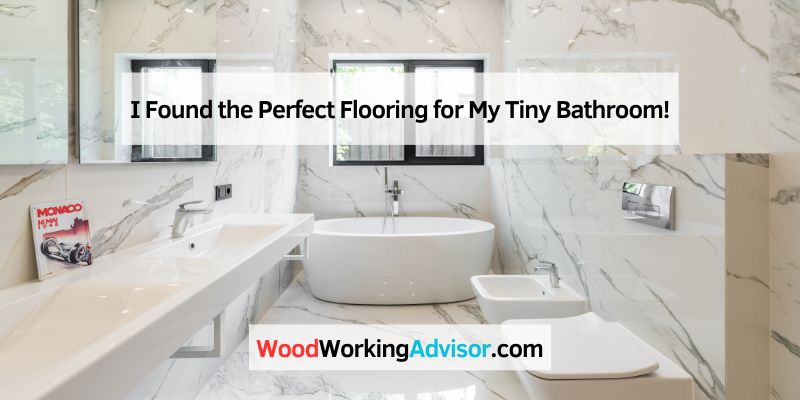
I Found the Perfect Flooring for My Tiny Bathroom!
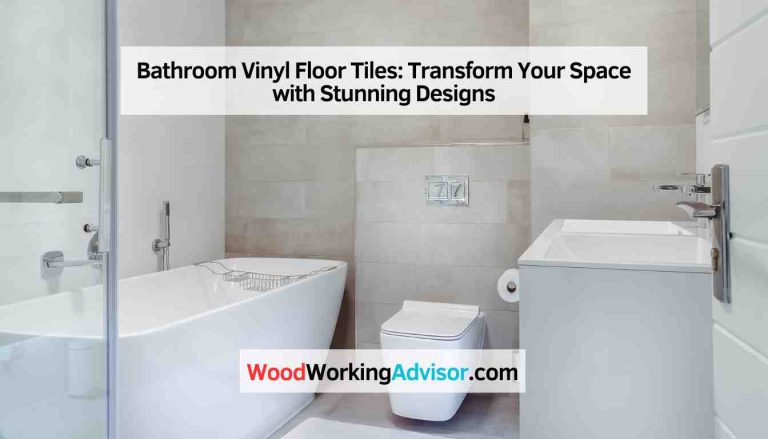
I remember remodeling my small bathroom last year. I wanted something pretty, cheap, and easy to clean, and vinyl flooring for small bathrooms saved the day! It’s waterproof, looks great, and fits any budget. In this article, I’ll share why vinyl is awesome, how to pick the right type, and easy tips to make your bathroom shine. Whether you’re new to home projects or love DIY, you’ll find simple ideas to create a cozy, stylish space.
What Is Vinyl Flooring for Small Bathrooms?
Vinyl flooring is a strong, waterproof material made from plastic. It’s perfect for small bathrooms because it handles water and looks like fancy tiles or wood.
It comes in sheets, tiles, or planks. I love how it’s soft underfoot and easy to clean. Vinyl has changed a lot—it’s not the old, boring stuff from years ago. Now, it’s stylish and modern!
Why Vinyl Is Great for Small Spaces
Small bathrooms need flooring that’s tough and pretty. Vinyl checks both boxes!
It’s waterproof, so spills and splashes won’t hurt it. Plus, it comes in many colors and patterns to make your bathroom feel bigger. I used light gray vinyl tiles in my bathroom, and it feels so open now!
Types of Vinyl Flooring
Vinyl flooring comes in three main types. Each has its own perks.
Here’s a quick look:
- Sheet Vinyl: One big piece, no seams, super防水. Great for tiny spaces.
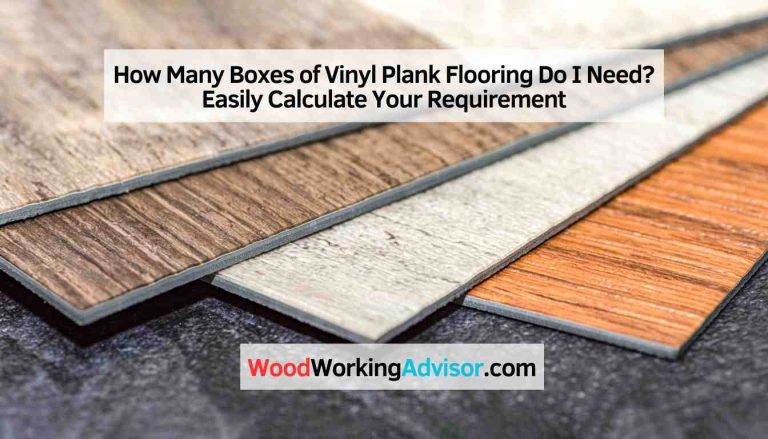
- Luxury Vinyl Tile (LVT): Looks like real tiles, easy to install.
- Luxury Vinyl Plank (LVP): Mimics wood, adds warmth to bathrooms.
Table 1: Types of Vinyl Flooring
| Type | Look | Best For | Cost (per sq. ft.) |
|---|---|---|---|
| Sheet Vinyl | Seamless | Small bathrooms | $1–$5 |
| LVT | Tile-like | Modern looks | $2–$7 |
| LVP | Wood-like | Cozy vibes | $2–$7 |
| Caption: Compare vinyl types to pick the best for your bathroom. |
Benefits of Vinyl Flooring
Vinyl is a superstar for small bathrooms. Here’s why I love it:
- Waterproof: No worries about water damage.
- Affordable: Cheaper than tiles or wood.
- Easy to Clean: Just wipe with a damp cloth.
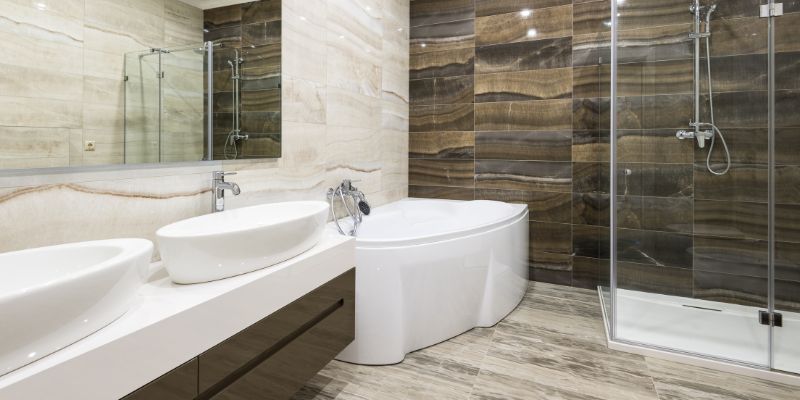
- Stylish: Tons of designs, from stone to wood looks.
One drawback? It can tear if you drag heavy stuff across it. Be gentle!
Other Flooring Options
Vinyl isn’t the only choice. You could try ceramic tiles or natural stone.
Ceramic is waterproof and durable but needs grout, which can be tricky to clean. Stone looks fancy but costs more and needs sealing. I stuck with vinyl because it’s budget-friendly and low-maintenance.
Table 2: Flooring Options Compared
| Material | Waterproof? | Cost (per sq. ft.) | Maintenance |
|---|---|---|---|
| Vinyl | Yes | $1–$7 | Easy |
| Ceramic Tile | Yes | $3–$25 | Medium |
| Natural Stone | No (needs sealing) | $10–$50 | High |
| Caption: Vinyl is often the easiest and cheapest choice. |
How to Choose Vinyl Flooring
Picking vinyl is fun but can feel overwhelming. Here’s how I did it:
- Measure Your Space: My bathroom is 5×7 feet, so I needed about 35 square feet of vinyl.
- Pick a Color: Light colors like white or beige make small spaces feel bigger.
- Choose a Pattern: I went with a tile look, but wood or geometric patterns are cool too.
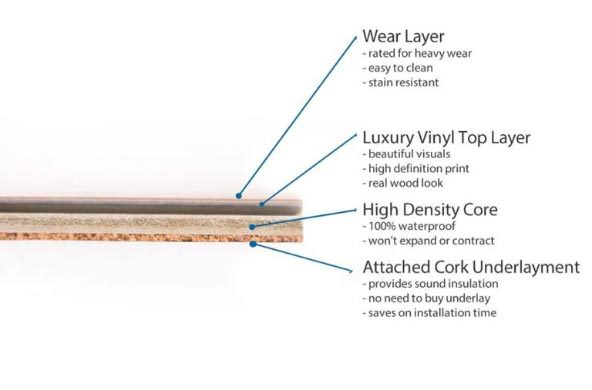
- Check Thickness: Thicker vinyl (0.2–0.5 mm wear layer) lasts longer.
Visual Idea: A simple diagram showing how to measure a bathroom floor (length x width) would help here.
Step-by-Step Guide to Install Vinyl Flooring
Installing vinyl is easier than you think! I did it myself in a weekend.
Here’s a simple guide:
- Clean the Floor: Sweep and mop to remove dirt.
- Measure and Cut: Measure your bathroom and cut vinyl to fit.
- Lay the Vinyl: For sheet vinyl, roll it out. For tiles, peel and stick.
- Press Down: Use a roller to make it stick tight.
- Trim Edges: Cut extra vinyl with a utility knife.
Visual Idea: A step-by-step infographic of laying vinyl tiles would make this super clear.
You’ll need a tape measure, utility knife, and roller. I got mine at Home Depot for under $30. Always double-check measurements to avoid waste!
My Top Tips for Vinyl Flooring
Here are my favorite tips from my project:
- Buy Extra: Get 10–15% more vinyl for mistakes or cuts.
- Test a Sample: Try a small piece to see how it looks.
- Avoid Heavy Furniture: Dragging it can scratch vinyl.
- Use a Rug: A small bath mat adds style and protects the floor.
One mistake I made? I didn’t clean the floor well before installing. Dust made some tiles lift. Clean twice to be safe!
Making Your Bathroom Look Bigger
Vinyl can make a small bathroom feel huge. I used light gray tiles laid diagonally.
Diagonal patterns trick the eye to see more space. Large tiles with fewer seams also help. Try soft colors like beige or white to reflect light and open up the room.
Table 3: Tricks to Make Your Bathroom Look Bigger
| Trick | Why It Works | Example |
|---|---|---|
| Light Colors | Reflects light | White or beige vinyl |
| Diagonal Layout | Adds depth | 45-degree tile pattern |
| Large Tiles | Fewer seams | 12×12-inch LVT |
| Caption: Simple vinyl tricks to make your bathroom feel spacious. |
Common Mistakes to Avoid
I learned a few lessons the hard way. Don’t make these mistakes:
- Skipping Subfloor Prep: Uneven floors cause vinyl to lift.
- Wrong Adhesive: Use the glue the manufacturer suggests.
- Not Measuring Twice: Cutting too short wastes material.
Check out FlooringInc for tips on prepping your subfloor.
Visual Idea: A checklist graphic for avoiding vinyl installation mistakes would be handy.
Where to Buy Vinyl Flooring
You can find vinyl at hardware stores or online. I got mine from Lowe’s because they had lots of patterns.
Online stores like [FlooringStores](https рынок:6⁊) offer deals and free samples. Compare prices and read reviews to get the best deal.
Conclusion
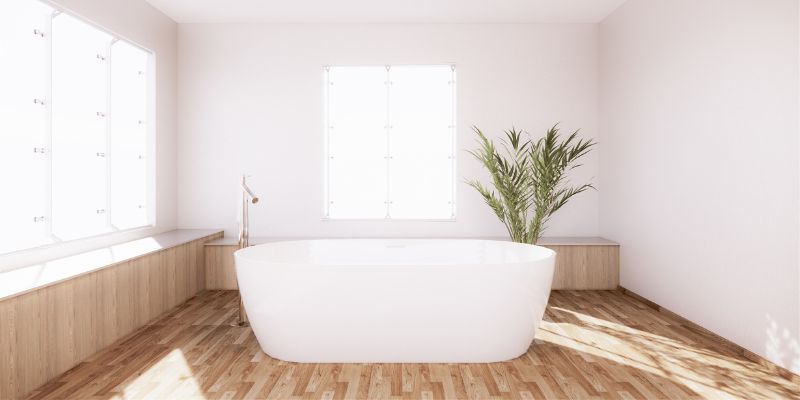
Vinyl flooring for small bathrooms is a game-changer. It’s cheap, waterproof, and looks amazing. My bathroom went from cramped to cozy with light gray vinyl tiles. You can do it too! Pick a style you love, measure carefully, and follow my tips for an easy project. Ready to try it? Grab some vinyl and transform your bathroom. Share your project ideas in the comments—I’d love to hear them!
Frequently Asked Questions
What Is Vinyl Flooring?
Vinyl flooring is a plastic-based material that’s waterproof and durable. It comes in sheets, tiles, or planks and mimics wood or stone. It’s perfect for small bathrooms because it’s easy to clean and budget-friendly. I chose vinyl for my bathroom, and it’s held up great!
Is Vinyl Flooring Really Waterproof?
Yes, vinyl flooring is 100% waterproof, especially sheet vinyl and luxury vinyl tiles. Water won’t soak through or damage it. I’ve had no issues with spills in my bathroom. Just make sure seams are tight during installation.
How Much Does Vinyl Flooring Cost?
Vinyl costs $1–$7 per square foot, depending on the type. Sheet vinyl is cheapest, while luxury vinyl tiles cost more. My 35-square-foot bathroom cost about $100. Check sales at stores like Lowe’s for deals.
Can I Install Vinyl Flooring Myself?
Yes, it’s beginner-friendly! Peel-and-stick tiles are the easiest. You need a clean floor, a tape measure, and a utility knife. I installed mine in a day. Watch tutorials on YouTube for extra help.
How Do I Clean Vinyl Flooring?
Cleaning is super easy. Sweep daily and mop with a damp cloth weekly. Use mild soap, not harsh chemicals. I wipe mine with water and a drop of dish soap, and it stays shiny.
What Colors Work Best for Small Bathrooms?
Light colors like white, beige, or gray make small bathrooms feel bigger. They reflect light and create an open vibe. I used light gray tiles, and my bathroom feels airy now!
How Long Does Vinyl Flooring Last?
Vinyl lasts 10–20 years with good care. Thicker vinyl with a strong wear layer lasts longer. Mine’s been perfect for a year. Avoid scratches by not dragging heavy items across it.