Vinyl Flooring VOC Concerns: Uncover the Truth
Vinyl flooring VOC refers to volatile organic compounds released from vinyl flooring materials. These compounds can affect indoor air quality and may pose health risks.
Vinyl flooring is a popular choice for many homeowners due to its durability and affordability. However, it’s essential to understand the potential risks associated with volatile organic compounds (VOCs). VOCs are chemicals that can evaporate into the air, often found in materials like vinyl flooring.
Prolonged exposure to high levels of VOCs can lead to health issues, including respiratory problems and allergic reactions. Many manufacturers now offer low-VOC or zero-VOC options, making it easier to choose safer flooring solutions. Understanding VOC levels can help you create a healthier living environment while enjoying the benefits of vinyl flooring.
Introduction To Vinyl Flooring And VOCs
Vinyl flooring is a popular choice for many homes and businesses. It is durable, affordable, and easy to maintain. However, it is important to understand the concept of VOCs or Volatile Organic Compounds. These compounds can affect indoor air quality. Knowing about VOCs helps you make informed choices about flooring options.
What Are VOCs?
VOCs are chemicals that can easily evaporate at room temperature. They are found in many household products. Common sources include:
- Paints
- Cleaning supplies
- Air fresheners
- Building materials
VOCs can cause various health issues. Short-term exposure may lead to:
- Headaches
- Dizziness
- Nausea
Long-term exposure can lead to more serious conditions. It is essential to minimize VOC levels in your home.
Vinyl Flooring Basics
Vinyl flooring is a synthetic product made from polyvinyl chloride (PVC). It comes in various styles, colors, and designs. Here are some key features:
| Feature | Description |
|---|---|
| Durability | Resistant to scratches and stains |
| Water Resistance | Ideal for kitchens and bathrooms |
| Easy Installation | Can be installed over existing floors |
| Comfort | Soft underfoot, provides warmth |
Some vinyl flooring options emit VOCs during installation. Look for products labeled as low-VOC or no-VOC to ensure better air quality.
Choose wisely for a healthy indoor environment. Consider both aesthetics and safety.
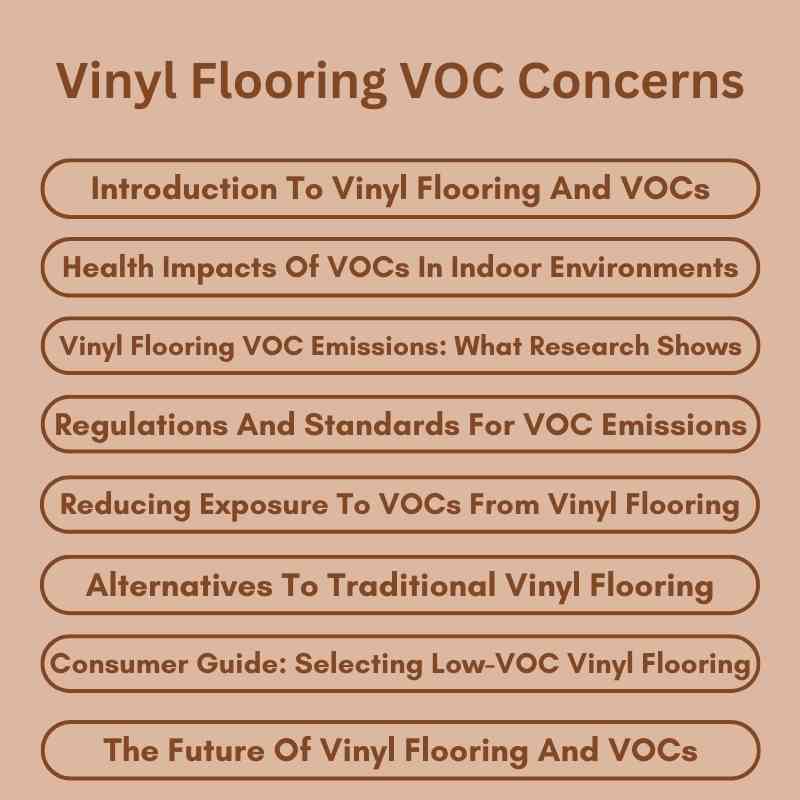
Health Impacts Of VOCs In Indoor Environments
Volatile Organic Compounds (VOCs) are common in many indoor settings. They come from products like paints, cleaners, and even vinyl flooring. Understanding their effects on health is crucial for maintaining a safe home.
Short-term Effects
Short-term exposure to VOCs can lead to various health issues. Common symptoms include:
- Headaches
- Dizziness
- Nausea
- Eye, nose, and throat irritation
These symptoms often appear quickly after exposure. Ventilation can help reduce these effects.
Long-term Effects
Long-term exposure to VOCs poses serious health risks. Ongoing issues can include:
- Respiratory problems
- Allergies and asthma
- Central nervous system damage
- Cancer risk
VOCs can accumulate in the body over time. This can lead to chronic conditions. Maintaining good air quality is vital for health.
| Health Issue | Short-Term Symptoms | Long-Term Risks |
|---|---|---|
| Respiratory Issues | Breathing difficulties | Chronic respiratory diseases |
| Allergies | Nasal congestion | Worsened asthma |
| Nervous System | Dizziness | Neurological disorders |
| Cancer | Nausea | Increased cancer risk |
Vinyl Flooring VOC Emissions: What Research Shows
Vinyl flooring is popular for its affordability and durability. However, concerns about VOCs (Volatile Organic Compounds) have emerged. VOCs can affect indoor air quality. Understanding what research shows about vinyl flooring VOC emissions is crucial.
Studies On VOC Levels
Various studies have measured VOC levels in vinyl flooring. Here are some key findings:
| Study | VOCs Detected | Level of Emission |
|---|---|---|
| Study A (2018) | Formaldehyde, Benzene | Low |
| Study B (2020) | Phthalates, Toluene | Moderate |
| Study C (2021) | Acetaldehyde | High |
These studies show that some vinyl flooring emits VOCs. The levels vary by brand and type. Always check for low-VOC options.
Comparing Vinyl To Other Flooring Options
How does vinyl flooring stack up against other flooring types? Let’s compare:
- Carpet: Often has higher VOC emissions. It can trap dust and allergens.
- Laminate: Usually has similar VOC levels. However, some brands offer lower emissions.
- Hardwood: Generally, emits fewer VOCs. It’s a natural material.
Vinyl flooring can be a better choice for low VOC levels. However, always consider specific brands and products. Choosing certified products ensures better air quality.
Regulations And Standards For VOC Emissions
Volatile Organic Compounds (VOCs) can harm health and the environment. Regulations ensure safety in products like vinyl flooring. Standards set limits on VOC emissions. Understanding these regulations helps consumers make informed choices.
U.S. Standards
The U.S. has strict guidelines for VOC emissions. Key organizations include:
- Environmental Protection Agency (EPA)
- California Air Resources Board (CARB)
These organizations establish standards for various products. Some important regulations are:
| Standard | Description |
|---|---|
| EPA’s Indoor Air Quality | Focuses on improving air quality in homes and buildings. |
| CARB Phase 2 | Sets limits on formaldehyde emissions for flooring products. |
International Perspectives
Many countries set VOC regulations. These aim to protect health and the environment. Key international standards include:
- European Union (EU) Regulations – Limits VOC emissions in products sold in EU countries.
- ISO Standards – International standards for testing and measuring VOC emissions.
Countries like Canada and Australia also have guidelines. Their regulations help ensure safe flooring products. Consumers can trust products that meet these international standards.
Reducing Exposure To VOCs From Vinyl Flooring
Volatile Organic Compounds (VOCs) can be harmful. They often come from vinyl flooring. Reducing exposure to these chemicals is essential for a healthy home. Here are effective ways to minimize VOCs.
Proper Installation Practices
Correct installation can significantly reduce VOC emissions. Follow these steps for better outcomes:
- Choose low-VOC or no-VOC vinyl flooring.
- Allow flooring materials to acclimate before installation.
- Use adhesives that are low in VOCs.
Hire certified professionals for installation. They know the best methods. Proper sealing and finishing can also help.
Ventilation And Air Purifiers
Good ventilation reduces VOC levels. Consider these options:
- Open windows during and after installation.
- Use exhaust fans in kitchens and bathrooms.
- Install air purifiers with HEPA filters.
Air purifiers trap harmful particles. They can also absorb VOCs. Choose models designed for VOC reduction.
| Method | Benefit |
|---|---|
| Low-VOC Flooring | Reduces harmful emissions. |
| Proper Ventilation | Improves air quality. |
| Air Purifiers | Filters out VOCs. |
Alternatives To Traditional Vinyl Flooring
Many homeowners seek flooring options that are safe and stylish. Traditional vinyl can emit harmful VOCs. Fortunately, several alternatives offer beauty without the health risks. Here are some options to consider.
Low-voc Vinyl Options
Low-VOC vinyl flooring provides a safer choice for your home. These products are designed to release fewer volatile organic compounds. They come in various styles and colors. Here are some popular low-VOC vinyl options:
- Luxury Vinyl Plank (LVP): Mimics hardwood, durable and easy to install.
- WPC Vinyl: Waterproof and strong, ideal for kitchens and bathrooms.
- SPC Vinyl: Stone-plastic composite, highly resistant to wear.
Check labels to ensure they are low-VOC certified. This helps maintain a healthy indoor environment.
Other Flooring Types
Several flooring types can replace traditional vinyl. These alternatives are eco-friendly and stylish:
| Flooring Type | Benefits |
|---|---|
| Hardwood | Timeless beauty, adds value to your home. |
| Bamboo | Renewable resource, strong and durable. |
| Cork | Natural insulation, soft underfoot. |
| Tile | Water-resistant, easy to clean. |
Each flooring option offers unique benefits. Choose one that fits your style and needs.
Consumer Guide: Selecting Low-VOC Vinyl Flooring
Choosing low-VOC vinyl flooring is essential for a healthy home. VOCs, or volatile organic compounds, can harm indoor air quality. This guide helps you find the best options for your needs.
Labels And Certifications To Look For
Understanding labels and certifications is crucial. Here are key indicators of low-VOC flooring:
| Label/Certification | Description |
|---|---|
| FloorScore | Indicates low VOC emissions for better air quality. |
| GreenGuard | Tests for harmful chemicals and ensures safety. |
| CARB Compliant | Meets strict California regulations for formaldehyde emissions. |
| EPA Safer Choice | Identifies products with safer chemical ingredients. |
Questions To Ask Retailers
Asking the right questions helps you choose low-VOC vinyl flooring. Use this list for guidance:
- What certifications does this flooring have?
- What is the VOC content of this product?
- Is there a warranty for low-VOC claims?
- What are the installation methods available?
- Can I see test results for air quality?
Research and ask. Making informed choices leads to a healthier living space.
The Future Of Vinyl Flooring And VOCs
The future of vinyl flooring focuses on reducing VOCs. Volatile Organic Compounds can harm indoor air quality. New methods aim to create safer products for homes. Innovations in manufacturing and changing consumer demand shape this future.
Innovations In Manufacturing
Manufacturers are adopting new technologies to lower VOC levels. Here are key innovations:
- Water-Based Adhesives: These adhesives use less harmful chemicals.
- Recycled Materials: More brands use recycled vinyl. This reduces waste and VOCs.
- Advanced Coatings: New coatings help minimize emissions.
These changes lead to healthier indoor environments. Brands are increasingly focusing on eco-friendly practices. This attracts health-conscious consumers.
Trends In Consumer Demand
Consumers are becoming more aware of VOCs. They prefer products that promote health and safety. Key trends include:
- Preference for Low-VOC Options: Homeowners seek safer flooring solutions.
- Interest in Sustainability: Many choose products made from recycled materials.
- Educational Campaigns: Brands provide information on VOC levels.
These trends influence the market. More companies respond to consumer needs for safer products. This shift will define the future of vinyl flooring.
| Trend | Impact on Vinyl Flooring |
|---|---|
| Low-VOC Demand | Increased production of safer flooring options. |
| Sustainability Focus | Higher use of recycled materials in manufacturing. |
| Consumer Education | Improved transparency about VOC levels in products. |
Frequently Asked Questions
What Is Voc In Vinyl Flooring?
VOC stands for volatile organic compounds. These are chemicals that can evaporate into the air from certain materials, including vinyl flooring. High levels of VOCs can impact indoor air quality. Choosing low-VOC options can help reduce potential health risks and improve overall home environment.
Is Vinyl Flooring Safe For Homes?
Yes, vinyl flooring can be safe for homes. However, it’s important to choose products with low VOC levels. These options minimize harmful emissions and contribute to better indoor air quality. Always check for certifications like FloorScore or Greenguard to ensure safety standards are met.
How To Reduce Voc Emissions From Vinyl Flooring?
To reduce VOC emissions, choose low-VOC vinyl flooring products. Proper ventilation during installation can also help. Allow the flooring to off-gas before moving furniture back. Regular cleaning with non-toxic products can maintain air quality, ensuring a healthier living environment.
How Long Do Vocs Last In Vinyl Flooring?
VOCs can last from a few days to several months. The duration depends on the specific product and environmental conditions. Factors like temperature and humidity can influence the off-gassing process. Opting for low-VOC flooring can significantly shorten this timeframe, enhancing air quality sooner.
Conclusion
Vinyl flooring offers a practical solution for modern homes. Understanding VOC levels is crucial for ensuring a safe environment. Choosing low-VOC options can enhance indoor air quality. Always prioritize products that meet safety standards. Make informed decisions for a healthier living space while enjoying the benefits of stylish, durable flooring.