Vinyl Tile Vs Laminate Flooring: Best Choice Showdown
Vinyl tile and laminate flooring differ primarily in material and durability. Vinyl tiles are waterproof, while laminate flooring offers a more wood-like appearance.
Choosing the right flooring can significantly impact your home’s aesthetics and functionality. Vinyl tile is a resilient option that withstands moisture, making it ideal for bathrooms and kitchens. On the other hand, laminate flooring mimics the look of hardwood and is known for its affordability and ease of installation.
Both options come in various styles and colors, allowing homeowners to find a perfect match for their decor. Understanding the pros and cons of each type will help you make an informed decision that aligns with your lifestyle and budget. Explore these flooring options to elevate your home’s interior.
Introduction To Flooring Showdown
Choosing the right flooring can be a tough decision. Two popular options are vinyl tile and laminate flooring. Each has unique features and benefits. This showdown will help you understand which one suits your home best.
Popular Choices In Modern Homes
Homeowners today prefer flooring that is durable and stylish. Here are some reasons why vinyl tile and laminate flooring are popular:
- Cost-effective solutions
- Easy installation methods
- Variety of designs and colors
- Low maintenance requirements
Vinyl Tile And Laminate Flooring Face-off
Let’s compare the two flooring types head-to-head.
| Feature | Vinyl Tile | Laminate Flooring |
|---|---|---|
| Water Resistance | Highly resistant | Moderately resistant |
| Durability | Lasts 10-20 years | Lasts 15-25 years |
| Comfort | Soft underfoot | Hard surface |
| Installation | Simple DIY | Click-lock system |
| Price | Affordable | Budget-friendly |
Both options have strong points. Each choice offers unique advantages. Knowing these will help you make an informed decision.
The Rise Of Vinyl Tile
Vinyl tile has gained immense popularity in recent years. This flooring option combines style and durability. Homeowners appreciate its affordability and ease of maintenance.
Historical Context
Vinyl flooring first appeared in the 1930s. Initially, it was used in commercial spaces. Over time, it made its way into homes.
By the 1970s, vinyl became a common choice for homeowners. It offered various designs and colors. People loved its water-resistant properties.
In the 2000s, improvements in technology enhanced vinyl’s quality. Manufacturers focused on realistic textures and patterns. This evolution made vinyl more appealing.
Current Trends In Vinyl Tile Popularity
- Diverse Designs: Vinyl tiles mimic natural materials like wood and stone.
- Easy Installation: Many vinyl tiles feature peel-and-stick options.
- Durability: Vinyl tiles can withstand heavy foot traffic.
- Water Resistance: Ideal for kitchens and bathrooms.
- Eco-Friendly Options: Some manufacturers use recycled materials.
| Feature | Vinyl Tile | Laminate Flooring |
|---|---|---|
| Price | Generally more affordable | Moderate to high |
| Water Resistance | Highly resistant | Limited resistance |
| Durability | Very durable | Less durable than vinyl |
| Installation | Easy, often DIY | Requires more skill |
Vinyl tile continues to rise in popularity. It meets modern needs for style and function. Homeowners enjoy its versatility and resilience.
Laminate Flooring’s Evolution
Laminate flooring has changed a lot since its creation. It offers style and durability. Homeowners love it for its affordability and ease of installation. Let’s dive into its journey and current standing in the market.
Origins And Development
Laminate flooring first appeared in the late 1970s. It was created as a cost-effective alternative to hardwood. The early designs were basic and limited in style.
- 1970s: First laminate products introduced.
- 1980s: Improved designs and more styles.
- 1990s: Technology advanced, making it more realistic.
- 2000s: Wider acceptance in residential homes.
- 2010s: Eco-friendly options emerged.
Manufacturers focused on creating realistic looks. They added textures and patterns to mimic natural materials. This evolution helped laminate flooring gain popularity.
Laminate’s Place In Today’s Market
Today, laminate flooring holds a significant spot in the market. It competes with vinyl and hardwood options. Homeowners appreciate its affordability and variety.
| Feature | Laminate Flooring | Vinyl Flooring |
|---|---|---|
| Cost | Affordable | Varies, generally affordable |
| Durability | Scratch-resistant | Waterproof options |
| Style Variety | Many designs available | Extensive designs available |
| Ease of Installation | DIY-friendly | DIY-friendly |
Popular trends include wide planks and realistic textures. Many consumers opt for laminate due to its easy maintenance. It fits various home styles, from modern to rustic.
Aesthetics And Appearance
Aesthetics play a huge role in flooring choices. Both vinyl tile and laminate flooring offer unique looks. Understanding their differences helps in making the best choice for your space.
Design Versatility
Vinyl tile offers a wide range of designs. It can mimic natural materials like stone and wood. Colors and patterns are abundant, allowing for creativity.
- Geometric patterns
- Wood-like finishes
- Bright colors
- Textured looks
Laminate flooring also provides design options. It imitates hardwood and stone effectively. Various styles suit different home aesthetics.
- Classic oak
- Modern gray tones
- Rustic barn wood
- Elegant marble
Both options allow for easy customization. Choose what complements your home best.
Authenticity And Texture
Texture adds depth to flooring choices. Vinyl tile can feature embossed designs. This creates a more realistic appearance. It feels good underfoot, enhancing comfort.
Laminate flooring also offers textured finishes. Some designs include hand-scraped looks. This adds to the authenticity of wood appearance.
Both flooring types provide aesthetic appeal. The choice depends on personal preference and desired atmosphere.
Here’s a quick comparison of authenticity:
| Feature | Vinyl Tile | Laminate Flooring |
|---|---|---|
| Texture | Embossed options available | Hand-scraped finishes |
| Realism | High with various designs | Very realistic wood appearance |
| Comfort | Soft and cushioned feel | Harder surface, less cushioned |
Durability And Maintenance
Choosing between vinyl tile and laminate flooring involves understanding their durability and maintenance needs. Both options offer unique features. Here, we examine their lifespan, wear resistance, and cleaning requirements.
Lifespan And Wear Resistance
Understanding the lifespan and wear resistance helps in making the right choice. Below is a comparison:
| Flooring Type | Lifespan | Wear Resistance |
|---|---|---|
| Vinyl Tile | 10-20 years | Highly resistant to scratches and dents |
| Laminate Flooring | 15-25 years | Moderate resistance; can scratch easily |
Vinyl tile lasts up to 20 years. It’s ideal for high-traffic areas. Laminate flooring can last longer, up to 25 years. It works well in homes with less foot traffic.
Cleaning And Upkeep
Both flooring types require different cleaning routines. Here’s a quick guide:
- Vinyl Tile:
- Use a damp mop for regular cleaning.
- Avoid harsh chemicals; use mild soap.
- Wipe spills immediately to prevent stains.
- Laminate Flooring:
- Use a vacuum or broom to remove dirt.
- Use a damp cloth for spills.
- Avoid soaking the floor; water can warp it.
Both options are easy to maintain. Choose based on your lifestyle and preferences. Select vinyl tile for high traffic and laminate for longevity.
Installation Battle
Choosing between vinyl tile and laminate flooring? The installation process plays a crucial role. Both options offer unique benefits, but how easy is it to install them? Let’s dive into the details.
Ease Of DIY Installation
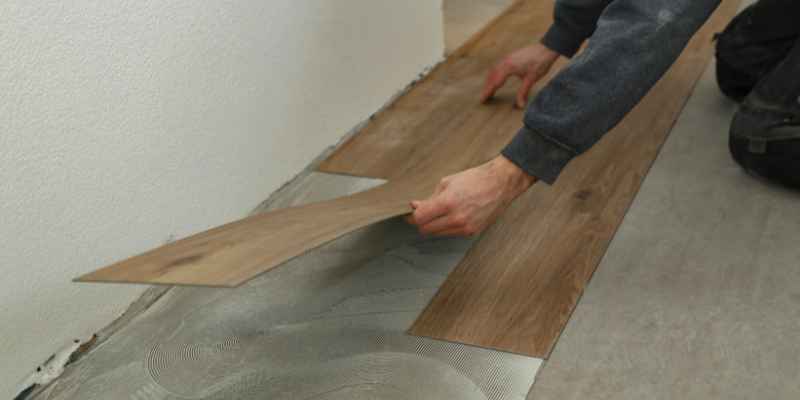
Vinyl tile is known for its simple installation process. Here are some key points:
- Peel-and-stick options make it very user-friendly.
- No special tools are needed.
- It can be installed directly over existing floors.
Laminate flooring also has its advantages:
- Click-lock systems allow for easy assembly.
- Requires minimal tools, just a saw and a hammer.
- Can be a bit tricky around corners and edges.
Both materials allow homeowners to save on installation costs. DIY enthusiasts find both options appealing. Choose based on your comfort level and design preferences.
Professional Installation Considerations
Some homeowners prefer professional help. Here are a few considerations:
| Feature | Vinyl Tile | Laminate Flooring |
|---|---|---|
| Installation Time | Faster due to easy handling | Longer due to precise cutting |
| Cost | Generally lower | Can be higher |
| Skill Level Required | Minimal experience needed | Moderate skill level recommended |
Professional installation may be beneficial for laminate. It ensures a perfect fit and finish. Vinyl tile installations are often faster and less costly. Each choice has its pros and cons. Assess your needs before deciding.
Cost Comparison
Understanding the cost of flooring options helps in making smart choices. This section highlights the differences between Vinyl Tile and Laminate Flooring.
Initial Investment
The initial cost of flooring plays a major role in decision-making. Below is a comparison of the two options:
| Flooring Type | Average Cost per Square Foot |
|---|---|
| Vinyl Tile | $2 – $5 |
| Laminate Flooring | $1 – $3 |
Vinyl tiles usually cost more upfront than laminate. You might pay a little extra for durability and design options.
Long-term Value
Long-term value includes durability and maintenance costs. Consider the following factors:
- Durability: Vinyl tiles last 10-20 years. Laminate lasts 15-25 years.
- Maintenance: Vinyl needs minimal care. Laminate may need occasional repairs.
- Resale Value: Vinyl can enhance resale value. Laminate may not add significant value.
Investing in Vinyl Tile can lead to lower maintenance costs. Choose wisely for your budget and needs.
Environmental Impact And Health Concerns
The choice between vinyl tile and laminate flooring involves more than looks. It also affects our planet and health. Understanding these impacts helps in making the right decision.
Eco-friendly Aspects
Both vinyl tile and laminate flooring have environmental footprints. Here are some key points:
| Feature | Vinyl Tile | Laminate Flooring |
|---|---|---|
| Material Source | Made from PVC and other synthetic materials. | Made from wood byproducts and resins. |
| Recyclability | Limited recycling options. | Often recyclable in some regions. |
| Production Energy | High energy consumption during production. | Lower energy usage compared to vinyl. |
- Vinyl tile has a larger carbon footprint.
- Laminate flooring uses renewable resources.
- Choose products with eco-friendly certifications.
Indoor Air Quality
Indoor air quality matters for health. Here’s how both flooring types affect it:
- Vinyl Tile: May release volatile organic compounds (VOCs).
- Laminate Flooring: Generally emits fewer VOCs.
- Look for low-VOC options for both types.
Using proper ventilation helps improve indoor air quality. Regular cleaning also reduces dust and allergens. Always prioritize your health and comfort.
Performance In Diverse Climates
Choosing flooring for different climates is crucial. Vinyl tile and laminate flooring offer various benefits. Understanding their performance helps in making the right choice.
Moisture And Humidity Resistance
Vinyl tile excels in moisture and humidity. It is completely waterproof. This makes it perfect for bathrooms and kitchens.
Laminate flooring is not waterproof. It can warp or swell in high humidity. Proper sealing can help but it may still be risky.
Here’s a quick comparison:
| Flooring Type | Moisture Resistance | Best Use Areas |
|---|---|---|
| Vinyl Tile | Excellent | Bathrooms, Kitchens, Basements |
| Laminate Flooring | Poor | Living Rooms, Bedrooms |
Temperature And Sunlight Exposure
Vinyl tile withstands temperature changes well. It doesn’t expand or contract significantly. This stability makes it suitable for various climates.
Laminate flooring can struggle with heat. It may expand in hot weather. Direct sunlight can cause fading over time.
Consider these factors:
- Vinyl tile adapts to temperature changes.
- Laminate needs care in sunny spots.
- Both floors can handle average indoor temperatures.
Choose wisely based on your climate. Understanding these factors leads to better flooring choices.
Suitability For Various Spaces
Choosing the right flooring depends on the space. Different areas have unique needs. Understanding these needs helps in making the best choice.
Best Fit For Kitchens And Bathrooms
Vinyl tiles excel in kitchens and bathrooms. They resist moisture better than laminate. This resistance prevents damage from spills and humidity.
- Vinyl tiles are easy to clean.
- They offer a variety of designs.
- Comfortable underfoot, even when wet.
Laminate flooring is not ideal for these spaces. It can warp when exposed to water. This makes it less suitable for high-moisture areas.
Commercial Space Flooring Needs
Commercial spaces require durable flooring. Both vinyl and laminate can meet these needs, but they differ.
| Feature | Vinyl Flooring | Laminate Flooring |
|---|---|---|
| Durability | High | Moderate |
| Maintenance | Low | Low |
| Cost | Moderate | Low |
| Appearance | Varied | Natural wood look |
Choose vinyl flooring for high-traffic areas. It withstands heavy use better than laminate. Consider laminate for lower-traffic spaces.
The Verdict: Making The Right Choice
Choosing between vinyl tile and laminate flooring can be tricky. Both options have unique benefits. Understanding your needs helps in making the right choice.
Personal Preferences And Lifestyle
Your lifestyle plays a big role in the decision. Consider the following factors:
- Durability: Vinyl tile is water-resistant. It’s great for bathrooms and kitchens. Laminate is less water-resistant but works well in dry areas.
- Appearance: Vinyl offers various designs. It can mimic wood or stone. Laminate also looks like wood and is available in many finishes.
- Comfort: Vinyl is softer underfoot. It’s more comfortable for long-standing activities. Laminate can feel harder and colder.
- Installation: Vinyl tiles are easier to install. They often come with a peel-and-stick option. Laminate requires more tools and time.
- Maintenance: Both require minimal maintenance. Regular sweeping and occasional mopping keep them clean.
Final Recommendations
Here are some recommendations based on different scenarios:
| Scenario | Best Choice |
|---|---|
| Busy households with kids | Vinyl Tile |
| Budget-friendly renovation | Laminate Flooring |
| High moisture areas | Vinyl Tile |
| Elegant design preference | Laminate Flooring |
| DIY installation | Vinyl Tile |
Evaluate your needs carefully. Choose what fits your home and lifestyle best.
Frequently Asked Questions
What Is The Difference Between Vinyl And Laminate Flooring?
Vinyl flooring is made from synthetic materials, offering water resistance. Laminate flooring consists of composite wood with a photographic layer, giving it a wood-like appearance. Both options provide durability, but vinyl is better for moisture-prone areas. Choose based on your aesthetic preferences and room requirements.
Is Vinyl Flooring More Durable Than Laminate?
Vinyl flooring is generally more durable than laminate. It withstands moisture, scratches, and wear better than laminate. This makes vinyl ideal for high-traffic areas and spaces prone to spills. However, laminate can be more resistant to fading and is better in dry environments.
Which Is More Cost-effective: Vinyl Or Laminate?
Laminate flooring typically costs less than vinyl. However, prices can vary based on quality and brand. Vinyl offers long-term savings due to its durability and low maintenance. Consider your budget and the specific room’s requirements when making a decision.
Can Vinyl Or Laminate Be Installed Over Existing Floors?
Yes, both vinyl and laminate can be installed over existing floors. Ensure the surface is clean, level, and dry before installation. This saves time and costs in removing old flooring. However, check manufacturer’s guidelines for specific installation requirements.
Conclusion
Choosing between vinyl tile and laminate flooring depends on your specific needs. Both options offer unique benefits, such as durability and style. Consider factors like installation, maintenance, and cost before deciding. Ultimately, the right flooring can enhance your space and fit your lifestyle perfectly.
Make an informed choice for your home.