A Beginner’s Guide to Vinyl to Wood Floor Transitions
A vinyl to wood floor transition is a strip that joins vinyl and wood flooring. It covers the gap where two floors meet, like in a doorway. This makes your floors look neat and safe to walk on. Imagine tripping over a gap—yikes! Transition strips keep things smooth and pretty. They come in wood, metal, or vinyl, and each type has a job.
Why It Matters
Transitions aren’t just for looks. They stop dirt from hiding in gaps and prevent tripping. Plus, they protect floor edges from wear. I learned this when my vinyl started peeling at the edge—oops! A good transition strip fixes that fast.
Types of Transition Strips
There are a few types of strips for vinyl to wood transitions. Here’s a quick rundown:
- T-Molding: Joins floors of the same height. Perfect for flat vinyl-to-wood switches.
- Reducer: Connects floors of different heights, like vinyl to thicker wood.
- End Molding: Finishes one floor’s edge, like vinyl against a wood step.
- Carpet Strip: Used if vinyl meets carpet, but it can work with wood too.
Each type has a purpose, so pick one that fits your floors’ heights and style.
Choosing the Right Strip
I once bought a T-molding for floors with a height difference—big mistake! Always measure the height gap first. If your vinyl is lower than your wood, a reducer is your best bet. Check out this table for clarity:
| Strip Type | Best For | Material Options |
|---|---|---|
| T-Molding | Same-height floors | Wood, Vinyl, Metal |
| Reducer | Different-height floors | Wood, Vinyl, Aluminum |
| End Molding | Finishing one floor’s edge | Wood, Metal |
| Carpet Strip | Vinyl to carpet (or wood) | Aluminum, Vinyl |
Table 1: Comparing Transition Strip Types
Tools and Materials You’ll Need
You don’t need a fancy toolbox. Here’s what I used for my project:
- Measuring Tape: To measure the gap length.
- Saw or Utility Knife: To cut the strip to size.
- Adhesive or Screws: To secure the strip (check strip instructions).
- Level: To ensure floors are even.
- Safety Gear: Gloves and goggles—safety first!
For materials, I grabbed a wood reducer strip to match my oak floor. Vinyl strips are cheaper, but wood looks classier. Expect to spend $10-$30 on a strip, depending on length and material.
Step-by-Step Guide to Install a Transition Strip
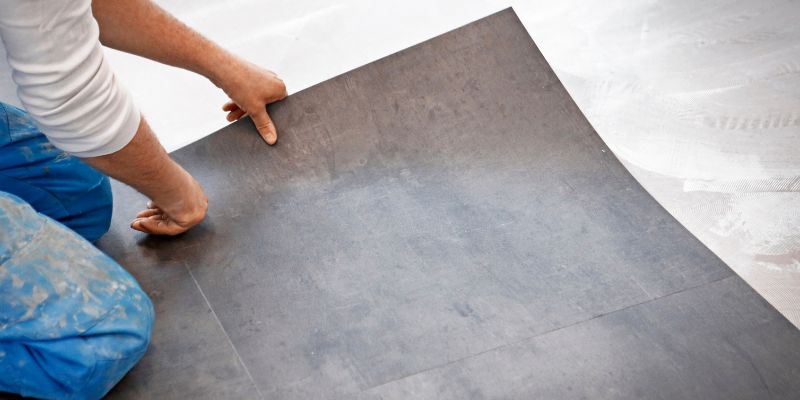
Installing a vinyl to wood transition is easier than it sounds. Here’s how I did it:
- Measure the Gap: Use a tape measure to check the length and height difference. My gap was 36 inches long.
- Choose Your Strip: Pick a reducer if your wood is higher, or T-molding if levels match.
- Cut the Strip: Use a saw to trim the strip to fit. I marked mine with a pencil first.
- Prep the Floor: Clean the gap so it’s free of dust. A clean floor sticks better!
- Install the Strip: Glue or screw it down, following the strip’s instructions. I used adhesive for my reducer.
- Check It: Walk over it to ensure it’s secure. No wobbles allowed!
This took me about 30 minutes. If I can do it, you can too!
Visual Idea
A simple diagram showing a side view of a reducer strip connecting vinyl to wood would help. Picture a line for the vinyl floor, a higher line for wood, and the strip sloping between them. Another diagram could show a T-molding fitting into a gap. These visuals make the process crystal clear.
Benefits and Drawbacks of Transition Strips
Transition strips are awesome, but they’re not perfect. Here’s the scoop:
Benefits
- Safety: No tripping over gaps.
- Looks Great: Makes floors look polished.
- Protects Edges: Stops vinyl or wood from chipping.
- Easy to Install: Most snap or glue in place.
Drawbacks
- Cost: Wood strips can be pricey ($20-$50).
- Wear: Vinyl strips may fade over time.
- Mismatch Risk: Picking the wrong strip messes up the look.
I chose a wood strip to match my floor, and it’s held up for years. Vinyl strips are cheaper but might not last as long.
My Top Tips for Success
After a few flooring projects, I’ve got some tricks up my sleeve:
- Match the Color: Pick a strip that blends with your wood or vinyl. I stained my wood strip to match my oak floor—perfect!
- Test Fit First: Lay the strip down before gluing. My first try was too long, and I had to recut.
- Clean Well: Dust in the gap can weaken adhesive. Vacuum twice!
- Check Height: Uneven floors need a reducer, not a T-molding. Measure twice, cut once.
Here’s a quick cost-saving tip: Check hardware stores like Home Depot for clearance strips. I snagged a $25 wood strip for $10 once!
Common Mistakes to Avoid
- Wrong Strip Type: Using T-molding for uneven floors won’t work.
- Poor Cutting: Measure carefully to avoid gaps.
- Skipping Prep: Dirty floors make strips peel off.
Comparing Costs of Transition Strips
Here’s a table to help you budget:
| Material | Cost (per 36 inches) | Durability | Look |
|---|---|---|---|
| Wood | $20-$50 | High | Matches wood floors |
| Vinyl | $10-$25 | Medium | Budget-friendly |
| Aluminum | $15-$30 | High | Modern, sleek |
Table 2: Cost and Features of Transition Strips
Alternative Approaches
If a transition strip isn’t your style, try these:
- Seamless Flooring: Use one floor type throughout. It’s pricey but gap-free.
- Custom Strips: Cut wood to fit exactly. I did this for a funky doorway—tough but cool!
- No Strip: Leave a small gap if floors are even. Risky, but it can work in low-traffic areas.
Each option has trade-offs. Strips are easiest for beginners.
Visual Idea
A diagram comparing a T-molding versus a reducer strip in a doorway would be neat. Show how T-molding sits flat and the reducer slopes. This helps readers pick the right one.
Frequently Asked Questions
What Is a Vinyl to Wood Floor Transition Strip?
A strip that joins vinyl and wood floors, covering gaps for safety and style. It’s usually wood, vinyl, or metal and fits in doorways or room borders.
Do I Need a Transition Strip?
Yes, if your vinyl and wood floors meet, a strip prevents tripping and protects edges. Skip it only if floors are perfectly even and gap-free.
Which Strip Type Should I Use?
Choose T-molding for same-height floors or a reducer for different heights. Measure the height gap first to pick the right one.
Can I Install a Strip Myself?
Absolutely! With a saw, adhesive, and 30 minutes, it’s a simple DIY job. Clean the gap and follow the strip’s instructions.
How Do I Match the Strip to My Floor?
Pick a strip color close to your wood or vinyl. Wood strips can be stained to match perfectly, like I did with my oak floor.
Are Vinyl Strips Cheaper Than Wood?
Yes, vinyl strips cost $10-$25, while wood is $20-$50. Vinyl is budget-friendly but may not last as long as wood.
Where Can I Buy Transition Strips?
Check Home Depot, Lowe’s, or online at sites like BuildDirect. I found great deals at local hardware stores too.
Conclusion
Vinyl to wood floor transitions are a game-changer for any home. They’re easy to install, make floors look awesome, and keep things safe. Whether you’re a beginner or a pro, picking the right strip and following simple steps can transform your space. Try it out—it’s no sweat! Share your project ideas or ask questions in the comments. Happy flooring!