My Journey with a Warm Morning Wood Burning Stove
My Journey with a Warm Morning Wood Burning StoveMy grandpa’s old cabin in Missouri was always chilly until we fired up his Warm Morning wood burning stove. That cast iron beauty warmed us up like a cozy hug! In this guide, I’ll share everything about using a Warm Morning wood burning stove. You’ll learn what it is, how to use it, and easy tips to keep it roaring. Whether you’re new or a pro, I’ve got you covered with simple steps and fun ideas.
What Is a Warm Morning Wood Burning Stove?
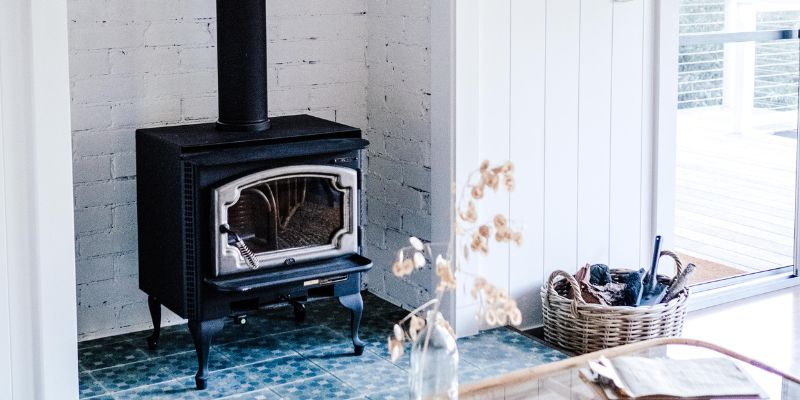
A Warm Morning wood burning stove is a classic heater from the Locke Stove Company, built in the early 1900s. Made of sturdy cast iron, it burns wood or coal to keep homes toasty. These stoves were popular in rural America, especially in places like Inverness, where coal was common. They’re loved for their durability and charm, still heating homes today even though production stopped in the 1990s.
Why It Matters
This stove isn’t just a heater; it’s a piece of history! It’s perfect for cozy winters, saving money on electric bills, and adding a rustic vibe. I remember warming my hands by grandpa’s stove, feeling like I was in an old Western movie. It’s a reliable, eco-friendly way to stay warm.
Why Choose a Warm Morning Stove?
Warm Morning stoves are tough and efficient. They heat big spaces fast, and their cast iron holds heat for hours. Unlike modern electric heaters, they work during power outages. Plus, they’re charming! My first fire in one was a smoky flop, but I learned fast. Here’s why they rock:
- Durable: Lasts decades with care.
- Versatile: Burns wood or coal.
- Cost-saving: Uses cheap, local fuel.
But, they need regular cleaning to avoid sooty buildup (called creosote). They’re also heavy, so setup takes effort.
How to Start a Fire in Your Warm Morning Stove
Starting a fire is easier than it sounds. I’ll walk you through it like I’m showing my kid cousin. You’ll need seasoned hardwood, kindling, and a few tools. Here’s a simple guide:
- Gather Supplies: Use dry oak or maple logs (seasoned for 6-12 months), small sticks for kindling, newspaper, matches, a poker, and an ash shovel.
- Prep the Stove: Clear old ashes, leaving a thin layer for insulation. Check the damper (air control) is open.
- Build the Fire: Crumple newspaper under the firebox grate. Add kindling in a crisscross pattern. Place 2-3 small logs on top.
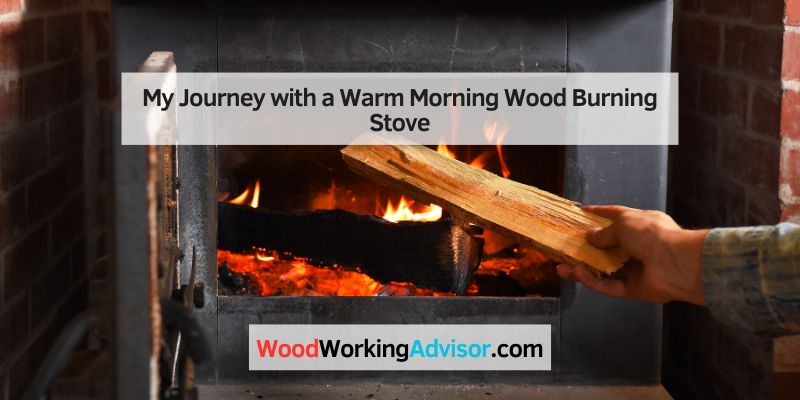
- Light It Up: Ignite the newspaper. Keep the door slightly ajar for 5 minutes to boost airflow.
- Adjust the Fire: Once logs catch, close the door and tweak the damper to control heat. Add bigger logs after 10 minutes.
Pro Tip: Never use wet wood! It smokes and clogs the chimney. My first try with damp logs turned the room into a fog machine!
Tools You’ll Need
Here’s a quick table to help you gather tools:
| Tool | Purpose | Where to Find |
|---|---|---|
| Poker | Move logs safely | Hardware stores |
| Ash Shovel | Remove ashes | Amazon, Home Depot |
| Heat-Resistant Gloves | Protect hands | Stove specialty shops |
Caption: Basic tools for safe and easy stove use.
Keeping Your Stove Burning All Night
Want to wake up to a warm house? Here’s how to keep your Warm Morning stove glowing overnight:
- Use Big Logs: Stack large, dense hardwood logs tightly before bed.
- Damp It Down: Reduce airflow with the damper to slow the burn.
- Check Safety: Ensure smoke detectors work and clear flammable items.
I once stacked logs too loosely, and the fire died by midnight. Tight packing is the trick!
Common Mistakes to Avoid
- Overloading: Too many logs cause smoke. Leave space for air.
- Skipping Cleaning: Creosote buildup is a fire risk. Clean the chimney yearly.
- Using Softwood: Pine burns fast and leaves residue. Stick to hardwoods.
Maintenance Made Simple
A Warm Morning stove needs love to last. Clean the firebox weekly to remove ashes. Use a wire brush for stuck soot. Check the door gasket for leaks; a bad seal wastes heat. I learned this when my stove puffed smoke like a dragon! Get your chimney swept yearly to prevent fires.
Here’s a maintenance checklist:
- Sweep chimney annually.
- Replace cracked firebricks.
- Clean glass door for a clear flame view.
Cost Comparison Table
| Task | DIY Cost | Professional Cost | Notes |
|---|---|---|---|
| Chimney Sweep | $50 (tools) | $150-$300 | Annual must-do for safety. |
| Firebrick Replacement | $20-$50 | $100-$200 | Check for cracks yearly. |
| Gasket Replacement | $10-$30 | $80-$150 | Improves efficiency. |
Caption: DIY vs. pro costs for stove maintenance.
Benefits and Drawbacks
Warm Morning stoves are awesome but not perfect. Benefits: They’re cheap to run, reliable, and add cozy vibes. Drawbacks: They’re heavy, need frequent cleaning, and aren’t great for quick heat. Modern EPA stoves might suit small homes better, but they lack the vintage charm.
Personal Tips from My Experience
After years with my grandpa’s stove, here’s what I’ve learned:
- Season Your Wood: Dry wood burns hotter and cleaner. Stack it off the ground for a year.
- Start Small: Use kindling to build a hot base before adding logs.
- Get a Fan: A heat-powered fan spreads warmth faster. I got one cheap on Amazon!
Once, I tried burning pine, and the creosote was a nightmare. Stick to oak or maple for a clean fire. Check out Hearth.com for more wood-burning tips.
Visual Ideas for Better Understanding
To make this easier, imagine these visuals:
- Diagram of Firebox Setup: Show newspaper, kindling, and logs stacked for airflow.
- Chimney Cleaning Guide: Illustrate tools and steps for a safe sweep.
- Log Stacking Pattern: Display a crisscross log arrangement for overnight burns.
Comparing Warm Morning Models
Here’s a table comparing two popular models:
| Model | Size | Best For | Fuel Type |
|---|---|---|---|
| Model 520 | Medium (14” firebox) | Small homes, shops | Wood, soft coal |
| Model 422 | Large (18” firebox) | Big homes, cabins | Wood, bituminous coal |
Caption: Compare Warm Morning models for your needs.
Conclusion
A Warm Morning wood burning stove is a cozy, cost-saving way to heat your home. From starting a fire to keeping it burning all night, it’s a fun skill to learn. Try stacking logs tonight or cleaning your chimney this weekend. Share your stove stories in the comments! For more tips, visit Coalpail.com or StoveSellers.com. Let’s keep those fires burning!
Frequently Asked Questions
What Is a Warm Morning Wood Burning Stove?
It’s a cast iron stove from the early 1900s that burns wood or coal to heat homes. Known for durability, it’s a cozy, reliable heater with a vintage look.
How Do I Start a Fire in My Stove?
Use crumpled newspaper, kindling, and dry hardwood. Light the paper, keep the damper open, and add logs once the fire catches. It’s easy with practice!
What Wood Burns Best in a Warm Morning Stove?
Seasoned hardwoods like oak or maple burn hot and clean. Avoid softwoods like pine, which create sooty buildup and burn too fast.
How Often Should I Clean My Stove?
Clean the firebox weekly and sweep the chimney yearly to prevent creosote buildup. A clean stove burns better and stays safe.
Can I Use My Stove Overnight?
Yes! Stack large hardwood logs tightly, reduce airflow with the damper, and ensure smoke detectors work. You’ll wake to warm embers.
Are Warm Morning Stoves Safe?
They’re safe with proper use. Install smoke detectors, clear flammable items, and maintain the chimney to avoid fire risks.
Where Can I Find Parts for My Stove?
Check WoodStove-FireplaceGlass.com or local stove shops for firebricks, gaskets, or grates. Some parts may need custom orders.