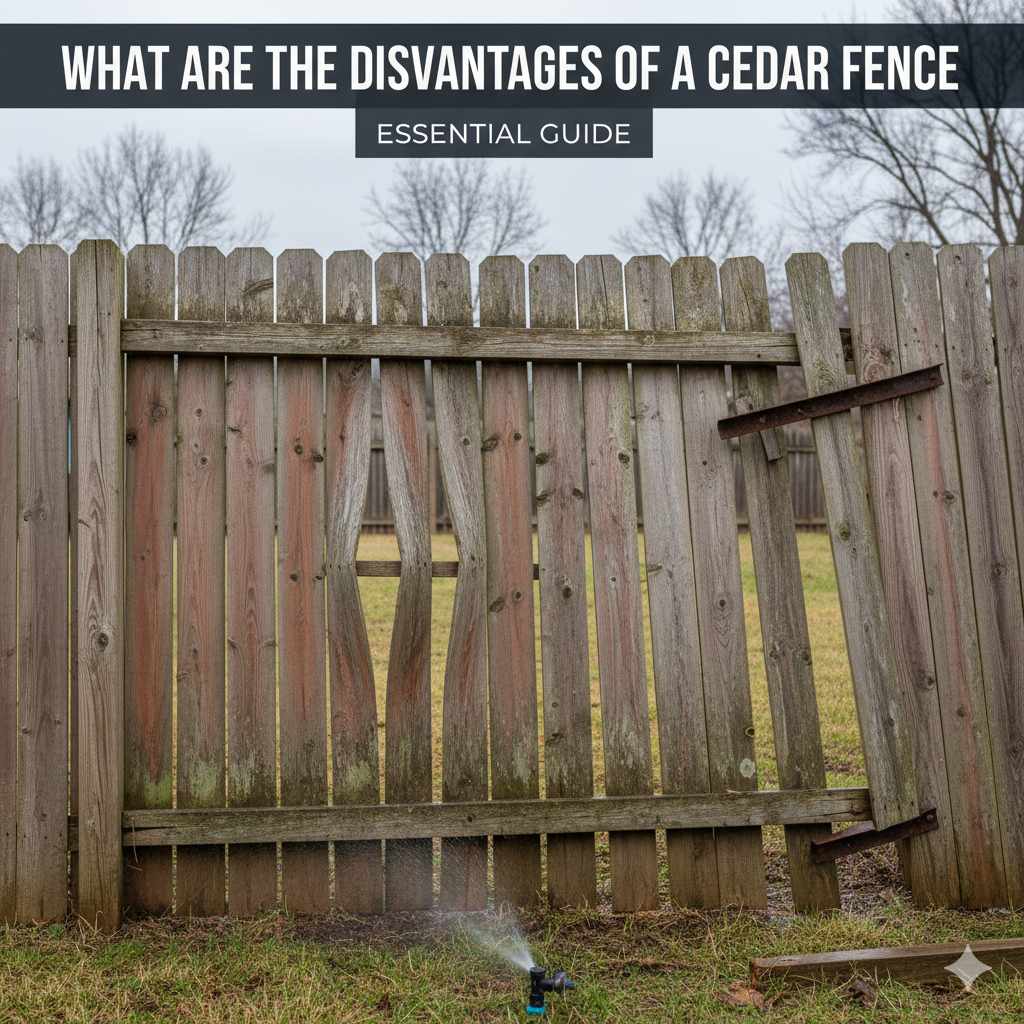
What Are The Disadvantages Of A Cedar Fence: Essential Guide
While cedar fences offer natural beauty and resistance to rot, what are the disadvantages of a cedar fence? They can be more expensive upfront, require regular maintenance like sealing and staining to preserve their look and longevity, and are softer wood, making them more susceptible to dents and scratches compared to harder fencing materials.
Hey there, fellow DIYers and home improvement enthusiasts! Md Meraj here, ready to guide you through another exciting home project. You’re probably dreaming of a beautiful, natural-looking fence for your yard. Cedar is often the top choice, and for good reason! It smells amazing and looks stunning. But, like with any project, it’s wise to know the full picture before you start. Today, we’re going to pull back the curtain and talk about the less-celebrated side of cedar fences. We’ll explore what potential downsides you might encounter, so you can make the best decision for your home and your budget. Stick with me, and by the end of this guide, you’ll feel totally confident about whether a cedar fence is the right fit for you!
Understanding Cedar Fencing: A Quick Primer
Cedar is a softwood that’s naturally beautiful and popular for fencing. It has a wonderful aroma and a rich, reddish-brown color that many people love. What makes it so appealing is its natural resistance to decay and insects. This is thanks to the naturally occurring oils and tannins within the wood. These substances act like a built-in protectant, meaning cedar fences can last a good long while without needing harsh chemical treatments. However, this doesn’t mean they are maintenance-free, and understanding these benefits also helps us understand some of the potential drawbacks we’ll dive into shortly.
What Are the Disadvantages of a Cedar Fence?
Cedar fencing is a fantastic material for many reasons, but it’s not without its downsides. It’s important to understand these potential issues before you commit to a cedar fence project. Knowing these disadvantages will help you prepare for the costs, maintenance, and potential challenges involved.
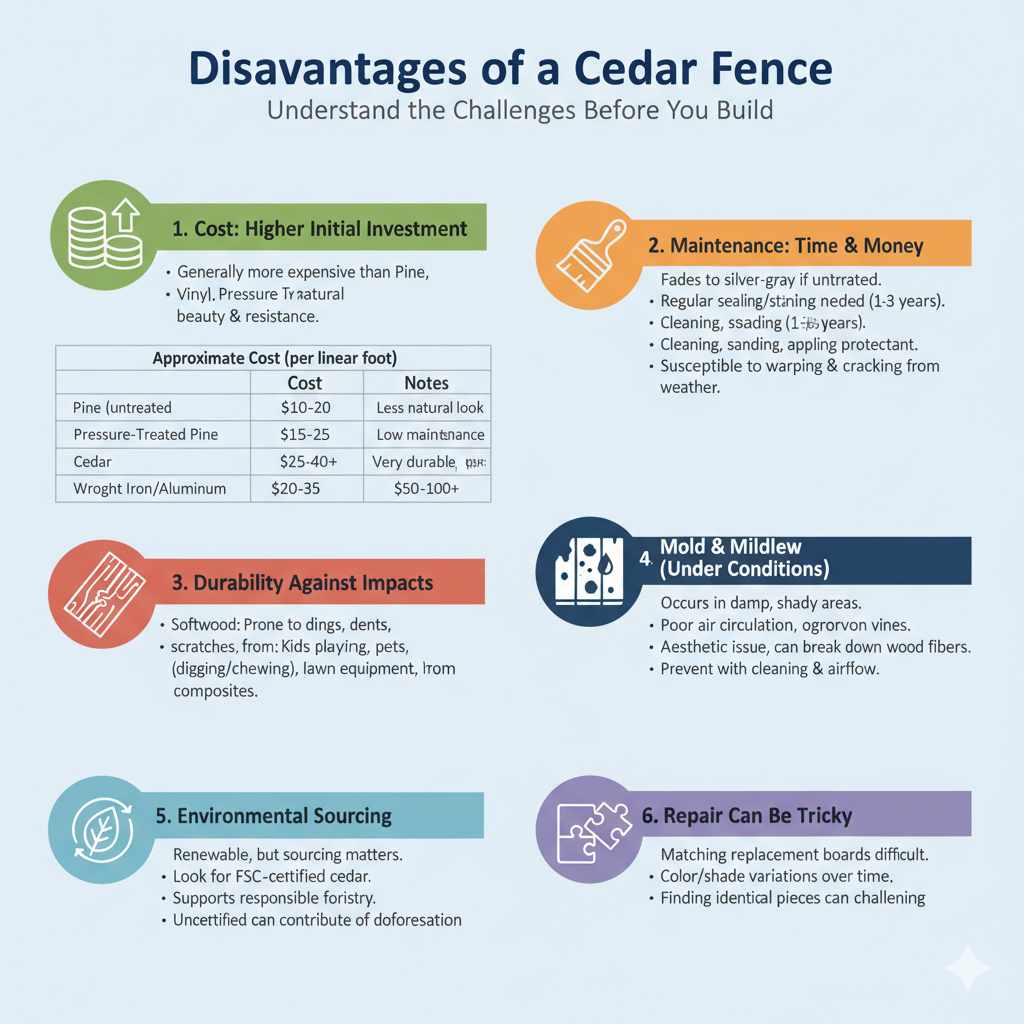
1. Cost: The Initial Investment
Let’s talk about money first, because it’s often a big factor. Cedar is generally more expensive than other common fencing materials like pine, pressure-treated lumber, or vinyl. The natural beauty and pest-resistant qualities of cedar come at a premium price. When you’re comparing quotes, you’ll likely notice that cedar is on the higher end of the spectrum.
Here’s a little comparison to give you an idea:
| Fencing Material | Approximate Cost (per linear foot) | Notes |
|---|---|---|
| Pine (untreated) | $10 – $20 | Requires significant treatment and maintenance. |
| Pressure-Treated Pine | $15 – $25 | Durable but can have a less natural aesthetic. |
| Cedar | $25 – $40+ | Natural beauty, insect/rot resistant, but higher upfront cost. |
| Vinyl | $20 – $35 | Low maintenance, but less natural look and can be brittle in cold. |
| Wrought Iron/Aluminum | $50 – $100+ | Very durable and decorative, but expensive and can rust/corrode. |
This table shows that while cedar isn’t the absolute most expensive option (looking at you, wrought iron!), it’s pricier than many other wood and even some composite options. Be prepared for a larger initial budget when choosing cedar. Sometimes, you can find less expensive grades of cedar, but they might not have the same durability or visual appeal.
2. Maintenance: More Than Just a Pretty Face
While cedar is naturally resistant to rot and insects, it’s still wood. Wood exposed to the elements needs protection. If you want your cedar fence to keep its beautiful color and last as long as possible, you’ll need to invest time and money into its upkeep.
Sealing and Staining
Cedar’s natural color will fade to a silvery gray over time if left untreated. This isn’t necessarily bad – many people like that rustic look! But if you want to maintain the rich, warm tones of cedar, regular sealing or staining is essential. Here’s what that typically involves:
- Cleaning: You’ll need to clean the fence periodically to remove dirt, mildew, and Algae. A fence cleaner or a mild detergent solution with water usually works.
- Sanding: After cleaning and drying, a light sanding might be necessary to smooth out the wood and prepare it for a new coat of protection.
- Applying Sealant or Stain: This is the crucial step. A good quality exterior sealant or stain will protect the wood from UV rays (which cause fading) and moisture (which can lead to rot and warping).
This maintenance routine usually needs to be done every 1-3 years, depending on your climate and the quality of the product you use. Think of it like this: protecting your investment keeps it looking good and functioning well for longer.
Warping and Cracking
Even with regular maintenance, cedar can still be susceptible to warping, cracking, and splitting, especially in areas with extreme temperature fluctuations or high humidity. The wood expands and contracts with changes in moisture and temperature. Over time, this can lead to visible cracks or bowing in the boards if not managed properly.
While cedar’s natural oils help, they can’t completely prevent these physical changes. Choosing higher-quality cedar and ensuring proper installation techniques (like allowing for expansion gaps) can minimize these issues, but they are still potential disadvantages compared to materials like vinyl or composite.
3. Durability Against Impacts: A Softer Touch
Cedar is a softwood. This means it’s lighter and easier to work with for DIYers like us, but it also makes it less resistant to dings, dents, and scratches compared to hardwoods or other sturdy fencing materials.
If you have kids who play boisterous games in the yard, a dog that likes to dig or chew at the fence, or if your property experiences high winds or frequent impacts (like from lawnmowers or weed whackers), a cedar fence might show wear and tear more quickly.
- Lawn Equipment: A stray rock kicked up by a mower or a careless bump from a weed whacker can easily chip or gouge cedar.
- Pets: Dogs, especially, can cause damage by scratching, digging, or chewing on the lower sections of the fence.
- Play and Sports: Balls hitting the fence, or kids leaning on it, can leave marks over time.
Hardwood fences (like oak or redwood) or fences made from composite materials are significantly more resistant to impact damage. If your priority is a fence that can withstand a lot of rough-and-tumble activity, you might want to consider those alternatives or be extra vigilant about protecting your cedar fence.
4. Susceptibility to Mold and Mildew (Under Certain Conditions)
While typically rot-resistant, cedar can still fall victim to mold and mildew, especially in damp, shady areas of your property. If your fence is constantly wet, overgrown with vines, or located in a humid climate without good air circulation, you might see mold or mildew growth.
These growths are usually more of an aesthetic issue, giving the fence a dark or discolored appearance. More importantly, they can sometimes break down the wood fibers over time or lead to slippery surfaces. Regular power washing (on a low setting, to avoid damaging the wood) or a good scrub with a specialized cleaner can help keep these issues at bay. Ensuring good airflow around your fence and trimming back any surrounding vegetation is also a key preventative measure.
5. Environmental Considerations and Sourcing
While cedar is a natural and renewable resource, its sustainability depends heavily on how it’s harvested. It’s crucial to look for cedar that is certified by organizations like the Forest Stewardship Council (FSC). This certification ensures that the wood comes from responsibly managed forests, where logging practices protect biodiversity and the rights of workers and local communities.
Uncertified cedar could contribute to deforestation or unsustainable forestry practices. So, while cedar itself is a renewable material, being mindful of its source adds another layer to your decision-making process. If you’re passionate about environmental impact, verifying the sourcing of your cedar is an important step to consider.
6. Repair Can Be Tricky
Replacing a damaged section of a cedar fence can sometimes be a bit more involved than you might think. If a board cracks, warps, or gets damaged, you’ll need to find a matching piece of cedar to maintain the fence’s aesthetic.
Cedar varieties and shades can change over time, and even boards from the same lumber yard might have slight color or grain differences. If you don’t have extra pieces from the original installation, it can be challenging to get a perfect match. This means that repairs might be visible, disrupting the uniform look of your fence. This is less of an issue with materials like vinyl, where replacement parts are often standardized.
Choosing the Right Fence: Cedar vs. Other Materials
When weighing the disadvantages of cedar, it’s helpful to see how it stacks up against other popular fencing options. Your final choice will depend on your priorities—budget, desired look, maintenance tolerance, and how you’ll be using your yard.
Cedar vs. Pressure-Treated Pine
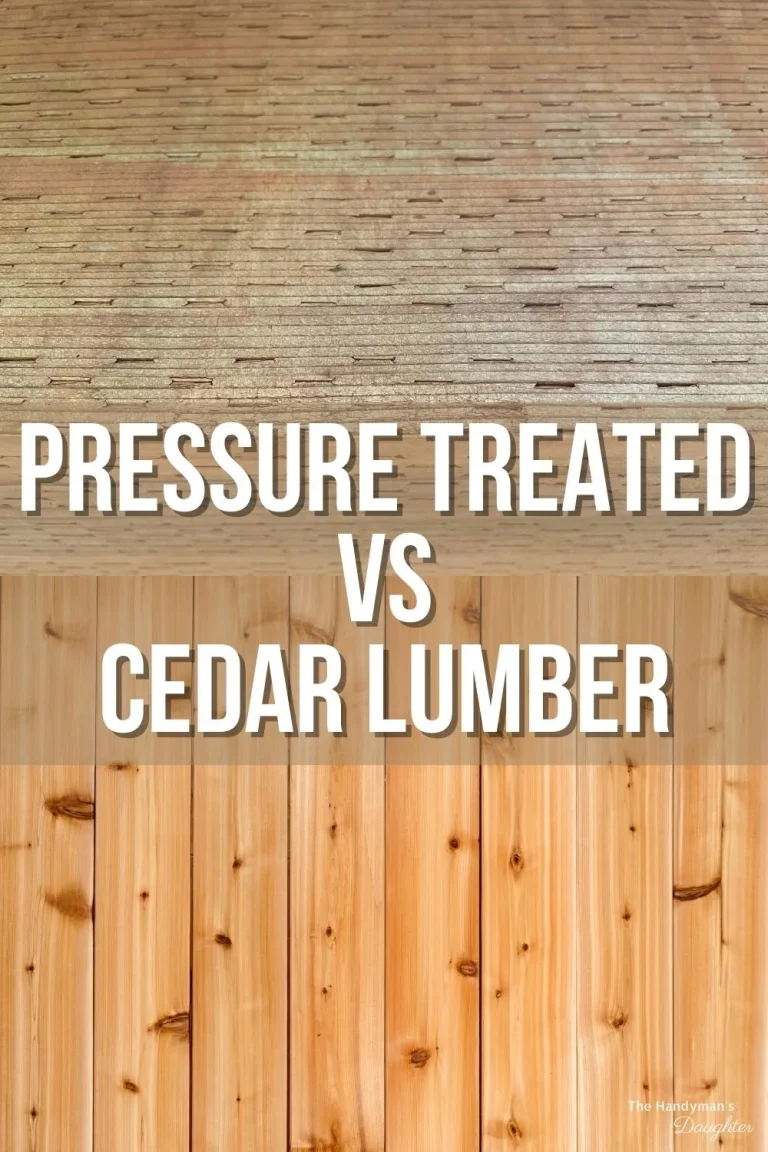
Pressure-treated pine is a popular, more budget-friendly alternative. It’s treated with chemicals to resist rot and insects, making it quite durable. However, it often has a greenish tint or a less refined look compared to cedar. It can also be prone to warping and cracking as it dries out. Cedar offers a more natural beauty and a pleasant scent, but at a higher initial cost and with its own maintenance needs.
Cedar vs. Vinyl
Vinyl fencing is known for its extremely low maintenance. It doesn’t rot, warp, or require staining or sealing. It’s also resistant to insects. However, vinyl can be more expensive than some wood options, and it might not offer the warm, natural aesthetic that many people desire from a wooden fence. In very cold climates, some vinyl can become brittle and prone to cracking if impacted.
Cedar vs. Composite
Composite fencing is a blend of wood fibers and plastic. It offers the look of wood with much of the low-maintenance benefit of vinyl. It’s durable, resistant to rot and insects, and generally holds its color well. However, composite can also be quite expensive, and some people find the “wood look” to be less authentic than real cedar.
Tips for Minimizing Cedar Fence Disadvantages
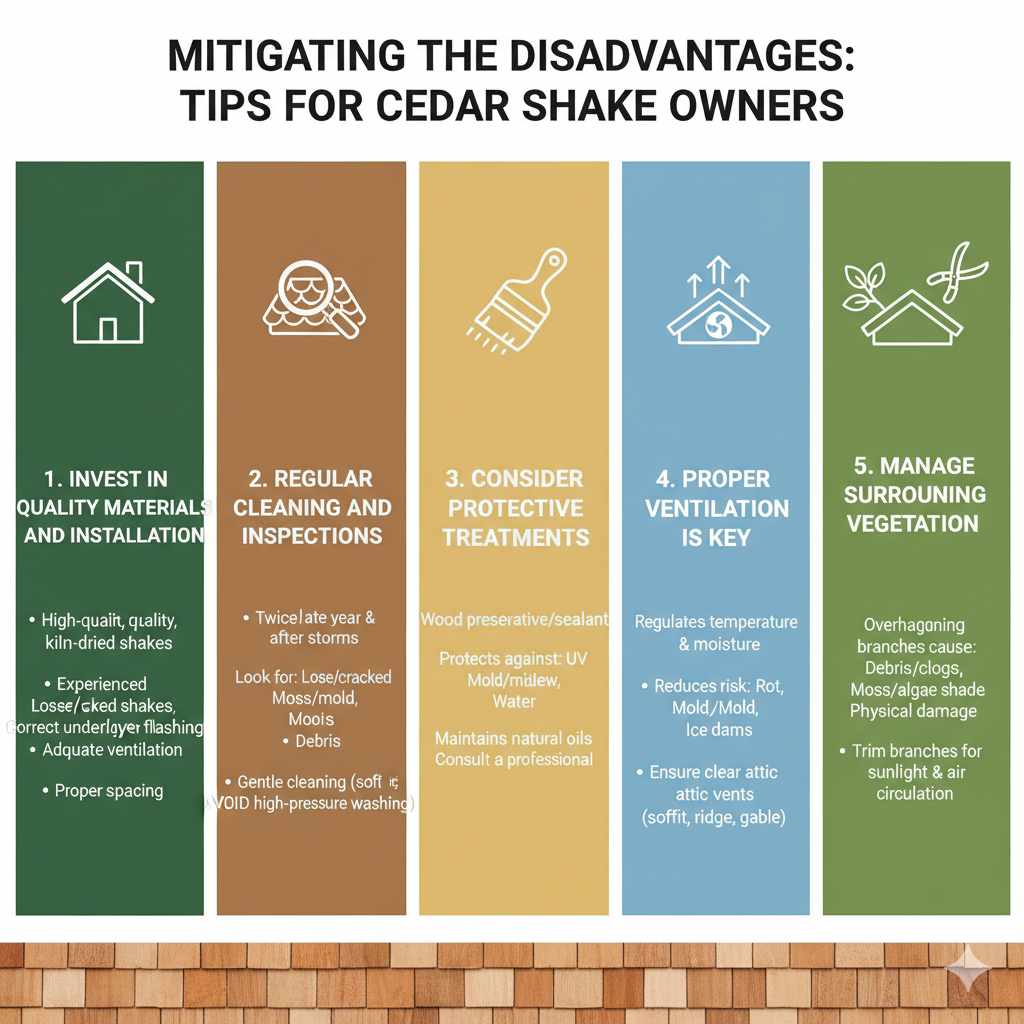
Even with the potential downsides, you can take steps to ensure your cedar fence is a beautiful and long-lasting addition to your property. As your woodworking mentor, I always say preparation and good practice make a world of difference!
- Invest in Quality: Opt for Western Red Cedar or Alaskan Yellow Cedar if possible. These are premium varieties known for their superior natural resistance to decay and insects and better stability. Look for boards with fewer knots and a more uniform grain.
- Proper Installation: Ensure your fence is installed correctly. This includes using galvanized or stainless steel fasteners (to prevent rust stains), allowing for proper ground clearance (at least 2 inches to prevent moisture wicking), and ensuring good airflow around the entirety of the fence.
- Regular Maintenance Schedule: Develop a routine for cleaning and sealing/staining. Clean your fence at least once a year and reapply sealant or stain every 1-3 years as needed. Early detection of issues like mildew or loose boards can prevent bigger problems.
- Strategic Placement: If possible, avoid placing your fence in areas that are constantly in shadow or excessively damp. Trimming back trees and shrubs that overhang the fence can help with air circulation and sunlight exposure.
- Impact Protection: If you anticipate heavy use or potential impacts, consider adding protective elements. This could include metal boots at the base of posts or reinforcing the lower sections of the fence if pets are a concern.
- Choose the Right Products: When sealing or staining, use high-quality exterior products specifically designed for wood. Look for sealants that offer UV protection.
Frequently Asked Questions About Cedar Fence Disadvantages
What is the biggest disadvantage of a cedar fence?
The biggest disadvantage is often the higher initial cost compared to other wood fencing materials like pine or even some composite options. Additionally, the need for regular maintenance (sealing/staining) to preserve its appearance and longevity is a significant commitment for many homeowners.
Does cedar rot or get termites?
Cedar is naturally resistant to rot and insect infestation due to its natural oils and tannins. However, this resistance is not absolute. Given enough time, constant moisture, or severe insect pressure, cedar can eventually succumb to rot and termites, especially if not properly maintained and installed with adequate ground clearance.
How often do I need to seal or stain a cedar fence?
Generally, you should plan to reseal or restain a cedar fence every 1 to 3 years. The exact frequency depends on your climate (exposure to sun, rain, snow), the quality of the initial product used, and how well the fence is maintained. Performing an annual inspection will help you determine when it’s time.
Is a cedar fence worth the extra cost?
For many, a cedar fence is worth the extra cost due to its unparalleled natural beauty, pleasant aroma, and good durability when properly cared for. If you prioritize a natural, high-end aesthetic and are willing to commit to the necessary maintenance, then yes, it can be a very rewarding investment. If your budget is tight or you prefer a truly low-maintenance option, other materials might be a better fit.
Can a cedar fence be damaged by lawnmowers or weed eaters?
Yes, cedar is a relatively soft wood and can be easily damaged by direct contact with lawnmowers or weed eaters. String trimmers can fray and gouge the wood, while mower bumpers can leave dents and gouges. It’s important to be careful when maintaining your lawn around the fence, or consider adding protective strips at the base.
Will my cedar fence turn gray?
Yes, if left untreated, the natural oils in cedar will break down when constantly exposed to UV rays from the sun. This causes the wood to weather and turn a silvery-gray color over time. This is a natural process and doesn’t necessarily mean the wood is decaying. Many people find this weathered look attractive. If you prefer to maintain the original color, regular application of a UV-protectant stain or sealant is necessary.
Conclusion: Making the Right Choice for Your Home
So, there you have it! We’ve explored the common disadvantages of choosing a cedar fence, from its initial cost and ongoing maintenance to its susceptibility to impacts and potential for weathering. Remember, no material is perfect, and understanding these potential issues is the first step to a successful project.
A cedar fence can be a truly beautiful and rewarding addition to your property, offering that natural charm and pleasant aroma that’s hard to beat. By being aware of the disadvantages – like the investment in cost and regular care – you can make an informed decision. With proper planning, quality materials, and a commitment to maintenance, you can mitigate many of these downsides and enjoy your gorgeous cedar fence for years to come. Whether you decide cedar is your perfect match or opt for another material, I’m always here to help you build with confidence!