Where Does Ash Wood Come From? Sourcing & Supply Guide
Commercial ash wood is milled mainly from eastern U.S. and Canadian hardwood forests, plus Mississippi Delta bottomlands for guitar-grade swamp ash. But the emerald ash borer, found near Detroit in 2002, cut healthy log supply so sharply that Fender dropped swamp ash from production guitars in 2021. This guide covers where mills source ash today, current pricing, and what shrinking supply means for buyers.
Quick Answer
Most commercial ash lumber in North America comes from eastern hardwood forests — Pennsylvania, Kentucky, the Ohio Valley, and Wisconsin — with swamp ash historically cut from Mississippi Delta bottomlands. Since the emerald ash borer reached Detroit in 2002, healthy log supply has fallen sharply, raising prices for premium logs even as salvage lumber briefly flooded some regional markets.
Where Commercial Ash Lumber Comes From Today
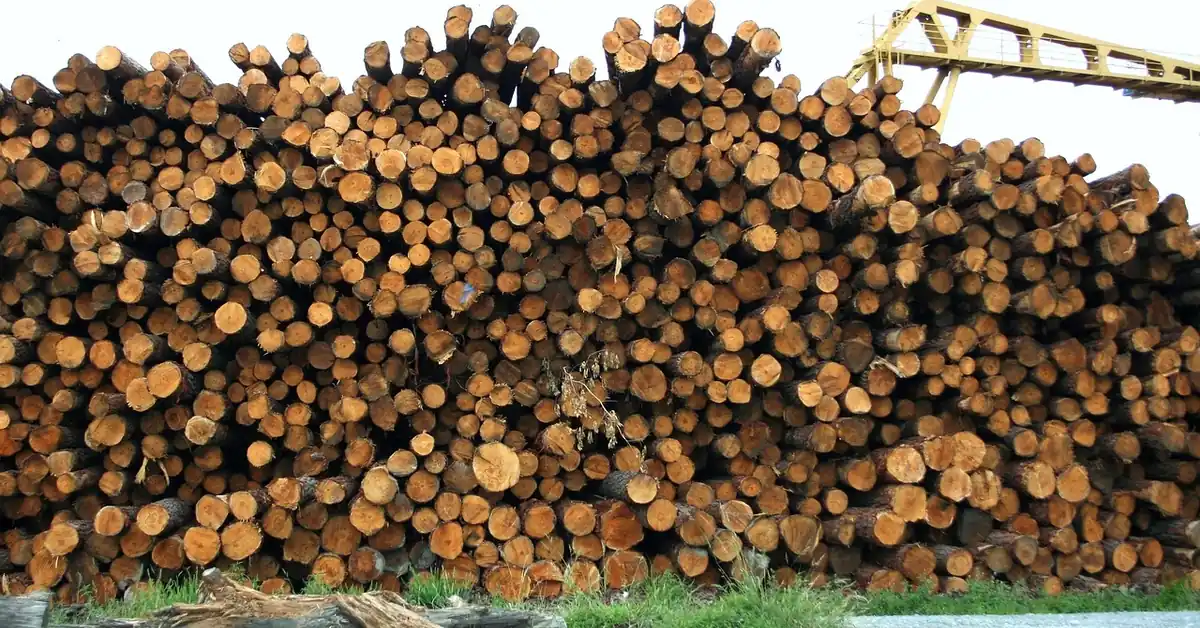
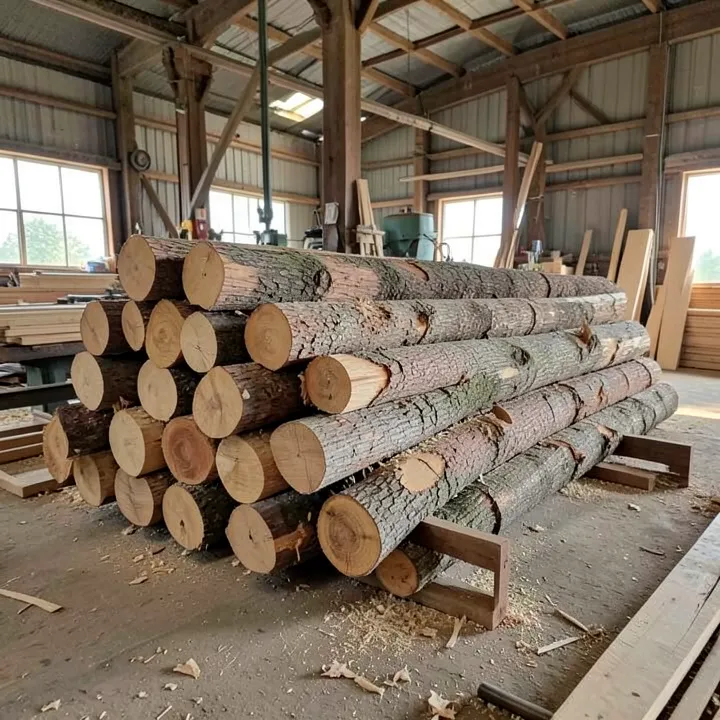
Most ash sold as dimensional lumber in North America is sawn in the eastern hardwood belt — Pennsylvania, Kentucky, the Ohio Valley, and Wisconsin, where mills like Menominee Tribal Enterprises sustainably harvest white ash from managed forests. Ash accounts for roughly 5% of total eastern hardwood lumber production, making it a minor but well-established species alongside oak and maple.
A separate supply stream comes from the Mississippi Delta and other southern bottomlands, where “swamp ash” — ash grown in wet, low-oxygen soil — has long been prized for its light weight and open grain, especially by the electric guitar industry. In Europe, Fraxinus excelsior fills the same commercial role that white ash does in North America.
For the tree’s native climate, soil, and elevation requirements — the botanical side of the story rather than the commercial supply chain — see our guide on where ash trees grow. If you only need a small quantity for a home shop project rather than industrial volumes, our guide on where to buy ash wood covers lumberyards, specialty dealers, and online vendors.
How the Emerald Ash Borer Disrupted the Ash Lumber Supply Chain
📊 The emerald ash borer was first confirmed near Detroit, Michigan in 2002 and has since killed hundreds of millions of ash trees across the U.S. and Canada — Source: USDA APHIS, Wood Vendors Inc. industry reporting, 2026
The emerald ash borer (EAB) is a half-inch metallic-green beetle native to Asia. Its larvae tunnel beneath ash bark and feed on the cambium layer that carries water and nutrients, killing most infested trees within a few years. Since its 2002 discovery, EAB has spread through most of the ash tree’s North American range, and mills now watch for the same warning signs foresters use: D-shaped exit holes, splitting bark, thinning canopy, and increased woodpecker activity.
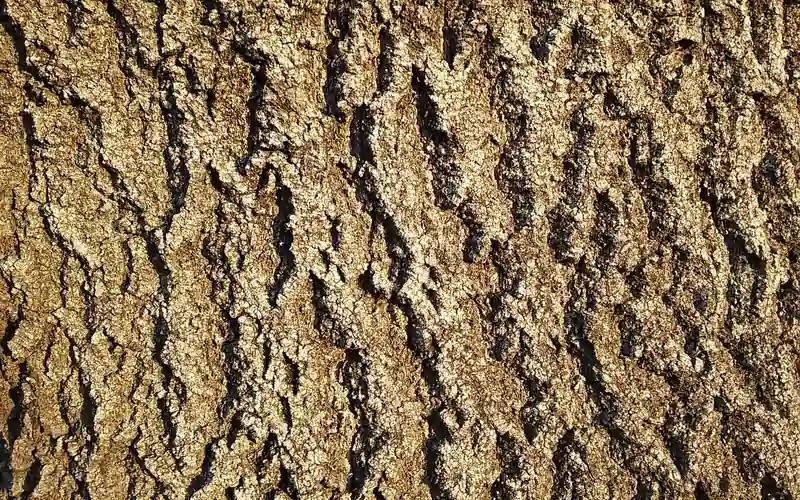
The supply effect happened in two stages. First, mills ramped up salvage logging to recover dead and dying ash before the wood cracked or stained — temporarily increasing the amount of ash lumber on the market. Once that backlog of standing dead timber was cut through, the second stage set in: large, healthy, mature ash logs became genuinely scarce, and slab-quality logs in particular are now difficult for mills to source in many regions. USDA APHIS tracks the pest’s continuing spread.
Case Study: Why Fender Stopped Using Swamp Ash
Swamp ash’s supply problem is the clearest example of EAB’s commercial impact. Fender had used swamp ash for Stratocaster and Telecaster bodies since the 1950s, sourced largely from Mississippi Delta bottomlands. In 2021, the company announced it would phase swamp ash out of its production-line guitars, reserving the wood for high-priced vintage-style models only.
“Fender blamed the dwindling supply on longer periods of climate-fueled flooding along the lower Mississippi — which is endangering saplings and making it harder for lumber companies to reach standing trees — as well as the looming threat of an invasive tree-boring beetle.”
— Reporting on Fender’s swamp ash sourcing, Digital Music News / Guitar.com industry coverage
Anderson-Tully Lumber, once Fender’s primary swamp ash supplier, found the bottomlands increasingly inaccessible as flooding events grew longer and more frequent. The episode shows how EAB rarely acts alone — it compounds with weather and access problems to squeeze supply of a single, specific ash population much faster than the species’ overall range would suggest.
Ash Lumber Pricing and Grades in 2026
Ash is graded and priced by the same hardwood lumber standards used for oak and maple — by clear face area, thickness, and defect count. Prices below reflect Kentucky-region sawlog values reported for Q1 2026, a representative sample of the wider eastern hardwood market:
| Grade | Price Range (per MBF, Doyle) | Best For |
|---|---|---|
| Prime / F1 | $430 – $920 | Fine furniture, visible cabinetry, veneer stock |
| #1 / F2 | $310 – $610 | General furniture, flooring, millwork |
| F3 | $185 – $390 | Utility furniture parts, shop projects |
| Pallet / Utility | $140 – $275 | Pallets, crating, non-visible framing |
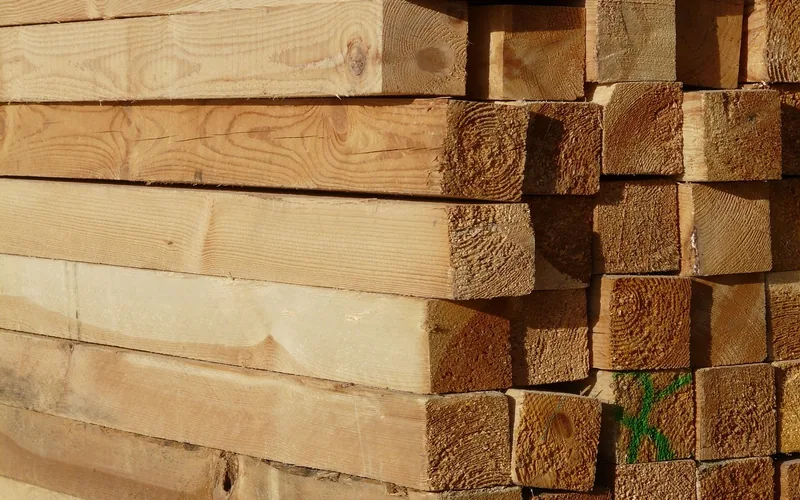
In heavily infested regions, salvage timber from EAB-killed trees has depressed prices at the low end, while healthy, large-diameter logs from unaffected areas now command a premium. For species background, working properties, and grain patterns, see our guide on white ash lumber, and for drying timelines before a board is workshop-ready, see how long ash wood takes to season.
Is Ash Wood Becoming Rare? Should You Buy It Now?
Ash isn’t disappearing from lumberyards overnight, but the long-term trend is real: mature, wide, clear-grained ash logs are harder to find every year, and prices for top grades have moved up as a result. Ash’s long working history — in tools, furniture, and famously in baseball bats, explored in our piece on ash wood’s meaning and symbolism — is part of why demand hasn’t faded even as supply has tightened.
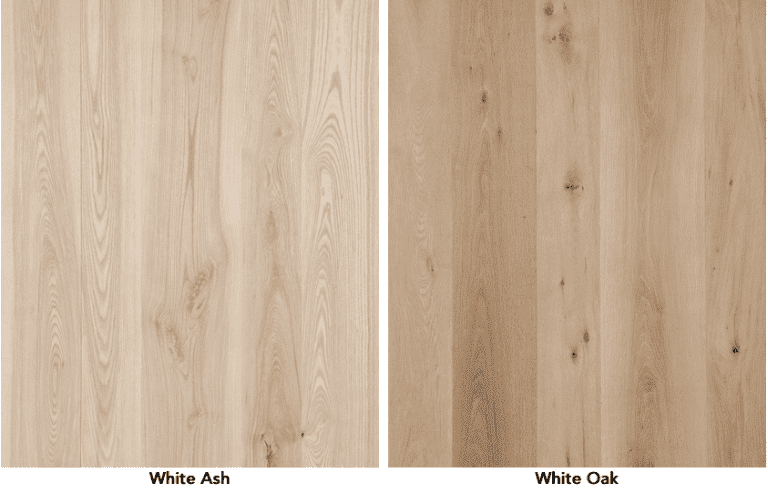
If a project doesn’t specifically call for ash’s look or flex, white oak, hickory, and hard maple are the closest domestic substitutes in strength and machinability, and all three currently have more stable supply than ash. For a project where ash’s grain and color matter, buying sooner rather than later — and asking the yard directly about log condition — is a reasonable hedge against further price increases.
“A practical tip from the shop: EAB-killed ash that sat too long before milling often shows blue-gray staining and a softer, punkier grain near the sapwood — kiln drying won’t fully correct it. If you’re buying ash for a visible project, ask the yard whether the log was milled green or salvaged after the tree had already died.”
— Md Meraj, Woodworking Advisor
Frequently Asked Questions
Where is most commercial ash lumber sourced from today?
Most commercial ash lumber comes from eastern U.S. hardwood forests, especially Pennsylvania, Kentucky, the Ohio Valley, and Wisconsin, where mills saw white ash from managed stands. Swamp ash for the guitar industry has historically come from Mississippi Delta bottomlands, though that supply has become far less reliable.
Why has ash wood become harder to find?
The emerald ash borer, discovered near Detroit in 2002, has killed hundreds of millions of ash trees across North America. After an initial surge of salvage logging, the supply of large, healthy, mature ash logs has declined sharply, making top-grade lumber scarcer and more expensive.
What is swamp ash and why is it disappearing?
Swamp ash is ash grown in wet, low-oxygen bottomland soil, prized by guitar makers for its light weight and open pores. Longer, more frequent Mississippi Delta flooding combined with emerald ash borer damage led Fender to stop using it in production-line guitars in 2021, reserving remaining stock for vintage-style models.
Is ash wood still affordable for furniture and flooring?
Yes, for most grades. Utility and #2-grade ash remains reasonably priced compared to oak, but prime, clear-faced boards have risen in price as large healthy logs become scarcer. Budget-conscious buyers can often substitute a lower grade or a similar species like hickory without changing the project’s design.
What should I do with an ash tree that died from the emerald ash borer?
Have it milled as soon as possible after death. Ash that sits too long develops staining, softening, and insect galleries that reduce its value and workability, though some woodworkers now seek out that “beetle character” intentionally for live-edge slabs and rustic furniture.
Ash’s supply story has shifted from “common domestic hardwood” to “regionally variable and worth checking before you commit to a design.” Knowing where mills currently source it — and which regions the emerald ash borer has hit hardest — helps you buy with realistic expectations on both price and lead time.
Sponsored / affiliate links. As an Amazon Associate I earn from qualifying purchases. I may earn additional commission from eligible campaigns.