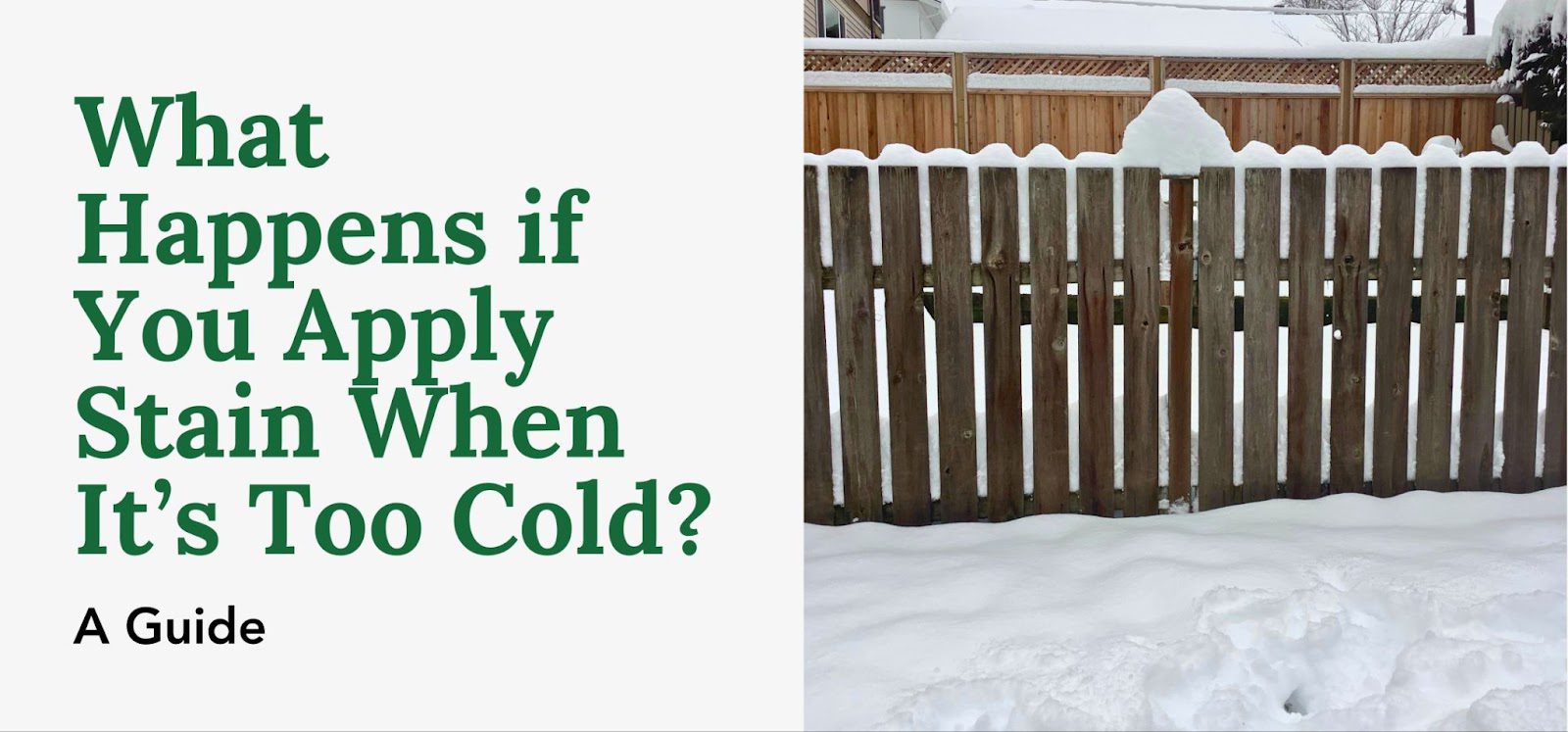
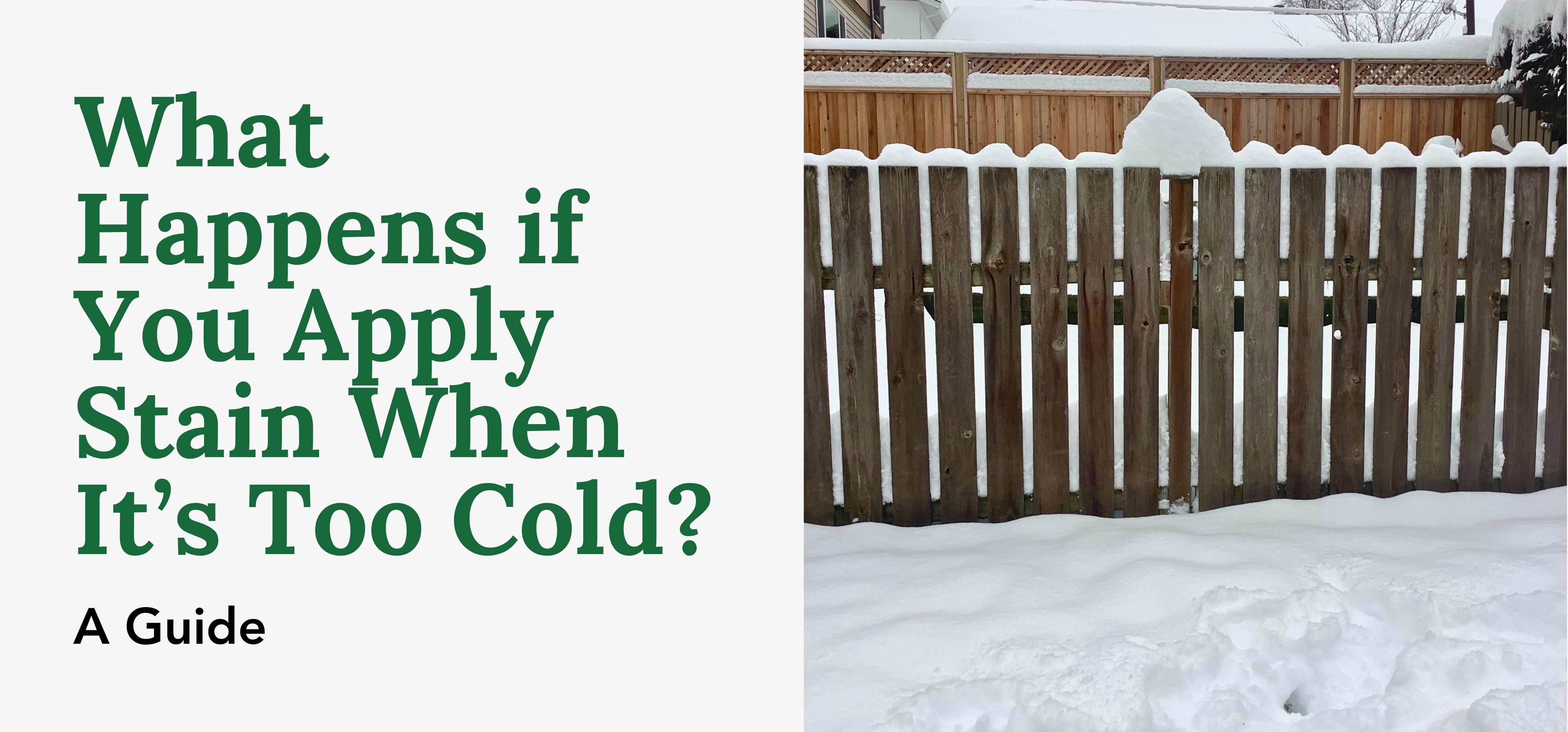
What Happens If You Apply Stain When It’s Too Cold: Risks & Tips
Have you ever planned a DIY project, only to be thwarted by the weather? You’re not alone.
If you’ve found yourself staring at your deck or wooden furniture, stain brush in hand, with temperatures dropping, you might be wondering: what happens if you apply stain when it’s too cold? Understanding the impact of temperature on staining can make all the difference between a flawless finish and a disappointing result.
We’ll dive into what you need to know to avoid common pitfalls and ensure your hard work pays off. Stick around, because a little knowledge now can save you from a big headache later.
Credit: fencearmor.com
Effects Of Cold Weather On Wood Stain
Cold weather slows down drying time for wood stain. This can cause delays in your project. The stain may not dry properly. It stays sticky longer. It may even freeze. When the temperature is low, stain molecules move slowly. This makes drying take longer. You might need more patience. You may need to wait many hours.
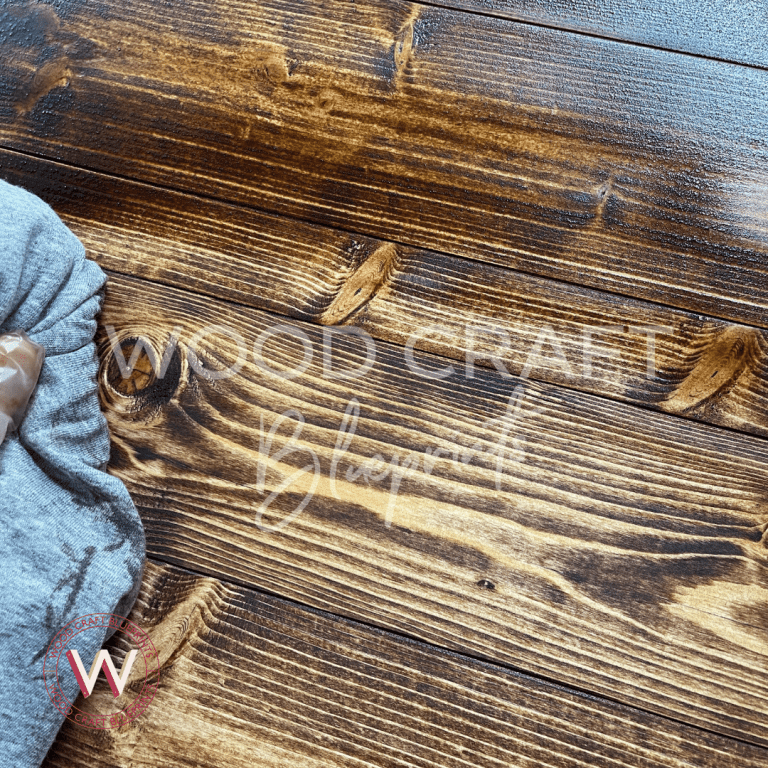
Cold can change the stain’s color. The finish may look uneven. The color might be lighter than expected. It can even be patchy. Cold weather can cause the stain to penetrate less into the wood. This leads to a different finish. The texture might feel rough. The surface might not shine. It might not be as smooth.
Risks Of Staining In Cold Conditions
Staining when it’s too cold can cause incomplete adhesion. The stain may not stick well to the wood. This can lead to peeling or flaking. The surface may look uneven and patchy. The wood might not be protected from damage. This makes it wear out faster.
Cold, damp conditions can cause mold growthon stained wood. Mold loves wet and chilly places. Stains may trap moisture if not dry. This can make the wood rot over time. Mold is hard to remove and can be unhealthy.
Identifying The Right Temperature
Staining wood needs a warm day. The best temperature is between 50°F and 90°F. This helps the stain dry well. Cold weather makes the stain sticky. It won’t dry right. The wood looks bad if not dried well. Cold air slows drying time. Stain can also crack when cold. Always pick a warm day for staining. This avoids problems.
Check the weather before staining. Rain or snow
Preparing For Cold Weather Staining
Cold weather makes staining tricky. Some stains are better for cold. Oil-based stains work well when it’s cold. Water-based stains might not dry properly. They can freeze in low temperatures. Always check the product label. It tells the best temperature for use. Choose products designed for cold conditions. These work best below 50°F.
Clean the surface before you stain. Dirt can cause problems. Use a brush or cloth to remove dust. Make sure the surface is dry. Wet surfaces can ruin the stain. Cold weather makes drying take longer. Check the weather forecast. Pick a day with no rain or snow.
Techniques To Improve Staining Results
Using Heaters and Fanscan be effective. Cold air slows down stain drying. Place a heater nearby. It raises the temperature. Use fans to circulate warm air. This speeds up the drying process. Good airflow helps the stain set properly. Ensure the air is not too hot. This can cause uneven drying. Consistent temperature is key. Always monitor the conditions.
Applying Multiple Coatsmay improve results. Cold weather affects stain absorption. Thin coats dry better. Apply a second coat if needed. Let each coat dry completely. Check for even coverage. More coats can enhance the finish. Avoid thick layers; they take longer to dry. Patience is necessary. Follow the product instructions. This ensures the best outcome.

Credit: www.weatherall.com
Avoiding Common Mistakes
Every stain product has its own temperature guidelines. Check the label for the right temperature range. Most stains need warmth to dry properly. Applying stain in the cold can cause uneven drying. This makes the surface look patchy. Always follow the manufacturer’s instructionsfor best results.
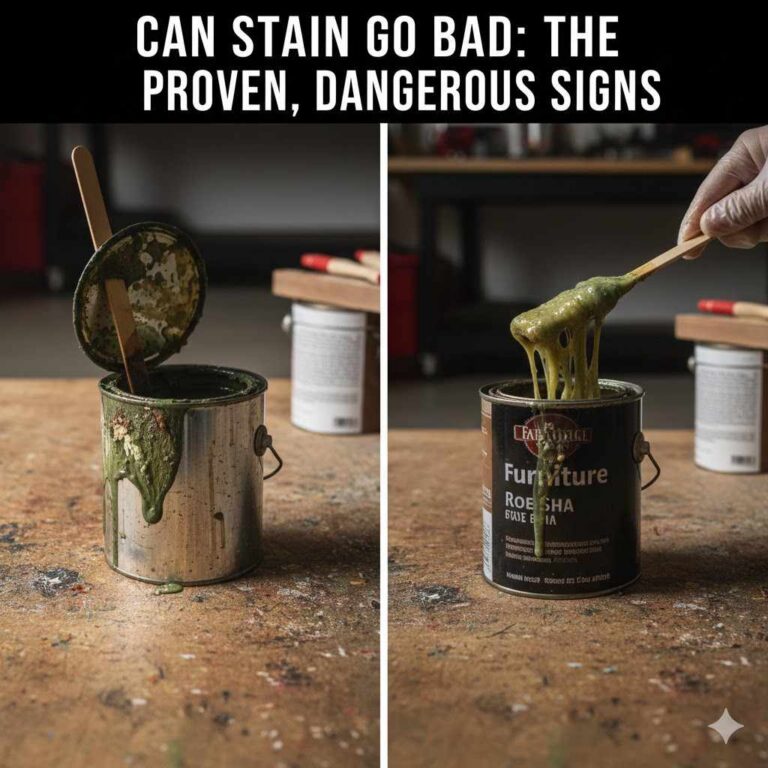
Cold weather can cause stains to dry slowly. This leads to sticky surfaces. You might also see spots or bubbles. These are signs of bad application. Stains might not stick well. The surface may peel or crack later. Always check the weather before starting.
Maintenance After Staining
Cold weather can ruin stain applications, causing uneven drying and poor adhesion. This leads to peeling and blotchy finishes. Proper maintenance helps prevent these issues, ensuring a smooth, long-lasting result on your surfaces.
Regular Inspections
Inspect stained surfaces often. Look for cracks, peeling, or discoloration. Check edges and corners carefully. These areas can wear out faster. Use a flashlight for better visibility. Find problems early. This helps prevent major damage.
Touch-up Procedures
Small touch-ups keep surfaces looking fresh. Use the same stain color for repairs. Apply a thin layer evenly. Let it dry properly. Cold weather can slow drying. Avoid staining on very cold days. Use a soft brush for smooth application. Protect nearby areas from splashes. Regular touch-ups extend the life of the stain.
Credit: fencearmor.com
Frequently Asked Questions
What’s The Lowest Temperature You Can Stain Wood At?
Stain wood at a minimum temperature of 50°F (10°C). Colder conditions can affect stain absorption and drying. Ensure the wood surface is clean and dry for optimal results. Always follow the specific product instructions for best outcomes.
Will Stain Dry In 40 Degree Weather?
Stain may take longer to dry in 40-degree weather due to lower temperatures. Ensure proper ventilation to speed up drying. Use oil-based stains for better results in cooler conditions. Test a small area first to check drying time.
What Happens If A Stain Freezes Before It Dries?
A stain freezing before drying can cause it to set permanently, making removal difficult. The stain’s chemical composition may alter, reducing the effectiveness of cleaning agents. To prevent lasting damage, address stains promptly and avoid freezing conditions until fully dry.
Can I Stain Wood At 50 Degrees?
Staining wood at 50 degrees is possible but not ideal. Cool temperatures can slow drying time and affect stain absorption. For best results, stain wood when temperatures are between 70-80 degrees, ensuring optimal drying and penetration. Always check the stain manufacturer’s guidelines for temperature recommendations.
Conclusion
Applying stain in cold weather leads to poor results. Cold temperatures slow drying. This can cause uneven surfaces and sticky finishes. A blotchy appearance might also occur. It’s crucial to check the weather forecast. Choose a warmer day for staining.
This ensures better absorption and finish. Following these tips saves time and effort. Your project will look better and last longer. Warm conditions make a big difference. Always consider the temperature before starting. Happy staining!