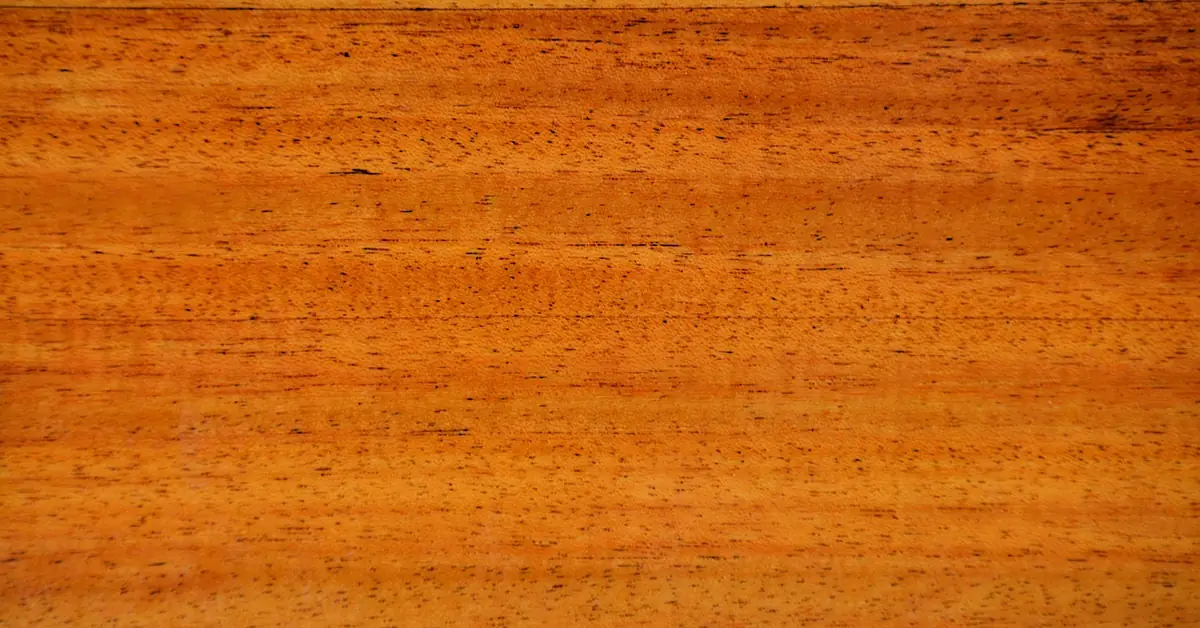
How to Lighten Mahogany Wood (What Bleach Can and Can’t Do)
To lighten mahogany wood, strip the finish, sand to bare wood, and use a two-part A/B peroxide bleach; oxalic acid only removes stains and will not lighten the wood itself. Even then, bleach shifts mahogany toward a lighter golden-tan rather than blond, and the result varies board to board. This guide covers which bleach fits which goal, the step-by-step method with safety rules drawn from manufacturer labels, safety data sheets and government hazard sheets, and four gentler alternatives.
What Bleach Can and Can’t Do on Mahogany
Best Mahogany Bleach Pick | |
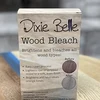 |
Dixie Belle Wood Bleach Kit, 2-Part A/B ($20.45) A two-part A/B kit whose box says it lightens raw or stripped wood, the kind of color-removing bleach the method below uses on bare mahogany.
|
As an Amazon Associate we earn from qualifying purchases.
Mahogany’s red-brown comes from the wood itself, not just the old stain, so only a bleach that removes natural color will lighten it. Fine Woodworking’s guide to using wood bleach names mahogany as an example of natural color that two-part peroxide bleach removes well, while the same bleach performs poorly on dye stains.
Here is the honest range of results. Bleach can pull mahogany toward a lighter golden-tan, and the Zinsser data sheet says the amount of bleaching varies with the type of wood and the length of treatment. It cannot turn mahogany blond or white, it cannot evenly match two boards that started different, and some woodworkers report that it leaves the wood flatter and less lustrous than before (a forum-level observation, not a lab result). Plan on a lighter, calmer color and then a finish that suits it.
Label timings: 5 minutes for Solution A on soft woods, 10 minutes on hardwoods, then Solution B while wet and an overnight dry. Dixie Belle’s product page gives the same timings for its kit. Source: Zinsser Wood Bleach technical data sheet
If what you really want is a naturally pale wood, bleaching a dark species is the hard road. Our guide to what blondewood is covers species that start light, and the mahogany vs sapele comparison helps if you are still choosing a wood for a new project.
Pick the Method by Goal
Most failed attempts come from using the wrong chemical for the job. This table matches the goal to the method, using what the manufacturer and woodworking sources say each one does.
| Your goal | Method | What it does to mahogany | Watch out for |
|---|---|---|---|
| Remove an old finish and see the bare color | Chemical stripper plus sanding | Reveals the wood’s own color; no lightening | Old paint can contain lead dust (label warning) |
| Lighten the natural red-brown | Two-part A/B peroxide bleach | Removes natural color; amount varies with wood and time | Both parts corrosive; repeat for lighter |
| Remove dark water or iron stains | Oxalic acid | Returns wood to its original color; does not lighten overall | Glass or ceramic container, never metal |
| Remove a dark dye stain | Chlorine-type bleach | Fine Woodworking says chlorine bleaches eliminate dye colors | Does not take out mahogany’s natural color |
| Look lighter without removing color | Lighter-tinted finish, white wax or pickling | Tints the surface only | Always test on scrap first |
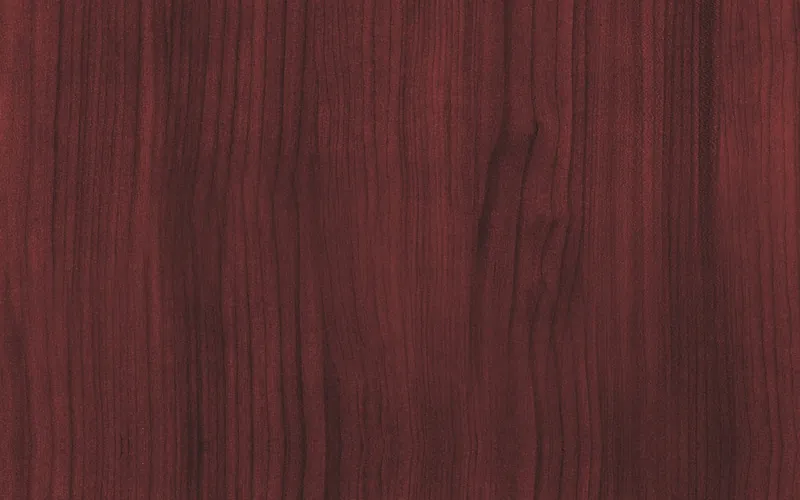
Two of these methods have their own full guides on this site. See how to use wood bleach for the three bleach types side by side, and how to bleach wood for general steps. If the wood is oak rather than mahogany, bleaching oak wood is the better fit.
Safety First: What the Label and SDS Say
Two-part wood bleach is not a gentle product, and hazard numbers belong to a specific product, so here is where each piece of information comes from. For the Dixie Belle kit in the box above, its product page asks for chemical-resistant gloves, PPE clothing, safety goggles and adequate ventilation, but it links no safety data sheet and lists no ingredients or first-aid steps, so we could not read that kit’s SDS (the maker lists a phone number, 813-909-1962, on its site). The hazard table below instead comes from the Zinsser two-part kit, which uses the same sodium hydroxide and hydrogen peroxide chemistry and publishes its technical data sheet and safety data sheet. Treat it as a worked example, not as the Dixie Belle numbers: strengths and hazards may differ, so read the label and SDS of the exact kit you buy before opening it. General hazard statements are checked against New Jersey Department of Health hazard fact sheets for sodium hydroxide and hydrogen peroxide.
| Item (Zinsser kit SDS) | Part A | Part B |
|---|---|---|
| Ingredients listed | Sodium hydroxide 2.5 to 10 percent, borax decahydrate 2.5 to 10 percent, sodium silicate 1 to 2.5 percent (by weight) | Hydrogen peroxide, 10 to 25 percent by weight |
| Key hazards on the SDS | Causes severe skin burns and eye damage; may damage fertility or the unborn child (the SDS ties that reproductive warning to the borax ingredient, not the sodium hydroxide) | Causes severe skin burns and eye damage; harmful if inhaled. The kit ships as a corrosive and oxidizing liquid (hazard classes 8 and 5.1), and the hydrogen peroxide ingredient carries an oxidizer warning |
| Incompatible with | Strong oxidizing agents, strong acids, strong alkalies; slowly corrodes copper, aluminum, zinc and galvanized surfaces | Same list as Part A in the SDS |
- Protection: Zinsser’s data sheet calls for safety goggles, chemical-resistant gloves, and old clothes and shoes, and says the product is for indoor use only with adequate ventilation. Dixie Belle’s page likewise asks for chemical-resistant gloves, PPE clothing, goggles and ventilation.
- Never mix other products in: the Zinsser SDS lists strong acids, strong alkalies and strong oxidizing agents as incompatible. The New Jersey Department of Health sheets add that hydrogen peroxide reacts violently with strong bases such as sodium hydroxide and with oxidizers such as chlorine and is not compatible with ammonia, and that sodium hydroxide reacts with strong acids and is not compatible with chlorine, ammonia or organic materials. So use the parts only the way the directions say (Solution B onto the still-wet Solution A on the wood), never pre-mix them in a bottle or bucket, and never add vinegar, ammonia, chlorine bleach or any other cleaner or stripper residue.
- Metal and containers: the Zinsser SDS says the product slowly corrodes copper, aluminum, zinc and galvanized surfaces, and the New Jersey sodium hydroxide sheet says it reacts with aluminum, lead, tin and zinc to form flammable hydrogen gas. Keep both parts off metal tools and out of metal pans, and use the original bottles and new sponges.
- If it touches you: the Zinsser SDS says to flush eyes or skin with plenty of water for at least 15 minutes (eyelids held open for eyes, contaminated clothing removed for skin) and get medical attention. The New Jersey sheets for pure sodium hydroxide and pure hydrogen peroxide say 30 minutes for eyes, so keep flushing until help takes over. For swallowing, do not induce vomiting and call Poison Control at 1-800-222-1222 or a physician.
- Spills: the SDS says to contain liquid with sand or earth, not sawdust or other combustible material, and to avoid runoff into sewers and waterways. The New Jersey hydrogen peroxide sheet warns that peroxide may ignite combustibles such as wood, paper and oil.
- Storage and disposal: the Zinsser SDS says to store dry, ventilated, tightly closed and locked up. It also says discarded material could count as hazardous waste because of corrosivity (RCRA code D002), so check your state and local disposal rules before pouring anything out.
- Old paint: if you scrape or sand old paint off an antique, the Zinsser data sheet warns of lead dust and says to wear a NIOSH-approved respirator and clean up with a HEPA vacuum and a wet mop.
Stripping Mahogany Wood and Prep
Bleach only works on bare wood. A film of varnish, lacquer or wax blocks it and gives a blotchy result, so the finish has to come off completely. Use a chemical stripper according to its own label, scrape the softened finish, then sand with progressively finer paper until the whole surface looks like fresh wood.
The Zinsser data sheet adds three prep rules: wash off dirt, oil and grease with soap and water and let the wood dry thoroughly, vacuum up all sanding dust, and wipe glue or grease with mineral spirits on a rag. If the finish was a stain rather than a clear coat, our guide on lightening stained wood covers what comes off and what stays.
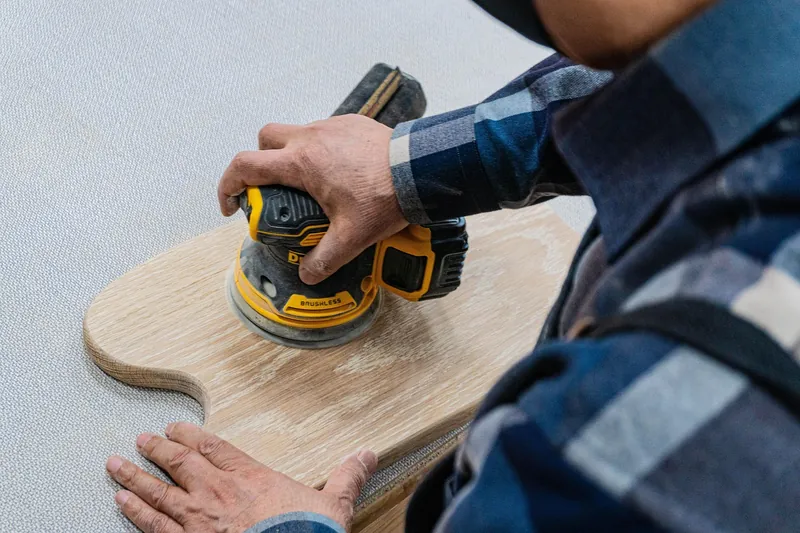
How to Lighten Mahogany With Two-Part A/B Bleach
These steps follow the Zinsser data sheet, with a few common-sense additions. Work in a ventilated room, lay a solvent-resistant drop cloth, and use a fresh sponge for each solution.
- Clean the surface: Wash off dirt, oil and grease with soap and water, rinse, and let the wood dry thoroughly, as the Zinsser data sheet directs.
- Strip and sand to bare wood: Remove the old finish with a chemical stripper used per its own label, then sand until the surface is uniform bare mahogany with no patches of finish left.
- Remove sanding dust: Vacuum the dust and wipe any glue or grease with a clean rag dampened with mineral spirits.
- Test on a hidden spot: Bleach a scrap or an out-of-sight area first and let it dry to see the real shade before you commit.
- Apply Solution A: Saturate the area with a new sponge and let it stand 5 minutes on soft woods or 10 minutes on hardwoods such as mahogany.
- Apply Solution B: While the surface is still wet, apply Solution B over Solution A with a second sponge, then let it stand overnight to dry.
- Sand lightly and repeat if needed: Sand lightly to remove residue, then repeat the process if you want a lighter shade.
- Finish and seal: Test your chosen finish on a bleached scrap, then seal the bare wood so it is protected.
Two notes on the steps. First, the data sheet does not describe a separate neutralizing step for this kit; it says to sand lightly after the overnight dry. Other makers do require a rinse or neutralizer, so always follow the directions on the product in your hand. Second, a wet bleach can raise the grain, which is why the light sanding afterward matters before any finish goes on.
If a pink or red cast comes back as the wood dries, see our guide to neutralizing red tones in wood. Once the color is where you want it, bare mahogany needs protection, and the mahogany wood durability guide explains what the wood tolerates over time.
Oxalic Acid: Stain Remover, Not a Lightener
Oxalic acid is the product people most often confuse with wood bleach. RMP Finishes describes its oxalic acid as returning wood to its original color, unlike two-part bleaches that lighten the wood overall, and its main job is removing iron stains. That makes it the right tool for a black water ring or rust mark on mahogany, and the wrong tool for making the whole piece lighter. See how to remove rust stains from wood for that job.
RMP’s directions give 2 tablespoons per quart of hot water for small jobs, a borax rinse of 2 tablespoons per quart of water afterward, repeated clean-water rinsing, and a glass or ceramic container rather than metal. They also call for rubber gloves, eye protection and good ventilation. Oxalic acid is a hazardous chemical in its own right: the New Jersey Department of Health fact sheet calls it corrosive, able to burn skin and eyes, and says to flush eyes for at least 30 minutes, while the NIOSH Pocket Guide lists kidney damage among the effects of overexposure. The same sheet lists strong bases such as sodium hydroxide as incompatible, so never combine oxalic acid with the two-part bleach, and rinse the wood thoroughly between treatments. Check the instructions and safety data sheet for the specific oxalic acid you buy, since this page does not replace them.
Alternatives If You Do Not Want to Bleach
- Wood dye over bare wood: dye lets you set the tone you want after sanding; dye vs stain for wood explains the difference.
- White wax or pickling: a whitish tint rubbed into bare grain softens the red without removing it; our whitewashing dark wood furniture guide shows the technique.
- A lighter-tinted finish: sanding off only the old stain and sealing with a clear or lightly tinted finish keeps more of the original color but avoids caustic chemicals entirely.
- Accepting the red: mahogany’s color is a feature, and the characteristics of mahogany wood explain why many projects are better left warm.
Lightening Mahogany Veneer
Veneer is a thin slice of mahogany glued over another material, so it leaves little room for error. Sand gently, test the bleach on an out-of-sight spot, and stop if you see the glue line or the wood beneath. This is editorial judgment rather than label guidance, since the data sheet does not address veneer. When in doubt, choose a tinted finish over repeated bleaching.
“Amount of bleaching will vary with the type of wood and length of treatment time.”
Frequently Asked Questions About How to Lighten Mahogany Wood
Can mahogany be lightened?
Yes. Strip the finish, sand to bare wood and use a two-part A/B peroxide bleach, the type Fine Woodworking says removes natural wood color. Expect a lighter golden-tan, not a blond or white result, and test on a hidden area first.
Does oxalic acid lighten mahogany?
Not really. Oxalic acid is sold to remove iron and water stains and returns wood to its original color. It will not remove mahogany’s own red-brown, so for a lighter wood you need a two-part sodium hydroxide and hydrogen peroxide bleach.
How long does two-part wood bleach take on mahogany?
For the Zinsser kit, Solution A stands 10 minutes on hardwoods, Solution B goes on while the surface is wet, and the wood dries overnight. Sand lightly afterward and repeat the process if you want it lighter.
Do you have to neutralize wood bleach?
The Zinsser data sheet gives no separate neutralizing step; it says to sand lightly after the overnight dry. Other products do call for a rinse or neutralizer, so follow the directions printed on the bleach you buy.
Can you lighten mahogany veneer?
It can be done with the same method, but veneer is a thin layer, so sand gently and test on a hidden spot first. If the sander reaches the glue line or the layer beneath, stop and use a tinted finish instead of more bleach.
Is wood bleach dangerous?
Yes. The Zinsser safety data sheet for a comparable two-part kit lists both parts as causing severe skin burns and eye damage, and hydrogen peroxide is a strong oxidizer. Wear chemical-resistant gloves and goggles, work with ventilation, never mix the parts with other products, and flush skin or eyes with water for at least 15 minutes after contact. Read the safety data sheet for the exact kit you buy.
Conclusion
Mahogany can be lightened, but only with a bleach that removes natural color, only on fully stripped wood, and only to a lighter golden-tan rather than blond. Match the method to your goal, test on scrap, follow the label and safety data sheet of the exact product you buy, and treat both bleach parts as corrosive chemicals. If that sounds like more risk than the project deserves, a dye, white wax or lighter finish gets you most of the visual change safely.
Sponsored / affiliate links. As an Amazon Associate I earn from qualifying purchases. I may earn additional commission from eligible campaigns.