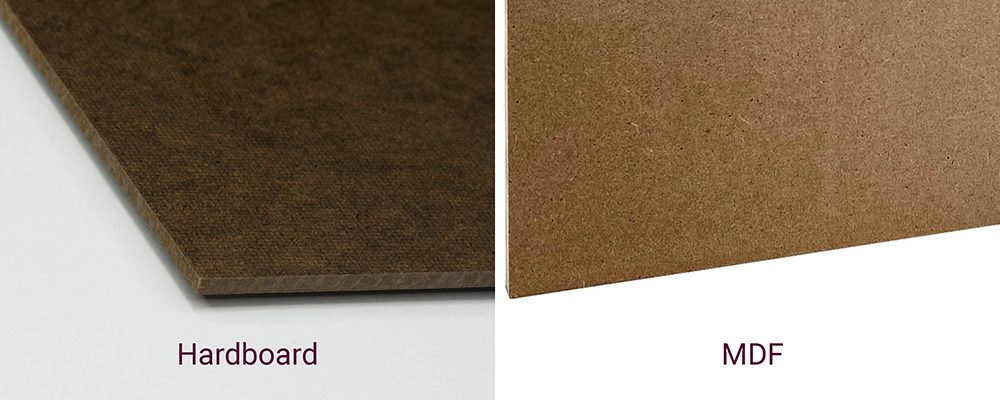
What is the Difference between MDF And Hardboard: Explained
Are you planning a home improvement project or considering new materials for your next DIY creation? Choosing the right material can feel overwhelming, especially with so many options available.
You might have heard about MDF and hardboard, but what exactly sets them apart? This is where making an informed choice becomes crucial. Understanding the difference between MDF (Medium Density Fiberboard) and hardboard can save you time, money, and a lot of headaches.
By the end of this article, you’ll have a clear picture of which material best suits your needs, ensuring your project turns out exactly how you envision it. Dive in to discover the unique features, benefits, and potential drawbacks of each, and make your decision with confidence.
Material Composition
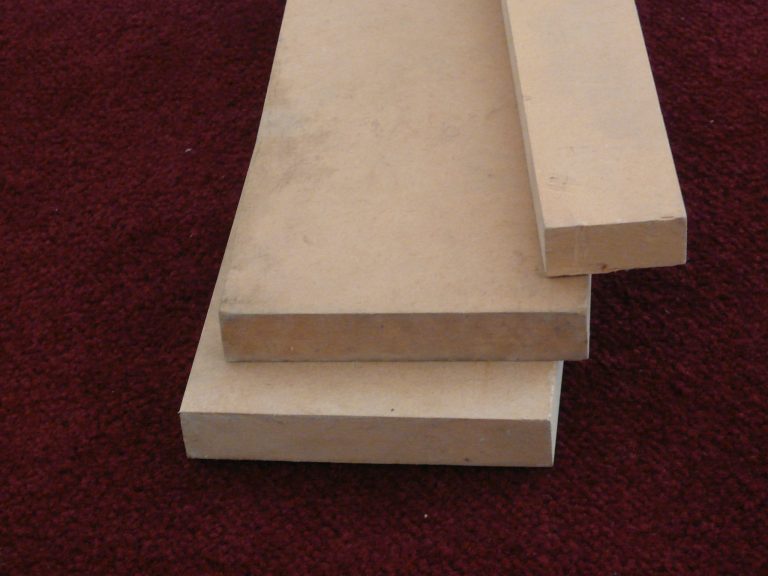
MDF uses fine wood fibers. These fibers make the board smooth.
Hardboard uses compressed wood fibers. It has a rough surface.
MDF is softer, while hardboard is denser.
Both are made from wood waste.
This makes them eco-friendly.
MDF is easier to cut. Hardboard is more durable.
MDF contains wax and resin. These agents keep it firm.
They make MDF strong and stable.
Hardboard uses natural lignin. This binds the fibers tightly.
MDF needs glue for strength. Hardboard relies on pressure.
MDF is used for furniture. Hardboard suits flooring.
Both have unique uses.

Credit: greenfiberhardboard.com
Manufacturing Process
MDF uses high pressure to press wood fibers together. These fibers mix with resin. This makes a smooth board. Hardboard uses even higher pressure. This pressure creates a dense board. Hardboard’s surface is often rougher. It is very strong.
MDF boards dry in ovens. This process is quick. Hardboard dries naturally. It takes longer. Air helps it dry. This makes hardboard tougher. The drying process affects the board’s strength.
Density And Weight
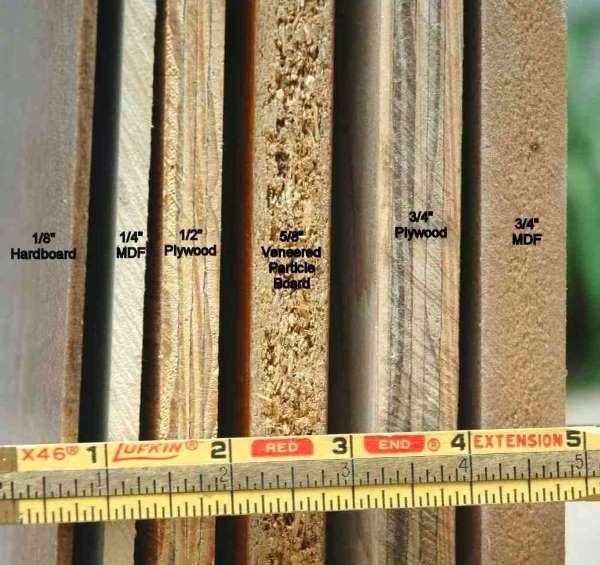
MDF and hardboard are types of engineered wood. MDF, or Medium-Density Fiberboard, has a less dense structure. Hardboard is denser and more compact. This makes hardboard stronger than MDF. The density affects their uses. MDF is easier to cut and shape. Hardboard is tougher and resists bending.
The density difference impacts weight. MDF is lighter than hardboard. This makes MDF easier to handle. Hardboard’s weight can be a challenge. Heavy projects may be harder to move. Lighter MDF suits smaller projects. Hardboard suits heavy-duty tasks. Choose based on project needs.
Credit: www.skirting4u.co.uk
Surface Finish
MDF has a very smooth surface. This makes it great for painting. It is also easy to cut. You won’t find any splinters. This is because of its fine particles.
Hardboard is different. It has a denser texture. The surface can be smooth or rough. This depends on the side you use. One side is often smoother. The other side is rough. It is not as easy to paint.
MDF is smoother than many other boards. It is often used for furniture. You can paint it easily. It looks very neat.
Hardboard is smoother on one side. The other side is rough. It is best for backing or underlayment. Not as smooth as MDF.
MDF has a uniform texture. It is made from small wood fibers. This gives it a consistent look.
Hardboard can be different. One side is very smooth. The other side can be rough. This makes it unique. It has varied uses.
Durability
MDF and hardboard differ in how they handle knocks and bangs. MDF is softer. It can dent easily. Hardboard is tougher. It resists impacts better. MDF is good for indoor use. Hardboard suits places with more wear and tear. Stronger surfaces are needed in busy areas. Hardboard is often chosen.
Moisture can be a problem. MDF does not like water. It swells and breaks. Hardboard is better with moisture. It can handle damp places. Bathrooms and kitchens need moisture resilience. Hardboard is often used there. MDF is okay in dry areas. Protect MDF from water. Use sealed finishes for safety.
Applications
MDF is great for making furniture because it is smooth. It is easy to cut and shape. It also paints well. Hardboard is strong and thin. It is used for the back of cabinets. Both materials are affordable. They are often used in budget furniture. MDF is more popular for making tables and shelves. Hardboard works well for drawer bottoms. These materials help make furniture durable and stylish.
Crafting is fun with MDF. It’s easy to use and cut. You can make toys and models. Hardboard is good for crafts too. It is thin and flexible. Both are perfect for DIY projects. Make signs, frames, and decorations. They are easy to paint. They are also easy to glue. These materials are great for beginners. They make crafting simple and enjoyable.
Cost Considerations
MDF and hardboard have different price ranges. MDF is often more affordable. It costs less than many other woods. Hardboard can be a bit pricier. It depends on the thickness and quality.
Both materials provide good value for money. MDF is easy to work with. It is also smooth and consistent. Hardboard is strong and durable. It lasts a long time.
Credit: www.cabinetcity.net
Frequently Asked Questions
When Should You Not Use MDF?
Avoid MDF in high-moisture areas like bathrooms and kitchens. It’s unsuitable for outdoor use due to moisture damage. MDF isn’t ideal for heavy loads or structural applications. Opt for solid wood for durability and strength. Choose materials based on specific needs and environmental conditions.
What Are The Cons Of Hardboard?
Hardboard is prone to water damage and swelling. It lacks structural strength for heavy loads. The surface can scratch easily. It’s not suitable for outdoor use due to moisture sensitivity. Hardboard can emit volatile organic compounds (VOCs), affecting indoor air quality.
What Is Hardboard Best Used For?
Hardboard is ideal for furniture backing, cabinetry, flooring underlayment, and decorative panels. It offers durability and smooth surfaces. It’s also used in crafting and model making due to its versatility and ease of cutting. Its affordability makes it a popular choice for various DIY projects.
What Is Another Name For Hardboard?
Hardboard is often called Masonite. This engineered wood product is made from compressed wood fibers. It is known for its durability and smooth surface, making it popular for various applications like furniture and construction.
Conclusion
MDF and hardboard each have unique qualities. MDF is denser and smoother. It’s great for painting and detailed work. Hardboard is thinner but strong. It works well for furniture backing. Both serve different purposes in projects. Choose MDF for precise finishes.
Opt for hardboard for durability and affordability. Understanding these differences helps in making better decisions. This knowledge ensures you pick the right material. Your project needs guide the best choice. MDF and hardboard both offer value. Selecting wisely enhances your project’s outcome.