What is the Ph of Wood Ash? Uncover Its Secrets!
Have you ever wondered about the mysterious properties of wood ash? Whether you’re a gardening enthusiast or just someone curious about natural materials, understanding the pH of wood ash can open up a world of possibilities.
Imagine unlocking the potential to enhance your garden’s health with a simple, natural resource. By delving into the pH of wood ash, you’ll discover how it can be a game-changer for your soil and plants. Ready to uncover the secrets behind this everyday substance and learn how it can benefit you?
Keep reading to discover how the pH of wood ash can transform your gardening experience and beyond.

Credit: www.thesmartergardener.com
PH Characteristics Of Wood Ash
Wood ash often has a high pH level. This means it’s alkaline. The pH usually ranges from 9 to 11. It can help neutralize acid in soil. Farmers use it to improve soil health. Gardens can benefit from wood ash. It provides essential minerals. These include calcium and potassium. Wood ash also contains trace elements. These are important for plant growth.
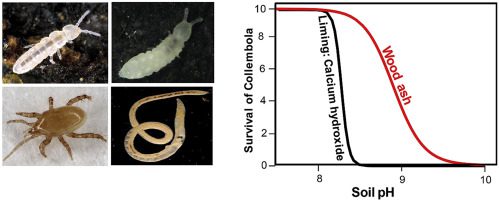
Not all wood ash is the same. The type of wood affects its pH. Hardwood ash has a higher pH than softwood ash. Always check the pH before using it. Too much can harm plants. It’s best to mix it with compost. This balances the pH. Avoid using ash from painted wood. It can be toxic to plants. Use wood ash wisely for a healthy garden.
Credit: thepolycultureproject.medium.com
Chemical Composition
Wood ash is made of several elements. These include calcium, potassium, and magnesium. Calcium is the most common. It helps neutralize acidic soil. Potassium is another key element. It supports plant growth. Magnesium is also present. It helps plants make food using sunlight. Together, these elements are vital for healthy soil.
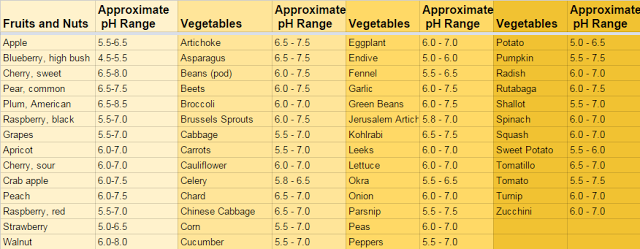
The Ph level of wood ash is usually high. This means it is basic, not acidic. Adding wood ash to soil can raise its Ph level. This can make the soil less acidic. Many plants prefer less acidic soil. So, wood ash can help plants grow better. But too much wood ash can be bad. It might harm the soil and plants. So, use it carefully.
Factors Affecting Ph
Different types of wood can change the pH of ash. Softwoods like pine and fir often make ash with a higher pH. Hardwoods like oak and maple can result in a lower pH. Each tree type has different minerals. These minerals affect the final pH level.
How wood burns also affects the ash’s pH. Faster burning at high temperatures usually makes more alkaline ash. Slow burning or incomplete burning might lead to a less alkaline ash. The combustion process changes the chemical makeup of the ash.
Testing Wood Ash Ph
Measuring the pH of wood ash can be done using a pH meter. This device gives a digital reading. It shows the acidity or alkalinity of wood ash. Another method is using pH test strips. These strips change color. You compare the color with a chart. This tells the pH level. Both methods are easy. They help in understanding the ash’s properties.
Accuracy is crucial when measuring wood ash pH. Keep the tools clean. Dirty tools can affect readings. Use fresh samples of ash. Old ash might give wrong results. Always check the tools. Make sure they work well. Good tools give accurate results. Accurate results help understand soil health.
Applications In Agriculture
Wood ash is rich in nutrients like calcium and potassium. These nutrients help plants grow strong. Farmers often add wood ash to their soil. This makes the soil better for plants. The soil becomes more fertile. Plants can get more food from the soil. Wood ash also helps the soil hold more water. This is good for plants, especially in dry places.
Wood ash can change the pH of soil. It makes acidic soil less acidic. This is important for many crops. Most plants do not like very acidic soil. They grow better in soil with a balanced pH. Using wood ash can improve plant health. It can also increase crop yield. Farmers benefit from better harvests.
Environmental Impacts
Wood ash can change soil and water. It makes soil more alkaline. This means soil gets less acidic. Plants might grow better in alkaline soil. But too much ash can harm plants. It can change water too. Ash can make water less acidic. Fish and other animals live in water. They need balanced water to survive.
Sustainability concerns arise with using wood ash. It can help soil. But using too much ash is risky. It might harm the environment. People should be careful. Balancing use of ash is important. It helps nature stay healthy.
Comparing Wood Ash To Other Materials
Lime and wood ash both help in making soil less acidic. Lime is a common choice for farmers. It is made from crushed limestone. Wood ash comes from burned wood. Both can change soil pH. Lime works slower but lasts longer. Wood ash works fast but needs more care. It can burn plants if used too much. Always check soil needs before use.
Many products in stores help change soil pH. They are easy to use. Some come in bags or bottles. Commercial products can be more expensive. They often have clear instructions. These products can be less risky than wood ash. They are made for safe and easy use. Always read the label before using them.
Frequently Asked Questions
Is Wood Ash A Base Or Acid?
Wood ash is a base. It contains alkaline compounds like calcium carbonate. These compounds increase soil pH levels. Gardeners often use wood ash to neutralize acidic soils. Always apply it carefully, as excessive use can harm plants.
Are Wood Ashes Good For Soil?
Wood ashes can benefit soil by raising pH levels and adding nutrients like potassium and calcium. Use sparingly, as excessive amounts can harm plants. Testing soil pH before application is essential to avoid over-liming. They are best suited for acidic soils.
What Plants Benefit Most From Wood Ash?
Wood ash benefits alkaline-loving plants like tomatoes, carrots, and garlic. It enriches soil with potassium and calcium. Use sparingly around acid-sensitive plants, avoiding acidic ones like blueberries or azaleas. Ideal for neutral or slightly acidic soil, wood ash enhances vegetable gardens and flowering plants.
Always test soil pH before application.
What Is The Ph Of Wood Dust?
Wood dust typically has a pH value ranging from 4 to 6. This slightly acidic nature depends on the wood type. Understanding pH is crucial for applications like gardening and manufacturing. Always test specific wood dust for accurate pH levels.
This ensures optimal usage and compatibility with other materials.
Conclusion
Wood ash offers a unique pH level, often around 10 to 12. This alkaline nature makes it useful in various applications. Gardeners use it to balance soil pH. It helps neutralize acidic soils, promoting healthy plant growth. Wood ash can also be a natural cleaning agent.
Always handle with care due to its high alkalinity. Understanding its pH helps in proper usage. Consider your needs and test soil before using. With careful application, wood ash can be beneficial. Its natural properties provide versatile uses. Explore possibilities and make informed choices.