Vic Ash Wood: Properties, Uses & Real Janka Hardness
Vic Ash isn’t a true ash at all – it’s Australian eucalyptus sold under an ash-like trade name. Despite the name, Victorian Ash comes from tall Eucalyptus trees (mainly Eucalyptus regnans and Eucalyptus delegatensis), not the Fraxinus species that “ash” usually refers to in North America and Europe. That mix-up matters if you’re comparing hardness, weight, or outdoor durability against true ash – the numbers aren’t the same species at all.
This guide covers what Vic Ash actually is, its real Janka hardness and density figures, how it compares to Tasmanian Oak (a name you’ll see used almost interchangeably with it), and where it makes sense – and doesn’t – in a woodworking project.
What Is Vic Ash Wood, Really?
“Vic Ash” (short for Victorian Ash) is a timber-trade name, not a botanical one. It’s applied to wood cut from several tall eucalypts native to Victoria and Tasmania – primarily Eucalyptus regnans (also called Mountain Ash), along with Eucalyptus delegatensis and sometimes Eucalyptus obliqua. Millers group these species together under the one trade name because the timber they produce looks and performs similarly once it’s milled: pale straw to pale pink heartwood, a fine, mostly straight grain, and comparable strength.
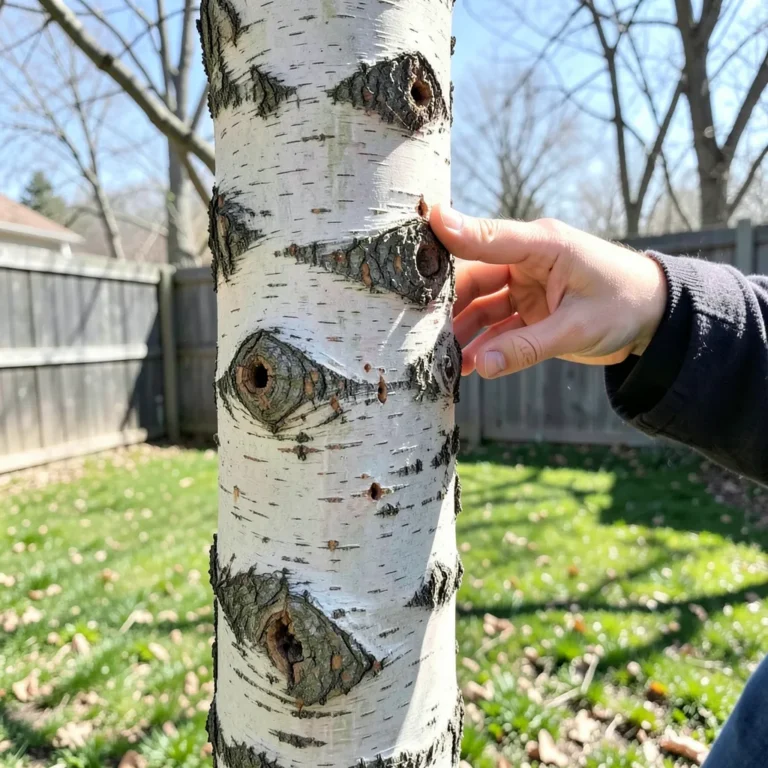
The “ash” in the name is a holdover from early European settlers, who thought the pale, straight-grained wood resembled the true ash (Fraxinus) timbers they knew from home. Genetically the two have nothing in common – eucalypts and ashes aren’t even in the same plant family. If you’re used to working with American white ash and pick up a board of Vic Ash expecting the same open, ring-porous grain, you’ll notice the difference immediately: Vic Ash has a much finer, tighter grain structure typical of eucalyptus hardwoods.
Vic Ash vs. Tasmanian Oak: What’s the Difference?
If you’ve shopped for Australian hardwood flooring or furniture stock, you’ve probably seen “Tasmanian Oak” listed right next to “Victorian Ash” – sometimes for boards cut from the exact same tree. Tasmanian Oak is a broader marketing term that covers the same three eucalypt species (E. regnans, E. delegatensis, E. obliqua) when they’re milled in Tasmania or graded to a slightly different standard. In practice, suppliers often use “Vic Ash” for stock sourced or milled in Victoria and “Tasmanian Oak” for stock from Tasmania, but the timber itself can be functionally identical. Neither name refers to oak (Quercus) or ash (Fraxinus) – both are regional marketing names for the same group of eucalypts, which is exactly why the naming trips up so many buyers outside Australia.
Janka Hardness, Density, and Strength
Vic Ash tests at roughly 4.5–5.5 kN on the Janka hardness scale used in Australia and New Zealand – a testing standard measured in kilonewtons (kN), not the pounds-force (lbf) rating most U.S. lumber charts use. That distinction matters: a “5.5” Janka rating in kN describes a medium-hard hardwood roughly comparable to American red oak, not a soft wood. Converted, it lands in the same performance range as red oak and a step below hard maple – hard enough for everyday flooring and furniture use, but not as dense as jarrah or spotted gum, two other Australian hardwoods.
Dry density runs around 650–680 kg/m³ (roughly 41–42 lb/ft³), with a modulus of rupture near 110 MPa. Australian timber standards also rate it Durability Class 4 for in-ground/outdoor exposure – the lowest durability class, meaning it has little natural resistance to rot and insect attack outdoors without treatment. That’s a real limitation worth flagging: Vic Ash is a strong, stable wood for indoor furniture, cabinetry, and flooring, but it’s not a naturally weather-resistant species the way teak, cedar, or ipe are.
Appearance and Grain
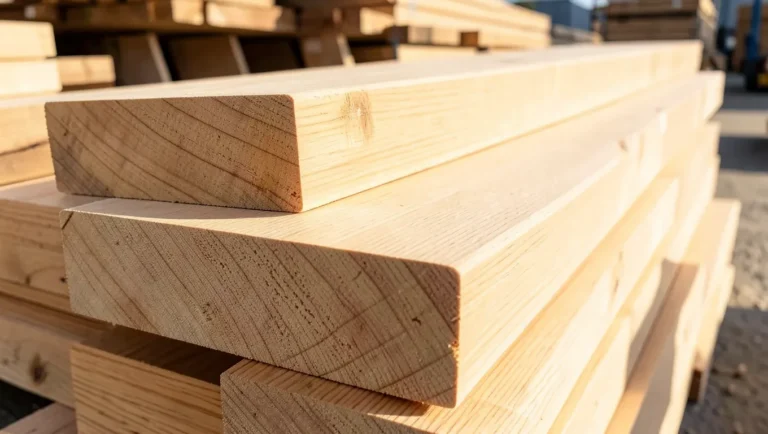
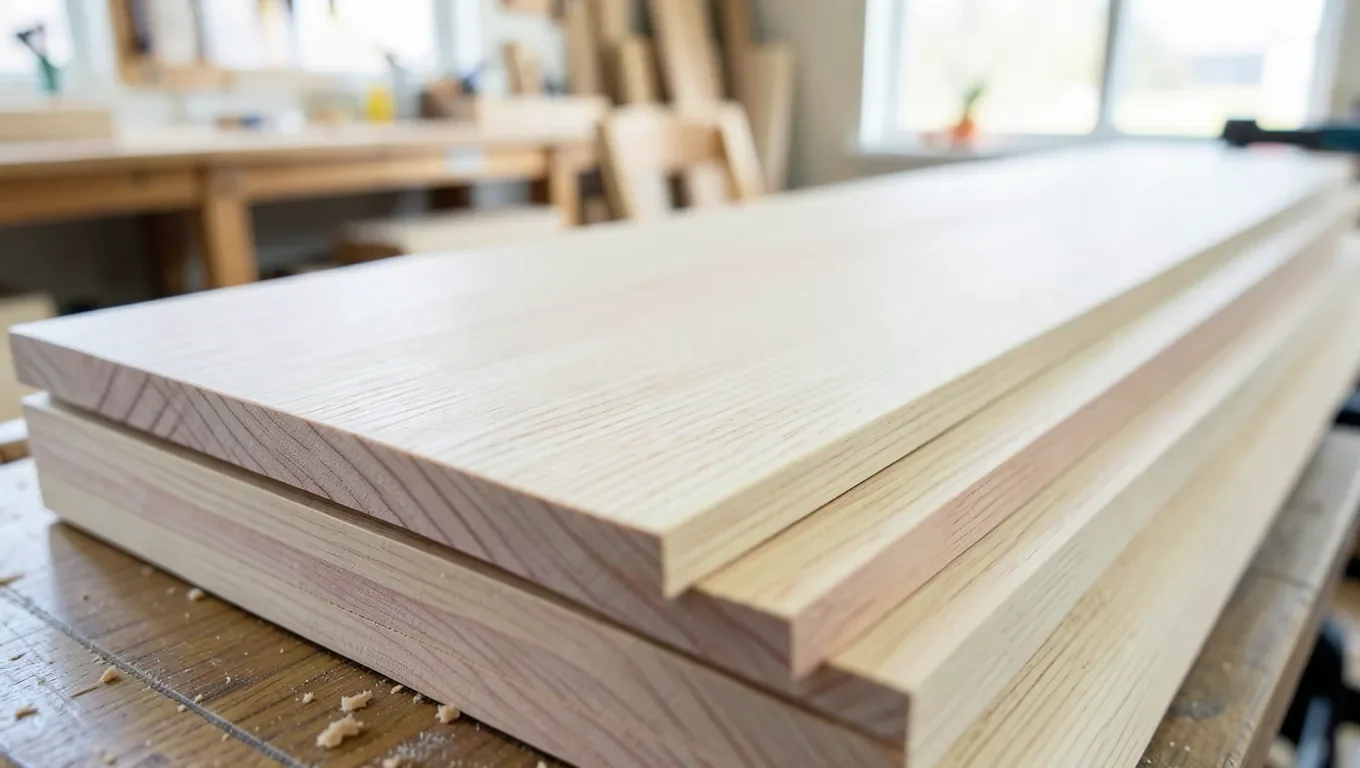
Freshly milled Vic Ash heartwood ranges from pale straw to a soft pinkish-brown, with sapwood that’s almost white. The grain is typically straight and fine, though slightly wavy or interlocked figure shows up often enough to be worth checking for before you buy, especially if you need boards to match across a large flooring or panel run. Because the color is light and fairly uniform, Vic Ash takes stain evenly and is a common choice when a project calls for a Scandinavian-style light-wood look rather than the darker tones of walnut or mahogany.
Finishing is straightforward: the wood absorbs both oil-based and water-based finishes well, and a clear protective finish will bring out the grain without darkening the wood much. Because it’s a diffuse-porous eucalyptus rather than a ring-porous species like true ash or oak, it doesn’t need a grain filler to get a smooth, closed finish.
Working With Vic Ash: Tools and Joinery
Vic Ash machines cleanly with sharp tools – it planes, routs, and sands to a crisp finish without excessive tear-out, though the occasional interlocked grain can chip on the offside if you’re planing against the grain direction. It holds screws and glue joints well and is a solid candidate for mortise-and-tenon and dovetail joinery, both of which are common in Vic Ash furniture and cabinetry. Because the wood is only moderately hard, hand-tool work (chisels, hand planes) is realistic even for hobbyist woodworkers, unlike genuinely dense species such as jarrah.
One practical note: Vic Ash can be prone to gum veins and occasional internal checking, a trait common to fast-growing eucalypts. Inspect boards before committing them to a visible face – a knot or gum pocket that’s fine buried in a stud isn’t ideal on a tabletop.
Best Uses for Vic Ash Wood
Vic Ash shows up most often in:
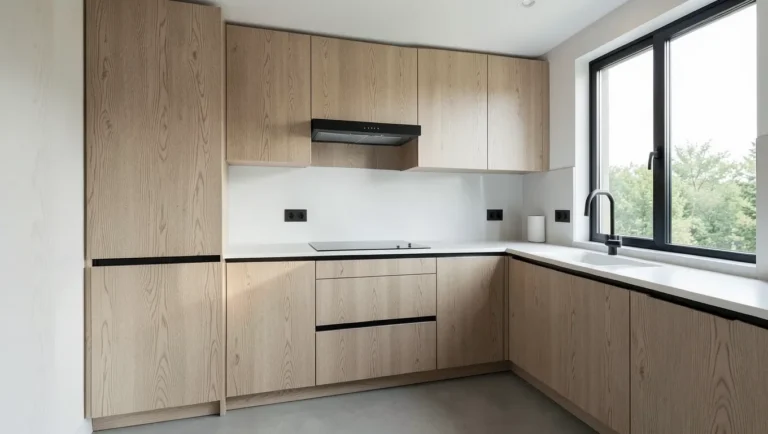
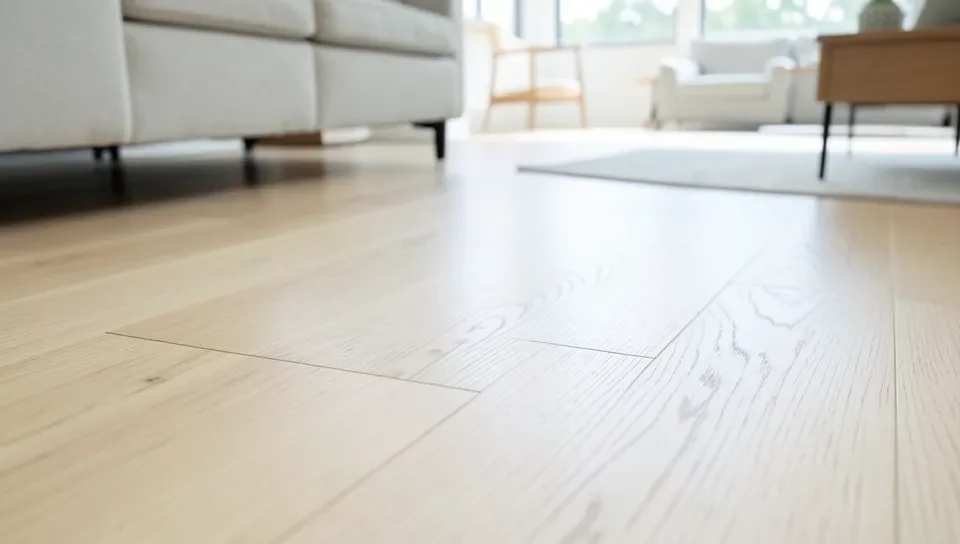
- Flooring – its medium hardness and pale, even tone make it a popular alternative to oak flooring in Australian homes.
- Furniture and cabinetry – tables, chairs, and joinery where a light, consistent color is wanted.
- Interior mouldings, doors, and window frames – it takes paint and clear finish equally well.
- Plywood and veneer – rotary-cut Vic Ash veneer is common on furniture-grade plywood.
It’s a poor choice for anything left exposed to the weather without regular maintenance, given its Durability Class 4 rating – decking or outdoor furniture needs a real sealing and staining schedule, and even then it won’t match naturally durable species outdoors long-term.
Cost, Availability, and Sourcing
Vic Ash is grown and milled in Australia, so availability and pricing outside Australia depend on specialty hardwood importers rather than big-box lumber yards. Within Australia it’s a mid-range hardwood – typically cheaper than imported oak or walnut but priced above softwoods and plantation pine. When sourcing it, look for FSC or PEFC chain-of-custody certification; both schemes confirm the timber came from a managed forestry operation rather than uncontrolled native-forest clearing, which is a real concern with regnans-group eucalypts given how slowly old-growth stands regenerate.
Because “Vic Ash” and “Tasmanian Oak” are trade names rather than strict botanical labels, grading and quality can vary between suppliers even for wood from the same species. Buying a small sample board before committing to a large order – especially for a flooring run where color-matching across boards matters – is worth the extra step.
Frequently Asked Questions
Is Vic Ash a true ash wood?
No. Vic Ash (Victorian Ash) is a trade name for Australian eucalyptus, mainly Eucalyptus regnans and Eucalyptus delegatensis. It’s unrelated to true ash trees in the Fraxinus genus – the name comes from a visual resemblance, not shared botany.
What is the Janka hardness rating of Vic Ash?
Vic Ash rates roughly 4.5–5.5 kN on the Australian Janka hardness scale, which uses kilonewtons rather than the pounds-force units on U.S. Janka charts. That puts it in a similar hardness range to American red oak – moderately hard, suitable for flooring and furniture, but softer than jarrah or spotted gum.
Can Vic Ash be used outdoors?
Not without maintenance. Vic Ash is rated Durability Class 4, the lowest Australian durability class, meaning it has little natural resistance to rot or insects outdoors. It can be used outside if it’s regularly sealed and stained, but it isn’t naturally weather-resistant the way teak, cedar, or ipe are.
What’s the difference between Vic Ash and Tasmanian Oak?
Very little, botanically. Both are trade names covering the same group of eucalypt species (E. regnans, E. delegatensis, E. obliqua) – “Vic Ash” is typically used for timber sourced or milled in Victoria, “Tasmanian Oak” for timber from Tasmania. Neither is a true oak or ash. Quality and grading can still vary between suppliers even when the underlying species is the same.
What’s the difference between Vic Ash and true American white ash?
They’re different plant families entirely. American white ash (Fraxinus americana) is ring-porous with a coarser, more open grain and a Janka hardness around 1,320 lbf. Vic Ash is a eucalyptus with a finer, diffuse-porous grain and a hardness of roughly 4.5–5.5 kN on the Australian scale – a different test unit entirely, so the two numbers aren’t directly comparable without converting.
Related Reading
For more on the wider eucalyptus family this wood belongs to, see our guide to Mountain Ash timber (the same Eucalyptus regnans species under its other common name), or check how eucalyptus hardness compares across species more broadly.
Conclusion
Vic Ash is a solid, workable, moderately hard Australian hardwood – but the single most useful thing to know before buying it is that the name is a trade label, not a species. It’s eucalyptus, not Fraxinus ash, which is why its grain, weight, and hardness numbers don’t line up with true ash at all. Once you’re working from the real Janka and density figures rather than the name, it’s a good choice for flooring, furniture, and cabinetry where a light, even-toned hardwood is wanted – just plan on real maintenance if any of it ends up outdoors.
Sponsored / affiliate links. As an Amazon Associate I earn from qualifying purchases. I may earn additional commission from eligible campaigns.