What is the Strongest Glue for Automotive Plastic: Ultimate Guide
Are you struggling with that pesky cracked car bumper or those loose interior panels? You’re not alone.
Automotive plastics can be notoriously tricky to fix, leaving many car owners scratching their heads. You might have tried a few products already, only to be disappointed by weak results. But don’t give up just yet. Imagine a solution that not only saves you time and money but also gives you the satisfaction of a job well done.
We’ll dive into the world of adhesives to uncover the strongest glue for automotive plastic. So, if you’re ready to turn frustration into triumph, keep reading. Your car—and your wallet—will thank you.
Types Of Automotive Plastic
Cars use many plastics. Polypropylene is one type. It is strong and light. Polyurethane is another. It’s flexible and soft. ABS plastic is tough and hard. It resists impact well. Polycarbonate is clear and strong. It’s often used for headlights. Nylon is also used. It is strong and durable. Each plastic has special uses in cars.
Automotive plastics have unique properties. They are lightweight. This helps cars go faster. They are also durable. They resist heat and chemicals. Flexibility is another key trait. This helps in design. Some plastics are transparent. They are used in windows and lights. Others are rigid. Used for strong parts. These properties make them ideal for cars.
Credit: www.thedrive.com
Factors Affecting Adhesive Choice
High temperaturescan weaken glue. Some adhesives handle heat better. These are called heat-resistant. They work well in hot car parts. Cold can also affect glue. Freeze-resistantglues stay strong in cold weather. Choose the right glue for your climate.
Cars move a lot. They shake and bump. Glues must stay strong during these movements. Impact-resistantglues are best. They hold parts together during bumps. This makes them perfect for car use.
Cars face many chemicals. Gas, oil, and cleaners can touch glue. Some glues resist these chemicals. Chemical-resistantglues do not break down. They stay strong near car fluids. This keeps parts secure.
Popular Adhesive Types
Epoxy adhesives are very strong. They bond well with plastic. Made from two parts, they are mixed before use. Once mixed, they form a tight bond. Epoxy is great for fixing car parts. It’s resistant to heat and water. This means it stays strong in bad weather.
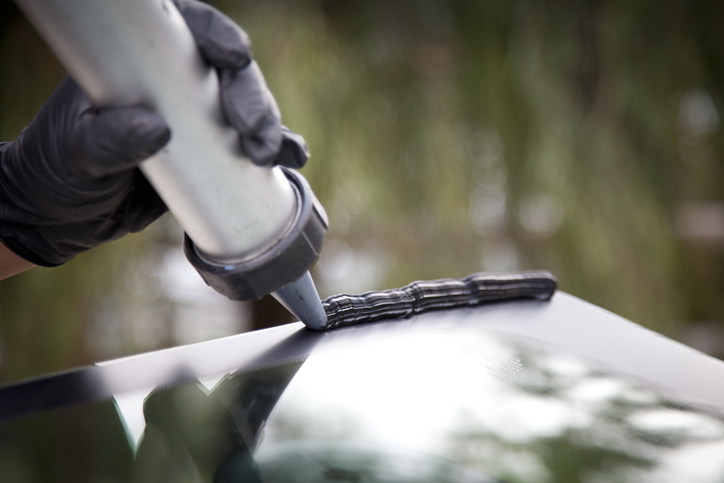
Polyurethane adhesives are flexible and durable. They can handle different temperatures. This makes them ideal for cars. Polyurethane bonds well with many materials. It can fill gaps in parts. This glue is often used in car repairs. It provides a strong and lasting hold.
Cyanoacrylate adhesives are quick to dry. Known as super glue, they bond fast. They work well for small repairs. Cyanoacrylate is best for tiny cracks. It can fix things in seconds. But it’s not as flexible as other glues. It’s great for emergency fixes.
Strength And Durability
Epoxy glue is very strong. It holds pieces together tightly. This glue can join different types of plastic. The bond is tough and does not break easily. It is perfect for car parts.
Super glue also lasts long. It sticks well and stays in place. It works best on smaller parts. Plastic weld is another option. It creates a bond that feels like new. The bond lasts for many years.
Application Techniques
Clean the plastic surface well. Use a damp cloth to wipe dust. Let it dry completely. Smooth surfaces need sanding. This makes glue stick better. Use fine sandpaper for this. Always wear safety gear. Gloves protect your hands. Dust mask keeps you safe from particles. After sanding, wipe again. Remove any dust left. This ensures a clean surface. A clean surface is key for strong bonds.
Use the right tools for glue application. A small brush works well. Brushes spread glue evenly. A spatula is good too. It helps with spreading thick glue. Some glues come with a nozzle. Nozzle helps in precise application. Use a clamp to hold parts tight. Clamps keep parts in place while glue dries. Always follow the glue instructions. Each glue has specific needs.
Safety Considerations
Selecting the strongest glue for automotive plastic requires careful attention to safety considerations. Ensure proper ventilation during application to avoid inhaling fumes. Always wear protective gloves and eyewear to prevent contact with skin and eyes. Follow the manufacturer’s instructions for safe use.
Handling Precautions
Glues can be dangerous if not handled with care. Always read the instructions. Use gloves to protect your skin. Avoid contact with eyes and mouth. Wash hands after using glue. Keep glue away from children and pets. Store glue in a cool, dry place. Dispose of empty glue tubes safely. Never mix different glues.
Ventilation And Protective Gear
Strong glues can have strong fumes. Work in a well-ventilated area. Open windows or use a fan. Wear a mask to protect your lungs. Use goggles to protect your eyes. Good ventilation helps reduce health risks. Avoid inhaling glue fumes. Take breaks when working with glue. Fresh air is important. Protective gear keeps you safe.
Environmental Impact
Some glues harm the planet. Eco-friendly glues are better. They use fewer toxins. These glues break down naturally. Safe for nature and animals. Biodegradable glues are a smart choice. They protect the earth. Choose wisely to help the environment.
Proper disposal is important. Do not toss glues in the trash. Some glues can be recycled. They must be in the right bins. Recycling helps reduce waste. It saves space in landfills. Read labels for disposal tips. It is better to be careful. Protect nature by disposing wisely.

Credit: www.youtube.com
Frequently Asked Questions
What Is The Strongest Glue For Plastic On A Car?
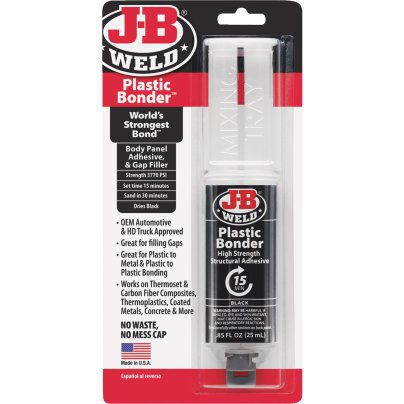
The strongest glue for plastic on a car is epoxy adhesive. It provides excellent bonding strength and durability. Brands like J-B Weld and Gorilla Epoxy are popular choices. Ensure surfaces are clean and dry before application for best results.
Does Gorilla Glue Work On Car Plastic?
Gorilla Glue can bond car plastic effectively. Ensure surfaces are clean and dry for best results. It’s suitable for small repairs, but avoid using it on parts exposed to high heat or stress. Always follow product instructions for optimal performance.
What Is The Best High Strength Plastic Glue?
Loctite Super Glue Plastics Bonding System is highly recommended for high strength plastic bonding. It offers fast drying, strong adhesion, and lasting durability. Ideal for hard-to-bond plastics like polypropylene and polyethylene, ensuring a reliable and firm hold.
How To Glue Car Plastic Back Together?
To glue car plastic, clean the surface thoroughly, apply suitable plastic adhesive, and press firmly. Allow proper drying time for strong bonding. Consider using epoxy or super glue for durable results. Always follow the adhesive instructions for best outcomes.
Conclusion
Choosing the right glue for automotive plastic is crucial. It ensures durability and safety. Different glues offer different strengths. Always consider the specific plastic type. Epoxy is known for strong bonds. Super glue works for small fixes. For flexible plastics, use plastic weld.
Test the glue on a small area first. This prevents damage. Follow the manufacturer’s instructions closely. They guide you to the best results. A secure bond keeps your vehicle parts in place. Reliable and long-lasting. Invest time in selecting the best glue.
It pays off in the long run.