What Kind of Wood for Patio Cover: Best Choices Revealed
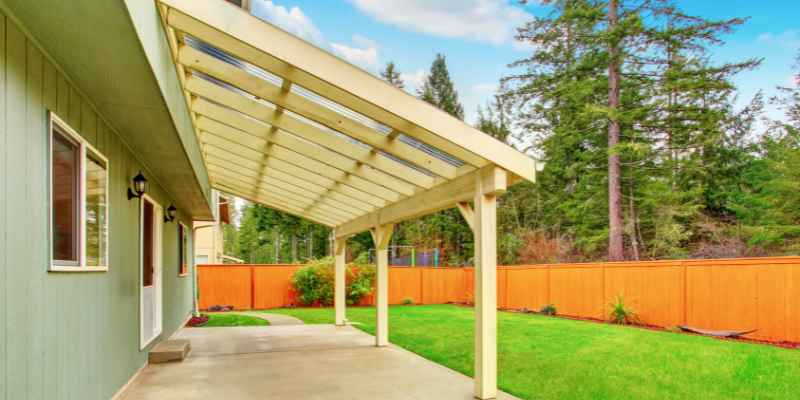
Cedar and redwood are ideal woods for patio covers due to their natural resistance to moisture and insects. Pressure-treated pine is a budget-friendly option that can also work well.
Choosing the right wood for a patio cover is crucial for durability and aesthetics. Cedar offers a beautiful finish and a pleasant aroma, while redwood is known for its rich color and long lifespan. Both types resist decay and insects, making them ideal for outdoor settings.
Pressure-treated pine provides an economical alternative but requires proper sealing to withstand the elements. Each option has its benefits, so consider your budget, climate, and design preferences before making a decision. A well-chosen wood can enhance your outdoor space and ensure years of enjoyment.
Introduction To Patio Covers
Patio covers enhance outdoor areas. Wood plays a vital role in their design. Different types of wood offer unique benefits. Durability, aesthetics, and cost are key factors to consider.
Cedar is popular for its natural resistance to rot. It has a beautiful grain and pleasant aroma. Redwood is also durable, with a rich color. Both woods require minimal maintenance.
Pressure-treated pine is a budget-friendly option. It is strong and resistant to insects. However, it may need more upkeep over time.
Weather conditions in your area greatly influence wood choice. Humidity can lead to warping. Sun exposure can cause fading. Always choose wood that suits your climate.
The Ideal Woods For Durability
Cedar is a popular choice for patio covers. It offers excellent weather resistance. This wood can withstand rain, sun, and snow. Cedar naturally repels insects and rot. Its beautiful color adds charm to any space.
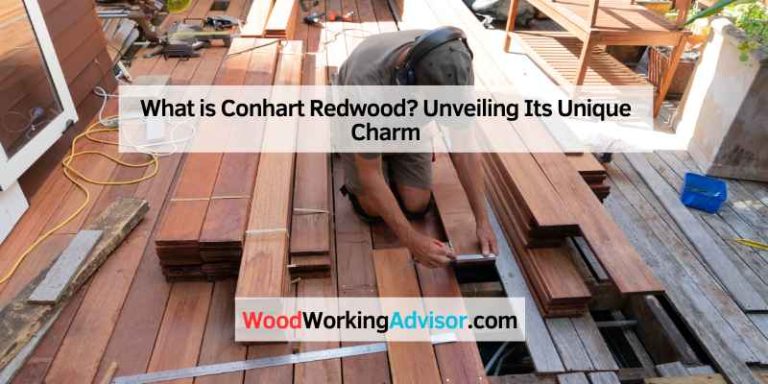
Redwood is known for its long-lasting properties. It can last for decades with proper care. This wood is also resistant to warping and cracking. Redwoods have a rich color that enhances outdoor settings. Choosing redwood ensures a sturdy and attractive patio cover.
Aesthetic Appeal Of Different Woods
Teak wood offers a natural beauty that stands out in any patio setting. Its rich, golden-brown color adds warmth. Teak is also known for its durability and resistance to the elements.
Mahogany brings a deep, reddish hue that enhances the aesthetic of outdoor spaces. This wood is often used for its elegance and smooth finish. Its rich color can complement various styles, making it a popular choice.
Budget-friendly Options
Pressure-treated wood is a great choice for budget-friendly patio covers. It resists decay and insects. This type of wood lasts longer than untreated options. Its cost is lower compared to other materials.
Pine is also very affordable. It is lightweight and easy to work with. Pine can be painted or stained for a nice look. This wood is great for DIY projects. Its low price makes it a popular option.
| Wood Type | Benefits | Cost |
|---|---|---|
| Pressure-Treated Wood | Durable, insect-resistant | Moderate |
| Pine | Lightweight, easy to customize | Low |
Maintenance And Care
Sealing and staining wood is important for protection. Choose a high-quality sealant to keep moisture out. Apply it every one to three years for best results. Stains can enhance the wood’s color and grain.
Regular cleaning helps maintain the patio cover. Use a soft broom or a mild soap solution to remove dirt. Avoid harsh chemicals that can damage the wood. Rinse with clean water to prevent buildup. Check for signs of wear or damage regularly.
Environmental Considerations
Choosing sustainable wood for patio covers helps protect the environment. Certain woods are more eco-friendly than others. Cedar, redwood, and bamboo are popular choices. They grow quickly and need less treatment. This means less harm to nature.
Wood treatment can impact the environment. Many treatments contain harmful chemicals. These can pollute soil and water. Using natural treatments reduces this risk. Look for products that are non-toxic and biodegradable. Always check for certifications like FSC or PEFC. These show that the wood is sourced responsibly.
Installation Tips And Tricks
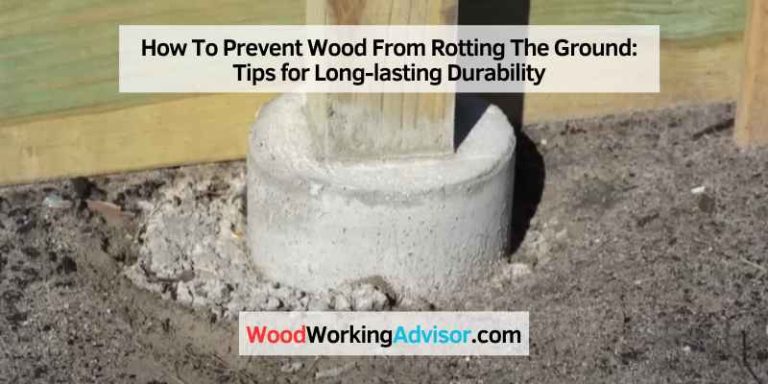
Choosing the right hardware is key for a successful patio cover. Sturdy materials like stainless steel or galvanized options resist rust and wear. Use screws and anchors that match your wood type. This ensures a strong, lasting hold.
Deciding between professional and DIY installation depends on your skill level. Professionals often guarantee quality work. They can also handle permits and inspections. DIY can save money but requires time and effort. Make sure to gather all tools before starting.
| Installation Method | Pros | Cons |
|---|---|---|
| Professional | Expertise, Saves time | Higher cost |
| DIY | Cost-effective, Personal satisfaction | Time-consuming, Risk of errors |
Conclusion: Making Your Choice
Choosing the right wood for a patio cover is essential. Durability is a key factor. Hardwoods like teak and mahogany are strong and last longer. Softwoods, such as pine and cedar, can be treated for better durability.
Aesthetics matter too. Some people prefer the rich color of hardwoods. Others might like the lightness of softwoods. Maintenance is another important aspect. Hardwoods require less upkeep than softwoods.
Personal preferences play a big role. Think about your lifestyle and how you use your patio. Do you want a cozy space for family? Or a trendy area for entertaining guests?
Ultimately, consider your budget. Quality wood can be an investment. Find a balance between cost and the benefits each type offers.
Frequently Asked Questions
What Is The Best Wood For Patio Covers?
The best wood for patio covers includes cedar, redwood, and pressure-treated pine. Cedar and redwood are naturally resistant to decay and insects. Pressure-treated pine is a cost-effective option that offers durability. Each type has its unique benefits, making them great choices for outdoor structures.
How Long Does Wood Patio Cover Last?
A wood patio cover can last between 15 to 30 years, depending on the type of wood used and maintenance. Regular sealing and treating can extend its lifespan. Choosing high-quality wood will also ensure better durability and resistance to weather conditions.
Is Treated Wood Necessary For Patio Covers?
Using treated wood for patio covers is highly recommended. Treated wood is designed to resist moisture, insects, and rot. This added protection increases the longevity of your patio cover. It’s especially important in areas with high humidity or frequent rainfall.
Can I Use Plywood For A Patio Cover?
While plywood can be used for a patio cover, it is not the best choice. Plywood lacks the durability and resistance of solid wood options. It may warp or deteriorate faster when exposed to outdoor elements. Consider using more robust wood types for better performance.
Conclusion
Choosing the right wood for your patio cover is essential for durability and style. Consider options like cedar or redwood for their natural resistance to decay. Pressure-treated pine is budget-friendly and strong. Ultimately, the best choice enhances your outdoor space while providing long-lasting protection.
Enjoy your beautifully covered patio!