What Is Con Heart Redwood? (It’s a Lumber Grade, Not a Brand)
“Con Heart” (sometimes misspelled “Conhart”) isn’t a brand, a species, or a company — it’s a grading term for California redwood lumber. Short for Construction Heart, it means every face of the board is cut from the tree’s heartwood, the dense inner wood that carries redwood’s natural tannins and gives it built-in resistance to rot, decay, and insects.
Because it’s a grade and not a company, you won’t find a “Conhart” corporate website or product catalog. What you will find is “Con Heart” or “Construction Heart” listed as a purchasing option at lumberyards and home centers, right alongside other redwood grades like Con Common (a mix of heartwood and sapwood) and Clear Heart (a knot-free premium version of the same heartwood). Con Heart typically runs about 20% more than Con Common, because the all-heartwood stock holds up better against ground contact and moisture with less upkeep down the road.
What “Con Heart” Actually Means
Con Heart is a grading category set by the California Redwood Association, and it describes where the board comes from in the log, not who made it. The grade allows knots — up to about 2-1/2 inches in diameter on a 6-inch-wide board, with larger knots permitted on wider stock — along with the occasional strip of sapwood on one edge. What it doesn’t allow is a board that isn’t predominantly heartwood, which is the whole point: heartwood is where redwood’s rot- and insect-resistant tannins actually live.
That’s a meaningfully different product from a “clear” grade. Con Heart is a working construction grade — it’s graded on soundness and heartwood content, not on having a knot-free face — so it costs less than Clear Heart while offering essentially the same decay resistance. If you’ve seen “Conhart Redwood” mentioned as if it were a type of tree, that’s a mix-up: the tree is coast redwood (Sequoia sempervirens); Con Heart is just one of several ways a mill sorts and sells lumber cut from it.
Best For Sealing Con Heart Decking
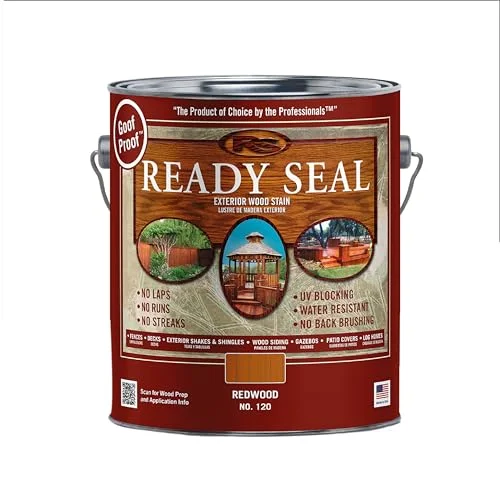 |
Ready Seal Exterior Wood Stain & Sealer, Redwood, 1 Gallon – $49.99 Con Heart’s rot resistance comes from its heartwood, but the surface still needs UV and moisture protection once it’s milled and installed — this semi-transparent oil sealer is tinted to match redwood’s natural color.
|
Con Heart vs. Other Redwood Grades
Con Heart sits in the middle of the redwood grading lineup — better rot resistance than the sapwood-containing grades, lower cost than the clear grades. Here’s how the common options compare:
| Grade | Heartwood Content | Knots/Appearance | Ground Contact? | Relative Cost |
|---|---|---|---|---|
| Clear Heart | 100% heartwood | Knot-free on the best face | Yes | Highest |
| Construction Heart (Con Heart) | 100% heartwood | Knots allowed (up to ~2-1/2″ on 6″ stock) | Yes | ~20% more than Con Common |
| B Heart | 100% heartwood, tighter knot limits than Con Heart | Fewer/smaller knots than Con Heart | Yes | Between Con Heart and Clear Heart |
| Construction Common (Con Common) | Heartwood + sapwood mixed | Similar knot allowance to Con Heart | No — above-ground use only | Lowest of the four |
The practical takeaway: if a piece of redwood will touch soil, concrete, or standing water — a post base, a ledger, the bottom rail of a fence — it needs to be an all-heartwood grade like Con Heart, B Heart, or Clear Heart. Con Common’s sapwood doesn’t carry the same natural tannins, so it will decay faster in ground contact even though it looks similar from a few feet away.
Where Con Heart Redwood Is Used
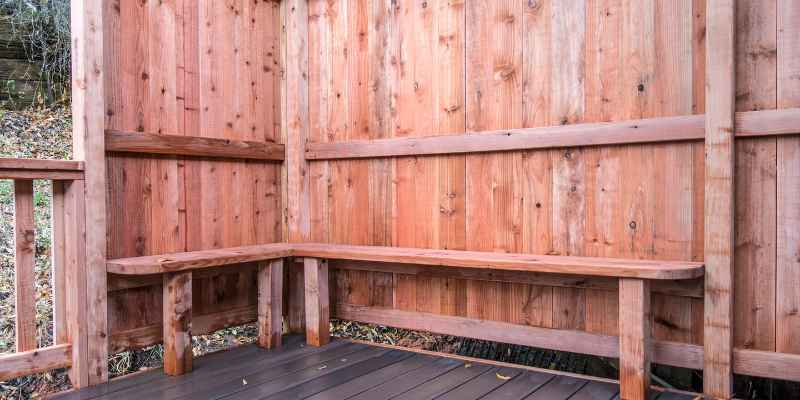
Con Heart shows up most often in decking, fence posts and rails, retaining walls, planter boxes, stair stringers, and garden structures — anywhere the wood will sit near soil, get rained on repeatedly, or both. Because it’s all heartwood, it can go into ground contact applications that a sapwood grade like Con Common isn’t rated for.
It’s less common indoors, not because it isn’t attractive — its color and grain are genuinely nice, with a fairly consistent reddish tone since there’s no lighter sapwood mixed in — but because indoor furniture and trim don’t need the rot resistance you’re paying the 20% premium for. For an interior project, Con Common or even a non-heart grade usually makes more financial sense; save Con Heart for the parts of a project that actually face weather.
How to Buy It (and What to Check For)
Ask a lumberyard for “Con Heart” or “Construction Heart” by name — most West Coast yards stock it, and it’s a standard California Redwood Association grade rather than a specialty order. It’s sold both partially air-dried (PAD) and green (unseasoned); PAD boards are more dimensionally stable and are the better choice for decking, while green stock is cheaper but will shrink and can twist as it dries in place.
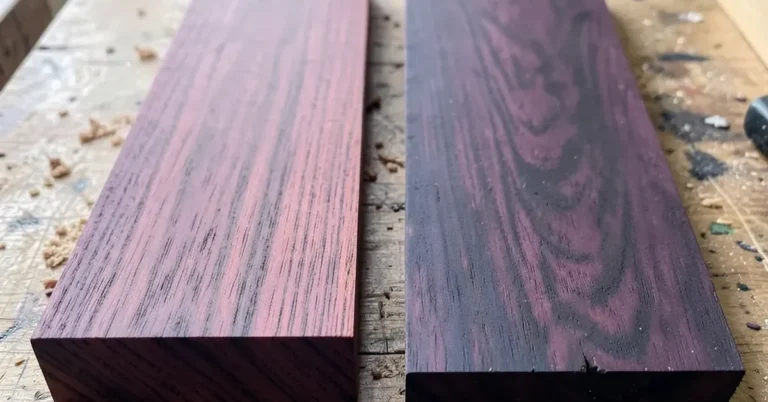
For a common 5/4×6 decking board, expect to pay roughly $7–$12 per linear foot for Con Heart, compared to $4–$7 for Con Common and $12–$20+ for Clear grades — pricing that tracks with our full breakdown of redwood deck lumber prices. When you’re at the yard, sight down the board for warp and check that the face is genuinely heartwood-colored (a deep, even red-brown) rather than the paler, more yellowish sapwood — an occasional sliver of sapwood on one edge is within grade, but a board that’s mostly pale wood has been mis-graded or mixed into the wrong stack.
Frequently Asked Questions
Is Con Heart Redwood a Brand or a Species?
Neither. It’s a lumber grade defined by the California Redwood Association, covering all-heartwood boards from the coast redwood tree (Sequoia sempervirens) that still allow knots and occasional edge sapwood. There’s no manufacturer or company called “Conhart.”
How Does Con Heart Compare to Con Common and Clear Heart?
Con Common mixes heartwood with sapwood and is only rated for above-ground use; Con Heart is all heartwood and can go into ground contact. Clear Heart is also all heartwood but graded knot-free on its best face, which is why it costs more than Con Heart for essentially the same rot resistance.
Where Can I Buy Con Heart Redwood?
Most lumberyards and home centers on the West Coast stock it as a named grade — ask for “Con Heart” or “Construction Heart” specifically. Specialty redwood suppliers can also special-order PAD or green stock in specific dimensions if your local yard doesn’t carry the size you need.
Is Con Heart Redwood Good for Ground Contact?
Yes. Because every face is heartwood, Con Heart carries redwood’s natural decay- and insect-resistant tannins all the way through the board, which is what makes it suitable for posts, ledgers, and other spots that touch soil or stay damp — something the sapwood-containing Con Common grade isn’t rated for.
Bottom Line
“Con Heart Redwood” is Construction Heart grade, plain and simple — an all-heartwood, knots-allowed redwood grade built for decks, fences, and anything else that will face weather and ground contact. It costs more than Con Common because it earns that price in reduced maintenance and longer service life; it costs less than Clear Heart because nobody’s paying extra just to hide the knots. Ask for it by name at any redwood-carrying lumberyard, confirm the face is genuinely heartwood-colored, and seal it once it’s installed to get the most out of it.
Sponsored / affiliate links. As an Amazon Associate I earn from qualifying purchases. I may earn additional commission from eligible campaigns.