What Is Redbud Wood Used For? Turning, Boxes, and Small Instruments
Redbud wood is primarily used for furniture, cabinetry, and decorative items. Its unique color and grain make it a popular choice among woodworkers.
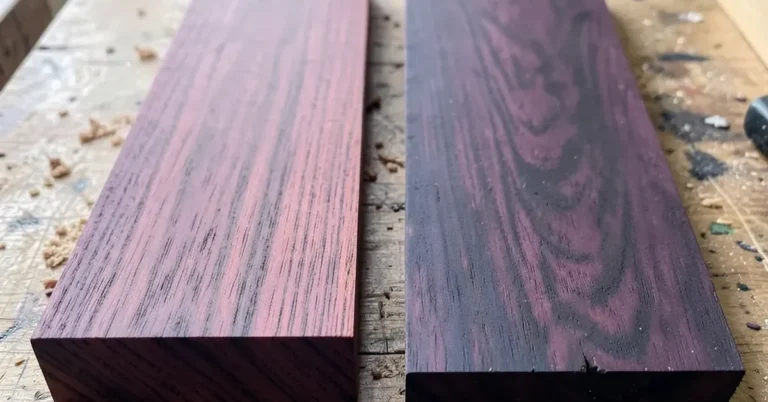
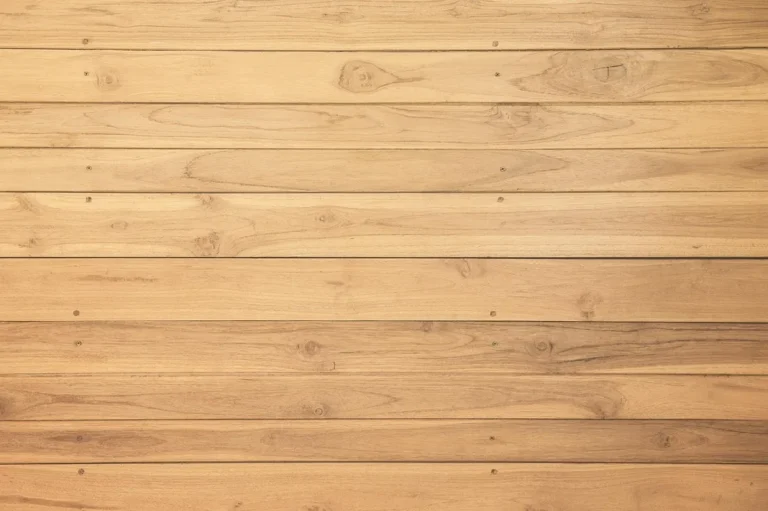
Redbud wood, derived from the Eastern Redbud tree, is celebrated for its stunning aesthetics and durability. The wood features a rich, reddish-brown hue that deepens with age, adding warmth to any project. Craftsmen favor it for its fine grain and workability, making it ideal for intricate designs.
Whether it’s for custom furniture, cabinetry, or artistic pieces, redbud wood stands out due to its unique visual appeal. Sustainable and locally sourced, this wood is not only environmentally friendly but also supports local economies. As interest in unique materials grows, redbud wood is gaining recognition among artisans and homeowners alike.
Introduction To Redbud Wood
Turn Small-Diameter Wood Like Redbud
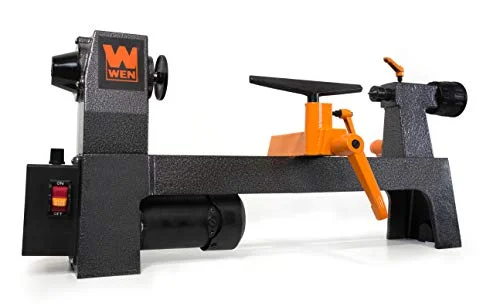 |
WEN 3421 Mini Benchtop Wood Lathe – $238.48 Since redbud’s small trunk diameter suits turning far better than flat lumber, a benchtop lathe is the practical way most woodworkers actually work with it.
|
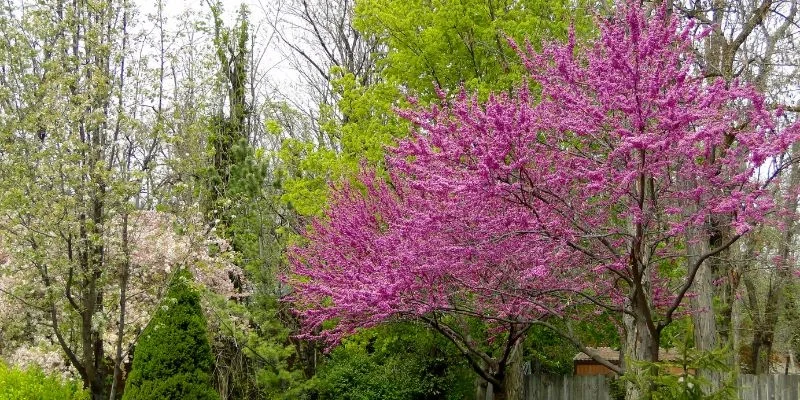
Redbud wood comes from the Cercis canadensis tree. This tree is known for its beautiful pink flowers. The wood has a fine texture and a rich color. It ranges from light to dark purple. This makes it very attractive for many uses.
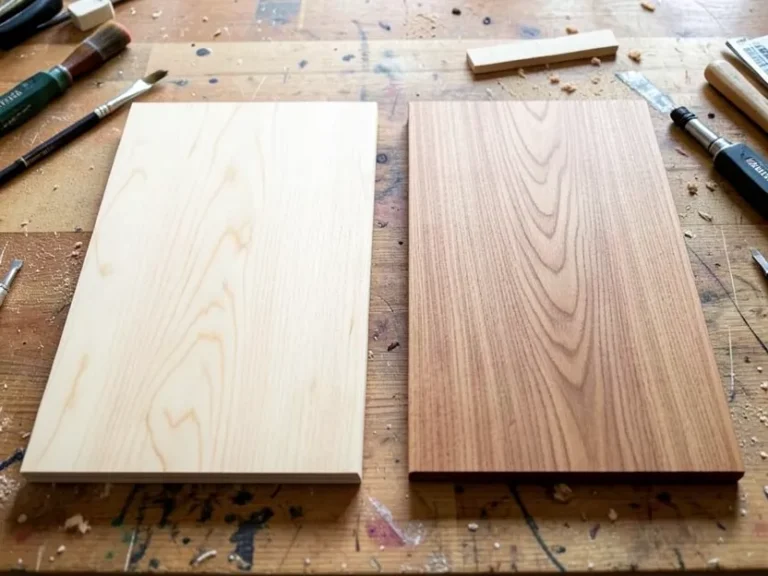
Common uses of redbud wood include furniture and cabinetry. It is also great for decorative items. Many artisans enjoy crafting with redbud due to its workability. This wood can be shaped easily and takes stains well.
Harvesting redbud trees requires careful practices. Sustainable methods ensure the tree population remains healthy. Selecting mature trees helps maintain the ecosystem. Cutting should only occur in the right seasons for best results.
Historical Uses Of Redbud Wood
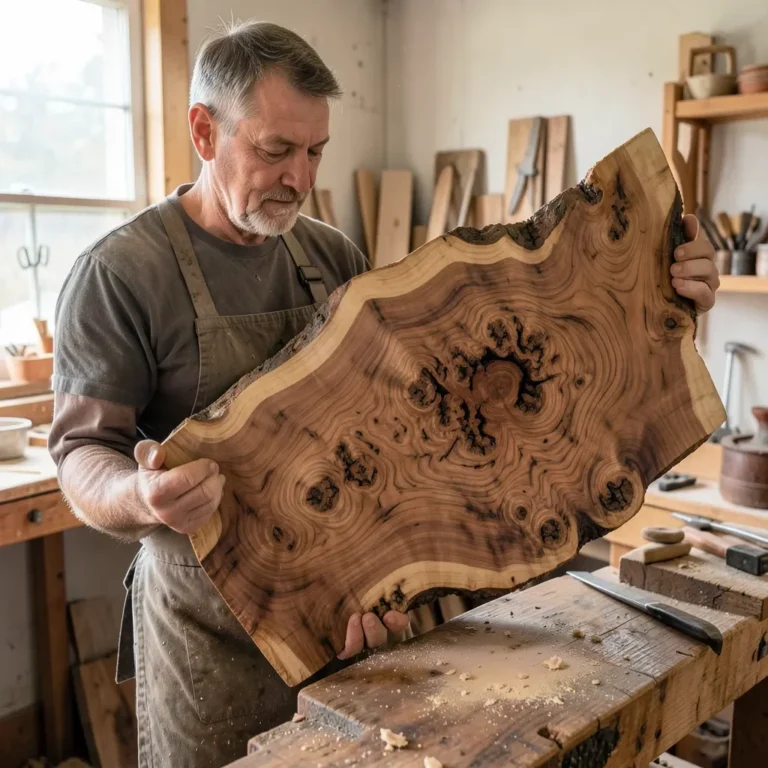
Redbud is a small ornamental tree – Cercis canadensis rarely grows a trunk wide or straight enough to mill into standard lumber, which is why it never became a mainstream furniture or construction species the way oak or maple did. Historically it was mostly a turning and small-craft wood: bowl blanks, handles, small boxes, and inlay strips that take advantage of its color rather than its strength or dimension.
| Use | Description |
|---|---|
| Furniture | Crafted into tables, chairs, and cabinets. |
| Decorative Items | Used for carvings and wall hangings. |
| Construction | Utilized for beams and outdoor structures. |
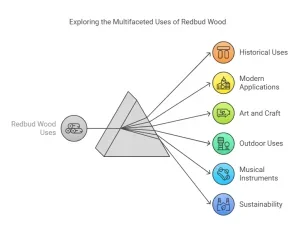
Modern Applications Of Redbud Wood
Redbud wood is popular in furniture making. Its unique colors and patterns make each piece special. Many craftsmen create tables, chairs, and cabinets from this wood. It adds warmth to any room.
People also use redbud wood for decorative items. Items like bowls, vases, and art pieces are made from it. These decorations are often eye-catching and elegant. Redbud wood is perfect for those who love nature.
Redbud Wood In Art And Craft
Redbud wood is popular for its beautiful grain and color. Artists use it for sculpture and carving. The wood is easy to shape, making it great for detailed work. Many sculptures show off the unique patterns of this wood.
In jewelry and ornaments, redbud wood shines. Crafters create stunning pieces using its rich hue. Earrings, necklaces, and bracelets often feature this beautiful wood. The natural beauty adds charm to every piece.
Why Redbud Isn’t an Outdoor Wood
Despite its dense, attractive grain, redbud has no natural rot or insect resistance the way cedar or teak does, and its small trunk diameter means outdoor pieces (planters, arbors) would need frequent glue-up of narrow boards. It’s best kept for indoor turning, small furniture accents, and craft work where its color and grain can be shown off close-up, and sealed well if used anywhere near moisture.
Sustainability And Environmental Impact
Sourcing Redbud Wood responsibly is vital for our planet. It ensures that forests remain healthy and thriving. Always choose wood from certified sources. This helps protect the environment and supports local communities.
Recycling and Reusing Redbud Wood can greatly reduce waste. Old furniture or scraps can be transformed into new items. This process saves trees and energy. Creative projects can include:
- Crafting unique home decor
- Making beautiful wooden utensils
- Building custom furniture pieces
Every small action contributes to a greener future. Embrace the beauty and sustainability of Redbud wood.
Future Perspectives On Redbud Wood Usage
Redbud wood has many exciting uses. It is often used in furniture making. Its unique color and grain make each piece special.
Innovations in processing are increasing its popularity. New techniques help create stronger and lighter products. This wood can also be used in musical instruments. Many find its sound to be rich and warm.
Emerging uses include decorative items and wooden crafts. Artisans are exploring this wood for unique sculptures. Redbud wood is also great for home decor. Its beauty can brighten any space.
Frequently Asked Questions
What Are The Common Uses Of Redbud Wood?
Redbud wood is primarily used for furniture and cabinetry. Its attractive grain and color make it a favorite among woodworkers. Additionally, it’s used for decorative items and turning projects. The wood’s density offers durability, making it suitable for various applications.
Is Redbud Wood Suitable For Outdoor Use?
Redbud wood is not ideal for outdoor use. It lacks natural resistance to moisture and insects. If exposed to the elements, it may warp or decay over time. For outdoor projects, consider using more weather-resistant woods, like cedar or redwood.
How Does Redbud Wood Compare To Other Hardwoods?
Redbud wood is comparable to other hardwoods in terms of workability. It can be shaped and finished easily, similar to maple and cherry. However, its unique coloration sets it apart, offering a distinct aesthetic. This makes it popular for custom pieces and artistic projects.
Can Redbud Wood Be Used For Flooring?
While possible, using redbud wood for flooring is uncommon. Its softness makes it susceptible to scratches and dents. Homeowners often prefer more durable hardwoods like oak or hickory for flooring. If chosen, proper care and maintenance are essential to prolong its life.
Conclusion
Redbud wood is a versatile material with numerous applications. Its vibrant color and unique grain make it ideal for furniture, cabinetry, and decorative items. Artists and craftsmen appreciate its workability and aesthetic appeal. Choosing redbud wood not only enhances your projects but also supports sustainable practices.
Embrace its beauty in your next creation.
Sponsored / affiliate links. As an Amazon Associate I earn from qualifying purchases. I may earn additional commission from eligible campaigns.