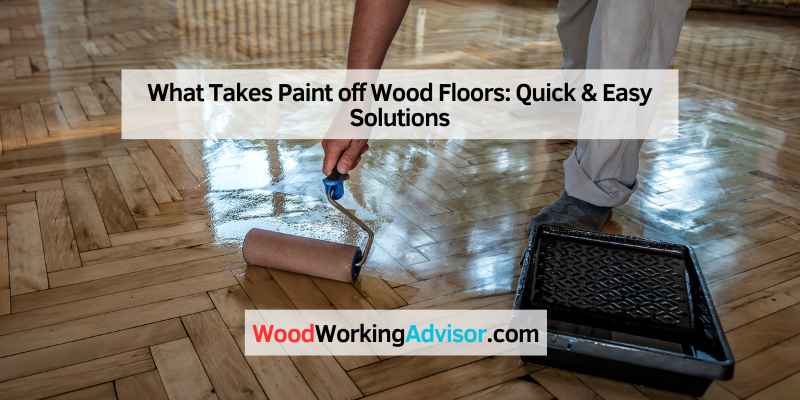
What Takes Paint off Wood Floors: Quick & Easy Solutions
To remove paint off wood floors, use a paint remover or apply nail polish remover for oil-based paint. These methods are effective and safe for the wood floor’s finish.
Removing paint from wood floors can be challenging, but with the right techniques, you can restore the floor’s natural beauty. When it comes to cleaning dried paint off hardwood floors, it’s essential to use gentle methods to avoid damaging the wood.
Using a heat gun or a hairdryer on low heat can soften the paint, making it easier to scrape off. Additionally, a homemade solution of dish soap and rubbing alcohol can be effective, and if needed, nail polish remover can help loosen the paint over time. Removing paint from wood without damaging the finish can be achieved by using paint strippers, which soften the old finish for easy removal. It’s important to work carefully and methodically to protect the wood’s surface while effectively removing the paint.
Introduction To Paint Removal From Wood Floors
Looking for ways to remove paint from wood floors? Check out these effective methods that include using paint removers, heat guns, and gentle solvents to safely and efficiently get rid of paint splatters without damaging the wood finish. Say goodbye to unwanted paint stains on your beautiful hardwood floors!
The Challenge Of Removing Paint
Removing paint from wood floors can be a daunting task, especially if the paint has been there for a while. Paint spills can happen at any time, and if not removed quickly, they can become stubborn stains that are difficult to remove. There are different types of paints that can spill on wood floors, and each requires a different approach to remove it effectively. In this article, we’ll take a closer look at the different types of paint spills on wood floors and how to remove them.
Types Of Paint Spills On Wood Floors
- Oil-based paint spills: These spills are the most challenging to remove because they dry quickly and adhere firmly to the wood surface. To remove oil-based paint spills, you’ll need to use a paint stripper that’s suitable for wood floors. This can be a messy process, so it’s essential to work in a well-ventilated area and wear protective gear.
- Latex paint spills: Unlike oil-based paint spills, latex paint spills are easier to remove because they’re water-based. You can remove latex paint spills from wood floors using warm water and mild soap. Apply the solution to the affected area and scrub gently with a soft-bristled brush.
- Aerosol spray paint spills: These spills are common and can happen accidentally during DIY projects. To remove aerosol spray paint spills from wood floors, you’ll need to use a paint thinner or mineral spirits. Apply the solution to the affected area and use a soft cloth to scrub gently until the paint comes off.
It’s important to note that regardless of the type of paint spill on your wood floor, you should always test the paint removal method on a small, inconspicuous area first to ensure that it doesn’t damage the wood surface. With the right tools and techniques, you can successfully remove paint spills from your wood floors without causing any damage.
Preparation Steps Before Starting
Before starting to remove paint from wood floors, it’s important to take some preparation steps. These include gathering the necessary supplies such as a plastic scraper or putty knife, heat gun or hairdryer, mineral spirits, and a damp cloth. It’s also important to test any paint remover product on a small, inconspicuous area first to ensure it doesn’t damage the wood.
Gathering Necessary Tools And Materials
Before you start removing paint from your wood floors, it is important to gather all the necessary tools and materials. Having everything prepared beforehand will make the process smoother and more efficient. Here are the essential items you will need:
- Protective gear: Safety goggles, gloves, and a face mask are crucial to protect yourself from any potential hazards.
- Drop cloths or plastic sheets: These will help protect your surrounding areas from any paint splatters or debris.
- Paint scraper or putty knife: Use these tools to gently scrape off the paint from the wood surface.
- Plastic bags or containers: You will need these to collect and dispose of the scraped-off paint.
- Mineral spirits or paint remover: These solutions will aid in loosening the paint and making it easier to remove.
- Soft cloths or rags: These will be used to wipe away any residue or excess paint.
- Dish soap and warm water: Mixing these together will create a mild cleaning solution to remove any remaining paint or dirt.
- Clean water and a mop: This will be used to rinse the floor after the paint removal process.
Safety Precautions To Consider
When working with paint removal on wood floors, it is important to prioritize safety. Taking the necessary precautions will ensure a safe and successful project. Here are some safety measures to keep in mind:
- Wear protective gear: Put on safety goggles, gloves, and a face mask to protect yourself from any potential fumes, debris, or splatters.
- Ventilation: Ensure that the area you are working in is well-ventilated to prevent the accumulation of fumes.
- Work in a well-lit area: Proper lighting will help you see the paint and ensure that you remove it thoroughly.
- Avoid excessive pressure: When using a scraper or putty knife, apply gentle pressure to avoid damaging the wood surface.
- Keep children and pets away: To prevent accidents or exposure to harmful chemicals, it is best to keep children and pets out of the work area.
- Dispose of paint properly: Collect any scraped-off paint in plastic bags or containers and dispose of them according to your local regulations.
By following these preparation steps and safety precautions, you will be well-prepared to tackle the task of removing paint from your wood floors. Remember to take your time and work carefully to ensure the best results without causing any damage to the wood.
Mechanical Methods For Paint Removal
To remove paint from wood floors, consider using mechanical methods such as a heat gun or a hairdryer set on low heat to soften the paint splatter. Then gently scrape it off using a plastic scraper or putty knife. Another option is to apply nail polish remover for stubborn paint spots.
These methods can effectively remove paint from wood floors without causing damage.
Using A Plastic Scraper Or Putty Knife
One effective mechanical method for removing paint from wood floors is by using a plastic scraper or putty knife. This method allows you to gently scrape off the paint without causing any damage to the wood surface. To begin, you can use a heat gun or a hairdryer set on low heat to direct hot air onto the paint splatter. This will make the paint more pliable and easier to remove. Then, using the plastic scraper or putty knife, carefully scrape off the softened paint, making sure not to apply excessive pressure. Remember to wipe away any residue with a damp cloth to ensure a clean finish.
Employing Sanding Techniques Carefully
Another mechanical method for paint removal from wood floors is through sanding techniques. However, it is crucial to approach this method with caution to avoid damaging the wood surface. Start by using a medium-grit sandpaper and gently sand the painted area, moving in the direction of the wood grain. Be careful not to stay in one spot for too long, as this may create unevenness. After removing the majority of the paint, switch to a finer-grit sandpaper to smooth out the surface. Always remember to wear protective goggles and a mask to prevent any dust or debris from getting into your eyes or lungs.
It is important to note that sanding should be used as a last resort for paint removal, as it can remove a thin layer of the wood’s finish. Therefore, it is recommended to test a small, inconspicuous area first to ensure that the wood can withstand the sanding process without any adverse effects. Additionally, consider seeking professional help if you are unsure about performing this method yourself.
Chemical Solutions For Tough Paint
When it comes to removing paint from wood floors, sometimes a gentle approach just won’t cut it. For tough, stubborn paint stains, chemical solutions can be the answer. In this section, we’ll explore the use of paint strippers to effectively remove paint from wood floors.
Selecting The Right Paint Stripper
Choosing the right paint stripper is crucial to ensure effective paint removal without causing damage to the wood floor. Here are some factors to consider when selecting a paint stripper:
- Check the label: Look for a paint stripper that is specifically formulated for use on wood surfaces.
- Consider the type of paint: Different paint strippers may work better on certain types of paint, such as oil-based or latex-based paints.
- Safety precautions: Ensure that the paint stripper is safe to use indoors, especially if you are working in a confined space.
- Read customer reviews: Look for feedback from other users to gauge the effectiveness of the paint stripper.
Application Tips For Effective Results
To achieve the best results when using a paint stripper, follow these application tips:
- Prepare the area: Clear the floor of any furniture or obstacles to provide a clean working space.
- Protect yourself: Wear protective gloves, goggles, and a mask to safeguard against any potential chemical fumes or splashes.
- Apply the paint stripper: Follow the manufacturer’s instructions to apply the paint stripper evenly onto the painted areas of the wood floor.
- Allow dwell time: Give the paint stripper sufficient time to penetrate the paint layers and loosen the bond.
- Scrape off the paint: Use a plastic scraper or putty knife to gently scrape off the softened paint, being careful not to apply excessive pressure.
- Clean the surface: Wipe away any residue with a damp cloth to ensure a clean and paint-free wood floor.
When faced with tough paint stains on wood floors, chemical solutions such as paint strippers can provide an effective method for paint removal. By selecting the right paint stripper and following proper application techniques, you can restore the natural beauty of your wood floors.
Natural And DIY Remedies
To remove paint from wood floors, consider using natural and DIY remedies. Try applying a mixture of dish soap and rubbing alcohol, or use an acetone nail polish remover for tougher paint stains. Another effective method involves using a heat gun or hairdryer to soften the paint, then gently scraping it off with a plastic scraper.
Natural and DIY Remedies for removing paint off wood floors can be a cost-effective and safe way to restore the original beauty of your hardwood floors. There are various methods to remove paint from wood floors using homemade mixtures or heat to soften the paint. In this post, we will explore some of the most effective ways to remove paint off wood floors naturally and without causing any damage.
Homemade Mixtures For Paint Removal
One of the most effective ways to remove paint off wood floors is by using homemade mixtures. These mixtures can be made using household items that are easily available in your kitchen. Here are some of the most popular homemade mixtures for removing paint off wood floors:
- Vinegar and Baking Soda: Mix equal parts of vinegar and baking soda to create a paste. Apply the paste to the paint and let it sit for 10-15 minutes. Scrub the area with a soft-bristled brush and rinse with warm water.
- Lemon Juice and Cream of Tartar: Mix equal parts of lemon juice and cream of tartar to create a paste. Apply the paste to the paint and let it sit for 30 minutes. Scrub the area with a soft-bristled brush and rinse with warm water.
- Olive Oil and Salt: Mix equal parts of olive oil and salt to create a paste. Apply the paste to the paint and let it sit for 10-15 minutes. Scrub the area with a soft-bristled brush and rinse with warm water.
Using Heat To Soften Paint
Another effective way to remove paint off wood floors is by using heat to soften the paint. This method is especially useful for removing dried or stubborn paint. Here’s how to do it:
- Using a heat gun or a hairdryer set on low heat, direct the hot air onto the paint splatter until it becomes pliable.
- Gently scrape off the softened paint using a plastic scraper or putty knife, being careful not to apply excessive pressure.
- Wipe away any residue with a damp cloth.
Using these natural and DIY remedies can help you remove paint from your wood floors safely and without causing any damage. However, it’s important to test these methods on a small, inconspicuous area of your floors first to ensure that they won’t cause any discoloration or damage.
Handling Different Types Of Wood Floors
To remove paint from wood floors, consider using paint removers like Goof Off or mineral spirits for effective results. Alternatively, gentle methods such as using a heat gun or dish soap and rubbing alcohol can also help to remove dried paint from wood floors without causing damage.
Wood floors are a popular choice for homeowners due to their durability and aesthetic appeal. However, with time, the wood floors may develop scratches, scuffs, and even paint stains that can be hard to remove. Removing paint from wood floors requires different techniques depending on the type of wood floor. In this blog post, we will discuss strategies for hardwood floors and approaches for laminate or fake wood floors.
Strategies for Hardwood Floors
When it comes to removing paint from hardwood floors, it is essential to use gentle methods that won’t damage the floor’s finish. Here are some strategies for removing paint stains from hardwood floors:
– Use a paint stripper: Paint strippers are solvents that soften the old finish for easy removal. They are effective at removing paint from wood on large projects, curved shapes, and fine details. Max Strip, Citristrip, and Smart Strip are some of the best paint strippers available in the market.
– Use mineral spirits: Mineral spirits are a less aggressive option for removing paint stains from hardwood floors. Apply the mineral spirits to a clean cloth and rub the affected area gently until the paint starts to come off.
– Use heat: Using a heat gun or a hairdryer set on low heat, direct the hot air onto the paint splatter until it becomes pliable. Gently scrape off the softened paint using a plastic scraper or putty knife, being careful not to apply excessive pressure. Wipe away any residue with a damp cloth.
Approaches for Laminate or Fake Wood Floors
Removing paint from laminate or fake wood floors requires a different approach than hardwood floors. Here are some approaches for removing paint stains from laminate or fake wood floors:
– Use a homemade solution: Mix dish soap and rubbing alcohol in equal parts and apply the solution to the affected area. Let the solution sit for a few minutes, then use a soft-bristled brush to scrub the paint stain gently. Rinse the area with water and dry it with a clean cloth.
– Use nail polish remover: Apply an acetone-based nail polish remover to a clean cloth and rub it onto the paint stain. Allow the nail polish remover to sit for a few minutes, then use a soft-bristled brush to scrub the area gently. Rinse the area with water and dry it with a clean cloth.
– Use a plastic scraper: Gently scrape off the paint stain using a plastic scraper or putty knife, being careful not to apply excessive pressure. Wipe away any residue with a damp cloth.
Conclusion
Removing paint stains from wood floors can be challenging, but with the right techniques and tools, you can restore your floors to their original beauty. Whether you have hardwood floors or laminate floors, these strategies and approaches will help you remove paint stains without damaging your floors.
Aftercare And Restoration
Once you have successfully removed paint from your wood floors, it is important to take proper care of them to ensure their longevity and maintain their natural beauty. Aftercare and restoration play a crucial role in bringing back the shine and protecting the wood from future damage.
Cleaning And Polishing The Wood Post-paint Removal
After removing the paint, the first step in the aftercare process is to thoroughly clean the wood floors. Use a soft cloth or mop to remove any remaining residue or dust particles. For stubborn stains or residue, you can use a mild detergent mixed with warm water. Remember to avoid using harsh chemicals or abrasive cleaners as they can damage the wood finish.
Once the floors are clean, it’s time to polish them to restore their natural luster. There are several effective methods for polishing wood floors:
- Using a wood floor polish: Look for a high-quality wood floor polish that is specifically designed for your type of wood. Apply the polish following the manufacturer’s instructions, using a clean cloth or mop. This will help to nourish the wood and bring back its shine.
- Applying a homemade polish: If you prefer a more natural approach, you can create your own wood floor polish using ingredients like olive oil and vinegar. Mix equal parts of olive oil and vinegar, then apply the mixture to the wood using a soft cloth. This will help to moisturize the wood and give it a beautiful sheen.
- Using a buffing machine: For larger areas or professional-level results, you can consider using a buffing machine. This machine will help to remove any scratches or imperfections on the wood surface and leave it looking smooth and polished.
Restoring The Finish On Wood Floors
Over time, the finish on wood floors can become worn or damaged. Restoring the finish is essential to protect the wood and enhance its appearance. Here are a few methods you can use to restore the finish on your wood floors:
- Refinishing the floors: If the damage to the finish is severe or if you want to completely change the look of your floors, you can opt for refinishing. This process involves sanding down the existing finish and applying a new coat of stain and protective sealant. It is recommended to hire a professional for this task to ensure a smooth and even finish.
- Repairing small areas: For minor scratches or damages, you can use a wood touch-up kit to repair the affected areas. These kits usually include markers or wax sticks that match the color of your wood floors. Simply apply the marker or wax to the damaged area and gently buff it with a soft cloth to blend it with the surrounding wood.
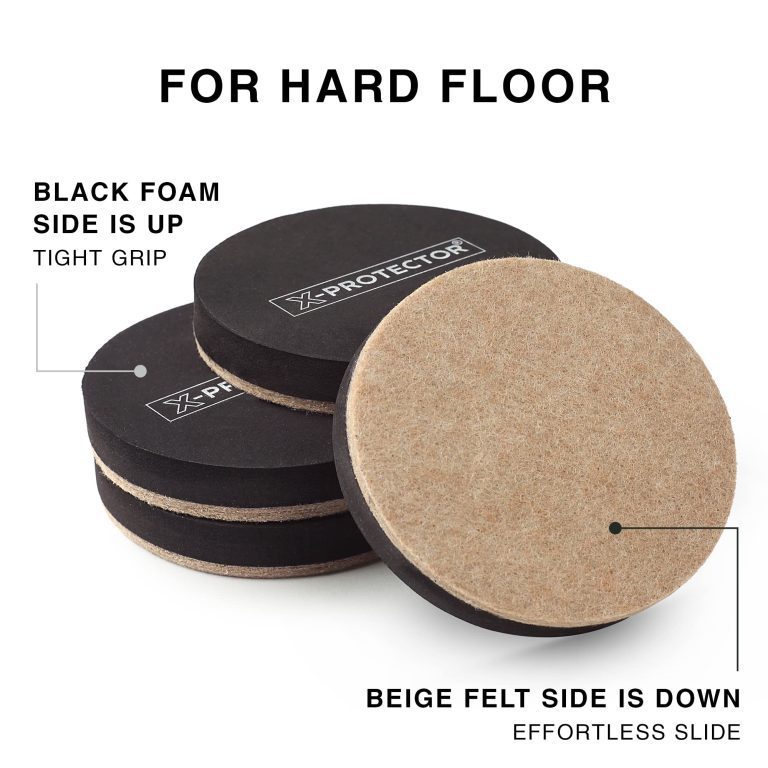
Remember, regular maintenance and care are key to keeping your wood floors looking their best. Avoid dragging heavy furniture across the floor, use felt pads on the bottom of furniture legs, and clean up spills immediately to prevent any further damage. With proper aftercare and restoration, your wood floors will continue to shine for years to come.
Prevention Tips For Future Spills
To prevent future spills and protect wood floors, it’s crucial to use a drop cloth and painter’s tape when painting. Promptly wipe off any paint spills with a damp cloth, and for dried paint, use a heat gun or hairdryer to soften it before gently scraping it off with a plastic scraper.
Regular maintenance and quick action are key to preserving wood floors.
When it comes to maintaining the beauty of your wood floors, prevention is key. By taking some simple precautionary measures, you can avoid the hassle and frustration of dealing with paint spills in the future. Here are some best practices to follow:
Best Practices To Avoid Paint Spills
- Clear the area: Before starting any painting project, make sure to remove all furniture and objects from the room. This will minimize the risk of accidental spills or splatters on your wood floors.
- Protective coverings: Cover your wood floors with protective materials such as drop cloths or plastic sheets. These coverings will act as a barrier, preventing any paint from seeping onto the floor surface.
- Tape it up: Use painter’s tape to secure the protective coverings in place. This will ensure that they stay in position and provide maximum protection for your wood floors.
- Prepare your workspace: Set up a designated area for your painting supplies, away from the wood floors. This will reduce the risk of accidental spills or knocks that can result in paint splattering onto the floor.
- Use a tray or container: When working with paint, pour it into a tray or container specifically designed for painting. This will make it easier to control the amount of paint you use and minimize the chances of spills.
- Work in sections: Instead of tackling the entire room at once, divide your painting project into smaller sections. This will help you maintain better control over the paint and reduce the risk of spills.
Protective Measures During Painting Projects
While prevention is essential, accidents can still happen. To protect your wood floors during painting projects, follow these additional measures:
- Wear protective footwear: Invest in a pair of slip-resistant shoe covers or use old socks to cover your shoes. This will prevent any paint that may have splattered onto your shoes from transferring onto the wood floors.
- Keep cleaning supplies handy: Have a bucket of warm soapy water and clean rags nearby in case of any immediate spills. Promptly cleaning up any paint that lands on the wood floors can prevent it from drying and becoming more difficult to remove.
- Be cautious with brushes and rollers: When using brushes or rollers, be mindful of their proximity to the wood floors. Avoid leaning them against the walls or placing them directly on the floor, as any residual paint can transfer onto the wood surface.
- Work with a steady hand: Take your time and be deliberate with your brush strokes or roller movements. This will help minimize the chances of accidentally splattering paint onto the wood floors.
- Cover air vents: If you have air vents in the room, cover them with plastic sheeting or tape to prevent paint particles from being circulated throughout the house.
By following these prevention tips and protective measures, you can ensure that your wood floors remain pristine and free from paint spills during your painting projects. Taking the time to prepare and protect your floors will save you valuable time and effort in the long run.
Frequently Asked Questions
How To Get Dried Paint Off Of Hardwood Floors?
To remove dried paint from hardwood floors, use a heat gun or hairdryer to soften the paint. Gently scrape it off with a plastic scraper or putty knife, and wipe away any residue with a damp cloth. Avoid using excessive pressure to prevent damage.
How Do You Get Dried Paint Off Fake Wood Floors?
To remove dried paint from fake wood floors, use a heat gun or hairdryer to soften the paint. Gently scrape it off with a plastic scraper or putty knife, then wipe away any residue with a damp cloth. For stubborn paint, try using a homemade solution or acetone nail polish remover.
How To Remove Paint From Wood Without Damaging Finish?
To remove paint from wood without damaging the finish, use a paint stripper. These solvents soften the old finish for easy removal and are available as liquids, gels or pastes. They’re effective on large projects, curved shapes and fine details.
Scrubbing with dishwashing liquid and water can also work for small paint splatters. Avoid using heat guns or excessive pressure, which can damage the wood.
What Is The Best Paint Remover For Hardwood?
The best paint remover for hardwood floors is Max Strip, Citristrip, Smart Strip, or Minwax, depending on whether you want to remove both paint and finish or just paint. Apply the chosen remover according to the instructions provided and gently scrape off the softened paint using a plastic scraper or putty knife.
Wipe away any residue with a damp cloth.
Conclusion
Removing paint from wood floors can be done using various methods such as heat guns, mineral spirits, or homemade solutions. It’s important to approach the process gently to avoid damaging the wood. With the right techniques, you can effectively restore your wood floors to their original beauty.