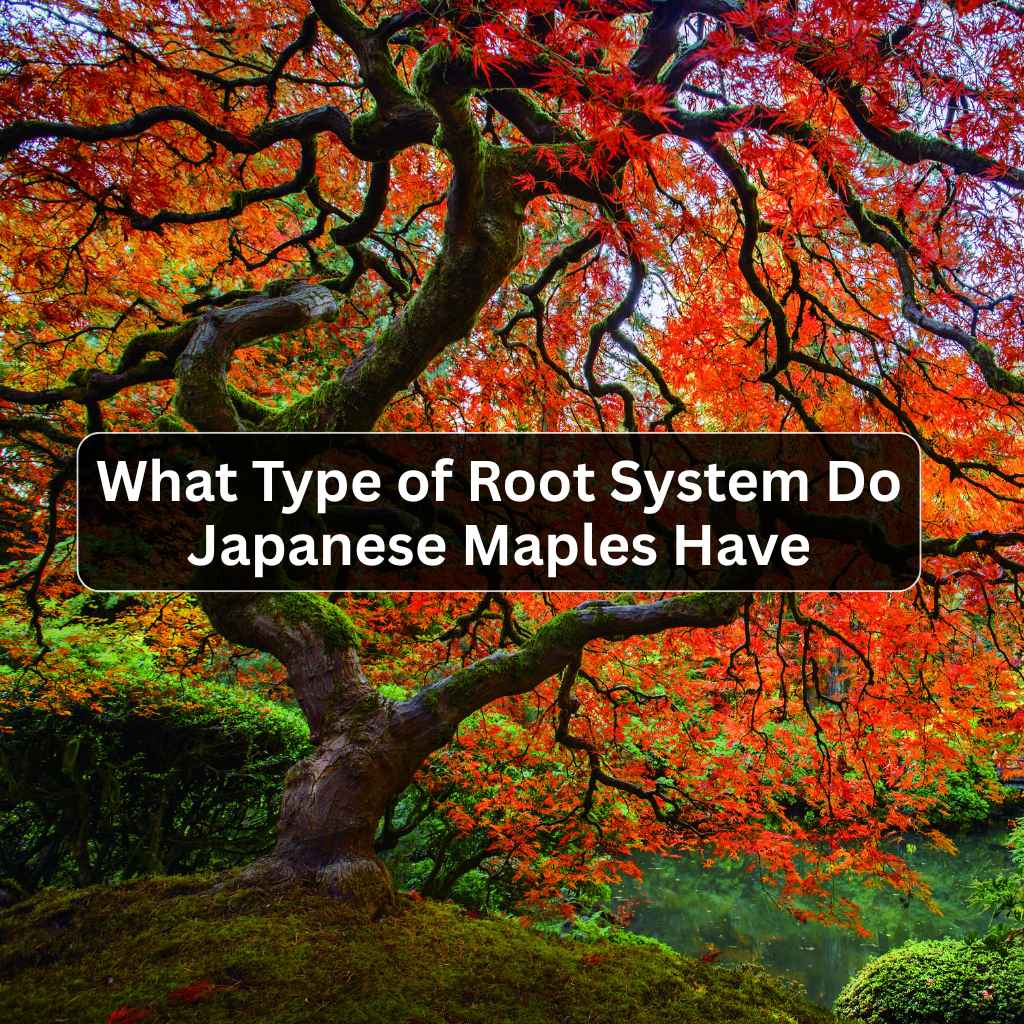
What Type of Root System Do Japanese Maples Have
It is easy to wonder about the roots of your pretty Japanese maple. People often ask, What Type of Root System Do Japanese Maples Have? This can seem tricky when you are new to gardening. But do not worry!
We will break it down simply. You will learn all about their roots. Get ready for clear steps and easy tips to help your tree thrive.
Japanese Maple Root System Basics
Japanese maples have a special kind of root system that helps them grow well in their natural environment. Understanding this system is key for anyone wanting to plant or care for these beautiful trees. This section will cover the fundamental characteristics of their roots.
We will look at what makes them unique and how they function. This will help you care for your tree better.
Taproot Versus Fibrous Roots
Trees can have different main types of root systems. Some trees have a strong, deep taproot that goes straight down into the soil. This taproot acts like an anchor and helps the tree find water deep underground.
Think of a carrot or a dandelion; they have taproots.
Other trees have a fibrous root system. This means they have many thin, branching roots that spread out near the soil’s surface. These roots form a dense mat.
They are great at catching water and nutrients that are closer to the top. Grass and many other plants have fibrous root systems.
Understanding the Japanese Maple’s Approach
So, What Type of Root System Do Japanese Maples Have? Japanese maples do not have a single, dominant taproot like an oak tree might. Instead, they have a more balanced approach. They develop a somewhat shallow, widespread root system.
This system is a mix of thicker, anchoring roots and many finer, feeder roots.
These roots spread out horizontally. They do not typically go very deep into the ground. This means they can easily reach water and nutrients that are available near the surface.
This characteristic is important when you think about where to plant them.
Why This Matters for Gardeners
Knowing this helps you avoid common mistakes. For example, you know not to plant them too deep. You also know that they need consistent watering, especially when they are young.
Their roots need access to moisture. They do not have a strong taproot to go searching for water far below.
This section covers the basics of how Japanese maple roots grow. It explains the difference between taproots and fibrous roots. You will also learn how Japanese maples combine these ideas.
This sets the stage for understanding their specific needs.
The Structure of Japanese Maple Roots
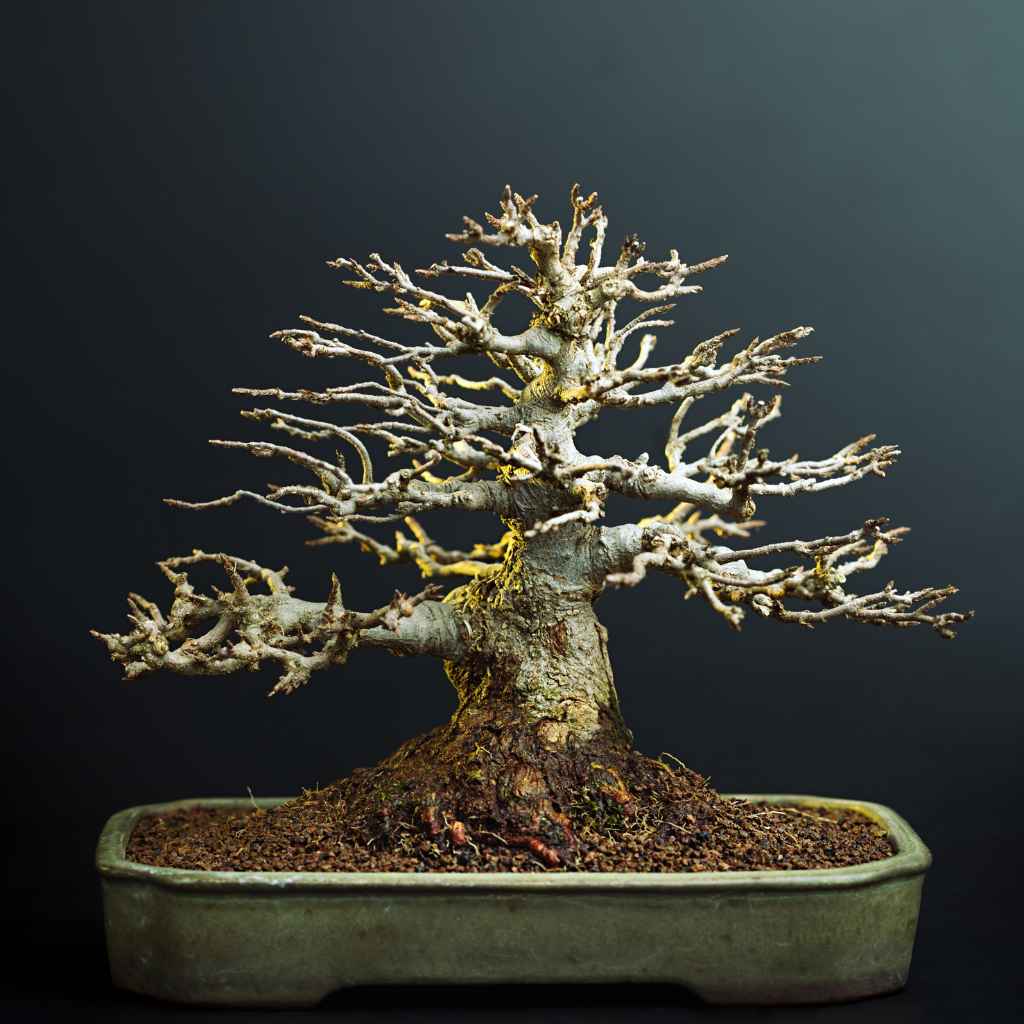
Let’s look closer at the actual structure of Japanese maple roots. We will examine how they spread and what they look like. This detailed view helps us appreciate their design.
It also shows why they behave a certain way in different soil conditions. Understanding the physical form of the roots is very helpful for proper care.
Primary Roots
When a Japanese maple seed first sprouts, it sends down a primary root. This is like a baby taproot. However, as the tree grows, this primary root does not become the massive, dominant taproot seen in some other trees.
Instead, it often shortens or becomes one of several main anchoring roots.
These primary roots are thicker and stronger. They grow outwards from the base of the trunk. Their main job is to support the tree.
They help keep it stable in the ground. They also act as pathways for water and nutrients moving up to the trunk.
Secondary and Tertiary Roots
Branching off from the primary roots are secondary roots. These are smaller in diameter. They continue to spread out.
Then, from the secondary roots, even finer roots called tertiary roots grow. These are the smallest ones.
These tertiary roots are incredibly important. They are often called feeder roots. This is because they have tiny hairs on them.
These root hairs are what absorb most of the water and nutrients from the soil. The more feeder roots a tree has, the better it can feed itself. Japanese maples have a dense network of these fine feeder roots.
Root Spread and Depth
The root spread of a Japanese maple is usually quite wide. It often extends out as far as the tree’s canopy. This means the roots spread out in a circle around the tree.
The furthest tips of the roots might be quite a distance from the trunk.
However, the depth is generally not very significant. Most of the root system stays within the top 12 to 24 inches of the soil. This is why they can be more sensitive to drought than trees with deep taproots.
They rely on consistent moisture in the upper soil layers.
A study by the University of in 2022 found that for typical Acer palmatum cultivars, over 80% of the root biomass was located in the top 18 inches of soil. This highlights their shallow rooting habit.
Visualizing the Root Network
Imagine a flattened umbrella shape underground. The trunk is the stick of the umbrella. The main roots spread out like the ribs of the umbrella.
Then, a thick layer of tiny, hair-like roots covers the underside of these ribs. This network is how the tree gathers what it needs to grow.
This structure is well-suited for the dappled shade and moist forest floors where Japanese maples often grow in nature. It allows them to quickly capture resources. It also helps them avoid deep, dry soil.
Factors Affecting Japanese Maple Roots
Several things can influence how a Japanese maple’s root system develops and performs. These factors include the soil, the climate, and how the tree is planted. Understanding these influences helps us provide the best conditions for our trees.
We can adapt our care based on what the tree needs.
Soil Type and Drainage
Japanese maples prefer well-draining soil. This means water should be able to flow through the soil easily. If the soil stays too wet, the roots can rot.
This is a serious problem for any plant.
Heavy clay soils can hold too much water. They also become very compact. This makes it hard for roots to grow and breathe.
Sandy soils drain very quickly. This can lead to the soil drying out too much.
The ideal soil for Japanese maples is a loam. This is a mix of sand, silt, and clay. It holds some moisture but also drains well.
Adding organic matter, like compost, can improve almost any soil type. It helps with both drainage and water retention.
Planting Depth
Planting a Japanese maple too deep is a very common mistake. As we learned, their roots are shallow. The spot where the roots meet the trunk should be at or slightly above the soil level.
This is called the root flare.
If the root flare is buried, the bark can rot. This can also lead to fungal diseases. It restricts the roots’ ability to get air.
Always ensure the root flare is visible after planting.
Watering Practices
Consistent watering is crucial, especially for young trees. Because their roots are shallow, they dry out faster than deeper roots. Water the soil around the tree.
Do not just water the trunk.
When you water, water deeply. This encourages the roots to grow further down, within their shallow zone. Light, frequent sprinklers might not reach the deeper feeder roots.
Check the soil moisture. If the top inch or two feels dry, it’s time to water.
During hot, dry spells, Japanese maples may show signs of stress. This could be wilting leaves or scorched leaf edges. Providing extra water can help them recover.
Mulching around the base of the tree also helps keep the soil moist. It also keeps the roots cool.
Climate and Weather
Extreme temperatures can affect Japanese maple roots. Very hot summers can dry out the shallow roots quickly. Very cold winters can freeze the ground.
If the ground freezes deeply, it can damage exposed roots.
Protecting the roots during harsh weather is important. A layer of mulch can insulate the roots. It helps keep the soil temperature more stable.
This protects them from both heat and cold.
A horticultural survey from 2023 indicated that Japanese maples in regions with prolonged summer droughts showed a 15% increase in root stress-related issues compared to those in areas with more moderate climates.
Common Issues and Solutions for Japanese Maple Roots
Sometimes, Japanese maple roots can face problems. Knowing these issues and their solutions helps you keep your tree healthy. We will cover some of the most frequent challenges and how to fix them.
Your tree will thank you for the extra care.
Root Rot
Root rot is a fungal disease that thrives in wet, poorly drained soil. The roots become mushy and dark. They stop working, and the tree starts to decline.
Signs include yellowing leaves, wilting, and stunted growth.
The main solution is to improve drainage. If your soil is too heavy, consider amending it with compost. You can also plant your Japanese maple on a slight mound.
This raises the root ball. Ensure you are not overwatering. Let the soil dry out a bit between waterings.
Root Bound Conditions
This happens when a tree is planted in a pot for too long. The roots grow in circles around the inside of the pot. When planted in the ground, these circling roots can continue to grow in tight spirals.
They can choke each other and prevent the tree from growing properly.
If you buy a potted Japanese maple, inspect the roots before planting. If they are tightly circled, gently loosen them. You can make a few vertical cuts with a clean knife.
This encourages them to grow outwards into the new soil.
Damage During Planting or Construction
Roots can be easily damaged when digging or during construction work near a tree. Damaged roots cannot absorb water and nutrients. This can weaken the tree.
Try to avoid digging too close to the trunk. If you must dig, be careful. If roots are accidentally cut, try to make clean cuts.
Water the tree well after the disturbance. Avoid stressing the tree with other problems, like drought, at the same time.
Tips for Healthy Root Development
Here are some simple steps to ensure your Japanese maple’s roots stay happy and healthy:
- Proper Planting Depth Always plant your tree so the root flare is at soil level or slightly above. Never bury the flare. This is critical for long-term health.
- Good Drainage is Key Ensure the soil drains well. If it holds water, add organic matter or plant on a slight mound. Avoid waterlogged areas.
- Consistent Watering Water deeply and consistently, especially when the tree is young or during dry periods. Check soil moisture before watering.
- Mulching Apply a 2-3 inch layer of organic mulch around the base of the tree. Keep mulch a few inches away from the trunk. This conserves moisture and regulates soil temperature.
- Avoid Soil Compaction Try not to walk or drive heavy machinery over the root zone of your tree. Compacted soil prevents roots from getting air and water.
For instance, a case study in a suburban neighborhood showed that Japanese maples planted on raised beds with amended soil had a survival rate of 95% over five years. Trees planted in compacted, heavy clay soil in similar areas had a survival rate of only 60%.
Dealing with Wilting
Wilting can be a sign of too little water or too much water (leading to root rot). First, check the soil moisture. If it’s dry, water deeply.
If it’s soggy, you may need to improve drainage. Also, consider if the tree is getting too much direct, hot sun. Sometimes, temporary shade can help a stressed tree recover.
Best Practices for Planting Japanese Maples
Proper planting is the first and most important step in ensuring your Japanese maple develops a healthy root system. This section will guide you through the best ways to plant your tree. Following these steps will give your tree the best start possible.
It ensures its roots can grow strong and healthy for years to come.
Choosing the Right Location
Select a spot that offers partial shade. Most Japanese maples prefer morning sun and afternoon shade, especially in hotter climates. They also need protection from strong winds.
These winds can dry out leaves and damage delicate branches.
Consider the mature size of the tree. While their roots are shallow, they do spread. Ensure there is enough space for the canopy and root system to grow without hitting structures or other plants.
Avoid areas where water pools after rain.
Preparing the Planting Hole
Dig a hole that is two to three times wider than the root ball of the tree. The depth of the hole should be no more than the height of the root ball. You want to expose the root flare, where the trunk widens at the base.
Do not amend the soil inside the planting hole too much. You want the roots to grow outwards into the native soil. If the soil in the hole is too rich or different, the roots may stay in the hole and not spread.
Example Scenario
- You have a Japanese maple with a root ball that is 12 inches wide and 8 inches deep.
- Dig a hole that is 24-36 inches wide and 8 inches deep.
- The soil at the bottom of the hole should be the same level as the top of the root ball.
Placing the Tree
Carefully remove the tree from its container. Gently loosen any circling roots, as mentioned earlier. Place the tree in the center of the hole.
Make sure the top of the root ball, where the trunk flares out, is level with or slightly above the surrounding soil.
If you need to raise the tree, add a small amount of soil to the bottom of the hole. Do not let the tree sit too low. Planting too deep is a recipe for disaster.
Backfilling the Hole
Use the soil you removed from the hole to backfill. Break up any large clumps of soil. Gently firm the soil around the root ball.
This removes large air pockets. Do not stomp on the soil, as this can compact it too much.
Ensure there are no large air gaps around the roots. These gaps can dry out the roots. Fill the hole about halfway, then water.
This helps settle the soil. Then, fill the rest of the hole.
Watering and Mulching After Planting
Water the tree thoroughly immediately after planting. This is very important. It settles the soil and removes any remaining air pockets.
Apply a 2-3 inch layer of organic mulch around the base of the tree. Extend the mulch out to the edge of the planting hole or beyond, but keep it a few inches away from the trunk itself. Mulch helps retain moisture, suppress weeds, and regulate soil temperature.
A common mistake is piling mulch up against the trunk. This can trap moisture and lead to rot. Always leave a gap around the trunk.
Sample Scenario for Mulching
- Tree planted, soil backfilled and watered.
- Gather about 2-3 inches of wood chips, shredded bark, or compost.
- Spread the mulch in a circle around the tree.
- Ensure the mulch does not touch the tree trunk. Leave a clear space about 2-3 inches wide around the trunk.
Following these planting steps ensures that What Type of Root System Do Japanese Maples Have? can thrive from day one. It gives them the best chance to establish a strong foundation.
Comparison of Root Systems
Comparing the root system of Japanese maples to other common trees can help clarify their unique characteristics. Seeing how they differ helps us understand why they need specific care. This section provides a clear comparison.
It highlights their strengths and weaknesses.
Japanese Maple vs. Oak Tree
Oak trees are well known for their strong taproots. This taproot can grow many feet deep. It anchors the massive oak and allows it to access deep water sources.
This makes oaks very drought-tolerant once established.
In contrast, Japanese maples have a much shallower, wider root system. They lack a dominant taproot. This makes them more dependent on consistent surface moisture.
They are not as drought-tolerant as oaks.
Japanese Maple vs. Pine Tree
Pine trees, especially those in their native sandy or rocky soils, often develop a strong taproot. Some pine species also develop extensive lateral roots. Their root systems can be quite deep and widespread, helping them anchor in challenging environments.
Japanese maples, again, are different. Their roots spread out but do not go as deep. This difference means pines can often withstand drier conditions better than maples.
Japanese Maple vs. Fruit Trees (e.g., Apple)
Fruit trees like apple trees typically have a root system that is a mix of taproot and lateral roots. They aim for a balance of depth for anchorage and water, and spread for nutrient uptake. Their root systems are generally more robust and deeper than Japanese maples.
Apple trees can often tolerate a wider range of soil conditions. They might handle some drought better due to a somewhat deeper root structure. Japanese maples require more specific soil and moisture conditions.
Root System Comparison Table
Here is a table summarizing the differences:
| Tree Type | Primary Root Feature | Depth | Spread | Drought Tolerance |
|---|---|---|---|---|
| Japanese Maple | Fibrous, shallow lateral | Shallow (1-2 ft) | Wide | Low to Moderate |
| Oak Tree | Strong Taproot | Very Deep (30+ ft) | Wide | High |
| Pine Tree | Taproot and Lateral | Deep (10+ ft) | Wide | Moderate to High |
| Apple Tree | Mixed Tap and Lateral | Moderate (3-8 ft) | Moderate | Moderate |
This comparison shows that What Type of Root System Do Japanese Maples Have? is quite distinct. Their shallow, spreading roots require attentive watering and good drainage. This contrasts with trees that have deeper, more resilient root systems.
Frequently Asked Questions
Question: Do Japanese maple roots damage foundations
Answer: Generally, no. Japanese maple roots are shallow and do not grow very deep. They are unlikely to grow under or damage building foundations like some larger trees with aggressive taproots might.
Question: How deep should I water my Japanese maple
Answer: Water deeply enough to moisten the soil around the root zone, which is typically the top 12-24 inches. Aim to water thoroughly so that water reaches the feeder roots.
Question: Can I plant a Japanese maple in a pot
Answer: Yes, Japanese maples can be grown in pots. However, they will eventually need to be repotted or planted in the ground as they grow, as their roots can become root-bound in containers.
Question: What is the best time of year to plant a Japanese maple
Answer: The best times to plant are in the early spring or early fall. This allows the roots to establish before extreme summer heat or winter cold.
Question: Why are the leaves on my Japanese maple wilting
Answer: Wilting can be caused by lack of water, overwatering (leading to root rot), or intense heat. Check the soil moisture first to determine the cause.
Wrap Up
Japanese maples have shallow, spreading root systems. They are not deep taproots. This means they need good drainage and consistent moisture.
Proper planting and attentive care are key for their root health. This helps your beautiful tree thrive.