When Do Ash Tree Leaves Fall: Seasonal Insights
Ash tree leaves typically fall in autumn, often before turning yellow. Ash trees shed their leaves early and quickly compared to other species, such as sycamore trees.
This characteristic sets ash trees apart in terms of leaf dropping speed during the fall season. As the seasons change and autumn arrives, ash trees display a beautiful transformation by shedding their leaves. The vibrant yellow leaves of ash trees create a stunning sight in landscapes, marking the transition to the colder months.
Unlike sycamore trees that turn shades of brown, ash trees swiftly drop their leaves, adding a unique touch to the fall scenery. Understanding when ash tree leaves fall can help appreciate the beauty of nature’s cycle and the distinct features of these trees.
Ash Tree Leaf Fall: An Introduction
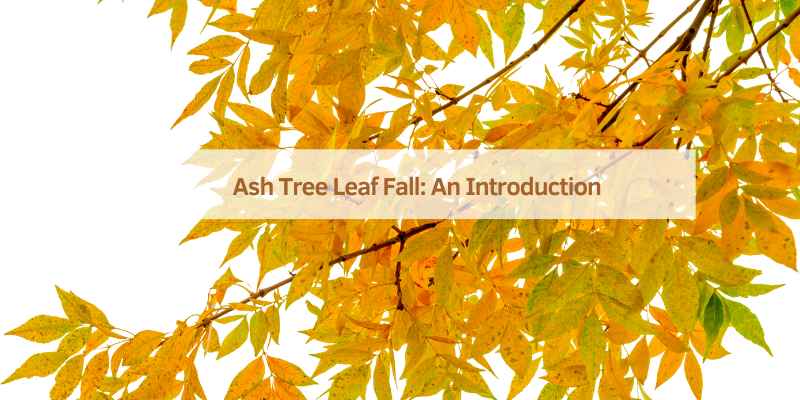
Ash trees are known for their distinctive leaves that turn a brilliant yellow in the fall. Understanding when and why ash tree leaves fall can provide valuable insights into the natural cycles of these trees.
Seasonal Patterns
Ash trees are among the first to lose their leaves in the autumn season. The leaves often turn yellow before falling, creating a stunning display of fall colors. Unlike some other tree species, ash trees shed their leaves early and swiftly, adding a unique element to the fall landscape.
Species Variations
One notable difference between ash trees and other species, such as sycamores, is the speed at which they drop their leaves. Ash trees tend to lose their leaves quickly, sometimes even while they are still green. This characteristic sets them apart and makes them easily recognizable during the fall season.
The Science Behind Leaf Shedding
Ash tree leaves fall in autumn, usually among the first to shed their greenery. The process is quick and noticeable, with the leaves turning a brilliant yellow before dropping. This behavior is distinct from other tree species, making ash trees easily identifiable during the fall season.
Deciduous Nature Of Ash Trees
Ash trees are deciduous, shedding their leaves as part of their natural life cycle. This deciduous nature is essential for the survival of the tree, allowing it to conserve resources and protect itself during harsh environmental conditions.
Environmental Triggers
Various environmental factors trigger the shedding of ash tree leaves. Changes in temperature, light, and moisture levels play a significant role in signaling the tree to prepare for leaf shedding. Additionally, the onset of autumn triggers chemical processes within the tree that lead to the gradual shedding of leaves.
Ash trees drop their leaves early and quickly. The leaves often fall while still green, but they may yellow slightly before falling. Ash keys fall from the tree in winter and early spring, and are dispersed by birds and mammals.
Heat or drought stress can also cause trees to prematurely shed their leaves as a survival mechanism to conserve vital moisture. However, ash trees killed by emerald ash borer become extremely brittle and break easily as they decline, posing a risk of falling branches.
In conclusion, understanding the science behind leaf shedding in ash trees allows us to appreciate the intricate mechanisms that trees employ to adapt to environmental changes.
Autumn: The Peak Season
Ash tree leaves typically fall during the autumn season, showcasing a vibrant yellow hue before dropping quickly. Unlike sycamore trees, ash trees shed their leaves early, adding a unique touch to the fall landscape.
Color Changes
Autumn is the peak season for Ash trees, marking the end of their growing season. During this time, the leaves of Ash trees change color, transforming the landscape into a brilliant display of warm hues. The green leaves of Ash trees turn to hues of yellow, orange, and red, making them an ideal addition to any fall garden. The vibrant color change is due to the decrease in chlorophyll production, revealing the other pigments present in the leaves.
Early Shedders Explained
Ash trees are known to shed their leaves early and quickly, setting them apart from other tree species. The leaves often fall while still green, but they may yellow slightly before falling. This early shedding is a survival mechanism for the Ash tree, allowing it to conserve vital energy and nutrients during the colder months. The Ash tree drops its leaves quickly, preventing the risk of damage from heavy snow and ice buildup in the winter season.
So, if you have an Ash tree in your yard, don’t be alarmed if you notice the leaves falling early. It’s a natural process that the tree undergoes to prepare for the winter months. And, it’s a great opportunity to enjoy the beautiful fall colors before the tree goes dormant for the winter.
In conclusion, Ash trees are known for their early shedding of leaves during the autumn season. The color change of the leaves is a beautiful and natural process that marks the end of the growing season for the Ash tree. By shedding their leaves early, Ash trees conserve vital energy and nutrients, preparing for the winter months ahead.
Unexpected Leaf Fall: Spring And Summer
During the spring and summer months, it can be quite alarming to witness ash trees shedding their leaves unexpectedly. This phenomenon can be attributed to various factors such as heat and drought stress, fungal diseases, and pest infestations. Understanding the causes behind this untimely leaf fall is crucial in effectively managing the health of ash trees.
Heat And Drought Stress
Ash trees can experience significant stress due to relentless summer heat and prolonged drought. In response to these adverse conditions, trees may resort to premature leaf shedding as a survival mechanism to conserve vital moisture. This unexpected leaf fall during spring and summer serves as a clear indicator of the tree’s struggle to cope with the harsh environmental factors.
Fungal Diseases And Pests
Fungal diseases and pest infestations can also contribute to the premature shedding of ash tree leaves. Infections such as ash dieback and anthracnose can weaken the tree, leading to the untimely loss of foliage. Additionally, pests like the emerald ash borer can cause extensive damage, resulting in the accelerated shedding of leaves as the tree’s health deteriorates.
Ash Trees And The Emerald Ash Borer
Ash trees typically lose their leaves in the autumn season. The leaves turn a vibrant yellow color before falling off, distinguishing them from other tree species. It is important to note that ash trees shed their leaves early and quickly compared to other trees.
The Threat: Emerald Ash Borer Infestation
One of the biggest threats to ash trees is the infestation of the Emerald Ash Borer (EAB). This invasive beetle has caused widespread damage to ash tree populations across North America. Originally from Asia, the EAB was first discovered in the United States in the early 2000s and has since spread rapidly, devastating ash tree populations in its path.
Consequences Of Infestation
The infestation of ash trees by the Emerald Ash Borer can have severe consequences. Once infested, the EAB larvae tunnel beneath the bark of ash trees, disrupting the tree’s ability to transport nutrients and water. As a result, the tree’s health deteriorates, leading to branch dieback, crown thinning, and ultimately, tree death.
The impact of the EAB infestation goes beyond the loss of individual trees. Ash trees play an important ecological role, providing habitat and food for various wildlife species. The loss of ash trees can disrupt ecosystems and have ripple effects on biodiversity.
Furthermore, ash trees are often valued for their aesthetic appeal and shade-providing qualities. The loss of these trees can have a negative impact on the visual appeal of landscapes and the overall quality of outdoor spaces.
What Can Be Done?
Efforts to combat the Emerald Ash Borer infestation include the implementation of management strategies such as the removal and destruction of infested trees, the use of insecticide treatments, and the development of resistant ash tree varieties. These measures aim to slow down the spread of the EAB and preserve ash tree populations.
It is crucial for homeowners, arborists, and communities to be vigilant and proactive in detecting and managing EAB infestations. Early detection and intervention can make a significant difference in minimizing the impact of the Emerald Ash Borer on ash tree populations.
By understanding the threat posed by the Emerald Ash Borer and taking appropriate action, we can work towards preserving ash trees and the many benefits they provide to our environment and communities.
Safety Concerns With Falling Ash Trees
Ash tree leaves typically fall in autumn, but ash trees can also drop their leaves early due to stress or diseases. Falling ash trees pose safety concerns as they can become brittle and prone to breaking, posing a risk of falling branches.
It’s important to monitor the health of ash trees and take necessary precautions to prevent accidents.
Ash trees, especially those affected by emerald ash borer, pose safety risks due to their brittle nature and tendency to drop branches unexpectedly.
Brittle Trees And Falling Branches
The decline of ash trees due to emerald ash borer infestation makes them prone to breaking easily, leading to branches falling without warning.
Preventive Measures
- Regular inspection of ash trees for signs of decay or infestation.
- Pruning dead or weak branches to reduce the risk of falling.
- Consulting with arborists for professional evaluation and treatment options.
- Consideration of tree removal if the risk of falling branches is significant.
Conservation Efforts For Ash Trees
Conservation efforts for ash trees are crucial in the face of threats such as the emerald ash borer. Research and management, as well as community involvement, play significant roles in preserving these valuable trees.
Research And Management
Research into ash tree diseases and pests is essential for developing effective management strategies. By understanding the threats, experts can work on developing treatments and preventive measures to safeguard ash tree populations.
Community Involvement
Engaging the community is vital for the success of ash tree conservation efforts. Raising awareness about the importance of ash trees and educating the public about ways to prevent the spread of pests and diseases is critical. Involving local residents in planting and caring for ash trees can also contribute to their preservation.
Frequently Asked Questions
Do Ash Trees Drop Their Leaves Early?
Yes, ash trees do drop their leaves early. They shed their leaves quickly and are among the first trees to lose their leaves in autumn. The leaves often fall while still green, but they may yellow slightly before falling. This is a notable difference between ash trees and other species like sycamore trees, whose leaves turn shades of brown before falling.
Does Ash Lose Its Leaves In Winter?
Yes, ash trees lose their leaves in winter, often shedding them early and quickly. The leaves may fall while still green or yellow slightly before dropping. This natural process is part of the tree’s life cycle.
Why Are Leaves Falling Off Trees In May?
Ash trees may drop leaves in May due to heat or drought stress, causing them to conserve moisture.
Are Ash Trees Prone To Falling?
Ash trees are prone to falling, especially when they are affected by the emerald ash borer. These trees become brittle and can easily break, posing a danger to people and property. It is important to remove dying ash trees in a timely manner to avoid any potential risks.
Conclusion
If you’re wondering when ash tree leaves fall, the answer is usually in early autumn. While the leaves turn a beautiful shade of yellow, they also tend to drop quickly, unlike other tree species. It’s important to keep an eye on your ash trees, especially if they’ve been affected by pests or disease, as they can become brittle and prone to falling.
By taking care of your ash trees and being aware of their behavior, you can enjoy their beauty for years to come.