How Long Does Ash Wood Take to Season?
Ash seasons faster than most hardwoods — typically 6 to 12 months once it’s split and stacked correctly, compared to 18-24 months for oak.
Here’s how to tell it’s actually ready to burn, and what slows the process down if you’re not seeing results.
Ash Wood Characteristics
BEST MOISTURE METER FOR SEASONING WOOD
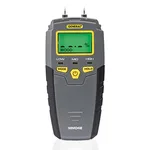 |
General Tools MMD4E Digital Moisture Meter – $37.70 The only reliable way to know ash is actually ready to burn is to measure it, not guess by weight or color.
|
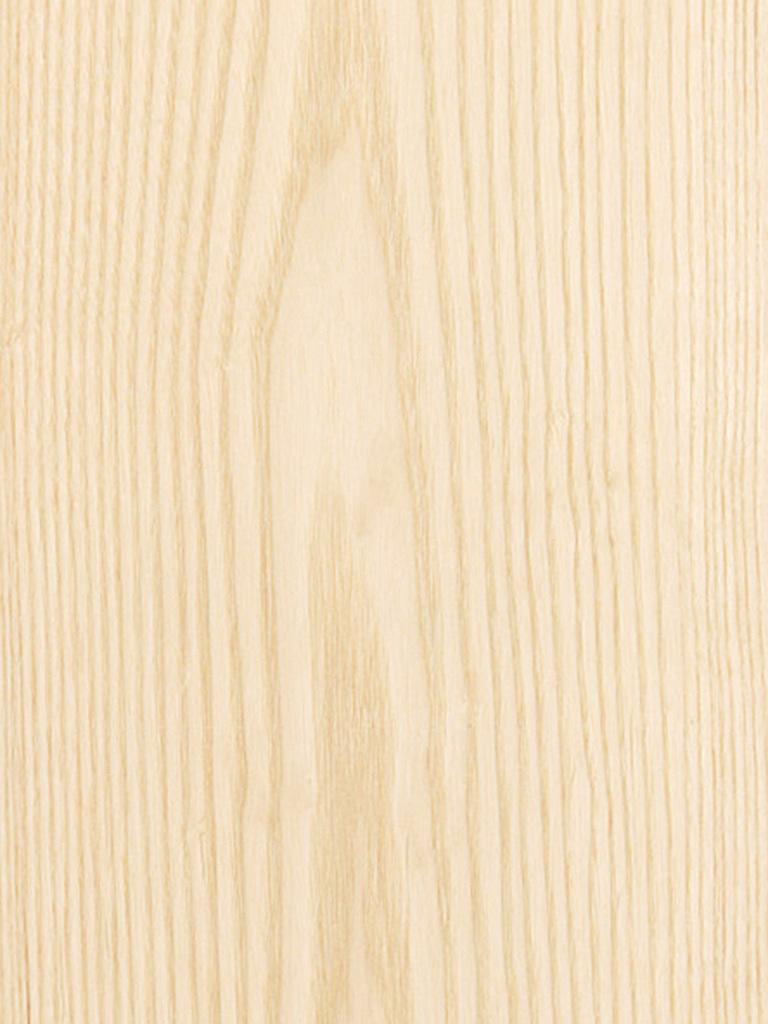
Ash’s Janka hardness of around 1,320 lbf and dense, ring-porous grain are exactly why it’s a favorite for furniture and tool handles – but that same density is what makes seasoning it properly non-negotiable if you’re burning it. A living ash tree carries a moisture content of 30-45% by weight in its wood fibers, and all of that has to evaporate out before the wood burns efficiently.
Green (unseasoned) ash is genuinely hard to light and burns cool and smoky, because a large share of the fire’s initial heat gets consumed boiling off trapped water instead of combusting wood fiber – that’s also what causes heavy creosote buildup in a chimney burning wet wood. Once seasoned down to the 15-20% moisture range that firewood needs, ash lights easily and burns hot and clean. The simplest field tests: seasoned rounds are noticeably lighter than green ones of the same size, the ends show visible radial cracking (called “checking”), and two dry pieces knocked together make a sharp, hollow crack instead of the dull thud of wet wood.
Credit: www.reddit.com
Seasoning Process Basics
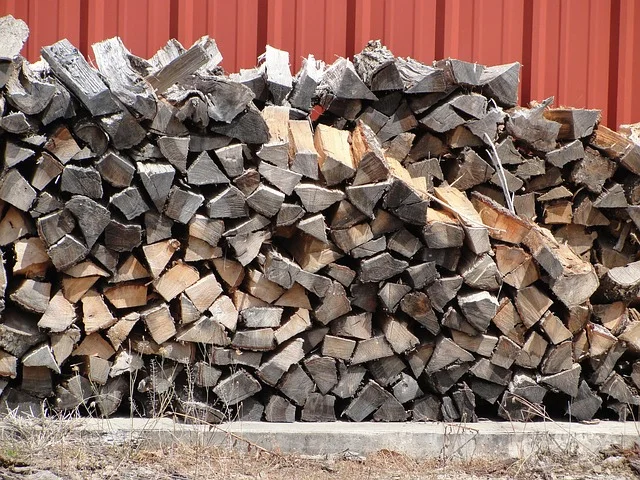
Air drying is the standard method for firewood and works by simple evaporation: split rounds are stacked with gaps between them so wind can pass through the pile, wicking moisture away layer by layer from the outside in. Ash’s comparatively open grain structure lets moisture migrate out faster than it does in tighter-grained hardwoods like oak, which is the actual reason ash seasons in roughly half the time oak needs (6-12 months versus 18-24) – not a difference in starting moisture content, but in how quickly that moisture can escape through the wood’s own cell structure.
Kiln drying is a different process entirely, generally used for lumber rather than firewood: heated, circulated air in a sealed chamber drives moisture out in days to a few weeks instead of months, with the added benefit of killing any insect larvae or fungal spores in the wood. For firewood, kiln drying is rarely worth the equipment cost when simply splitting, stacking, and waiting a season accomplishes the same 15-20% target moisture for free.
Factors Affecting Seasoning Time
Climate affects seasoning through the same evaporation math as any drying process: wind and low humidity pull moisture out of wood faster than still, humid air, and direct sun adds enough surface heat to meaningfully speed the process further. This is why the same ash rounds season in 6 months in a windy, sunny Midwest summer but can take closer to a full year in the humid, still-air conditions common in parts of the Southeast – the wood itself hasn’t changed, only how fast its surroundings can carry moisture away.
Splitting matters more than most people expect: an unsplit round has bark acting as a natural moisture barrier on most of its surface, so nearly all the drying has to happen through the cut ends – which is slow, since end-grain drying happens roughly 10-12 times faster than drying through the sides, but only accounts for a small fraction of a round’s total surface area. Splitting a round exposes the much larger side-grain surface directly to air, which is the single biggest factor in cutting ash’s seasoning time down to that 6-to-12-month range rather than the 2+ years an unsplit round can take.
Benefits Of Proper Seasoning
Ash’s heat output as firewood – around 24 million BTU per cord, near the top of the common firewood chart – only shows up fully once the wood is properly seasoned. Burning it green wastes a meaningful share of that potential heat boiling off residual water, and produces the creosote buildup mentioned earlier, which is a genuine chimney fire risk over a heating season, not just an inconvenience.
For woodworking rather than burning, seasoning (or kiln-drying to a similar target) matters even more: unseasoned lumber continues to shrink and move as it loses moisture, which is exactly why a piece of furniture built from green wood develops gaps, warping, or cracked joints months after assembly. Wood dried to equilibrium with its environment (typically 6-8% for interior use) stays dimensionally stable, which is the entire point of seasoning it before cutting joinery.
Common Mistakes In Seasoning
The single most common seasoning mistake is stacking wood directly against a wall or fence, which blocks airflow on one whole side of the pile and can leave that side barely drier after a year than the day it was cut. Pallets or a simple rack of scrap 2x4s raised a few inches off the ground do two things at once: they keep the bottom row off damp soil, and they let air move underneath the pile as well as through it, which noticeably speeds drying on lower rows that would otherwise lag behind the top of the stack.
The second common mistake is the opposite problem – covering the entire woodpile in a tarp that wraps all the way to the ground. That traps humidity against the wood exactly like a greenhouse and can slow seasoning more than leaving it fully uncovered. The better approach is covering only the top of the stack (to shed rain and snow) while leaving the sides open to airflow – a genuinely well-ventilated top-covered stack in a sunny spot can outseason a fully tarped pile by months.
Expert Tips For Seasoning Ash Wood
Six months is realistic for ash under good conditions (split, stacked off the ground, full sun and wind exposure), but plan on the fuller 12-month window if you’re in a humid climate or storing in a shadier spot – six months is the best case, not a guarantee. Cutting and splitting in late winter or early spring gives a full summer of peak drying weather before the wood needs to be burned that following winter, which is why most experienced burners work a year ahead rather than cutting wood the same season they plan to use it.
A pin-type moisture meter is the only way to actually confirm readiness rather than guessing from weight or sound – test a freshly split face of the wood, not the weathered exterior, since the outside of a round dries faster than the core and can read misleadingly low. Below 20% moisture is the standard target for good combustion; anything higher and you’re back to the smoky, inefficient burn that unseasoned wood produces. Recheck after any extended rain, since a top-covered stack can still pick up some surface moisture that needs a few dry days to shed again before the reading is trustworthy.
Credit: www.reddit.com
Frequently Asked Questions
How Long Do You Need To Season Ash Wood?
Season ash wood for 6 to 12 months. Ensure proper airflow and stacking to reduce moisture content. This duration allows the wood to dry adequately, making it suitable for burning or woodworking.
How Can You Tell If Ash Wood Is Seasoned?
Check moisture content; seasoned ash wood should be below 20%. Look for cracks and a lighter color. It sounds hollow when tapped and feels dry. Properly seasoned wood burns easily and produces less smoke. Store in a dry place for optimal seasoning.
How Long Does It Take To Season Dead Ash?
Dead ash wood typically takes 6-12 months to season properly. Ensure it’s stored in a dry, ventilated area. Splitting the wood accelerates the drying process. Well-seasoned ash burns efficiently, providing good heat output. Regularly check moisture levels to confirm it’s ready for use.
Proper seasoning ensures optimal burning performance.
Does Ash Wood Rot Quickly?
Ash wood is moderately durable and can resist decay. Proper treatment extends its lifespan and prevents quick rot. Regular maintenance is key to preserving its quality. Use protective finishes and store in dry conditions to avoid rot. Ash wood is suitable for indoor and outdoor use with proper care.
Conclusion
Split, stack off the ground with room for air on all sides, cover only the top, and give it 6 to 12 months depending on your climate – that combination is what actually determines ash’s seasoning time, far more than any single trick. A moisture meter reading under 20% on a freshly split face is the only real confirmation it’s ready; everything else (weight, sound, visible cracking) is a useful rough indicator but not a substitute for an actual measurement.
The payoff for waiting out the full season is real: ash’s roughly 24 million BTU per cord only delivers close to that number once the wood is actually dry, and skipping ahead to burn it green both wastes a chunk of that heat output and adds creosote to your chimney that a properly seasoned burn wouldn’t produce.
Sponsored / affiliate links. As an Amazon Associate I earn from qualifying purchases. I may earn additional commission from eligible campaigns.