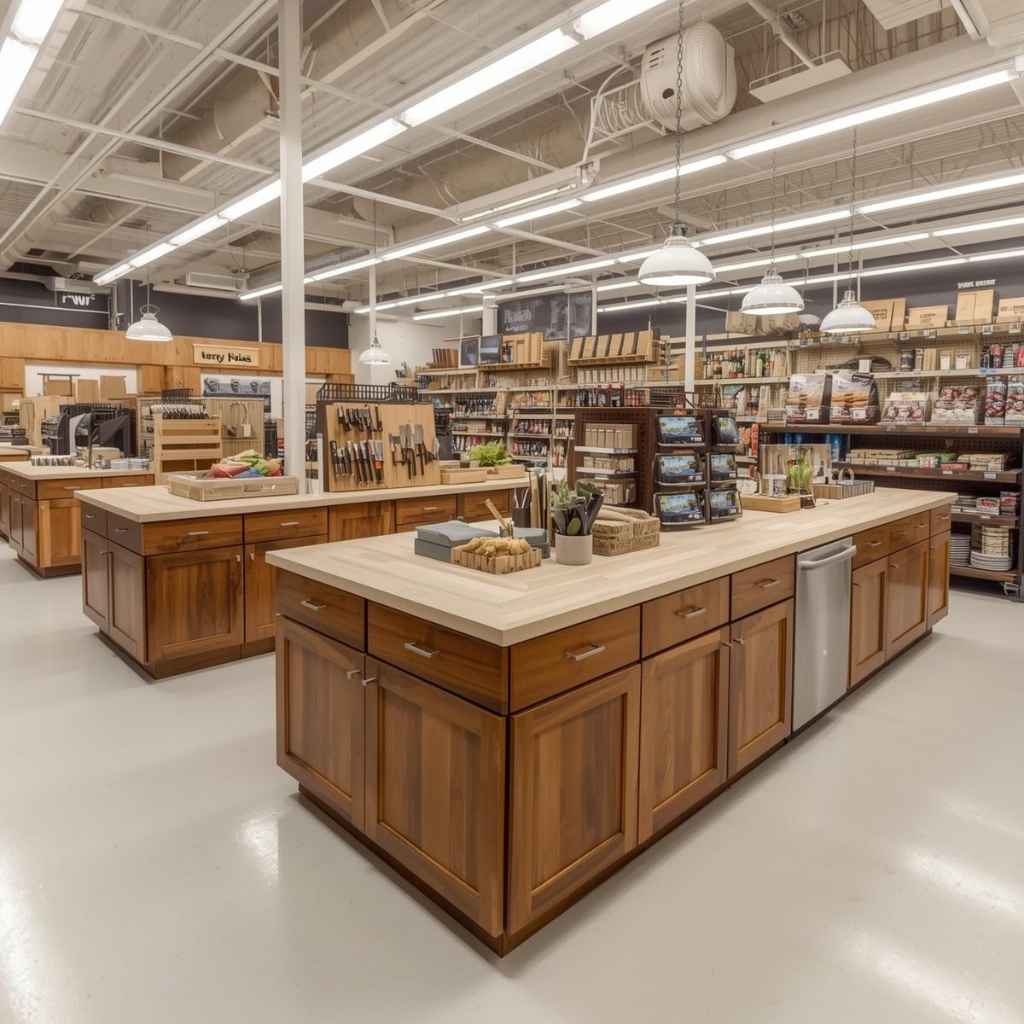
Where to Buy Butcher Block Countertops
Figuring out Where to Buy Butcher Block Countertops can seem tricky when you’re new to home projects. You see beautiful kitchens online and wonder where those gorgeous wood surfaces come from. It’s easy to feel a little lost with all the options out there.
But don’t worry, we’re here to make it super simple. We’ll walk you through every step so you can find the perfect butcher block for your home without any hassle. Let’s get started finding your dream countertop.
Finding Butcher Block Countertop Suppliers
This section is all about where you can actually go to get your butcher block countertops. We’ll explore the different types of places that sell them, from big box stores to smaller specialty shops. Understanding these options helps you pick the best fit for your budget and what you’re looking for.
We’ll explain what makes each type of supplier unique so you know what to expect.
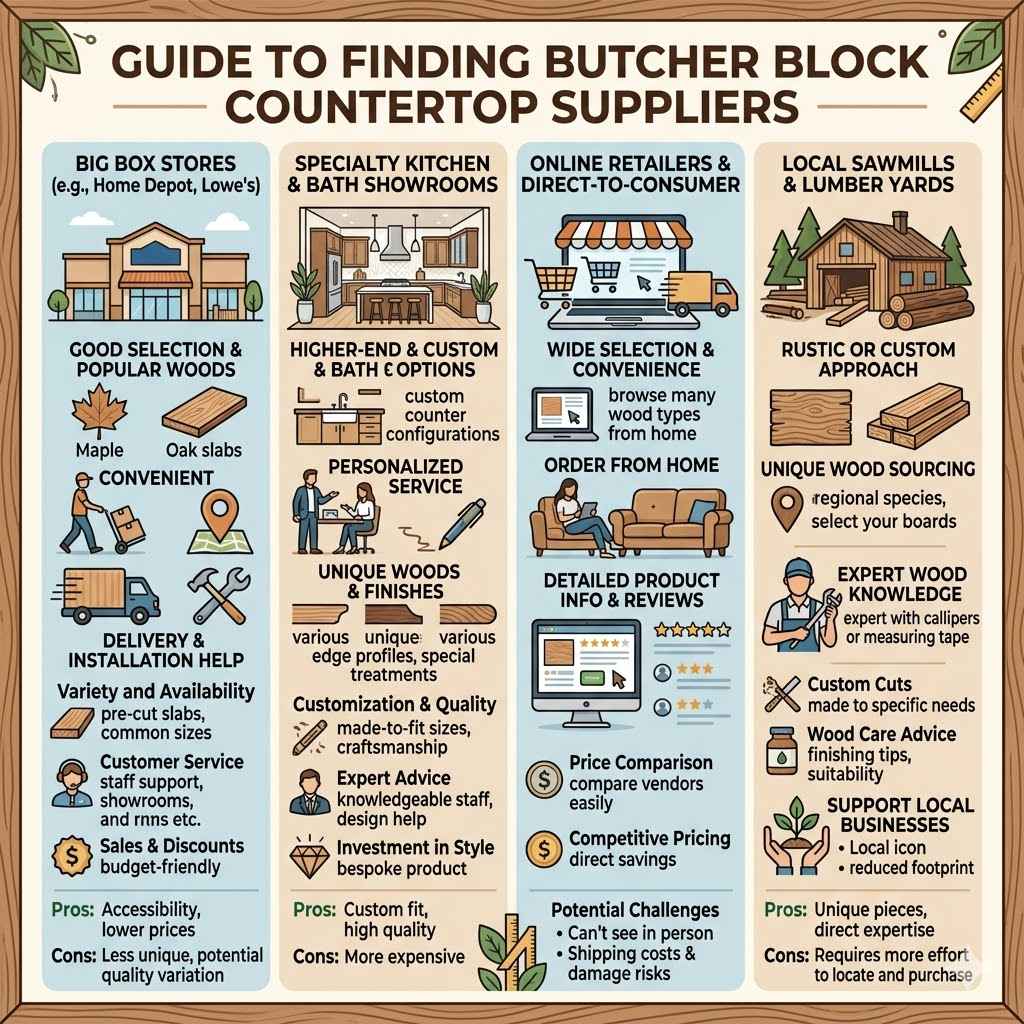
Big Box Home Improvement Stores
Stores like Home Depot and Lowe’s are common places people think of for home projects. They often have a good selection of butcher block countertops, especially popular wood types like maple or oak. These stores are convenient because you can usually see the materials in person.
They also offer delivery services and sometimes installation help.
Variety and Availability
Big box stores aim to cater to a wide range of customers. This means they stock common wood species and standard sizes. You can often find pre-cut slabs ready to go, which speeds up your project.
They also frequently have sales and discounts, making them a budget-friendly option for many.
Customer Service and Support
While service can vary, these stores generally have staff who can answer basic questions about the products. They often have showrooms where you can touch and feel the wood. If you need help planning your project or understanding installation, they can point you to resources or services.
Pros and Cons of Big Box Stores
The main pros are accessibility and often lower prices. You can usually walk in and buy what you need. The cons might be a less unique selection compared to specialty shops.
Sometimes the quality might not be as premium as custom options, but for many DIYers, they offer a great balance.
Specialty Kitchen and Bath Showrooms
These are places that focus specifically on kitchen and bathroom renovations. They often work with higher-end materials and offer more custom options. You might find unique wood species or special finishes here.
The service is usually more personalized, with experts guiding you through choices.
Customization and Quality
Specialty showrooms excel in offering custom sizes and configurations. You can often order butcher block in specific dimensions to perfectly fit your kitchen layout. They might also offer various edge profiles and finishing options.
The quality of wood and craftsmanship is typically very high.
Expert Advice and Design Help
The staff at these showrooms are usually knowledgeable about different wood types, their durability, and care. They can help you choose the best wood for your lifestyle and aesthetic goals. Some may even offer design consultations to help you integrate the countertops into your overall kitchen design.
Investment in Durability and Style
While often more expensive, these showrooms provide a pathway to truly bespoke countertops. You are investing in a product that is made to last and designed to be a centerpiece of your kitchen. The attention to detail and material selection can make a significant difference in the final look and feel.
Online Retailers and Direct-to-Consumer Brands
The internet has opened up many new shopping avenues. Several online retailers and brands now sell butcher block countertops directly to consumers. This can offer competitive pricing and a wide selection that might not be available locally.
You can often get detailed product information and read reviews from other buyers.
Wide Selection and Convenience
Online stores can offer an even larger inventory than physical stores. You can browse through different wood types, sizes, and styles from the comfort of your home. Many sites provide detailed descriptions, specifications, and customer photos to help you decide.
Ordering online is simple and they ship directly to your door.
Price Comparison and Deals
Shopping online often makes it easier to compare prices from different vendors. You can find great deals and promotional offers that might not be advertised elsewhere. Some direct-to-consumer brands cut out the middleman, which can lead to savings.
Potential Challenges with Online Purchases
The biggest challenge is not being able to see the wood in person before buying. You’ll need to rely on product images and descriptions. Also, shipping large, heavy items can sometimes incur significant costs or potential damage during transit, though reputable sellers have good packaging and shipping policies.
Local Sawmills and Lumber Yards
For a more rustic or custom approach, consider visiting local sawmills or lumber yards. These places deal directly with wood and can sometimes sell butcher block slabs or custom-cut pieces. You might get a unique piece of wood with character that you won’t find elsewhere.
Unique Wood Sourcing
Local sawmills often have access to regional wood species that might be less common. You can sometimes select the exact boards that will be used for your countertop. This offers a level of uniqueness and connection to the material.
Direct Wood Knowledge and Custom Cuts
The people at sawmills and lumber yards are experts in wood. They can offer advice on wood care, finishing, and suitability for kitchen use. They are often equipped to make custom cuts and sizes based on your specific needs.
Supporting Local Businesses
Buying from a local sawmill or lumber yard is a great way to support businesses in your community. You’re likely getting a product with a lower carbon footprint as well, due to reduced transportation.
Types of Butcher Block Wood and Their Features
Choosing the right wood for your butcher block countertops is key. Different woods have different looks, hardness, and maintenance needs. This section will go over some popular choices and what makes them stand out.
Understanding these differences helps you pick a countertop that fits your style and how you use your kitchen.
Maple Butcher Block
Maple is a very popular choice for butcher block countertops. It’s a hardwood that is dense and durable. Its light color and fine grain give it a clean, classic look that works well in many kitchen designs.
Appearance and Grain Pattern
Maple wood typically has a light, creamy color. Its grain is usually straight and very fine, giving it a smooth, uniform appearance. This subtle grain is one of the reasons it’s so versatile and can match various kitchen styles, from modern to traditional.
Hardness and Durability
Maple is a hard wood, scoring high on the Janka hardness scale. This means it’s quite resistant to scratches and dents, which is important for a kitchen countertop that sees a lot of use. It can withstand chopping and food preparation directly on its surface if properly maintained.
Maintenance and Care for Maple
Maple butcher block requires regular oiling to keep it protected and prevent drying out. It’s important to wipe up spills quickly to avoid staining and use cutting boards for heavy chopping to preserve its surface. Occasional sanding and re-oiling can keep it looking its best.
Oak Butcher Block
Oak is another strong and beautiful hardwood often used for butcher block. It has a more prominent grain pattern than maple, which adds a lot of character. Oak is also known for its durability and resistance to wear.
Distinctive Grain and Color
Oak wood typically has a light to medium brown color with a more pronounced, open grain pattern. This texture gives it a warm, traditional feel. The prominent grain can help hide minor imperfections and wear over time.
Strength and Longevity
Like maple, oak is a very hard and durable wood. It stands up well to daily kitchen activities. Its natural strength makes it a long-lasting choice for a busy kitchen environment.
Finishing and Sealing Oak
Oak can be finished with various stains to achieve different looks, from light and natural to dark and rich. Like other hardwoods, it needs to be sealed and maintained with oil or a food-safe sealant to protect it from moisture and stains.
Walnut Butcher Block
For a richer, darker look, walnut is an excellent choice. This wood is prized for its deep, beautiful color and elegant grain. Walnut is softer than maple but still durable enough for kitchen use with proper care.
Rich Color and Elegant Grain
Walnut wood is known for its stunning deep brown color, sometimes with purple or reddish undertones. Its grain can be straight or wavy, adding visual interest and sophistication. This makes walnut a luxurious option for those seeking a statement countertop.
Wood Properties and Feel
Walnut is considered a medium-hardwood. While not as hard as maple or oak, it’s still durable and comfortable to work with. Its smooth finish and rich color contribute to a warm and inviting kitchen atmosphere.
Care and Protection for Walnut
Walnut butcher block needs regular conditioning with food-grade mineral oil or a beeswax blend. Prompt cleanup of spills is important to prevent staining, especially on the darker wood. Over time, it develops a beautiful patina.
Beech Butcher Block
Beech wood offers a smooth, fine grain and a light, almost pinkish-brown color. It’s a very dense wood, making it quite hard and durable. Beech is a good option for those looking for a wood that is strong and has a consistent appearance.
Color and Grain Characteristics
Beech wood has a uniform, light color that can range from pale cream to a light pinkish-brown. Its grain is very fine and straight, giving it a smooth, clean look. This subtle texture makes it a great neutral base for many kitchen designs.
Hardness and Resistance
Beech is a very dense and hard wood, comparable to maple in its resistance to dents and scratches. This makes it a practical choice for a high-traffic kitchen countertop. It can hold up well to daily use.
Suitability for Kitchens
Beech is well-suited for butcher block countertops due to its hardness and smooth surface. Like all wood countertops, it benefits from regular oiling and prompt spill cleanup to maintain its beauty and prevent moisture absorption.
Where to Buy Butcher Block Countertops Online
Shopping for butcher block countertops online offers convenience and a vast selection. This section focuses on the best ways to find and purchase them over the internet. We’ll cover popular online retailers, direct-to-consumer brands, and what to look for to ensure a good purchase.
Top Online Retailers for Butcher Block
Several large online marketplaces and home improvement retailers have extensive selections of butcher block countertops. These platforms often aggregate products from various manufacturers, giving you many choices. They also provide customer reviews and detailed product specifications.
Amazon and Wayfair
These massive online retailers carry butcher block countertops from many brands. You can find a wide range of wood types, sizes, and prices. Their search filters make it easy to narrow down your options based on wood species, dimensions, and price point.
Home Depot and Lowe’s Online Stores
The online versions of these big box stores offer an even larger inventory than what you might find in their physical locations. You can often order directly from their websites and have it shipped to your home or a local store for pickup.
Specialty Online Wood Suppliers
There are also online companies that specialize in selling wood products, including countertops. These sites might offer more unique wood species or custom finishing options. They often have a deeper expertise in wood products.
Direct-to-Consumer Butcher Block Brands
Some brands focus solely on selling butcher block countertops directly to customers online. This model can sometimes lead to better pricing because they cut out the middleman. They often have a strong focus on product quality and customer experience.
Examples of DTC Brands
Brands like Butcher Block Co. or The Countertop Store are examples of online retailers dedicated to wood countertops. These companies often provide a highly curated selection and detailed product information.
They might also offer design advice or visualization tools.
Benefits of Buying Direct
Buying direct often means you get more information about the product’s origin and manufacturing process. You might also receive more personalized customer service. Some brands offer custom sizing and finishing services directly through their websites.
What to Look For When Buying Online
When you’re shopping online, pay close attention to product details to make sure you get what you expect.
Wood Species and Construction Type
Understand if the countertop is made from edge-grain, face-grain, or end-grain construction. Edge-grain is most common for countertops. Always confirm the specific wood species (maple, oak, walnut, etc.) as this affects durability, color, and price.
Dimensions and Thickness
Accurately measure your space and compare it to the product dimensions. Butcher block countertops come in various thicknesses, commonly 1.5 inches or 2 inches. Ensure the thickness suits your cabinet base and overall aesthetic.
Finishing Options and Care Instructions
Check if the countertop comes pre-finished or unfinished. Unfinished countertops require oiling or sealing before use. If it comes pre-finished, understand the type of finish and its maintenance requirements.
Always review the care instructions to ensure you can properly maintain your investment.
Customer Reviews and Return Policies
Read customer reviews to get real-world feedback on quality, shipping, and customer service. Also, check the retailer’s return policy, especially for large items like countertops, in case there are any issues upon arrival.
Installation and Maintenance Considerations
Once you’ve found and purchased your butcher block countertops, the next steps involve getting them installed and keeping them in great shape. Proper installation and regular maintenance are crucial for the longevity and beauty of your wood surfaces. This section covers what you need to know.
Installation Options
You have a few choices when it comes to getting your butcher block countertops installed.
DIY Installation
If you’re handy and have the right tools, you can install butcher block yourself. This involves cutting the countertops to size (if needed), sanding, sealing, and securing them to your cabinets. Many online tutorials and guides are available to help.
Professional Installation Services
Most retailers offer professional installation services for an additional fee. This is a good option if you want to ensure the job is done correctly and efficiently, especially if you have complex cabinet layouts or need precise cuts.
Hiring a Local Carpenter or Contractor
You can also hire an independent carpenter or contractor to install your countertops. This might be a good choice if you’re working with a local sawmill or want a more custom installation. Get quotes and check references before hiring.
Sealing and Finishing Your Butcher Block
Proper sealing is vital to protect your butcher block from moisture, stains, and bacteria.
Food-Safe Mineral Oil and Beeswax
For countertops that will be used for food preparation directly on the surface, food-grade mineral oil and beeswax blends are recommended. These finishes create a protective barrier and are safe for contact with food. They require regular reapplication.
Example Scenario
- Apply a generous coat of food-safe mineral oil to the entire surface of the butcher block.
- Let the oil soak in for at least 15-30 minutes, or even overnight for unfinished wood.
- Wipe off any excess oil with a clean cloth.
- Repeat this process several times for the first week to properly season the wood.
This process saturates the wood, making it more resistant to moisture and staining.
Polyurethane or Varnish Finishes
For a more durable, water-resistant, and low-maintenance finish, consider polyurethane or a varnish. These sealants create a hard, protective layer. However, they are typically not recommended for direct food contact surfaces as they are not food-safe once cured.
They are better suited for areas where the countertop is more decorative or used primarily as a surface.
Daily Care and Long-Term Maintenance
Consistent care will keep your butcher block looking beautiful for years.
Cleaning Spills Immediately
The golden rule for wood countertops is to wipe up spills as soon as they happen. This prevents liquids from seeping into the wood and causing stains or potential warping. Use a damp cloth and mild soap if necessary.
Regular Oiling and Conditioning
If using an oil finish, reapply the oil regularly, typically once a month or whenever the wood looks dry. This keeps the wood hydrated and protected. Conditioning helps prevent cracks and maintains a smooth finish.
Avoiding Direct Heat and Harsh Cleaners
Do not place hot pots or pans directly on the butcher block, as this can cause scorch marks or damage the finish. Avoid using abrasive cleaners, bleach, or ammonia-based products, as they can strip the finish or damage the wood.
Occasional Sanding and Refinishing
Over time, you may notice minor scratches or dullness. You can lightly sand these areas and reapply your chosen finish to restore the countertop’s appearance. This is a key benefit of wood – it’s repairable!
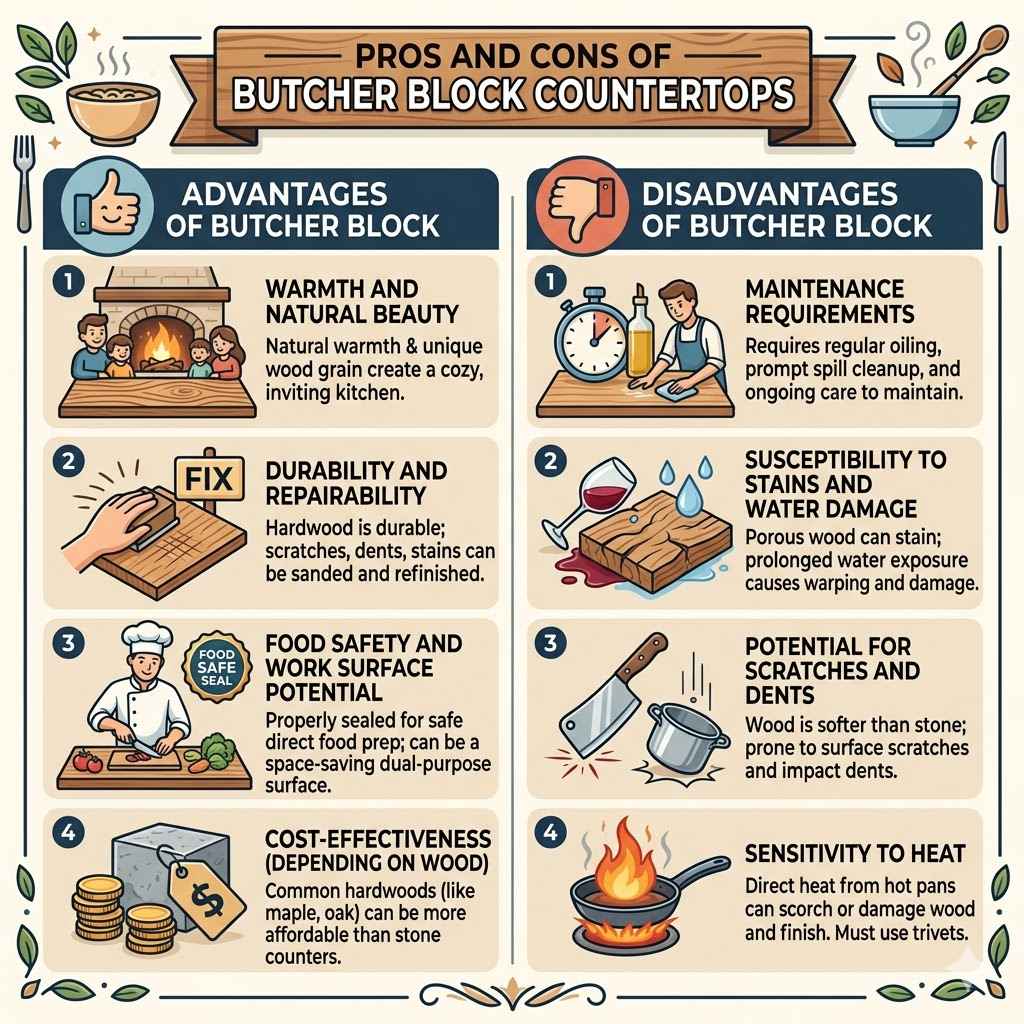
Pros and Cons of Butcher Block Countertops
Butcher block countertops offer a unique blend of style and function. Like any material, they come with their own set of advantages and disadvantages that are important to consider.
Advantages of Butcher Block
There are many reasons why people choose butcher block for their kitchens.
Warmth and Natural Beauty
Wood countertops bring a natural warmth and beauty to a kitchen that synthetic materials often cannot replicate. The unique grain patterns and natural variations in wood create a one-of-a-kind look that can make your kitchen feel more inviting and cozy.
Durability and Repairability
Hardwood butcher block is very durable and can withstand daily kitchen activities. A significant advantage is its repairability. Scratches, dents, or stains can often be sanded out and refinished, unlike many other countertop materials that may require costly replacement.
Food Safety and Work Surface Potential
When properly sealed with food-safe finishes, butcher block can be a safe surface for preparing food directly on. This dual-purpose functionality can save space and streamline kitchen tasks, making it an attractive option for home chefs.
Cost-Effectiveness (Depending on Wood)
While some exotic woods can be expensive, common hardwoods like maple or oak can be more affordable than granite, quartz, or marble, especially when purchased from budget-friendly suppliers or during sales.
Disadvantages of Butcher Block
It’s also important to be aware of the potential downsides.
Maintenance Requirements
Butcher block countertops require more maintenance than materials like quartz or granite. They need regular oiling, prompt spill cleanup, and care to prevent damage from heat and moisture. This ongoing care is essential for their longevity.
Susceptibility to Stains and Water Damage
Despite sealing, wood is porous and can be susceptible to staining from certain liquids like red wine or beet juice if not cleaned quickly. Prolonged exposure to water can also lead to warping or damage if not properly protected and maintained.
Potential for Scratches and Dents
While durable, wood is softer than stone or quartz. Heavy chopping or dropping hard objects can result in scratches or dents. While these can be repaired, they are more likely to occur than on harder countertop materials.
Sensitivity to Heat
Direct heat from hot pans can scorch or damage the wood and its finish. Using trivets or hot pads is essential to protect the surface from extreme temperatures.
Frequently Asked Questions
Question: Where can I buy butcher block countertops locally
Answer: You can buy butcher block countertops locally at big box home improvement stores like Home Depot and Lowe’s, specialty kitchen and bath showrooms, and sometimes at local sawmills or lumber yards. Visiting these places allows you to see the wood in person.
Question: Is butcher block more expensive than granite
Answer: Butcher block can be less expensive than granite, especially for common wood species like maple or oak. However, exotic woods or custom-finished butcher block can sometimes be comparable in price to some types of granite.
Question: How often do I need to oil butcher block countertops
Answer: If using a food-safe oil finish, you should oil your butcher block countertops monthly, or whenever the wood appears dry. This helps maintain its moisture balance and protective layer.
Question: Can I cut directly on my butcher block countertop
Answer: Yes, if your butcher block is finished with a food-safe oil and you maintain it regularly, you can cut directly on it. However, using a separate cutting board is recommended to prolong the life and appearance of your countertop.
Question: What is the best wood for butcher block
Answer: The “best” wood depends on your preferences. Maple is popular for its hardness and light color, oak for its distinct grain, and walnut for its rich, dark appearance. All are durable hardwoods suitable for kitchen use.
Summary
Finding Where to Buy Butcher Block Countertops involves exploring various retailers, from big home stores to online specialists. You can choose from durable woods like maple, oak, or walnut, each offering unique beauty. Proper installation and consistent maintenance, like regular oiling and prompt spill cleanup, are key to enjoying your beautiful, natural countertops for years.